




Bad Credit Means Higher Auto Insurance Rates
Insurance agencies know if you pay your credit card bills on time – and use that information to determine your auto insurance rate. Credit history is a proven predictor of the likelihood of an auto insurance claim, according to the credit-scoring formula of Fair Isaac Corporation. Nine of the nation’s top 10 auto insurers use credit history in their underwriting, according to the Insurance Journal. But that predictor in personal line insurance is not a trend in insuring commercial fleets of vehicles. However, overall credit has been a factor in commercial lines for decades to assess the financial stability of private companies. “Usually when you’re buying a commercial auto policy for a fleet of vehicles the financial stability of the business is one of the determining factors,” said Robert Hartwig, chief economist at the Insurance Information Institute. “A company’s financial statement is more important than the individually based credit scores of the drivers,” said Joe Annotti, VP Public Affairs Property Casualty Insurance Association of America. Though Annotti believes some companies may use individual driver’s credit scores to help determine premiums, he doesn’t see a trend. The issue had been a legislative and political hot button a few years ago when consumer advocates decried the fact that there was no logical correlation between a customer’s credit worthiness and driving record. However, insurance regulations say that as long as an underwriting criterion is actuarially sound and non-discriminatory it can be used as a factor to help determine credit score, said Kevin O’Reilly of Insurance Journal. Many states now have reasonable restrictions on credit as a determining factor. Customers can’t penalize someone who has no credit history or who may have had a credit problem due to a medical crisis, Annotti said. A recent Florida law prohibits insurers from denying insurance based solely on credit score. California prohibits using credit history altogether. Checking credit history lowers the payments the majority of motorists make to insurance companies, which is good news for consumers. The Insurance Information Institute recently cut its 2004 rate increase forecast from 6 percent to about 3.5 percent – the smallest increase in four years.
More Small Fleet


Developing Budget-Friendly Driver Safety Programs
From driver training and safety meetings to one-on-one coaching and incentive programs, several small fleets share how they have developed a safety culture with their drivers using low- to no-cost resources.
Read More →
Boosting Last-Mile Fleet Uptime, Safety, and Value with AI Vehicle Inspections
AI-powered inspections are transforming last-mile fleets by replacing manual checks with highly accurate automated scans that detect defects in seconds. By giving fleet operations visibility into the daily condition of their vehicles, you can identify trends over the vehicle’s lifecycle that enable improved procurement decisions, route management, driver training and accountability.
Read More →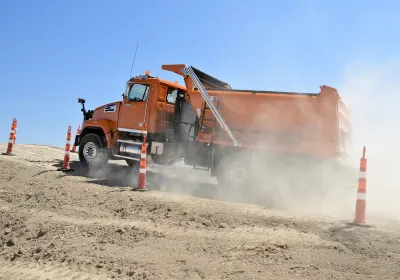

Five Ways Seat Belts Help Prevent Injuries
There are five ways seat belts protect occupants from injuries, according to the Tennessee Department of Safety and Homeland Security.
Read More →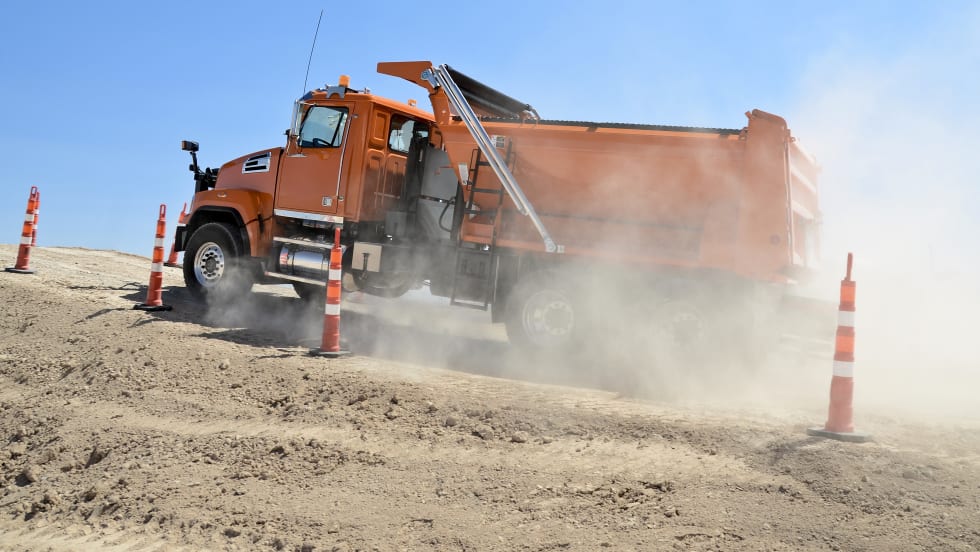
Basic Tracking vs Next Generation Fleet Technology
Fleet software is getting more sophisticated and effective than ever, tying big data models together to transform maintenance, safety, and the value of your existing tech stack. Fleet technology upgrades are undoubtedly an investment, but updated technology can offer a much higher return. Read how upgrading your fleet technology can increase the return on your investment.
Read More →
It’s here: The 2026 Fleet Technology Trends Report
What does AI mean for fleets? Get the answer — and learn other top tech trends.
Read More →
Small Fleets, Big Impact: How Independent Drivers Power Wreaths Across America
Check out how small fleets and independent drivers power Wreaths Across America each December and why their impact matters more than ever.
Read More →
VMS Survey Finds 65% of Small Fleet Managers Run Operations Alone
A new VMS survey shows small fleet managers are stretched thin, with most handling operations solo and eager to adopt digital tools for relief.
Read More →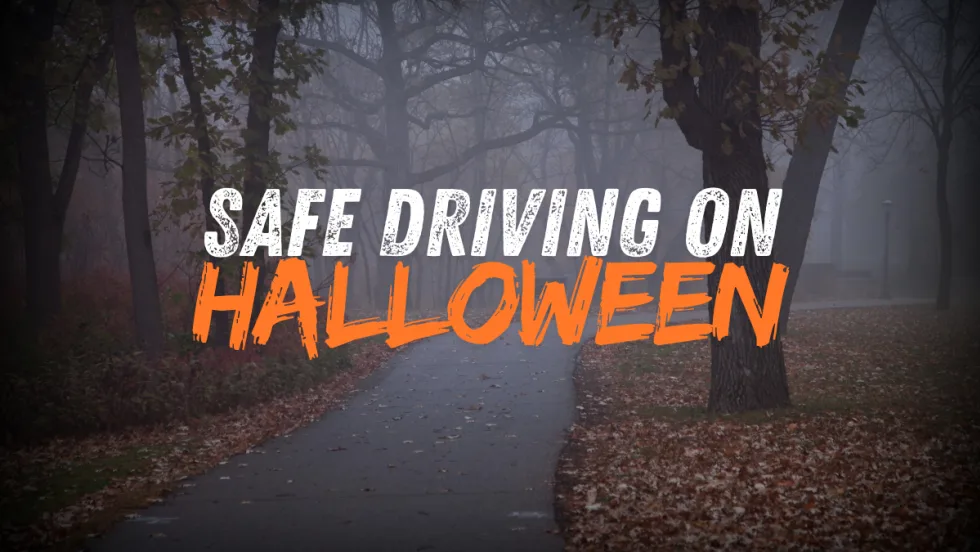
Tips for Driving Safely on Halloween Night
This video features a reminder from the Connecticut Department of Transportation (DOT) and the Connecticut Police Chiefs Association, urging drivers to prioritize safety this Halloween.
Read More →
AI, Access, and Uptime: VMS’s Next Chapter with David Prusinski
VMS’s new Co-CEO, David Prusinski, shares how an AI-first approach will give small fleets and repair shops the tools to compete like big players.
Read More →