




Automakers Won't Ask Congress to Freeze Fuel Economy Standards
Confident of White House support, automakers agreed Feb. 22 to not ask Congress to freeze federal fuel economy standards, giving industry critics their first chance in more than two decades to seek higher requirements. President George W. Bush said during his campaign he thinks federal fuel economy standards are about where they should be. Secretary of Transportation Norm Mineta is now in charge of the agency that will decide if fuel standards for sport-utility vehicles, pickups and minivans should be raised when the current congressional freeze expires this summer. Most environmentalists acknowledge, however, that the industry's decision on Feb. 22 is unlikely to result in sharply higher fuel economy standards. Officially, automakers say they decided not to ask Congress to freeze standards for another year because they will instead push for tax credits to consumers who buy fuel-efficient, high-tech vehicles. With growing concern over global warming, talk of a national energy crisis and consumers upset over high gas prices and home heating bills, automakers also recognize that the political tide is turning against them, especially as regards their most profitable and least fuel-efficient vehicles. In recent weeks, some automakers have admitted privately that it could be political suicide to ask Congress for another freeze that essentially protects the nation's top-selling vehicles from tougher standards, according to a Feb. 23 Detroit Free Press story by Janet L. Fix. Federal fuel economy standards under the Corporate Average Fuel Economy (CAFE) program have been unchanged since 1975. Standards have remained at 27.5 miles per gallon for new passenger cars and 20.7 m.p.g. for light trucks, including pickups, minivans and SUVs.
More Small Fleet


Developing Budget-Friendly Driver Safety Programs
From driver training and safety meetings to one-on-one coaching and incentive programs, several small fleets share how they have developed a safety culture with their drivers using low- to no-cost resources.
Read More →
Boosting Last-Mile Fleet Uptime, Safety, and Value with AI Vehicle Inspections
AI-powered inspections are transforming last-mile fleets by replacing manual checks with highly accurate automated scans that detect defects in seconds. By giving fleet operations visibility into the daily condition of their vehicles, you can identify trends over the vehicle’s lifecycle that enable improved procurement decisions, route management, driver training and accountability.
Read More →
Five Ways Seat Belts Help Prevent Injuries
There are five ways seat belts protect occupants from injuries, according to the Tennessee Department of Safety and Homeland Security.
Read More →
It’s here: The 2026 Fleet Technology Trends Report
What does AI mean for fleets? Get the answer — and learn other top tech trends.
Read More →
Small Fleets, Big Impact: How Independent Drivers Power Wreaths Across America
Check out how small fleets and independent drivers power Wreaths Across America each December and why their impact matters more than ever.
Read More →
VMS Survey Finds 65% of Small Fleet Managers Run Operations Alone
A new VMS survey shows small fleet managers are stretched thin, with most handling operations solo and eager to adopt digital tools for relief.
Read More →
Tips for Driving Safely on Halloween Night
This video features a reminder from the Connecticut Department of Transportation (DOT) and the Connecticut Police Chiefs Association, urging drivers to prioritize safety this Halloween.
Read More →
AI, Access, and Uptime: VMS’s Next Chapter with David Prusinski
VMS’s new Co-CEO, David Prusinski, shares how an AI-first approach will give small fleets and repair shops the tools to compete like big players.
Read More →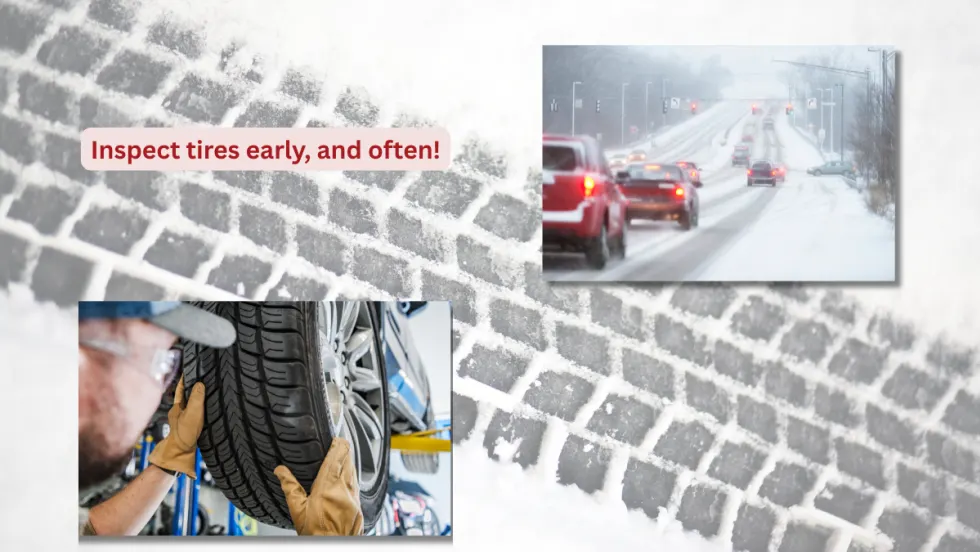
Fleet Managers Share Winter Prep Tips: It's Never Too Early!
Three fleets share best practices to prep vehicles for winter and prevent downtime when the cold sets in.
Read More →