




At $1.62 a Gallon, Interest in E85 Fuel Use Growing
Senate bill provides up to a $30,000 tax credit for construction of E85 ethanol refueling stations and $40 million for research.
The Senate on Tuesday overwhelmingly approved an energy bill that, among its provisions, would provide up to a $30,000 tax credit for the construction of E85 ethanol refueling stations and $40 million for research into combined electric and E85 flexible fuel vehicles. However, that provision is not in the House version and is one of several differences that must be reconciled in conference. Interest in E85 fuel—a blend of 85 percent ethanol and 15 percent gasoline—has been growing in recent months due to frequent spikes in gasoline prices, according to an Associated Press report. Promoters say E85 is not only cheaper, it reduces America’s dependence on foreign oil and burns cleaner. It’s a boost to the Midwest farm economy because ethanol is distilled mainly from corn. While regular gasoline prices have been rising, ethanol prices have stayed down because of a rapidly growing ethanol supply and federal tax subsidies. An E85 refueling station in Minneapolis showed $2.07 per gallon for unleaded compared with $1.62 for E85, according to the AP report. Mileage is somewhat lower with E85 depending on the vehicle. About 400 retail filling stations offer E85 nationwide, most located in the Midwest. More than 4 million flexible-fuel vehicles – which can run on any blend of gasoline and up to 85 percent ethanol – are on the road in the United States, according to government figures, but most of them rarely use E85. General Motors Corp., Ford Motor Co., DaimlerChrysler, Nissan Motor Co., Isuzu Motors Ltd. and Mazda Motor Corp. make flexible-fuel versions for certain models, sometimes only for sale as fleet vehicles. The differences under the hood are relatively few, so prices are similar to vehicles with comparable standard engines.
More Small Fleet


Developing Budget-Friendly Driver Safety Programs
From driver training and safety meetings to one-on-one coaching and incentive programs, several small fleets share how they have developed a safety culture with their drivers using low- to no-cost resources.
Read More →
Boosting Last-Mile Fleet Uptime, Safety, and Value with AI Vehicle Inspections
AI-powered inspections are transforming last-mile fleets by replacing manual checks with highly accurate automated scans that detect defects in seconds. By giving fleet operations visibility into the daily condition of their vehicles, you can identify trends over the vehicle’s lifecycle that enable improved procurement decisions, route management, driver training and accountability.
Read More →
Five Ways Seat Belts Help Prevent Injuries
There are five ways seat belts protect occupants from injuries, according to the Tennessee Department of Safety and Homeland Security.
Read More →
It’s here: The 2026 Fleet Technology Trends Report
What does AI mean for fleets? Get the answer — and learn other top tech trends.
Read More →
Small Fleets, Big Impact: How Independent Drivers Power Wreaths Across America
Check out how small fleets and independent drivers power Wreaths Across America each December and why their impact matters more than ever.
Read More →
VMS Survey Finds 65% of Small Fleet Managers Run Operations Alone
A new VMS survey shows small fleet managers are stretched thin, with most handling operations solo and eager to adopt digital tools for relief.
Read More →
Tips for Driving Safely on Halloween Night
This video features a reminder from the Connecticut Department of Transportation (DOT) and the Connecticut Police Chiefs Association, urging drivers to prioritize safety this Halloween.
Read More →
AI, Access, and Uptime: VMS’s Next Chapter with David Prusinski
VMS’s new Co-CEO, David Prusinski, shares how an AI-first approach will give small fleets and repair shops the tools to compete like big players.
Read More →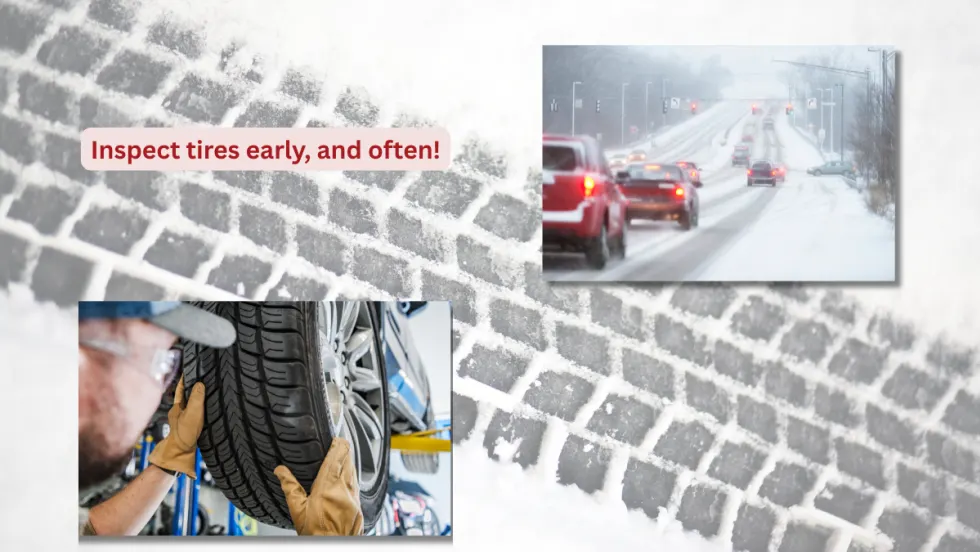
Fleet Managers Share Winter Prep Tips: It's Never Too Early!
Three fleets share best practices to prep vehicles for winter and prevent downtime when the cold sets in.
Read More →