




AfMA Calls on Newly Elected Australian Government to Nix FBT Changes
Following the election of Australia's newly elected Coalition Government, the Australasian Fleet Management Association (AfMA), called on the new Prime Minister Tony Abbott to not proceed with the previous Government's proposed changes to the Fringe Benefits Tax.
Following the election of Australia's newly elected Coalition Government on Sept. 7, 2013, the Australasian Fleet Management Association (AfMA), called on the new Prime Minister Tony Abbott to not proceed with the previous Government's proposed changes to the Fringe Benefits Tax (FBT).
In a statement AfMA released after the election, it restated its opposition to the FBT changes and their negative impact on the country's business and fleet communities:
"With tax reform on the agenda, the Association urges State and Federal Governments to review the FBT legislation as well as stamp duties for motor vehicles with a view to encouraging improved safety and environmental practices as well as reducing the cost and compliance burden for organizations.
"It is the view of the Association that changes made to the FBT legislation in 2011, setting the FBT rate of the statutory method at 20 percent, are counterproductive to the automotive and other industries. This change in FBT rate alone, when fully implemented, will add up to $2.4 billion to businesses’ FBT bill. The Association would encourage the Coalition Government to revisit this issue and set a fixed, revenue neutral, rate as calculated at the time before the change to 20 percent. Dr. Henry in his tax review prior to the introduction of the fixed rate indicated a revenue neutral rate of 11 percent.
"This is important because the interrelated and interconnected nature of FBT drives organisations’ purchasing decisions and directly influences operational initiatives. Fleet purchases are the major source of vehicles into the second-hand vehicle market. Therefore, purchasing decisions made by fleets today will impact the transport sector emissions output and occupant safety for more than a decade after the initial acquisition.
"It is the Association’s view that the thrust of taxation policy should be to encourage, not discourage, fleets to be at the forefront of a robust movement to positively support the uptake of more safe and environmentally friendly vehicles in the fleet - the current FBT regime runs counter to this objective."
Originally posted on Automotive Fleet
More Small Fleet

Tips for Driving Safely on Halloween Night
This video features a reminder from the Connecticut Department of Transportation (DOT) and the Connecticut Police Chiefs Association, urging drivers to prioritize safety this Halloween.
Read More →
Simple Tire Checks That Help Keep Your Business Fleet Moving
A survey found that nearly one in every 10 passenger vehicles has at least one bald tire. What's more, 27% -- more than one in four -- of vehicles are driven with one or more severely under-inflated tires.
Read More →
Developing Budget-Friendly Driver Safety Programs
From driver training and safety meetings to one-on-one coaching and incentive programs, several small fleets share how they have developed a safety culture with their drivers using low- to no-cost resources.
Read More →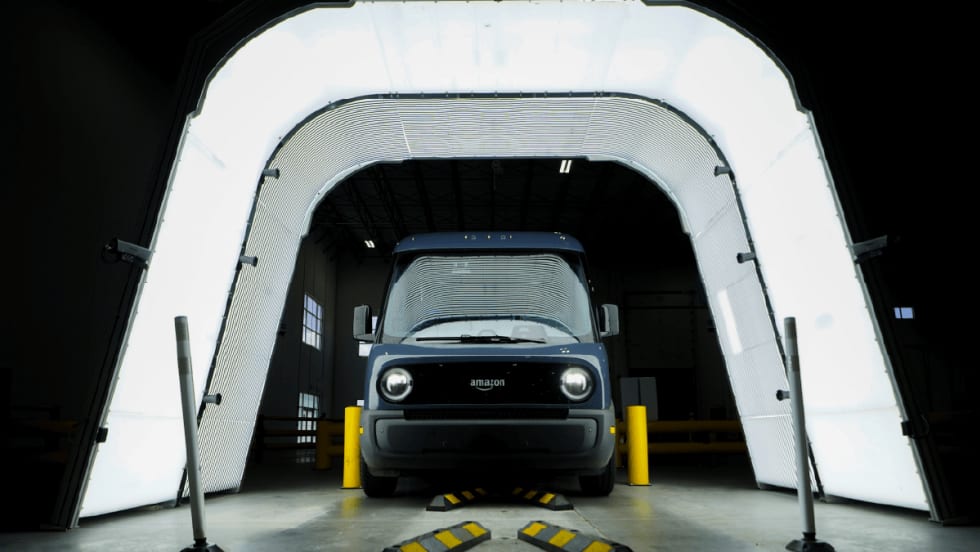
Boosting Last-Mile Fleet Uptime, Safety, and Value with AI Vehicle Inspections
AI-powered inspections are transforming last-mile fleets by replacing manual checks with highly accurate automated scans that detect defects in seconds. By giving fleet operations visibility into the daily condition of their vehicles, you can identify trends over the vehicle’s lifecycle that enable improved procurement decisions, route management, driver training and accountability.
Read More →
Five Ways Seat Belts Help Prevent Injuries
There are five ways seat belts protect occupants from injuries, according to the Tennessee Department of Safety and Homeland Security.
Read More →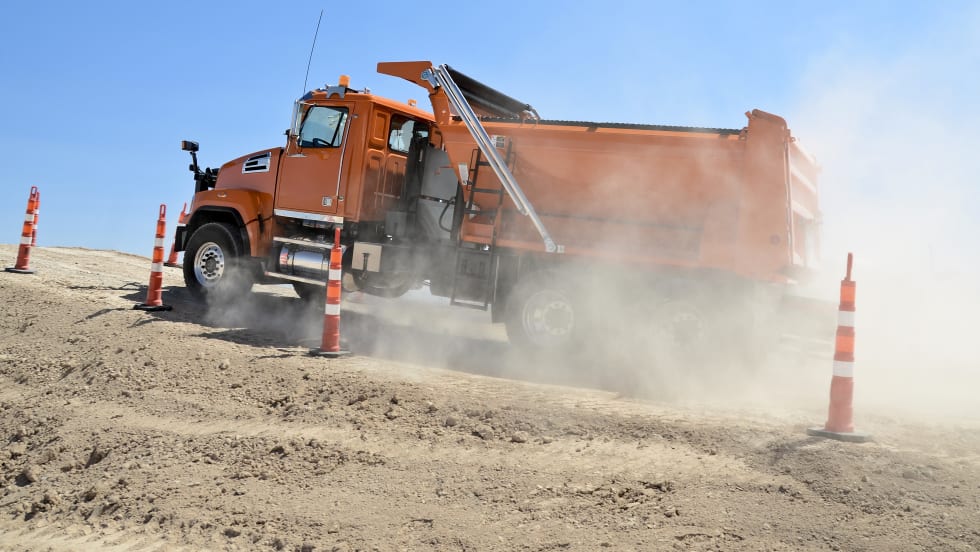
Basic Tracking vs Next Generation Fleet Technology
Fleet software is getting more sophisticated and effective than ever, tying big data models together to transform maintenance, safety, and the value of your existing tech stack. Fleet technology upgrades are undoubtedly an investment, but updated technology can offer a much higher return. Read how upgrading your fleet technology can increase the return on your investment.
Read More →
It’s here: The 2026 Fleet Technology Trends Report
What does AI mean for fleets? Get the answer — and learn other top tech trends.
Read More →
Small Fleets, Big Impact: How Independent Drivers Power Wreaths Across America
Check out how small fleets and independent drivers power Wreaths Across America each December and why their impact matters more than ever.
Read More →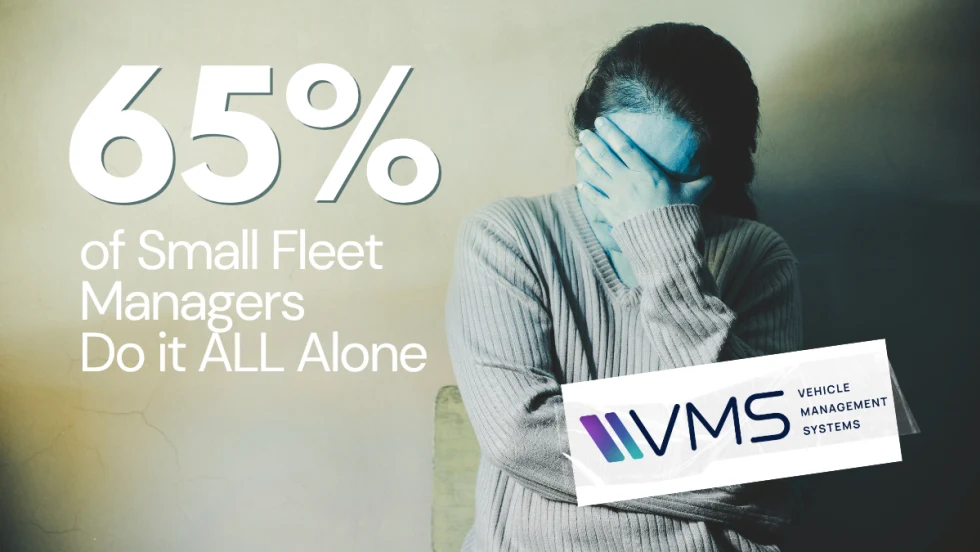
VMS Survey Finds 65% of Small Fleet Managers Run Operations Alone
A new VMS survey shows small fleet managers are stretched thin, with most handling operations solo and eager to adopt digital tools for relief.
Read More →