




AAA Pushes for Life-Saving Road Improvements
A new report concludes that a $146 billion investment in road infrastructure could potentially save 63,700 lives over a 20-year period.
Graphic courtesy of AAA.
Graphic courtesy of AAA.
A $146 billion investment in U.S. roadway improvements could potentially save 63,700 lives and prevent 353,560 serious injuries over a 20-year period, according to a new report from the AAA Foundation for Traffic Safety.
AAA is urging the Trump Administration to make repairing and maintaining America’s roadways a top priority. In making its case for funding such improvements, the report cites data indicating that the U.S. lags behind other developed nations in the prevention of deadly crashes. Road fatalities in the nation climbed 7% in 2015 and were on pace for a similar increase in 2016.
“We can save tens of thousands of lives and make our roadways safer by investing in improvements that we already know exist,” said Dr. David Yang, AAA Foundation for Traffic Safety executive director. “Now is the time to act by targeting limited resources where they will have the greatest impact.”
Highway infrastructure improvements can reduce both the likelihood and the consequences of crashes, the report stresses.
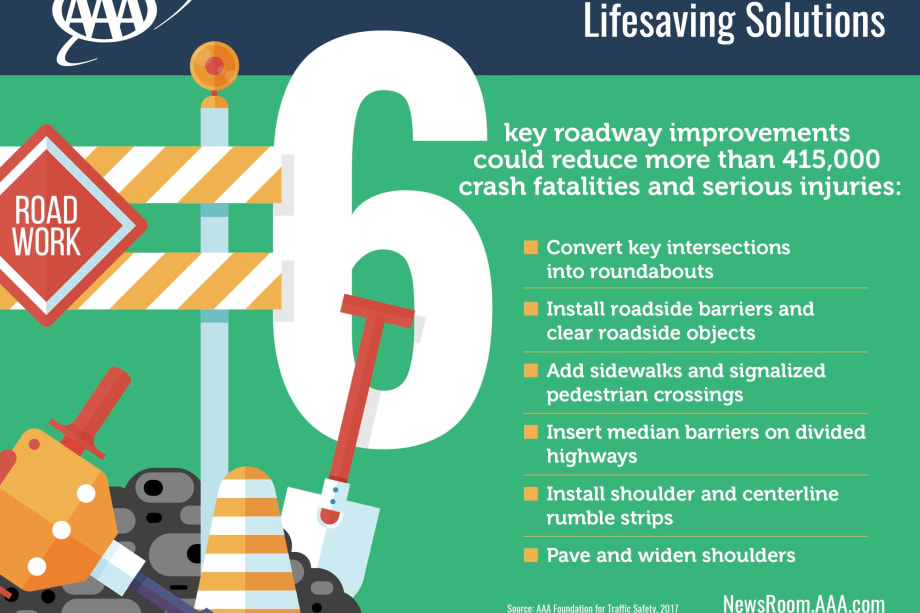
The report recommends investing $146 billion in six cost-effective improvements that already have a successful track record:
Converting key intersections into roundabouts
Installing roadside barriers and clear roadside objects
Adding sidewalks and signalized pedestrian crossings on the majority of roads
Installing median barriers on divided highways
Installing shoulder and centerline rumble strips
Paving and widening shoulders.
“We must invest in infrastructure improvements that not only account for today’s needs, but also prioritize needs for the future, including the potentially lifesaving technology of autonomous vehicles,” said AAA President and CEO Marshall L. Doney.
To download the full report, click here.
Originally posted on Automotive Fleet
More Small Fleet


Developing Budget-Friendly Driver Safety Programs
From driver training and safety meetings to one-on-one coaching and incentive programs, several small fleets share how they have developed a safety culture with their drivers using low- to no-cost resources.
Read More →
Boosting Last-Mile Fleet Uptime, Safety, and Value with AI Vehicle Inspections
AI-powered inspections are transforming last-mile fleets by replacing manual checks with highly accurate automated scans that detect defects in seconds. By giving fleet operations visibility into the daily condition of their vehicles, you can identify trends over the vehicle’s lifecycle that enable improved procurement decisions, route management, driver training and accountability.
Read More →
Five Ways Seat Belts Help Prevent Injuries
There are five ways seat belts protect occupants from injuries, according to the Tennessee Department of Safety and Homeland Security.
Read More →
It’s here: The 2026 Fleet Technology Trends Report
What does AI mean for fleets? Get the answer — and learn other top tech trends.
Read More →
Small Fleets, Big Impact: How Independent Drivers Power Wreaths Across America
Check out how small fleets and independent drivers power Wreaths Across America each December and why their impact matters more than ever.
Read More →
VMS Survey Finds 65% of Small Fleet Managers Run Operations Alone
A new VMS survey shows small fleet managers are stretched thin, with most handling operations solo and eager to adopt digital tools for relief.
Read More →
Tips for Driving Safely on Halloween Night
This video features a reminder from the Connecticut Department of Transportation (DOT) and the Connecticut Police Chiefs Association, urging drivers to prioritize safety this Halloween.
Read More →
AI, Access, and Uptime: VMS’s Next Chapter with David Prusinski
VMS’s new Co-CEO, David Prusinski, shares how an AI-first approach will give small fleets and repair shops the tools to compete like big players.
Read More →
Fleet Managers Share Winter Prep Tips: It's Never Too Early!
Three fleets share best practices to prep vehicles for winter and prevent downtime when the cold sets in.
Read More →