




AAA: 21 Percent of Fatal Crashes Linked to Drowsy Driving
The new report from the AAA Foundation for Traffic Safety updates previous research, applying data from 2009-2013.
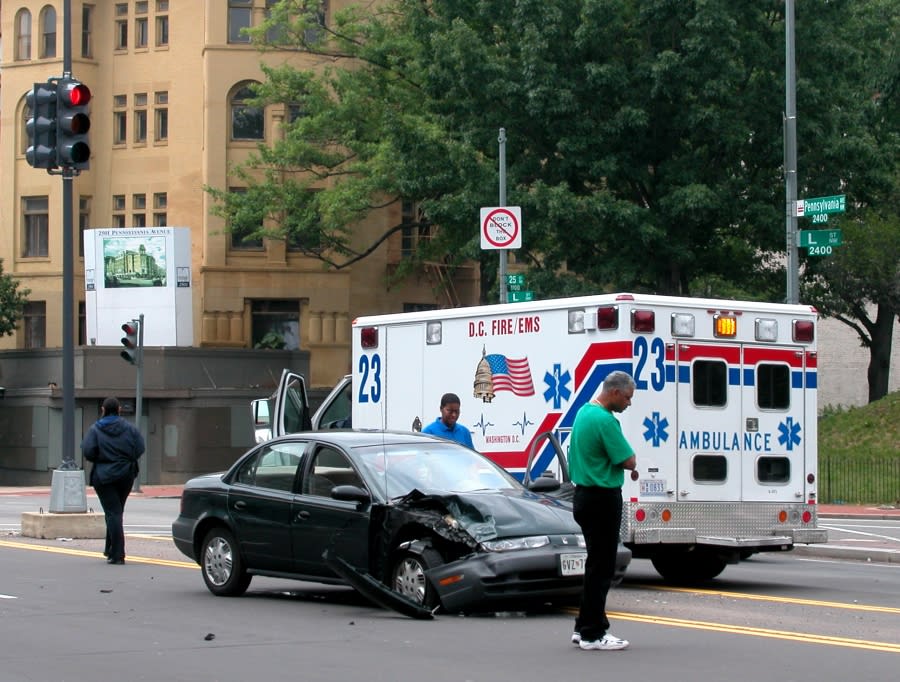
Photo courtesy of AAA Foundation for Traffic Safety.
Photo courtesy of AAA Foundation for Traffic Safety.
New research from the AAA Foundation for Traffic Safety has concluded that more than one in five (21 percent) fatal crashes involve driver fatigue.
Additionally, the study estimates that drowsy driving plays a role in 13 percent of crashes that result in a person requiring hospitalization and 7 percent of crashes requiring treatment for injuries.
These study results, the organization said, help confirm what safety experts have long suspected: The prevalence of drowsy driving is much greater than official statistics from the National Highway Traffic Safety Administration (NHTSA) currently indicate.
“This new research further confirms that drowsy driving is a serious traffic safety problem,” warned Peter Kissinger, president and CEO of the AAA Foundation for Traffic Safety. “Unfortunately, drivers often underestimate this risk and overestimate their ability to combat drowsiness behind the wheel.”
The report also found that one-third of crashes involving a drowsy driver result in injuries and more than 6,000 fatigue-related crashes each year result in at least one fatality.
Previous research from the AAA Foundation revealed that young adult drivers, ages 19-24, are the most likely to admit to driving while drowsy, with 33 percent reporting doing so in the last month. In contrast, the oldest drivers (ages 75+) and the youngest (ages 16-18) were the least likely to report the same offense.
“Despite the fact that 95 percent of Americans deem it ‘unacceptable’ to drive when they are so tired that they have a hard time keeping their eyes open, more than 28 percent admit to doing so in the last month,” Kissinger said. “Like other impairments, driving while drowsy is not without risk.”
AAA urges drivers to understand the warning signs of drowsy driving:
The inability to recall the last few miles traveled
Having disconnected or wandering thoughts
Having difficulty focusing or keeping your eyes open
Feeling as though your head is very heavy
Drifting out of your driving lane, perhaps driving on the rumble strips
Yawning repeatedly
Accidentally tailgating other vehicles
Missing traffic signs.
AAA urges drivers to find a safe place to pull over if they experience any of the drowsy driving symptoms.
To remain alert and be safer behind the wheel, AAA suggests:
Get plenty of sleep (at least seven hours), especially the night before a long drive
Drive at times when you are normally awake
Schedule a break every two hours or every 100 miles
Avoid heavy foods
Travel with an alert passenger and take turns driving
Avoid medications that cause drowsiness or other impairment
Consult with a sleep specialist or other medical professional if you have trouble getting enough rest or are chronically fatigued.
The AAA Foundation for Traffic Safety’s Prevalence of Motor Vehicle Crashes Involving Drowsy Drivers report is based on the analysis of a representative sample of 14,268 crashes that occurred in years 2009-2013 in which at least one vehicle was towed from the scene. Click here to download the full report.
AAA is highlighting the risks of drowsy driving in support of the National Sleep Foundation’s Drowsy Driving Prevention Week, which runs Nov. 2-9.
Originally posted on Automotive Fleet
More Small Fleet
Tips for Driving Safely on Halloween Night
This video features a reminder from the Connecticut Department of Transportation (DOT) and the Connecticut Police Chiefs Association, urging drivers to prioritize safety this Halloween.
Read More →
Developing Budget-Friendly Driver Safety Programs
From driver training and safety meetings to one-on-one coaching and incentive programs, several small fleets share how they have developed a safety culture with their drivers using low- to no-cost resources.
Read More →

Boosting Last-Mile Fleet Uptime, Safety, and Value with AI Vehicle Inspections
AI-powered inspections are transforming last-mile fleets by replacing manual checks with highly accurate automated scans that detect defects in seconds. By giving fleet operations visibility into the daily condition of their vehicles, you can identify trends over the vehicle’s lifecycle that enable improved procurement decisions, route management, driver training and accountability.
Read More →
Five Ways Seat Belts Help Prevent Injuries
There are five ways seat belts protect occupants from injuries, according to the Tennessee Department of Safety and Homeland Security.
Read More →
Basic Tracking vs Next Generation Fleet Technology
Fleet software is getting more sophisticated and effective than ever, tying big data models together to transform maintenance, safety, and the value of your existing tech stack. Fleet technology upgrades are undoubtedly an investment, but updated technology can offer a much higher return. Read how upgrading your fleet technology can increase the return on your investment.
Read More →
It’s here: The 2026 Fleet Technology Trends Report
What does AI mean for fleets? Get the answer — and learn other top tech trends.
Read More →
Small Fleets, Big Impact: How Independent Drivers Power Wreaths Across America
Check out how small fleets and independent drivers power Wreaths Across America each December and why their impact matters more than ever.
Read More →
VMS Survey Finds 65% of Small Fleet Managers Run Operations Alone
A new VMS survey shows small fleet managers are stretched thin, with most handling operations solo and eager to adopt digital tools for relief.
Read More →
AI, Access, and Uptime: VMS’s Next Chapter with David Prusinski
VMS’s new Co-CEO, David Prusinski, shares how an AI-first approach will give small fleets and repair shops the tools to compete like big players.
Read More →