




A New Way to Track Traffic Congestion
GPS systems in cars collect drivetime information and send it to a server, where it forms a picture of traffic flow around a 40-mile radius.
"Smart highway" initiatives may not take cars off the roads, but they will make traffic flow more efficient, according to an April 26 Associated Press report. One such federally funded program tracks traffic congestion using Global Positioning System devices in cars. This project, funded by a $1.3 million grant from state and federal highway officials and headed by Rensselaer Polytechnic Institute's Center for Infrastructure and Transportation Studies, focuses on information collected from commuters on weekday mornings. In February, 200 volunteers who commute daily were loaned a GPS unit and a handheld computer linked to a central server. Drivetime information is sent each minute from each vehicle to a server, where it forms a picture of traffic flow around a 40-mile radius. Speed is computed by tracking progress between virtual checkpoints. The handheld computers send updates. Each handheld displays a map and also suggests alternative routes via a synthesized voice. Drivers act as highway probes, receiving continual feedback from the in-car computer. Project head George List says 10 to 15 percent of drivers in a given area would need to participate to make the system effective. The devices bought separately cost about $1,000. The system would be cheaper than investing in a series of pole-mounted cameras or road sensors, according to the AP report. GPS is one of several technologies being studied by transportation officials and private companies looking to update traffic systems, the AP report said. AirSage, an Atlanta-based company, has developed a system that uses cell phones as anonymous "traffic probes." Its first customer will be the Virginia Department of Transportation, which will use it in Norfolk this summer, said company president and chief executive officer Cy Smith. Neil Schuster, president of the not-for-profit Intelligent Transportation Society of America, said the auto industry is looking closely at federally dedicated spectrum space that could host a wireless network for moving cars.
More Small Fleet


Developing Budget-Friendly Driver Safety Programs
From driver training and safety meetings to one-on-one coaching and incentive programs, several small fleets share how they have developed a safety culture with their drivers using low- to no-cost resources.
Read More →
Boosting Last-Mile Fleet Uptime, Safety, and Value with AI Vehicle Inspections
AI-powered inspections are transforming last-mile fleets by replacing manual checks with highly accurate automated scans that detect defects in seconds. By giving fleet operations visibility into the daily condition of their vehicles, you can identify trends over the vehicle’s lifecycle that enable improved procurement decisions, route management, driver training and accountability.
Read More →
Five Ways Seat Belts Help Prevent Injuries
There are five ways seat belts protect occupants from injuries, according to the Tennessee Department of Safety and Homeland Security.
Read More →
It’s here: The 2026 Fleet Technology Trends Report
What does AI mean for fleets? Get the answer — and learn other top tech trends.
Read More →
Small Fleets, Big Impact: How Independent Drivers Power Wreaths Across America
Check out how small fleets and independent drivers power Wreaths Across America each December and why their impact matters more than ever.
Read More →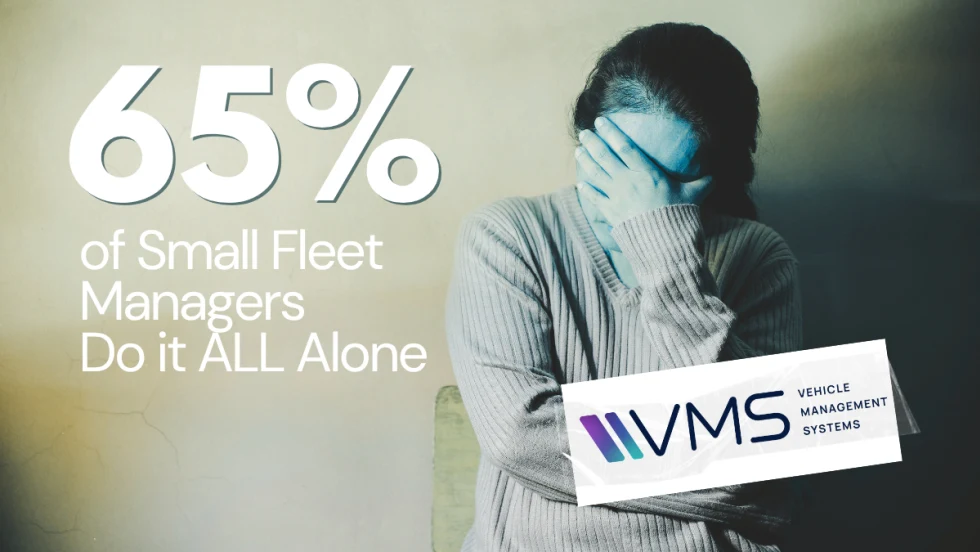
VMS Survey Finds 65% of Small Fleet Managers Run Operations Alone
A new VMS survey shows small fleet managers are stretched thin, with most handling operations solo and eager to adopt digital tools for relief.
Read More →
Tips for Driving Safely on Halloween Night
This video features a reminder from the Connecticut Department of Transportation (DOT) and the Connecticut Police Chiefs Association, urging drivers to prioritize safety this Halloween.
Read More →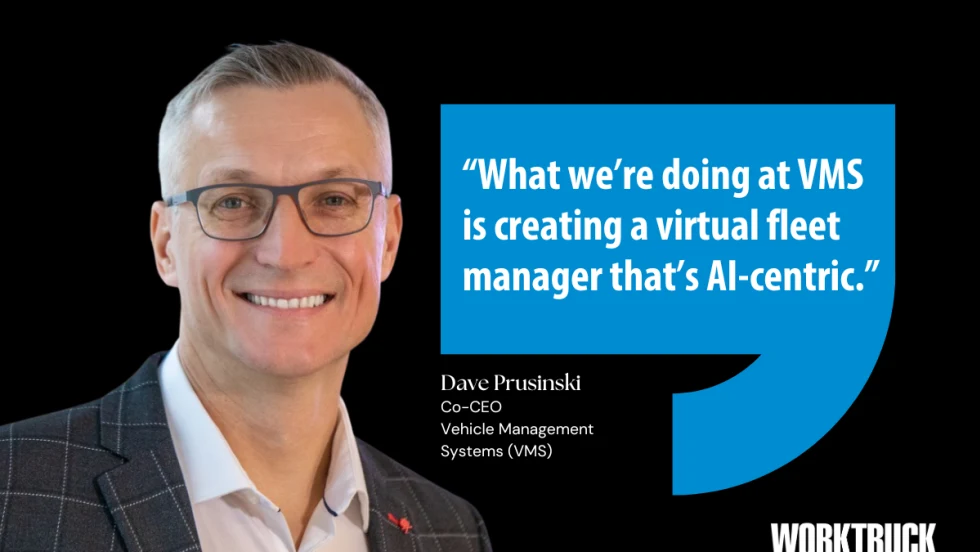
AI, Access, and Uptime: VMS’s Next Chapter with David Prusinski
VMS’s new Co-CEO, David Prusinski, shares how an AI-first approach will give small fleets and repair shops the tools to compete like big players.
Read More →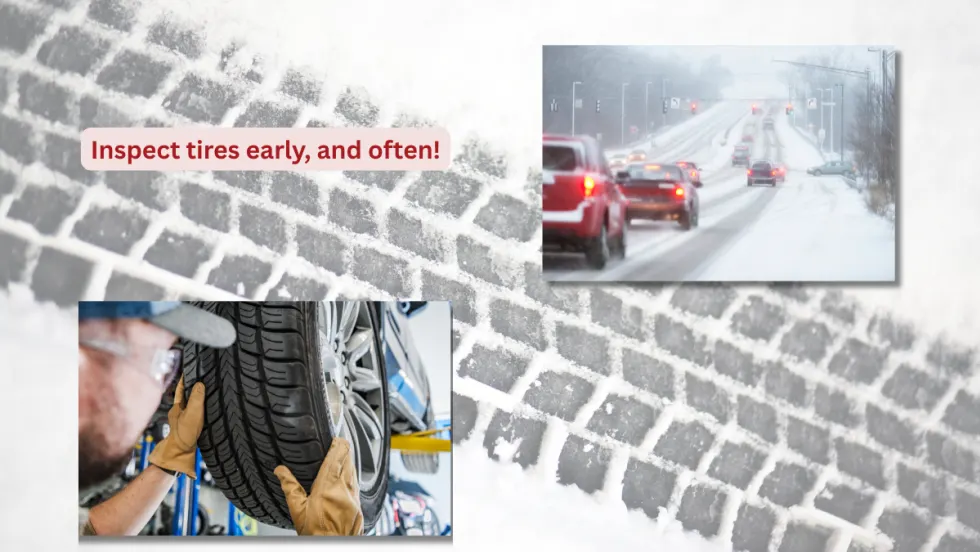
Fleet Managers Share Winter Prep Tips: It's Never Too Early!
Three fleets share best practices to prep vehicles for winter and prevent downtime when the cold sets in.
Read More →