




2002 Ford Explorers, Mercury Mountaineers Hit Dealerships
The first 2002 Ford Explorers and Mercury Mountaineers have rolled out from Ford Motor Company's Louisville, Ky., and St. Louis assembly plants. The Explorer, for 11 years the best-selling sport-utility in the U.S., is trying to overcome the scandal caused by 174 accident deaths and hundreds of injuries linked to the failure of 15-inch Firestone tires. Ford admits that the safety fiasco and recall of 6.5 million tires have slowed Explorer sales. But officials are confident the 2002 model -- with the first full redesign since the Explorer's launch in 1989 -- can top last year's record sales of 445,157. Dealers have placed more than 75,000 orders for the 2002 Explorer, according to Ford, with the vast majority opting for Goodyear and Michelin tires. The new Explorer features a fully independent suspension for a less truck-like ride and an optional third-row seat that creates room for seven passengers. The Explorer is Ford's first SUV with optional side-curtain air bags. A sensor system that can inflate them during an impending rollover will be available later in the model year. When Ford unveiled the Explorer and its Mercury stablemate last August, it promised customers would see the vehicles by mid-January. But Ford, seeking a flawless launch, is intent on avoiding a repeat of the recalls that have plagued the small Escape SUV. Five recalls since last August have affected more than 66,000 Escapes, well over one-third of the year's 150,000-unit production capacity. Some plant employees will accompany the vehicles to dealerships to gauge their reception from dealers and customers, and field any criticisms, according to Ford officials. As part of the effort to simplify early production, the new Explorers and Mountaineers will at first be available with only a standard 4.0-liter, V6 engine with 210 horsepower. An optional, all-aluminum 4.6-liter V8 with 240 horsepower will be available by April, according to Ford. Including destination charges, Explorer base prices range from $24,620 for XLS models to $32,690 for XLT models and $32,960 for Eddie Bauer and Limited editions. With the Explorer bringing an estimated $3,750 profit per unit, the SUV is critical to company fortunes, according to industry analysts. Between them, the Explorer and the smaller-volume Mountaineer delivered nearly 515,000 sales in the United States and Canada in 2000 and more than 20 percent -- or $1.93 billion -- of Ford's pre-tax profit. The Explorer has been on the top of the sport-utility heap for 11 consecutive years, with more than 3.8 million sold. The Explorer will face off against three all-new GM SUVs -- the Chevy TrailBlazer, GMC Envoy and Oldsmobile Bravada.
More Small Fleet


Developing Budget-Friendly Driver Safety Programs
From driver training and safety meetings to one-on-one coaching and incentive programs, several small fleets share how they have developed a safety culture with their drivers using low- to no-cost resources.
Read More →
Boosting Last-Mile Fleet Uptime, Safety, and Value with AI Vehicle Inspections
AI-powered inspections are transforming last-mile fleets by replacing manual checks with highly accurate automated scans that detect defects in seconds. By giving fleet operations visibility into the daily condition of their vehicles, you can identify trends over the vehicle’s lifecycle that enable improved procurement decisions, route management, driver training and accountability.
Read More →

Five Ways Seat Belts Help Prevent Injuries
There are five ways seat belts protect occupants from injuries, according to the Tennessee Department of Safety and Homeland Security.
Read More →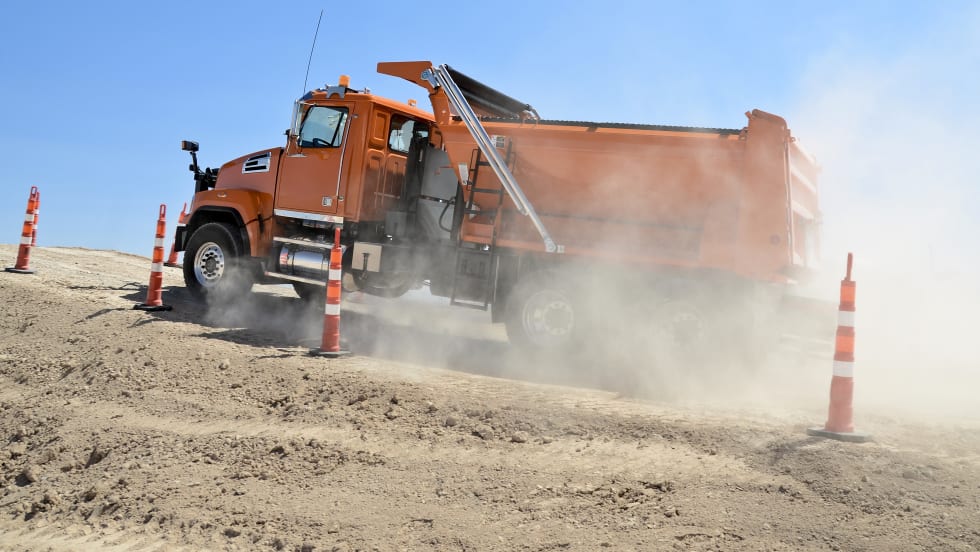
Basic Tracking vs Next Generation Fleet Technology
Fleet software is getting more sophisticated and effective than ever, tying big data models together to transform maintenance, safety, and the value of your existing tech stack. Fleet technology upgrades are undoubtedly an investment, but updated technology can offer a much higher return. Read how upgrading your fleet technology can increase the return on your investment.
Read More →
It’s here: The 2026 Fleet Technology Trends Report
What does AI mean for fleets? Get the answer — and learn other top tech trends.
Read More →
Small Fleets, Big Impact: How Independent Drivers Power Wreaths Across America
Check out how small fleets and independent drivers power Wreaths Across America each December and why their impact matters more than ever.
Read More →
VMS Survey Finds 65% of Small Fleet Managers Run Operations Alone
A new VMS survey shows small fleet managers are stretched thin, with most handling operations solo and eager to adopt digital tools for relief.
Read More →
Tips for Driving Safely on Halloween Night
This video features a reminder from the Connecticut Department of Transportation (DOT) and the Connecticut Police Chiefs Association, urging drivers to prioritize safety this Halloween.
Read More →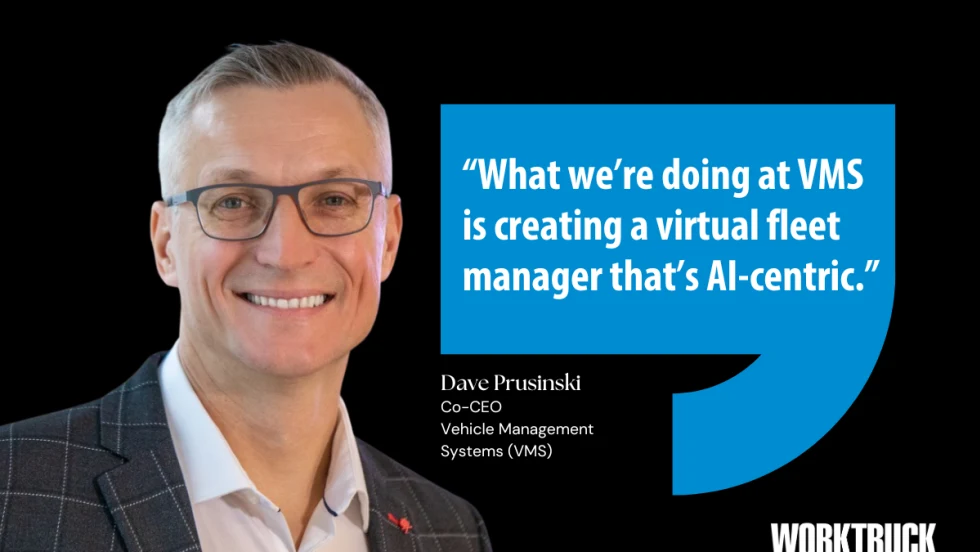
AI, Access, and Uptime: VMS’s Next Chapter with David Prusinski
VMS’s new Co-CEO, David Prusinski, shares how an AI-first approach will give small fleets and repair shops the tools to compete like big players.
Read More →