


 MENU
MENU SEARCHMENUSEARCH
As the light-truck market evolves, manufacturers are evolving with it. Here is a look at some of what Chevrolet is doing to keep up with and ahead of the market.
Read More →
The high cost of fuel was the key reason for increased operating expenses. The spike in fuel prices also contributed to the higher cost of replacement tires and, indirectly, to higher maintenance expenses.
Read More →
With more than 25 different transmissions and more than 15 different engine options available, how can you select the right combination for your medium-duty trucks? Here are some guidelines to help.
Read More →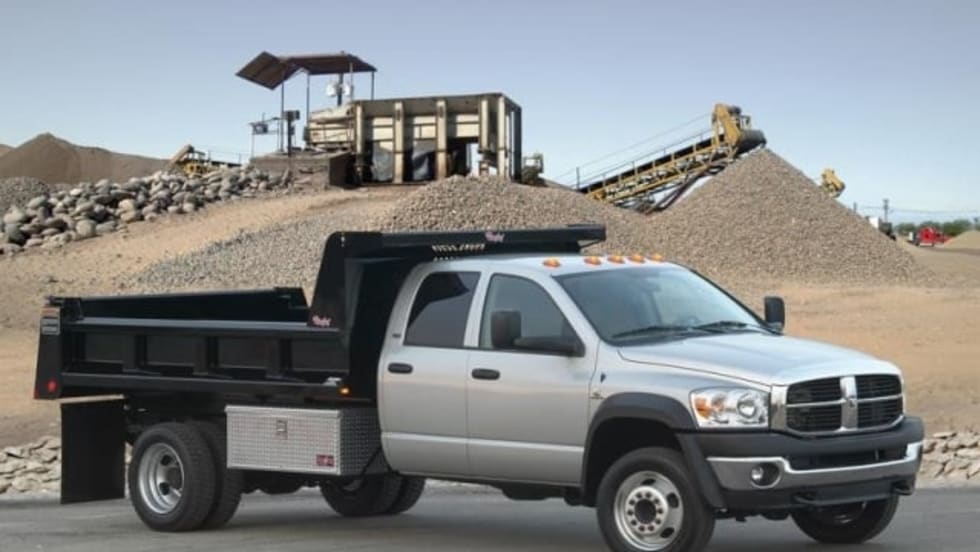
Dodge expands its commercial presence with the launch of the all-new 2008 Dodge Ram 4500 and 5500 Chassis Cabs.The new cabs are targeted at small business and trade fleet customers, and traditional chassis cab users.
Read More →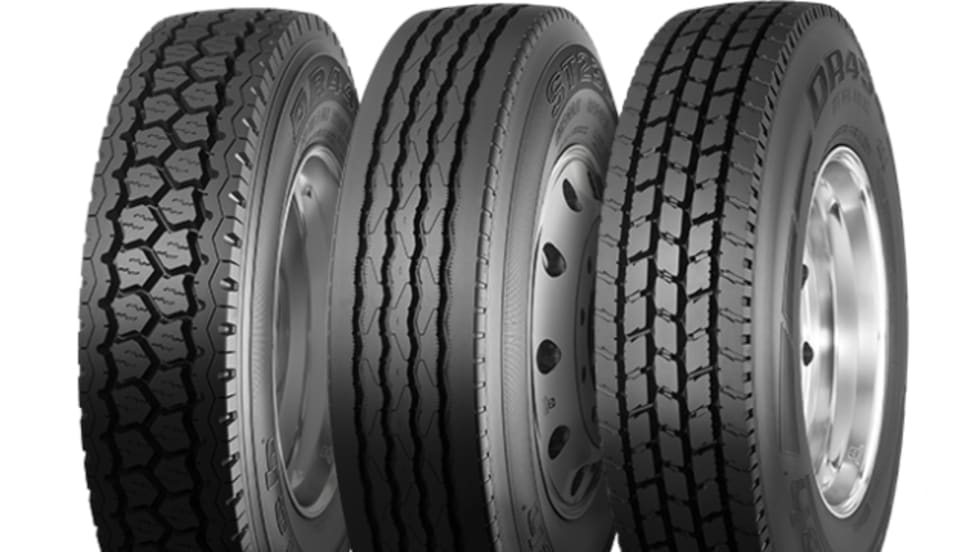
One simple and immediate way for truck fleets to save money at the pump is to keep their tires properly inflated. By maintaining the proper inflation pressure for a given tire size and load, tires also last longer and are safer.
Read More →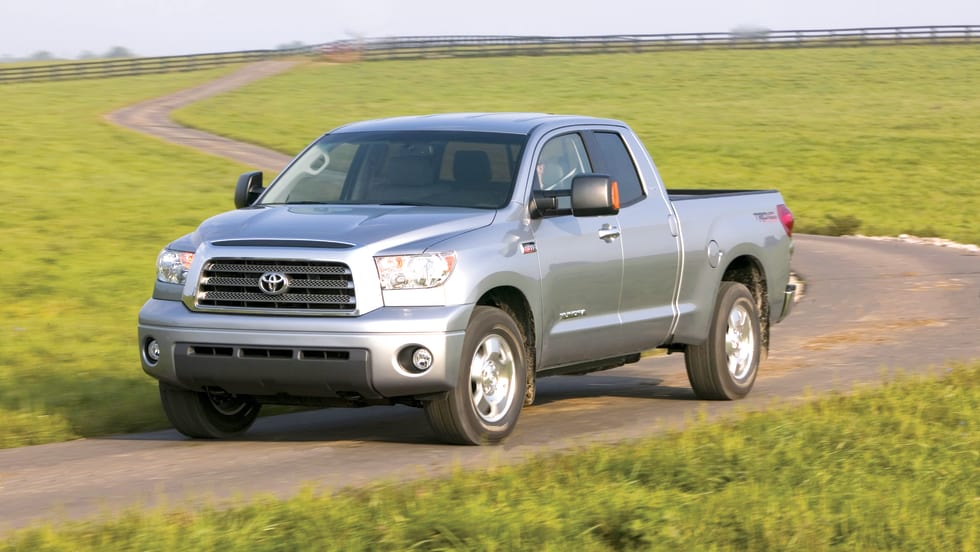
Offered in 31 model configurations, the all-new next-generation Toyota Tundra full-size pickup borrows some sporty styling cues from the FTX Concept while maintaining its uncompromising resilience.
Read More →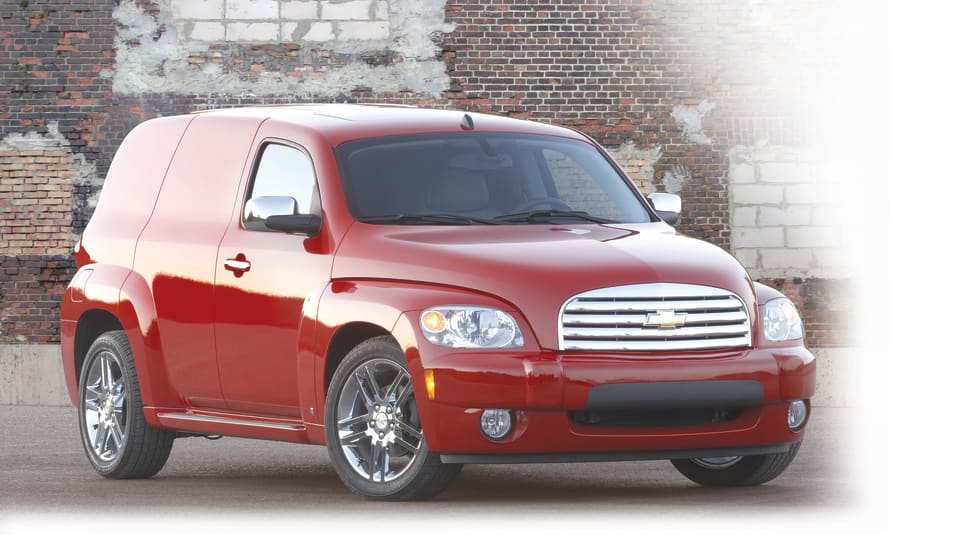
With customer input, the new HHR model is built with commercial fleet applications in mind, featuring good fuel economy, ample cargo space, maneuverability, and a host of customizable options.
Read More →
The use of telematics technologies in fleets is expanding rapidly. Currently, more than 2.5 million units are in service with the market expected to expand to 5.8 million units by 2009.
Read More →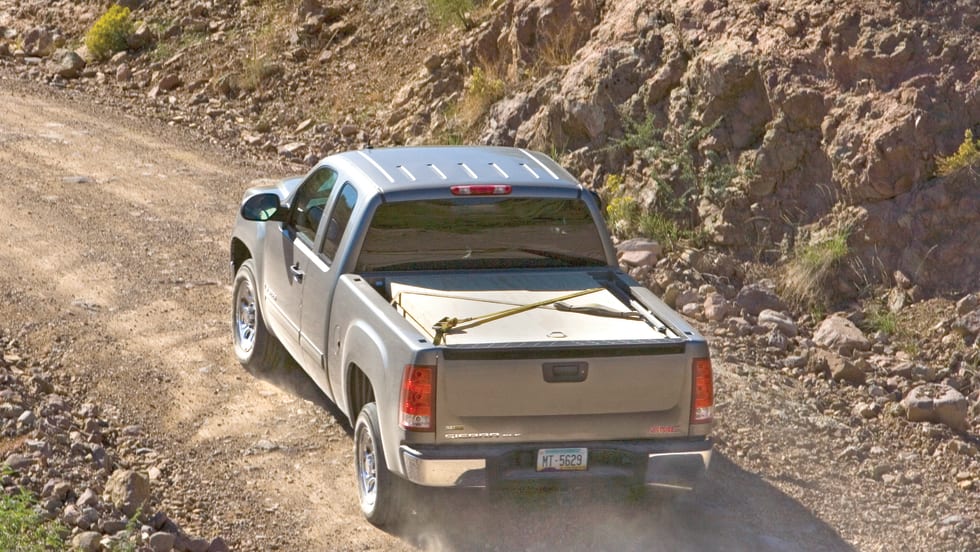
On primitive Arizona roads and the GM Proving Grounds, the new 2007 Chevrolet Silverado and GMC Sierra pickups demonstrated their durability, strength, comfort, and fleet-friendly features.
Read More →
The lifecycle cost experts at Vincentric help put a price tag on greening your fleet.
Read More →