




Work Truck Maintenance Trends & Technology
Representing work truck fleets of all sizes around the U.S., fleet managers share funding and outsourcing processes.

Most truck fleets surveyed still purchase their trucks as their main way of funding, with a small change for all fleet sizes. Lease-only is still the least popular option, growing slightly in popularity for mid-sized fleets.
Source: Work Truck magazine
Truck fleet managers have a daunting job. They are responsible for selecting the right trucks for the job, ensuring the trucks are properly maintained, and selling them for the best price at the end of their fleet useful life, among hundreds of other fleet-related tasks.
Likely one of the most important tasks a fleet manager must handle is vehicle maintenance. A truck that isn’t working can’t accomplish its job; it’s a simple fact.
But, when it comes to truck maintenance, not one solution will work for every fleet. Where some fleets swear by ensuring all maintenance is kept in-house, others have found the benefits of outsourcing this job, while others find a balance.
Work Truck magazine surveyed our readership, including all truck fleet sizes and vocational fleet types, to find out more about what maintenance needs are outsourced, why, and some of the challenges today’s truck fleets face.
Truck Funding & Maintenance
On average, most tuck fleets surveyed in 2020 reported that they mainly purchase their trucks, with the percentage increasing for fleets under 200 vehicles and fleets with more than 1,000 vehicles.
Mid-size fleets saw a moderate increase in lease-only or a combo approach to leasing and purchasing trucks.
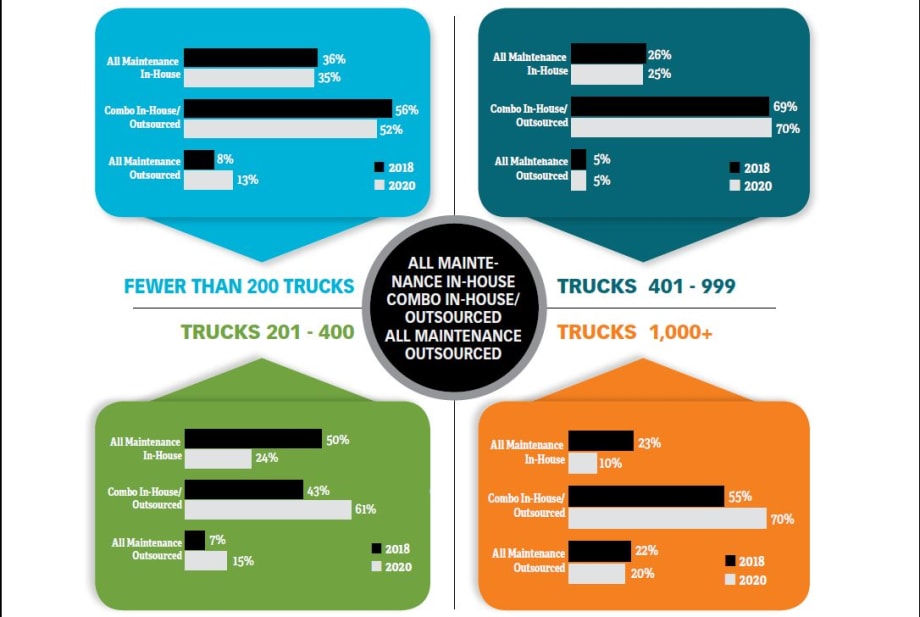
For maintenance, a combination approach is still preferred by fleets of all sizes. Smaller fleets, under 200 vehicles, noted a small increase in outsourcing all maintenance needs but still prefer to perform most maintenance in-house. Larger fleets reported using more of a combination approach in 2020 when compared with the 2018 study.
Outsourcing Maintenance Needs
For truck fleets that do outsource any portion of their truck maintenance requirements, the majority of fleets across all fleet sizes lean on local providers for their outsourced maintenance needs.
The use of a fleet management company for outsourced maintenance decreased in all fleet sizes in 2020 compared with 2018. Additionally, far fewer fleets reported using a network of nationwide garages in comparison with 2018 numbers.
When looking at what maintenance needs fleets are outsourcing, bodywork still tops the list for all fleet sizes as a top outsourced maintenance need, closely tied with transmission repairs.
Larger fleets lean more on outsourced providers for tire maintenance, and fewer fleets are outsourcing routine maintenance authorizations in 2020 when compared with 2018.
New for 2020, fleets were asked whether they outsource upfitting related needs. Here you can see evidence of automakers working to create more upfit-friendly units and upfitters working to create more “plug-and-play” options, with, on average, only about a third of fleets of any size outsourcing upfitting-related maintenance.
One area impacting when and what fleets may outsource is cost.
“We are seeing an increase in parts and labor costs at all levels of our supplier’s support. More companies looking for us to outsource all our work to them, but at such a high cost, it does not make sense to even look at it,” said one truck fleet manager survey respondent.
Another factor in making the in-house/outsource decision is speed.
“We only outsource our breakdowns on the road if someone can get to our truck faster than we can. We have tires that fail on the road that are fixed by someone else if it is faster for someone else to get the unit back up and running. I can diagnose and, a lot of times, fix a truck remotely with my laptop computer. All our repairs are made in house or at one of our satellite locations,” explained a truck fleet manager survey respondent.
Mobile repair is growing in popularity, with 31% of survey respondents noting that they utilized a mobile repair service for some maintenance needs. But, while one fleet manager noted the benefits, they also shared some advice: “Mobile companies charge more and are more convenient, but they tend to try and add on a lot of additional items that do not need to be completed to bump up the bill. No different than any other garage and or dealership but something that needs to be looked at carefully before approving repairs to be complete with these mobile companies,” the survey respondent shared.
Vehicle Impact on Maintenance
It’s been said before: there is no one-size-fits-all approach for anything related to fleet. And, not every vehicle is created equally.
Vocational truck fleets have several reasons for their selection of vehicle powertrain. For those that operate both diesel- and gasoline-powered vehicles, 75% of survey respondents in 2020 noted that they experienced lower maintenance costs with a gasoline powertrain, up 5% compared to 2018.
Looking at downtime, truck size has an obvious impact with heavy-duty (Class 7-8) trucks averaging approximately seven hours more downtime per occurrence compared with a light-duty (Class 1-2) model.
Source: Work Truck magazine
Fleet Manager Satisfaction
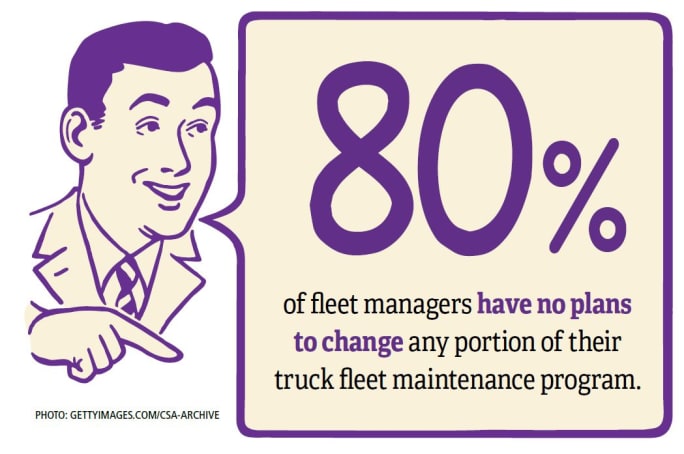
Overall, fleet managers are satisfied with their current maintenance programs, with 80% of survey respondents noting that they had no plans to change any portion of their program. This is down 3% from the prior year, however.
Several survey respondents noted “legacy systems” that had been in place long before they were hired.
“Our [maintenance program] was in place when I assumed the responsibilities. Since then, we added fleet management software programs and diagnostic computers in our shops. We also expanded our oil sampling methods, and are 90% with onboard live, kidney loop oil filtration,” one fleet manager survey respondent shared.
Another area of concern noted by several fleet manager survey respondents was the lack of qualified technicians, especially with the growth of alternative-fuel vehicles.
“As the manager of a municipal fleet and repair garage, I am most deeply concerned about the shortage of qualified (or even interested) mechanics in the industry,” one respondent said.
Another fleet manager added, “Everyone in the industry is facing the same challenge: finding and retaining high-quality maintenance personal. Our current workforce is in one of three categories: (1) is very young and want to be earning higher wages above their ability; (2) can’t pass a drug or background screen; or (3) really don’t have the ability to comprehend the qualitative skills to be good or great technicians.”
Survey results clearly show that fleet managers are not worried about fleet being eliminated for a reimbursement plan. Changes in regulations are also huge in the work truck industry, and most fleet managers feel pretty confident in understanding the changes in regulations that may impact their fleets.
Technology & Truck Fleet Maintenance
While technology is providing many advances for today’s truck fleet manager, it also comes with its own share of challenges.
“One challenge is keeping up with all of the technology changes in our fleet. Training staff is taking more time away from servicing the equipment, but it is necessary to keep them up to date to keep costs down,” one fleet manager shared.
Another fleet manager respondent also noted technology-based maintenance issues and delays.
“Technology is outpacing training even the dealers can’t turn these trucks around quickly. With a diverse fleet it’s almost impossible to have enough or the correct diagnostic equipment to make repairs efficiently. There’s no common language and reliability is suffering,” the survey respondent shared.
At the end of the day, technology is driving change in just about every aspect of fleet, and maintenance is no exception.
“We have made adjustments to our processed based on changes in corporate needs, available technician resources, and changes in truck technology,” explained one truck fleet manager.
Finally, one fleet manager noted some positive news:
“The current atmosphere seems to be turning to more safety-related issues, which are great! Nobody wants to drive or maintain old fleets, and finances don’t support recent future changes or resolutions,” the survey respondent noted.
More Maintenance
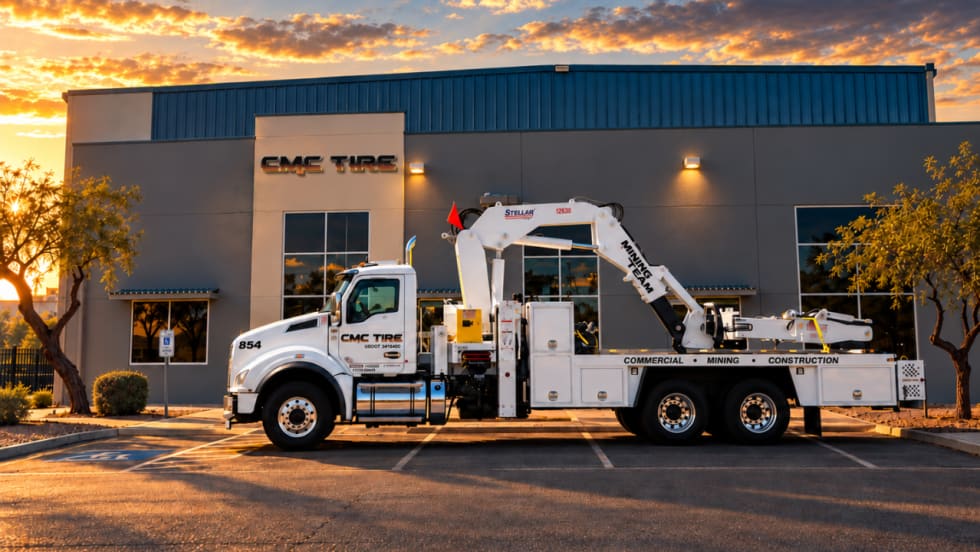
Les Schwab Expands Commercial Tire Footprint Into Arizona
Les Schwab Tires has expanded into Arizona with two commercial tire locations in Phoenix and Tucson, strengthening its fleet service footprint in the Southwest.
Read More →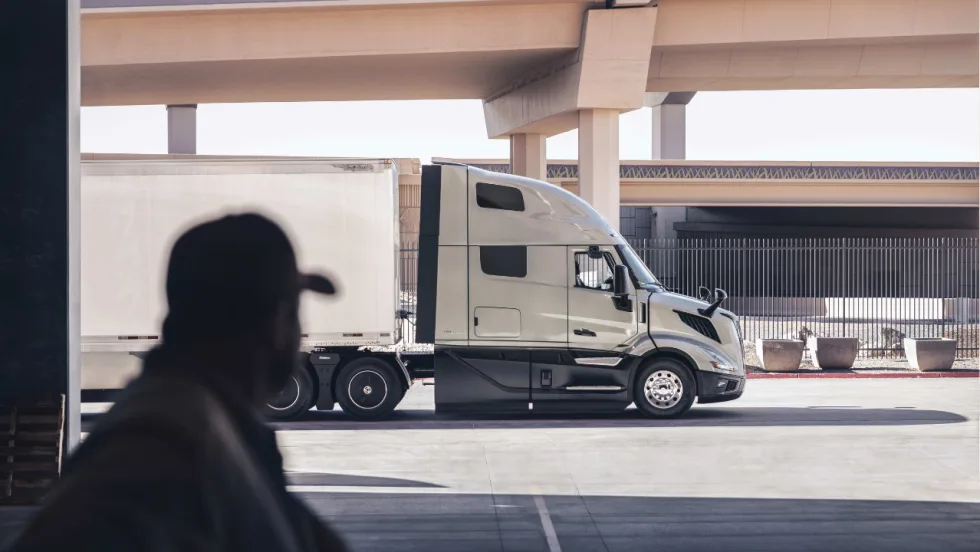
Volvo Trucks’ 'Lock and Leave' Software Updates Go Live Across North America
Unattended over-the-air software updates are now available in Volvo trucks across the U.S. and Canada. The new capability lets trucks stay current with the latest software without interrupting operations or requiring a dealership visit.
Read More →
Why Technician Appreciation Can’t Be a Once-a-Year Thought
For fleets trying to keep skilled technicians, recognition cannot begin and end with Technician Appreciation Week. Learn what year-round appreciation really looks like and why the everyday technician experience matters just as much as pay when fleets are trying to keep good people.
Read More →
How Faster Driver Reporting Can Keep Small Truck Problems Small
When minor damage, warning lights, or equipment issues are reported late, small problems can quickly become bigger maintenance headaches. Conversational AI can help shorten the path from what a driver notices in the field to the person who can act on it.
Read More →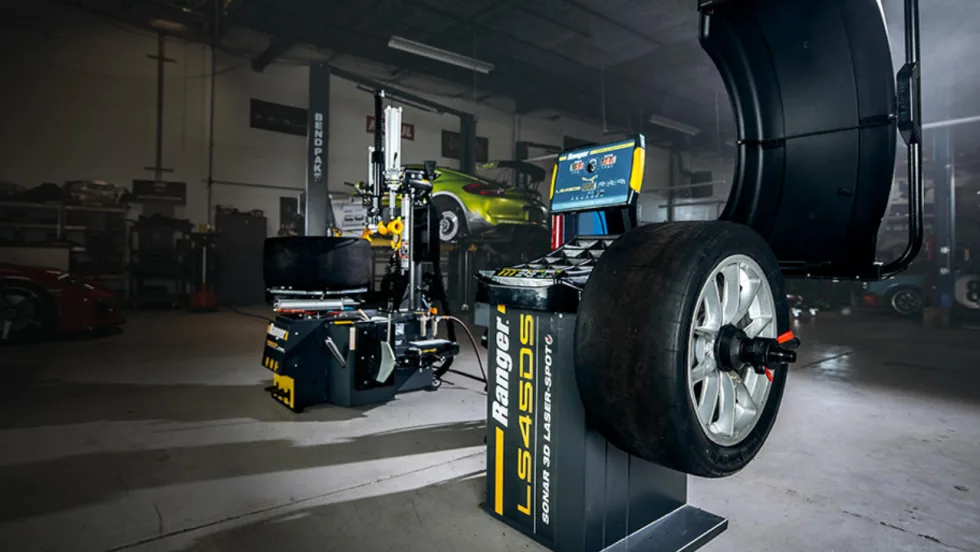
BendPak’s Ranger Wheel Service Equipment Achieves North American Safety Certification
BendPak’s full line of Ranger tire changers and wheel balancers has been ETL certified to UL and CSA standards to improve operator safety.
Read More →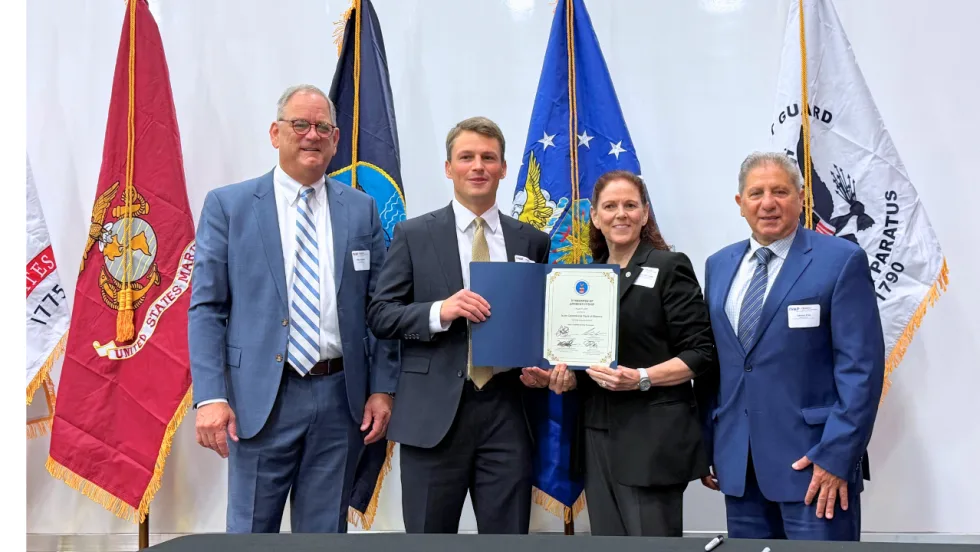
Isuzu & U.S. Department of Labor Celebrate Milestone for Veterans Apprenticeship Program
The Isuzu Veterans Apprenticeship Program (IVAP) signing ceremony highlighted Isuzu’s long-term commitment to veterans, Isuzu dealers, and the skilled workforce supporting its customers and the commercial transportation industry.
Read More →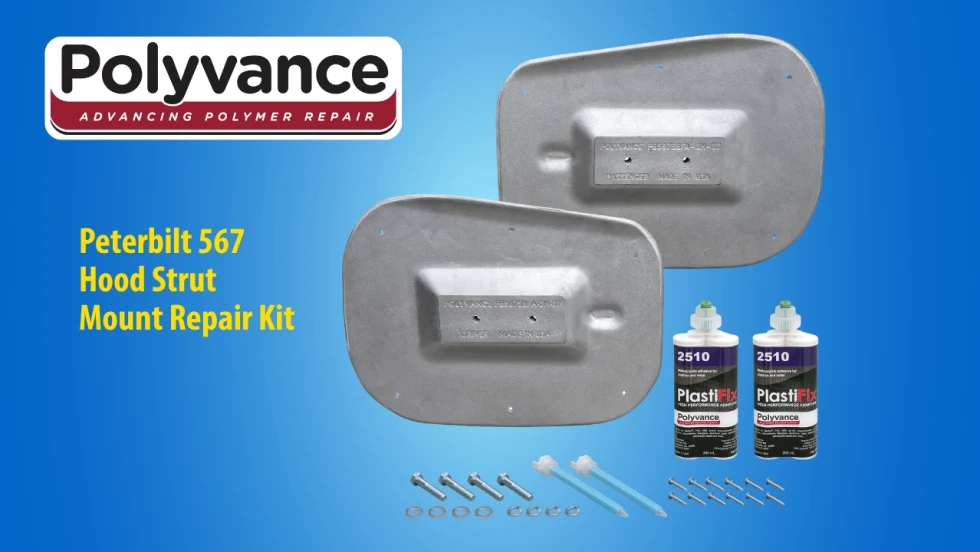
Polyvance Introduces New Peterbilt 567 Hood Strut Mount Repair Kit
Polyvance has launched a repair solution for Peterbilt 567 hood struts, helping truck owners and repair facilities avoid costly hood replacements.
Read More →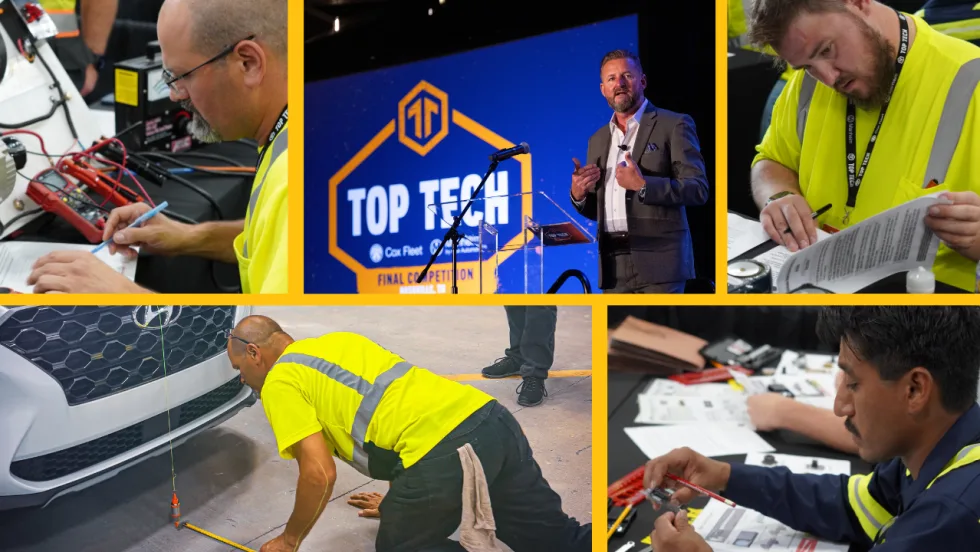
Cox Automotive Celebrates Technical Excellence at 2026 Top Tech Finals
The top technicians from Cox Fleet and Manheim tested their skills in Nashville, Tennessee, at Cox Automotive’s 2026 Top Tech Finals. The overall winners will advance to compete at the American Trucking Association’s TMC SuperTech competition.
Read More →
Grote Industries Appoints Vice President of North American Operations
Grote Industries has appointed Patrick Smith as vice president of North American operations as it celebrates 125 years of innovation and manufacturing excellence. He has more than 20 years of manufacturing leadership experience.
Read More →
Winter Fleet Prep: Expert Tips to Keep Vehicles Running Smoothly
Cold weather can expose weak batteries, tires, fuel systems, and maintenance gaps fast. Use this winter fleet checklist to prepare trucks and drivers before temperatures drop.
Read More →