





Dig Deeper: Strategies to Navigate the New Fleet Normal
Why Have Fleet Maintenance Costs Risen So Steeply?
Five factors — vehicle complexity, unscheduled maintenance, parts delays, inflation and labor costs — have contributed to double-digit price increases.
March 6, 2023
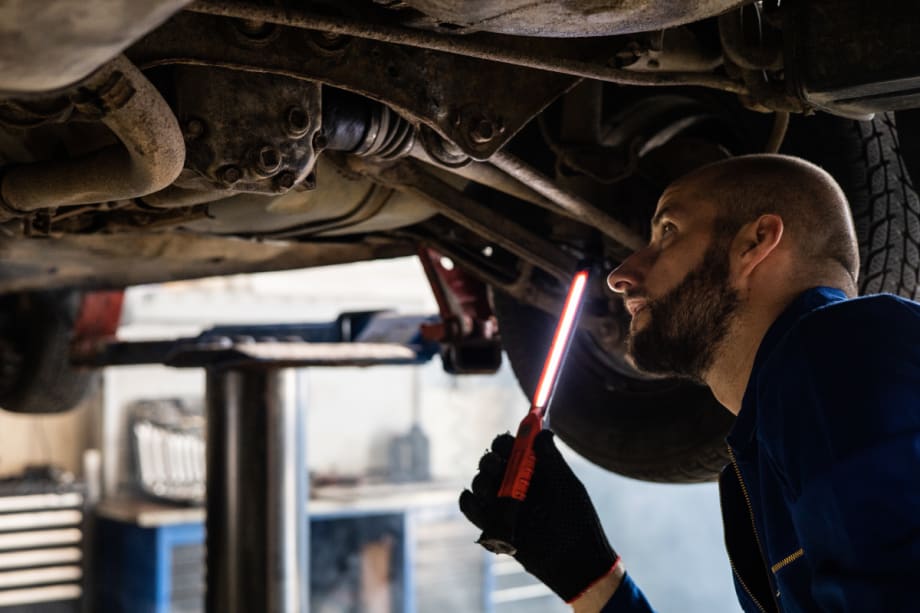
An interplay of industry and market factors present sobering challenges to contain fleet maintenance costs.
Photo: Artem Podrez
5 min to read
As fleet industry professionals are painfully aware, maintenance costs have risen substantially, in some cases as much as double-digit percentage increases. In the dynamics of today’s fleet maintenance market, five factors contribute to those elevated costs.
1. Increased Vehicle Complexity
One reason that doesn’t get much attention is vehicle complexity.
While most of the upward pressure on maintenance costs can be attributed to today’s inflationary pressures and supply constraints, another key contributing factor is the increased complexity of today’s vehicle, a complexity that promises to grow even more in future model-years.
A consequence of more vehicle complexity is the increase in average maintenance transaction costs industrywide.
One factor — but not the sole factor — pushing up average transaction fees is the escalating volume of vehicle diagnostics fees, increased labor hours to identify intermittent issues, and recalibration expenses for fleet vehicles equipped with crash avoidance technologies, such as:
Forward collision warning
Automatic emergency braking
Lane-keeping assistance
Blind spot detection
2. Increase in Unscheduled Maintenance
The biggest factor impacting today’s higher maintenance expenses has been the uptick in unscheduled maintenance repairs. Vehicles have been operating beyond their scheduled service lives, due to the difficulty in sourcing replacement vehicles.
These higher-mileage fleet vehicles, in service operating beyond their scheduled replacement parameters, are now experiencing the predictable uptick in unscheduled maintenance.
Here’s what one fleet manager said:
“My fleet has experienced a spike in unscheduled maintenance expenses because I’ve been forced to extend the service lives of my vehicles because it’s difficult to source replacement vehicles."
These unscheduled maintenance costs are up dramatically due to the more expensive repairs for vehicles operating beyond their scheduled replacement dates. Invariably the required repairs for these higher mileage vehicles involve major components.
What is the forecast?
Unfortunately, the frequency of unscheduled maintenance repairs will most likely continue far into calendar-year 2024.
For the past several years, the number of extended service life vehicles on the road continue to outpace the acquisition of new replacement fleet vehicles.
The implications of that reality are worth thinking about.
3. Delays in Getting Replacement Parts
The third reason for higher maintenance costs is the ongoing part shortages. Back-ordered parts are lengthening repair times as vehicles are parked, waiting for components to arrive at a repair facility.
Most fleets report seeing a major increase in downtime for vehicles that cannot be repaired due to the lack of parts. These shortages run the gamut from back orders for replacement fuel tanks to mundane items such as brake pads or oil filters. No rhyme or reason can be determined for why these shortages occur or how long they will last.
Currently, replacement catalytic converters are in extremely short supply due to the nation-wide epidemic of catalytic converter thefts.
The demand for replacement catalytic converters has far exceeded available inventory.
A lucky fleet manager may obtain a replacement catalytic converter in several weeks’ time, still a lengthy period. Increasingly, however, fleets are waiting for three to six months for a replacement catalytic converter, depending on vehicle make and model-year.
One fleet manager summarized the issue:
“Parts availability is a huge issue. The lack of timely receipt of parts is forcing us to use rental vehicles. The delays to putting vehicles back on the road is resulting in downtime for our drivers/employees.”
Another fleet manager quantified the downtime resulting from the increased turnaround time for service:
“The delay in getting replacement parts and the technician shortage has caused our repair times to increase 4X.”
In other words, repair times are taking four times longer today.
One consequence to longer vehicle downtime at a repair facility is a corresponding increase in rental vehicle costs to keep employees in the field.
Some fleet managers indicate vehicle rental expenses is now the fastest-growing line item in their fleet budget.
4. Inflationary Price Pressures
A fourth factor increasing fleet maintenance expenses is inflationary pressures — namely higher labor rates, parts prices, and pass-along costs from increased commodity prices.
One fleet manager summarized the situation from his fleet’s perspective:
“When the increased pricing for parts are added to higher labor rates, we’ve seen our maintenance expense increase by 34%.”
The inflationary pressures felt in the automotive sector are the same inflationary pressures experienced in the broader national macro-economy.
What can the industry anticipate in the future?
Nothing on the horizon indicates this situation will change much in the 2024 calendar year — so expect more of the same.
5. Increased Labor Rates
Growing over the past several years, labor rates continue to rise due to inflationary pressures, driven by the shortage of qualified automotive technicians and the overall inflationary pressures on wages in general.
The problem is not only hiring techs but retaining them since tech employees are often lured away by other companies offering higher compensation programs.
Intense competition for skilled technicians exists among dealerships, public sector fleets operating in-house maintenance facilities, and independent service providers. Each of these groups have unfilled automotive technician positions at their operations and are having difficulty filling these open positions.
The ongoing shortage of automotive repair technicians is a nationwide problem. The prognosis is that the problem will get worse before it gets better, especially as more and more Baby Boomer retire each year: Baby Boomers are the largest demographic segment among automotive technicians.
The technician shortage presents challenges in getting repairs done in a timely manner, regardless of whether the work is in-sourced or outsourced.
One fleet manager describes the current state of today’s fleet maintenance network:
“Shops are crowded; parts are delayed; labor is in short supply, and repair quality is down.”
These factors present a sobering assessment of the challenges impacting today’s fleet maintenance market.
It’s worth remembering: a fleet vehicle is a revenue-generating asset. If it is not on the road, a company is not making money.
Originally posted on Automotive Fleet
Subscribe to Our Newsletter
More Small Fleet


Developing Budget-Friendly Driver Safety Programs
From driver training and safety meetings to one-on-one coaching and incentive programs, several small fleets share how they have developed a safety culture with their drivers using low- to no-cost resources.
Read More →
Sponsored•March 9, 2026
Boosting Last-Mile Fleet Uptime, Safety, and Value with AI Vehicle Inspections
AI-powered inspections are transforming last-mile fleets by replacing manual checks with highly accurate automated scans that detect defects in seconds. By giving fleet operations visibility into the daily condition of their vehicles, you can identify trends over the vehicle’s lifecycle that enable improved procurement decisions, route management, driver training and accountability.
Read More →
Five Ways Seat Belts Help Prevent Injuries
There are five ways seat belts protect occupants from injuries, according to the Tennessee Department of Safety and Homeland Security.
Read More →
Sponsored•January 14, 2026
It’s here: The 2026 Fleet Technology Trends Report
What does AI mean for fleets? Get the answer — and learn other top tech trends.
Read More →
Small Fleets, Big Impact: How Independent Drivers Power Wreaths Across America
Check out how small fleets and independent drivers power Wreaths Across America each December and why their impact matters more than ever.
Read More →
VMS Survey Finds 65% of Small Fleet Managers Run Operations Alone
A new VMS survey shows small fleet managers are stretched thin, with most handling operations solo and eager to adopt digital tools for relief.
Read More →
Tips for Driving Safely on Halloween Night
This video features a reminder from the Connecticut Department of Transportation (DOT) and the Connecticut Police Chiefs Association, urging drivers to prioritize safety this Halloween.
Read More →
AI, Access, and Uptime: VMS’s Next Chapter with David Prusinski
VMS’s new Co-CEO, David Prusinski, shares how an AI-first approach will give small fleets and repair shops the tools to compete like big players.
Read More →
Fleet Managers Share Winter Prep Tips: It's Never Too Early!
Three fleets share best practices to prep vehicles for winter and prevent downtime when the cold sets in.
Read More →