




Related: Aerial Work Platforms One of Safest Ways to Work at Height
Why Aerial Work Platform Inspections Matter
Although tedious, aerial work platform inspections can keep businesses compliant, equipment in service, maintenance costs in check, and workers safe on the job.
by Cara Eccleston
May 19, 2017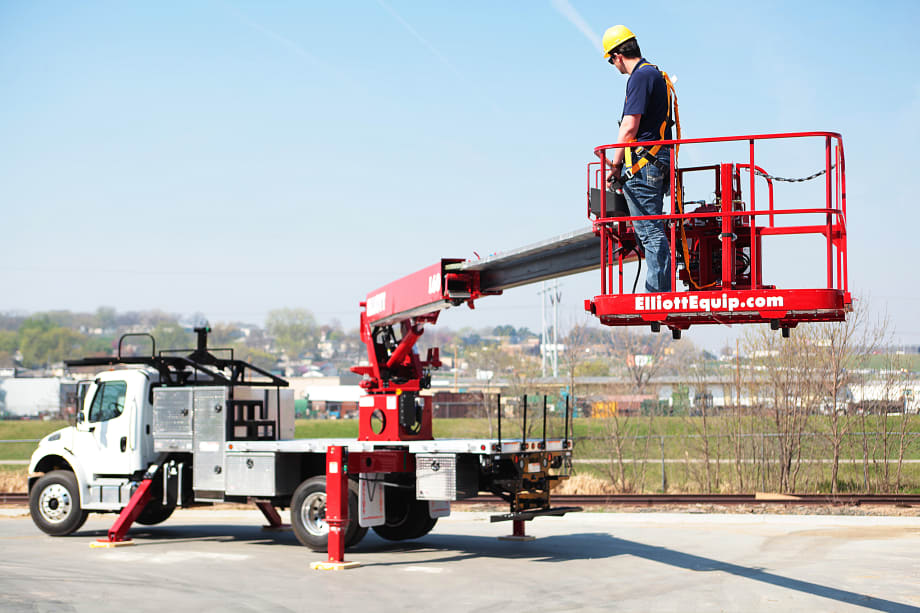
Photo courtesy of Elliott Equipment Company
3 min to read
[EMPTY CREDIT]
Aerial work platform inspections might not be exciting, but these routine tasks collect critical information that helps operators, mechanics, and fleet managers keep equipment in service and ensure jobs are completed safely.
Daily, weekly, monthly, and annual inspections act together to ensure all components of an aerial work platform are in working order while also providing peace of mind to owners whose businesses depend on these important assets.
Annual Inspections
Among the criteria set for aerial work platforms by the American National Standards Institute (ANSI) is the mandatory annual inspection of these units. Only experienced mechanics can perform these wide-ranging inspections, which cover structural components such as outriggers, booms, turrets, and substructures as well as safety items like decal legibility and placement. Authorized equipment distributors often provide inspection services.
Annual inspection records must be retained for five years. If you’re considering purchasing an aerial work platform, it’s wise to also research the unit’s annual inspection history.
Be sure to consider the safe storage of inspection records. In the event of an accident, authorities including the Occupational Safety and Health Administration (OSHA) will seek these inspection records and may levy penalties if the records cannot be located.
For additional safety tips and more information on ANSI standards affecting aerial work platforms, refer to this OSHA A92.2 fact sheet.
Periodic Aerial Work Platform Inspections
Aerial work platform manufacturers typically provide logbooks for daily, weekly, and monthly inspections.
Daily logs cover items such as engine and hydraulic oil levels, parking brakes, lights, safety features, boom and turret function, and platform controls. Weekly logs assess items like battery function, winch brake operation, and pump, PTO, and driveline function. Monthly logs include assessing cylinders and valves, checking the machine’s welds and pins, placement of control, safety and capacity placards, and assessing boom wear pad fasteners and rollers.
The logs also include space for mechanics to document problems, prescribe solutions, and record repairs. An advantage to keeping diligent daily, weekly, and monthly logs is that the logs make for a great reference tool during the preparation for and completion of a required annual inspection.
Be Proactive
Because these logbooks combine to cover a wide range of data points over time, the diligence pays off in many ways:
Constant logging allows operators to become more familiar with the safe operation and maintenance of their equipment.Routine daily and weekly checks of equipment lets mechanics “see around corners” by identifying possible problems before they become serious issues.Identifying and promptly resolving issues based on periodic log entries increases the probability that equipment will sail through annual inspections with no trouble.This process is not only required by ANSI, but also helps to minimize risks inherent in aerial lift operation.
Making inspections a routine part of your fleet maintenance program is critical to keeping aerial work platforms in productive service, limiting repair and replacement costs, and reducing the risk of failures that can cause serious property damage or personal injury.
Don’t put your assets or workers at risk. Take the time to perform these critical inspections.
Editor’s Note: Cara Eccleston is Marketing Coordinator at Elliott Equipment Company. This article was originally published on the Elliott Equipment Company learning center.
Subscribe to Our Newsletter
More Utility Fleet
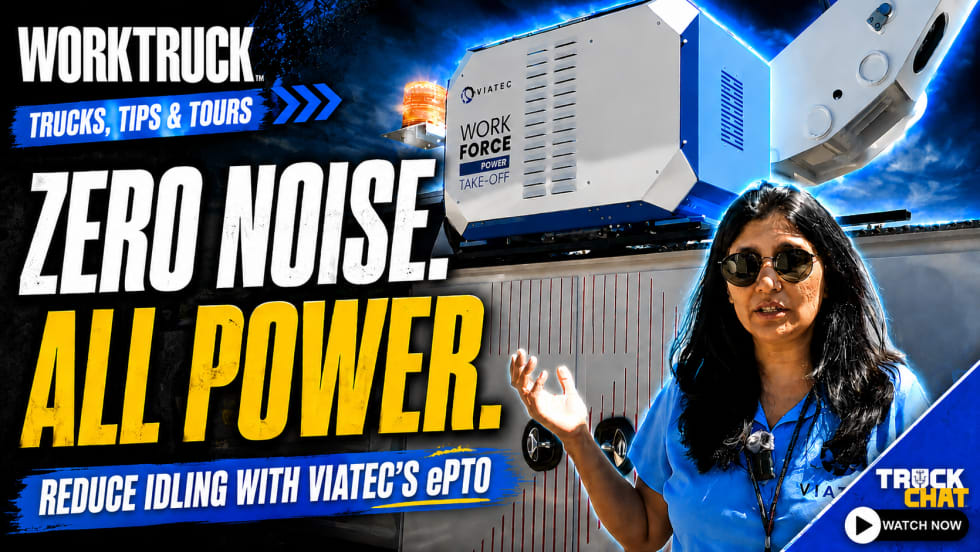
Reduce Noise & Idling with Viatec’s ePTO
Viatec's Workforce ePTO lets utility trucks power booms, outriggers, and auxiliary equipment using battery power instead of idling the engine. Learn how this technology helps reduce fuel use, noise, engine wear, and emissions while improving operator comfort.
Read More →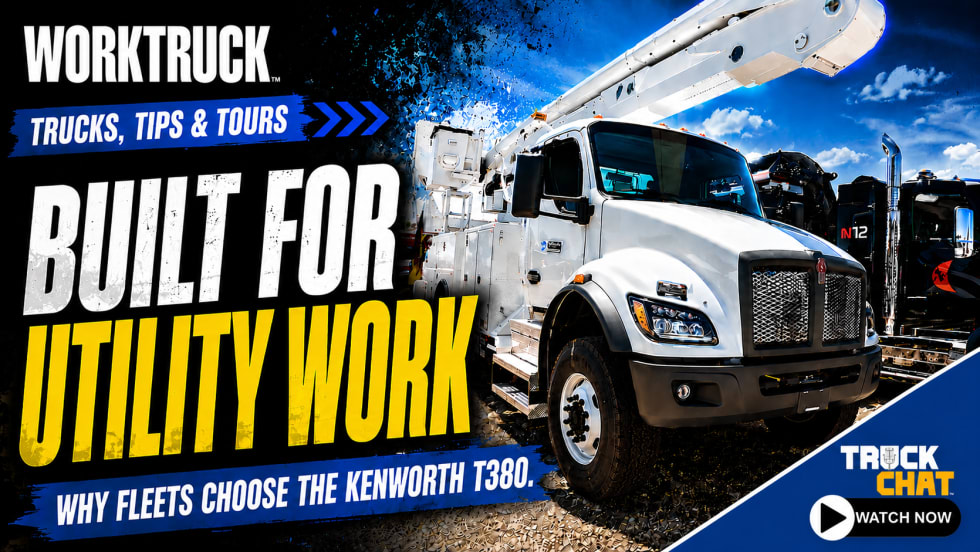
Why Utility Fleets Choose the Kenworth T380
The Kenworth T380 is engineered for utility fleets with custom chassis layouts, optimized frame rails, 4x4 capability, and improved driver visibility. See how its design helps maximize upfit flexibility and field performance.
Read More →
PALFINGER PB 38 AT P: Purpose-Built for Telecom Fleets
Purpose-built for telecommunications crews, the PALFINGER PB 38 ATP combines a 43-foot working height, flexible basket stowage, integrated cameras, and operator communication systems to improve productivity and safety during fiber and overhead cable installation.
Read More →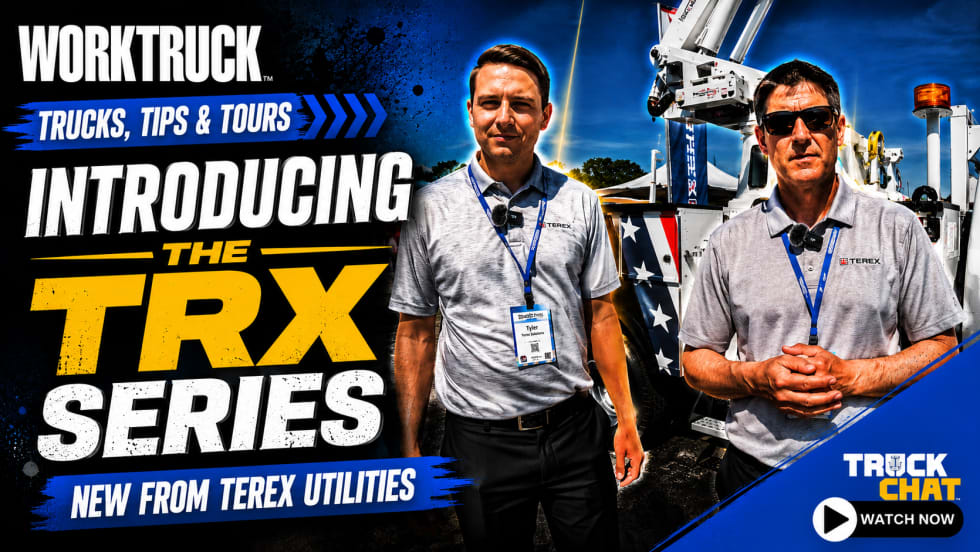
Inside Terex Utilities' Latest Work Truck Innovations
Terex Utilities is advancing utility fleet operations with its new TRX aerial platforms, Flex Pro controls, and AI-powered 3rd Eye safety technology. See how these innovations are helping fleets work safer, smarter, and more productively.
Read More →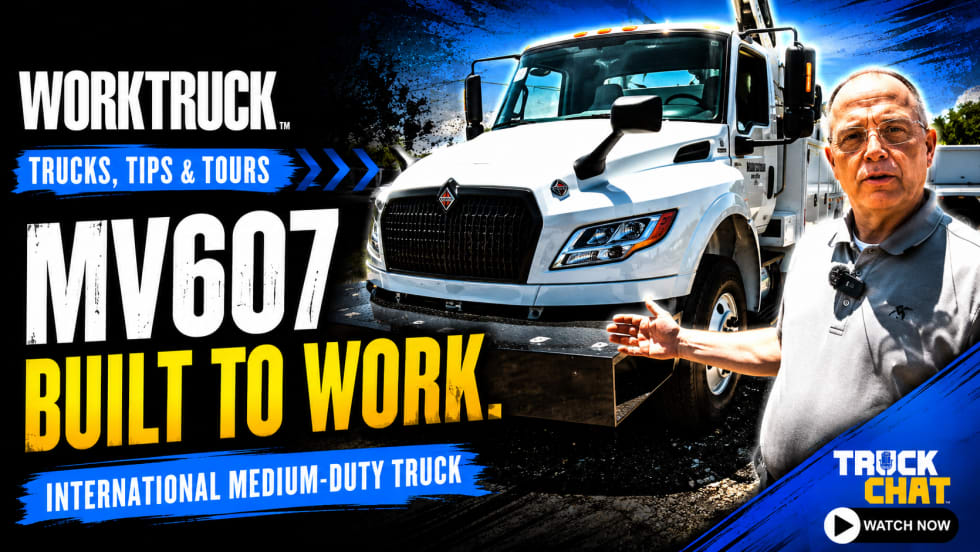
Walkaround of International MV607 Digger Derrick
The International MV607 combines advanced safety technologies, excellent visibility, vocational flexibility, and seamless body integration to create a powerful platform for utility fleet operations. Take a closer look at this Altec digger derrick configuration from EUFMC.
Read More →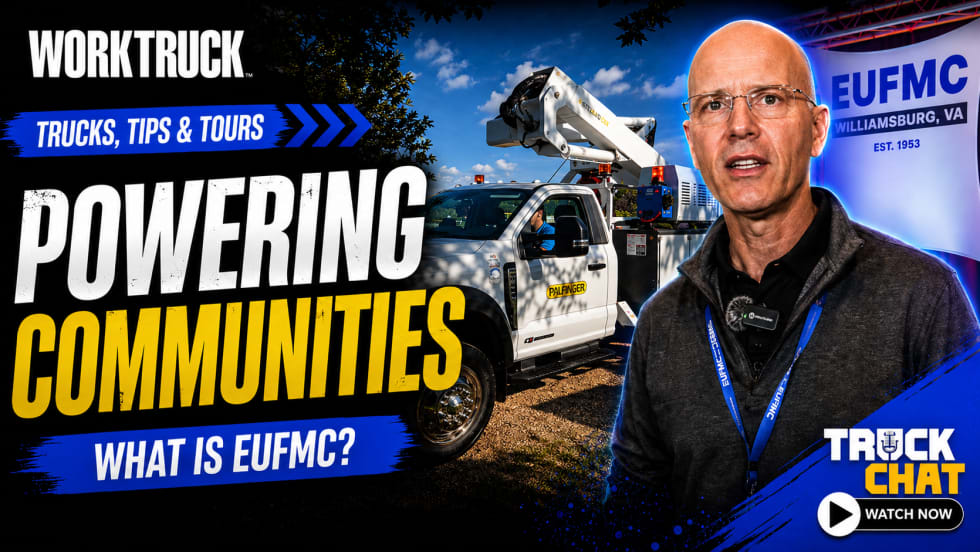
Inside the Electric Utility Fleet Managers Conference
What is EUFMC? For more than seven decades, the Electric Utility Fleet Managers Conference has served as a hub for collaboration, education, and innovation within the utility fleet industry. In this video, Work Truck talks to EUFMC President Greg Loew to learn more.
Read More →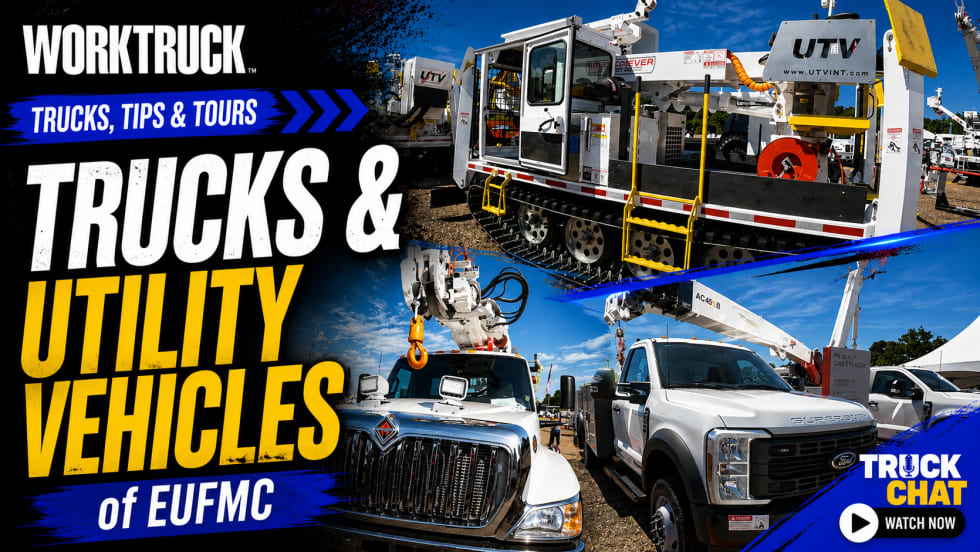
Inside the EUFMC Equipment Expo & Drive-Through
Follow Work Truck as we check out the trucks and other vehicles that were showcased at the Electric Utility Fleet Managers Conference in Williamsburg, Virginia. Whether looking for something on tires or treads, it was there for fleet managers to see.
Read More →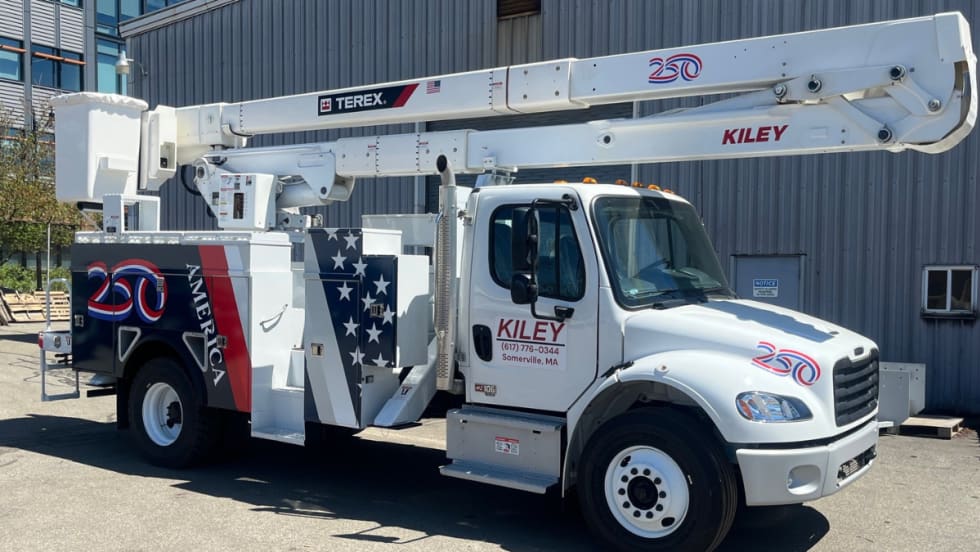
Terex Utilities & Kiley Unveil Custom America 250 Bucket Trucks at EUFMC 2026
Terex Utilities showcased a patriotic spirit in its booth this week during the Electric Utility Fleet Managers Conference in Williamsburg, Virginia, by debuting two custom-wrapped bucket trucks celebrating America’s upcoming 250th anniversary.
Read More →
Panasonic Connect & Anterix Strengthen Connectivity Options for Utilities and Field Workers
The Panasonic Connect Toughbook 56 is the first Toughbook to earn the AnterixActive badge, which means it can connect to and operate on Anterix’s 900 MHz network even in the most remote locations.
Read More →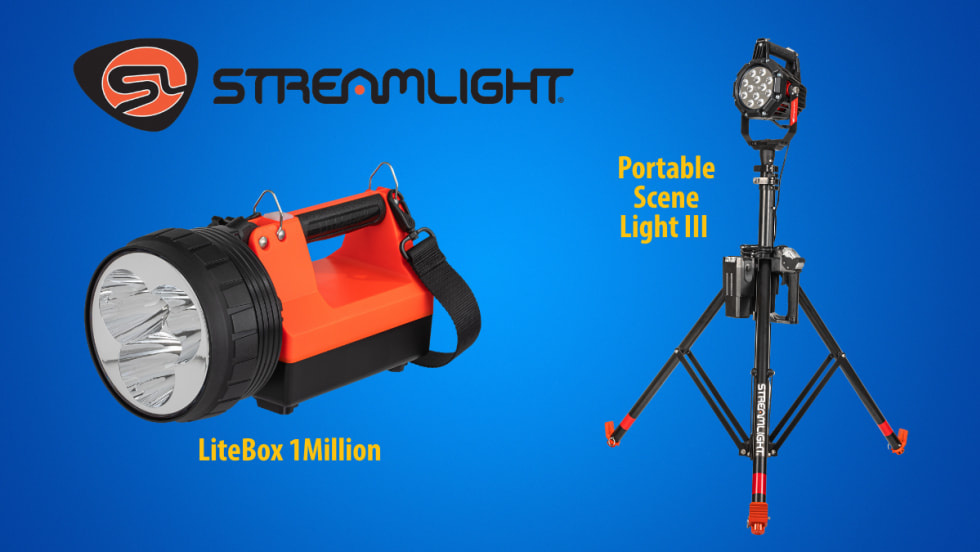
Streamlight Launches Portable Scene Light III & LiteBox 1Million
Streamlight has launched its Portable Scene Light III (PSL III), which delivers up to 10,000 lumens, and the LiteBox 1Million, a long-range search light that delivers one million candela.
Read More →