




What to Look For in Used Oil Analysis
Fleet downtime and associated maintenance costs are a continual pain point for owners and operators, so understandably, they’re always on the lookout for efficiency and productivity gains to improve fleet performance.
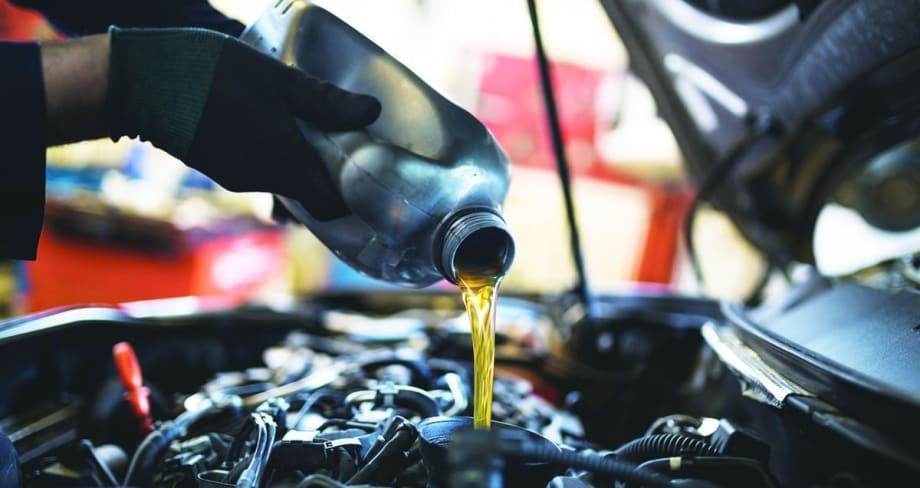
Improper sampling can lead to inaccurate interpretation of the results and potential equipment damage or failure.
Photo: Getty Images
Fleet downtime and associated maintenance costs are a continual pain point for owners and operators, so understandably, they’re always on the lookout for efficiency and productivity gains to improve fleet performance.
An important part of this is reflecting on all contributing factors, such as driver style, idle time, and truck design, as well as proactive measures that should be incorporated into the overall program.
Used oil analysis is a proactive maintenance measure that can highlight and identify the signs of mechanical failure within the engine before it becomes too serious or expensive to repair.
The data from a used oil analysis report can offer operators the potential to extend oil drain intervals (note: extending drain intervals should always be undertaken in conjunction with an oil analysis program), providing another effective method for reducing maintenance costs and increasing fleet time on the road.
The Three-Step Process
There are three simple steps to used oil analysis:
Taking a representative sample – This is a critical step in the process, as improper sampling can lead to inaccurate interpretation of the results and potential equipment damage or failure. A clean, dry container suitable for holding used oil should be used, with a label affixed to it that has the information for the laboratory to put into their database, for example equipment type and miles/hours of operation. Before taking the sample, the sampling point should be clean and a small amount of oil should be flushed to ensure that no foreign contaminants make their way into the bottle.
Sending the sample to a qualified used oil analysis laboratory – Once the sample has been taken, it should be sent as soon as possible to a certified oil analysis laboratory. In some cases, a delay can mean the difference between being able to diagnose and correct a serious condition, and losing a critical piece of equipment due to failure. The laboratory will then test the oil using standard test regimes, providing accurate results and diagnosis in a report.
Interpreting and acting upon the report results – To effectively interpret the results for your equipment it is key to have guidelines on what levels are normal for your type of machine and how it operates, as looking at the trends over time provides more insight than single values.
When working with a specialized oil provider, or technical service advisor, experts will be on hand to provide insightful commentary and highlight significant changes in the report’s findings. As part of this process, they will evaluate the trends that have developed over time and highlight any anomalies along with recommendations for maintenance and if it’s possible to extend oil drain intervals.
Report Reading Tips
It’s also useful for fleet owners and operators to be able to read their used oil analysis report and correctly interpret the data. This can help them familiarize with what is a ‘normal’ reading for their fleets as well as ensure that any required maintenance is organized as quickly as possible before further problems arise.
When first reviewing a used oil analysis report it is important to look at many of the key indicators, like base number (BN), acid number (AN), viscosity, oxidation, fuel soot per cent and fuel dilution per cent as well as wear metals. Also, the presence of glycol or coolant, which would be shown through increases in silicon, potassium and/or sodium, and potentially water, can be the first signs of a failing EGR cooler seal, so would require the immediate attention of a technician or mechanic.
Increases in iron and aluminium can mean that a component within the engine is abnormally coming into contact with another and wearing at an accelerated rate. This could potentially be a failing camshaft, coolant leak attacking the liners or the engine requiring mechanical adjustment, so spotting the signs early could result in significant cost and maintenance savings.
If iron, aluminium, lead, and copper have all increased, the protection of vital engine components may have been compromised, so expert support should be sought to help resolve the issue.
Monitoring the levels of key properties within the engine oil provides fleet owners and operators with the ability to predict issues and schedule maintenance before problems become too expensive or serious to repair. Effectively helping reduce the risk of unplanned downtime and sudden engine failures, used oil analysis and data interpretation can reveal how abnormal metal to metal contact has accelerated and help identify its cause.
About the Author: Ron LeBlanc Sr. works in the technical services of Petro-Canada Lubricants.
More Maintenance
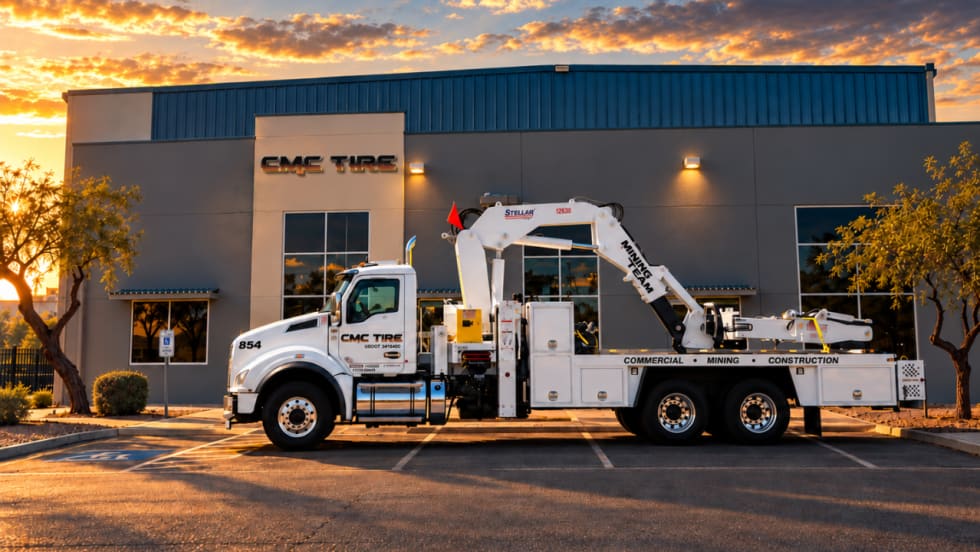
Les Schwab Expands Commercial Tire Footprint Into Arizona
Les Schwab Tires has expanded into Arizona with two commercial tire locations in Phoenix and Tucson, strengthening its fleet service footprint in the Southwest.
Read More →
Volvo Trucks’ 'Lock and Leave' Software Updates Go Live Across North America
Unattended over-the-air software updates are now available in Volvo trucks across the U.S. and Canada. The new capability lets trucks stay current with the latest software without interrupting operations or requiring a dealership visit.
Read More →
Why Technician Appreciation Can’t Be a Once-a-Year Thought
For fleets trying to keep skilled technicians, recognition cannot begin and end with Technician Appreciation Week. Learn what year-round appreciation really looks like and why the everyday technician experience matters just as much as pay when fleets are trying to keep good people.
Read More →
How Faster Driver Reporting Can Keep Small Truck Problems Small
When minor damage, warning lights, or equipment issues are reported late, small problems can quickly become bigger maintenance headaches. Conversational AI can help shorten the path from what a driver notices in the field to the person who can act on it.
Read More →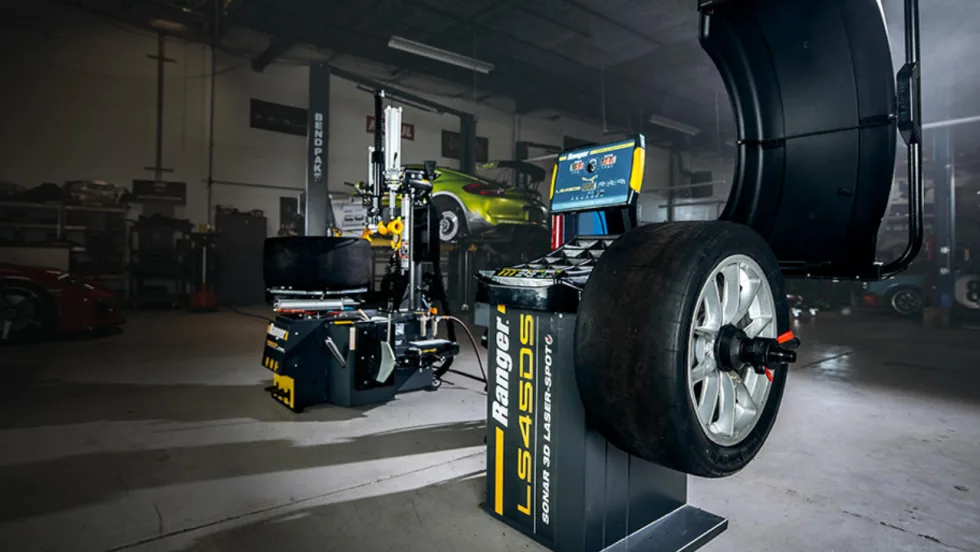
BendPak’s Ranger Wheel Service Equipment Achieves North American Safety Certification
BendPak’s full line of Ranger tire changers and wheel balancers has been ETL certified to UL and CSA standards to improve operator safety.
Read More →
Isuzu & U.S. Department of Labor Celebrate Milestone for Veterans Apprenticeship Program
The Isuzu Veterans Apprenticeship Program (IVAP) signing ceremony highlighted Isuzu’s long-term commitment to veterans, Isuzu dealers, and the skilled workforce supporting its customers and the commercial transportation industry.
Read More →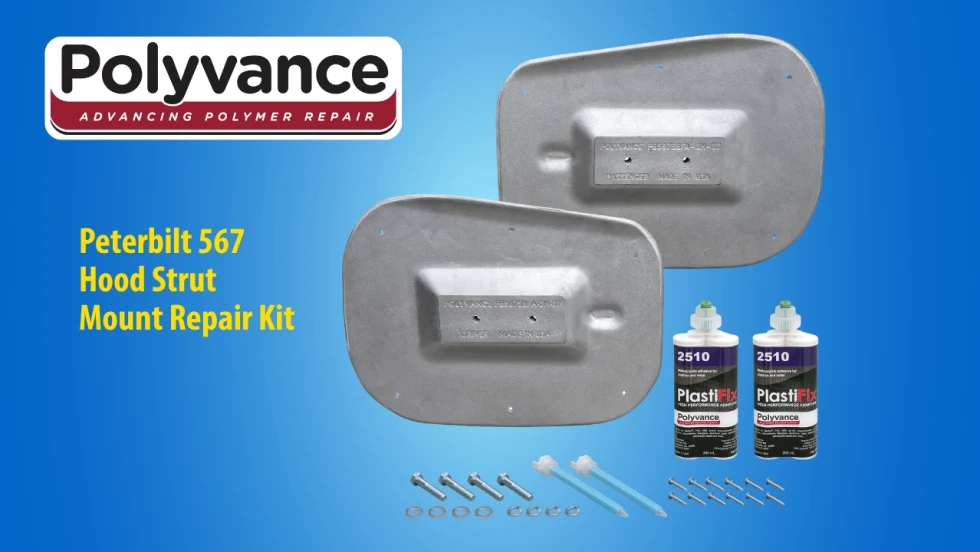
Polyvance Introduces New Peterbilt 567 Hood Strut Mount Repair Kit
Polyvance has launched a repair solution for Peterbilt 567 hood struts, helping truck owners and repair facilities avoid costly hood replacements.
Read More →
Cox Automotive Celebrates Technical Excellence at 2026 Top Tech Finals
The top technicians from Cox Fleet and Manheim tested their skills in Nashville, Tennessee, at Cox Automotive’s 2026 Top Tech Finals. The overall winners will advance to compete at the American Trucking Association’s TMC SuperTech competition.
Read More →
Grote Industries Appoints Vice President of North American Operations
Grote Industries has appointed Patrick Smith as vice president of North American operations as it celebrates 125 years of innovation and manufacturing excellence. He has more than 20 years of manufacturing leadership experience.
Read More →
Winter Fleet Prep: Expert Tips to Keep Vehicles Running Smoothly
Cold weather can expose weak batteries, tires, fuel systems, and maintenance gaps fast. Use this winter fleet checklist to prepare trucks and drivers before temperatures drop.
Read More →