




What are Fleets' Must-Have Vehicle Features?
This health technology company shares the most desired features in its fleet vehicles — from both the fleet manager’s and driver’s perspectives — particularly the Mazda CX-5, a first-time choice for the company.

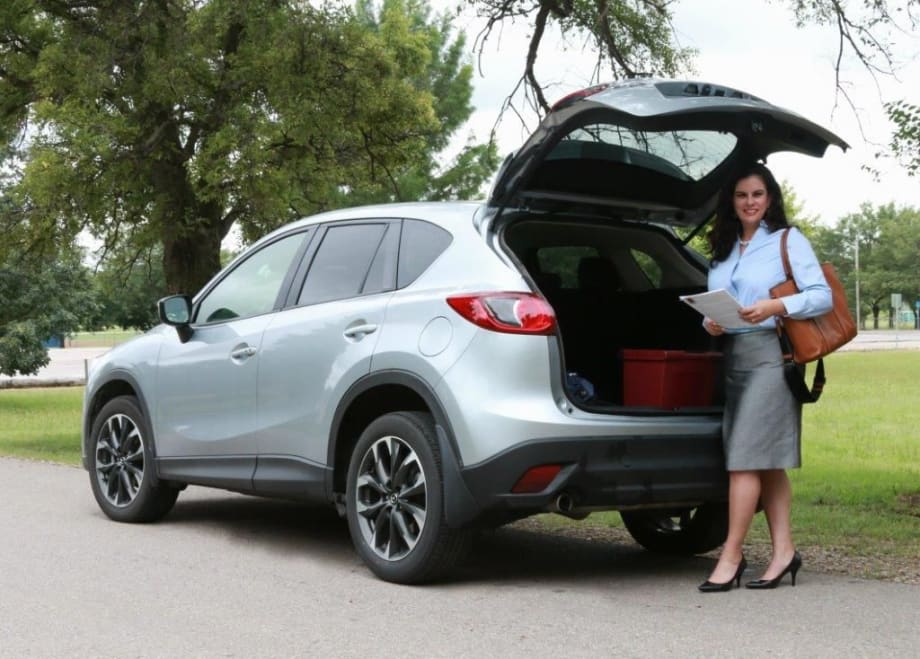
Jennifer Rivera, a salesperson for Organogenesis, drives the Mazda CX-5 as her work vehicle when traveling to clients in Kansas and Nebraska. She says that she usually picks silver or white to help the vehicle look less dirty. Photo courtesy of Eye Kandy Photography.
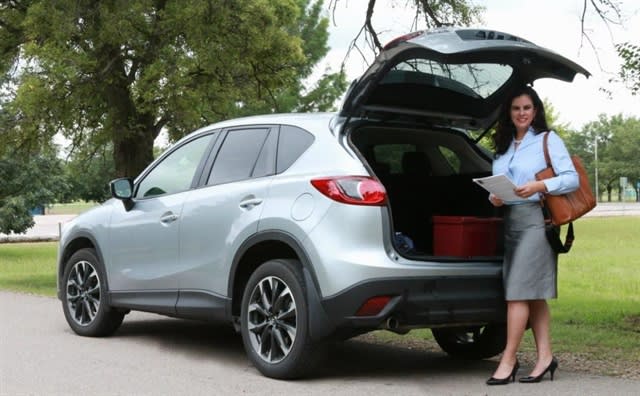
Jennifer Rivera, a salesperson for Organogenesis, drives the Mazda CX-5 as her work vehicle when traveling to clients in Kansas and Nebraska. She says that she usually picks silver or white to help the vehicle look less dirty. Photo courtesy of Eye Kandy Photography.
With a sales team that’s consistently on the road, Claire Gurnett is in charge of maintaining a fleet of vehicles that need to be both comfortable and safe for drivers.
“Our fleet vehicles are used to support our salesforce in day-to-day sales calls and customer visits,” says Gurnett, fleet manager for Organogenesis, a provider of advanced wound care, innovation, and technology such as bioactive wound healing and soft tissue regeneration. “I do an analysis each year of what we are looking for in a vehicle.”
This year was the first time that Gurnett put the Mazda CX-5 in Organogenesis’ fleet. “I chose the CX-5 over six different SUV crossovers,” she says. “We picked the CX-5 because of its total package, which included the fact that it was chosen as a Top Safety Pick by the Insurance Institute, and for its reliability and driver convenience features.”
The company’s 170-vehicle fleet mainly consists of SUVs and minivans including the Chevrolet Equinox, Jeep Cherokee, Ford Escape, Ford Explorer, Toyota Sienna, Kia Sedona, and Chrysler Town and Country — and now the Mazda CX-5. Each salesperson drives around 30,000 miles per year, but it varies by territory. “We have salespeople in almost every U.S. state,” says Gurnett.
Over the past year, Gurnett has worked with Aileen Sato, Mazda’s national account fleet manager, to add 49 Mazda CX-5s to the fleet.
“Our leasing company purchases the CX-5 vehicles through Mazda, but Aileen has been helpful answering all my questions about the vehicles and their features,” says Gurnett.
Must-Have Features
When looking for possible fleet vehicles, must-have features for Organogenesis include Bluetooth, navigation, AWD, and power-adjustable leather seating, according to Gurnett.
In additional to fuel economy and safety features, Organogenesis would pay for any features that would add reliability to the vehicle. Ultimately, it decided to go with Mazda’s highest trim level: Grand Touring.
According to Sato, the Grand Touring model includes interior features such as Bluetooth connectivity, Mazda Connect infotainment system, push button start, keyless entry, 40-20-40 fold-down rear seats, leather seating, Bose nine-speaker sound system, Sirius satellite radio, and an eight-way power driver seat. Safety features range from a rearview camera to heated outside mirrors to rain sensing wipers to blind spot monitor with rear cross traffic alert.
“The vehicle features we provide help the car hold its resale value,” says Gurnett.
Sato helped Gurnett pick the right vehicle by first asking about the fleet’s needs and requirements, followed by questions relating to the fleet’s location of delivery, the number of drivers, and how the fleet typically keeps its vehicles in mileage and years.
“Most importantly, I ask a fleet about its expectations and its future needs,” says Sato. “I ask this as we expect to grow with that company’s fleet after it becomes a part of the Mazda family, and we wish to better know their needs in order to deliver.”
Mazda’s commercial program includes a dealer network with a courtesy delivery process and special incentives, according to Sato.
So far, the highest mileage — among the CX-5 vehicles — is around 40,000 miles. Working with a leasing company, Organogenesis turns over the vehicles once they reach 80,000 miles. “We will get the most value back when selling the vehicles around 80,000 miles,” says Gurnett.
“Because I’m the only person working with Organogenesis’ fleet, it would be impossible to take care of all 170 vehicles on my own,” says Gurnett. “Our leasing company takes care of purchasing the vehicles, vehicle registration, inspections, and maintenance. We don’t have to put all the money upfront for a vehicle; we pay a monthly lease on each vehicle.”
Driver’s Perspective
Jennifer Rivera, an Organogenesis salesperson who covers territories in Kansas and Nebraska, has been driving the Mazda CX-5 since last November. This is her first time driving a Mazda, and so far, she says she’s happy with it. She especially likes the safety features, including the blind spot warning.
“I have driven all types of vehicles working as a salesperson always on the road,” says Rivera. “I love the room and convenience of the CX-5 and it gets good gas mileage.”
Rivera was given the choice between a sedan, minivan, or a crossover. She says that she didn’t need all the space in a minivan; the crossover has plenty of space for her luggage.
During the week, Rivera usually spends Sunday through Thursday on the road. Currently, she has about 22,000 miles on her CX-5.
Rivera’s favorite feature on the CX-5? “I personally love the Bluetooth,” she says. “It’s so efficient since I do a lot of highway driving.”
More Small Fleet

Developing Budget-Friendly Driver Safety Programs
From driver training and safety meetings to one-on-one coaching and incentive programs, several small fleets share how they have developed a safety culture with their drivers using low- to no-cost resources.
Read More →
Boosting Last-Mile Fleet Uptime, Safety, and Value with AI Vehicle Inspections
AI-powered inspections are transforming last-mile fleets by replacing manual checks with highly accurate automated scans that detect defects in seconds. By giving fleet operations visibility into the daily condition of their vehicles, you can identify trends over the vehicle’s lifecycle that enable improved procurement decisions, route management, driver training and accountability.
Read More →
Five Ways Seat Belts Help Prevent Injuries
There are five ways seat belts protect occupants from injuries, according to the Tennessee Department of Safety and Homeland Security.
Read More →
It’s here: The 2026 Fleet Technology Trends Report
What does AI mean for fleets? Get the answer — and learn other top tech trends.
Read More →
Small Fleets, Big Impact: How Independent Drivers Power Wreaths Across America
Check out how small fleets and independent drivers power Wreaths Across America each December and why their impact matters more than ever.
Read More →
VMS Survey Finds 65% of Small Fleet Managers Run Operations Alone
A new VMS survey shows small fleet managers are stretched thin, with most handling operations solo and eager to adopt digital tools for relief.
Read More →
Tips for Driving Safely on Halloween Night
This video features a reminder from the Connecticut Department of Transportation (DOT) and the Connecticut Police Chiefs Association, urging drivers to prioritize safety this Halloween.
Read More →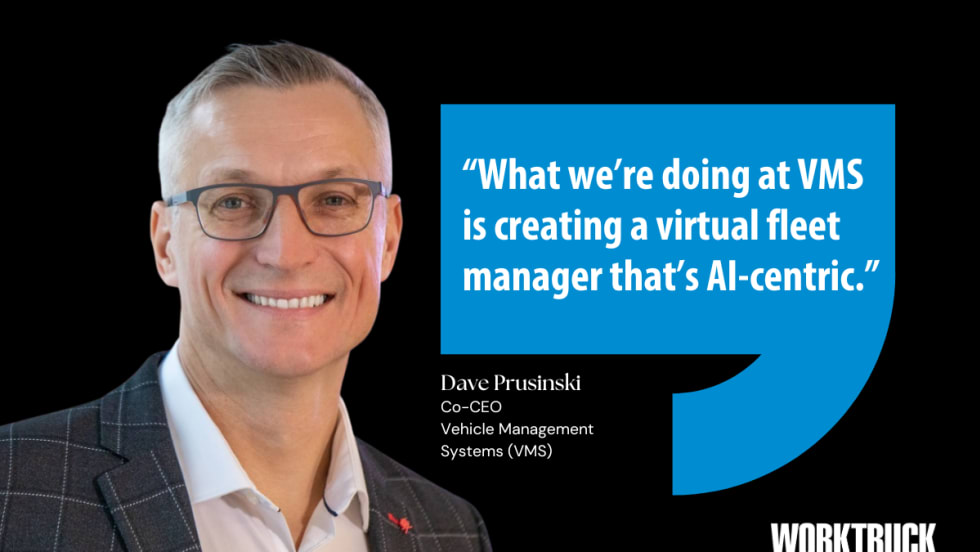
AI, Access, and Uptime: VMS’s Next Chapter with David Prusinski
VMS’s new Co-CEO, David Prusinski, shares how an AI-first approach will give small fleets and repair shops the tools to compete like big players.
Read More →
Fleet Managers Share Winter Prep Tips: It's Never Too Early!
Three fleets share best practices to prep vehicles for winter and prevent downtime when the cold sets in.
Read More →