Work Truck Logo
MenuMENU
SearchSEARCH

Understanding the Difference Between Light-, Heavy-Duty Towing

Whether you’ll need light-duty or heavy-duty towing will depend on factors such as distance, size and condition of your vehicle, or services required.

by Jeremy Keller, Elite Towing
December 20, 2021
Understanding the Difference Between Light-, Heavy-Duty Towing

Whether you’ll need light-duty or heavy-duty towing will depend on factors such as distance, size and condition of your vehicle, or services required.

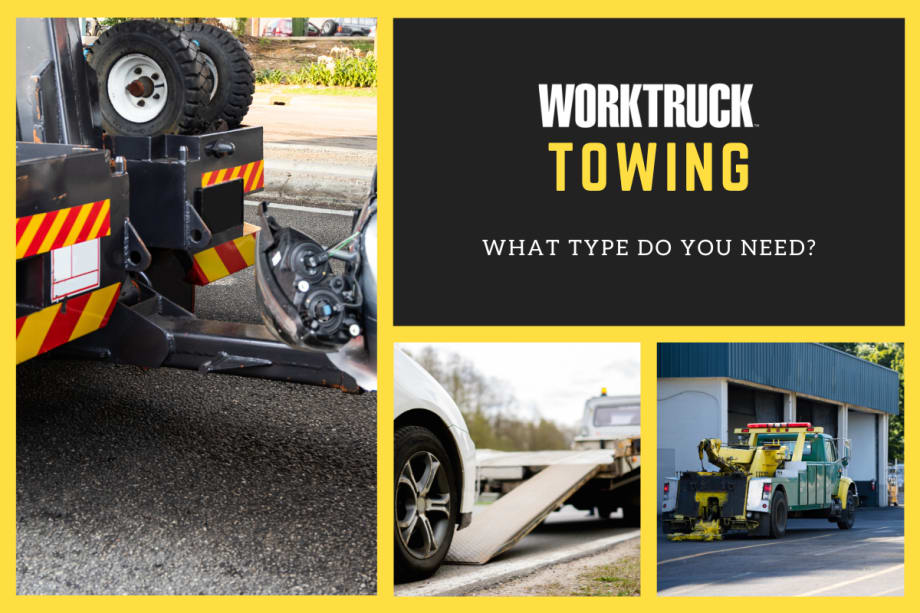
Photo: Work Truck

4 min to read


When in need of a tow, most people would just simply phone a nearby tow truck business. What a lot of drivers don’t know is there are different types of towing services and the towing company has to know what kind of truck to send to your location.

Tow trucks are generally classified as “light-duty” and “heavy-duty,” depending on how much weight they can carry. Whether you’ll need light-duty or heavy-duty towing will depend on factors such as distance, size and condition of your vehicle, or services required.

Ad Loading...

What Does Light-Duty Towing Handle? 

Light-duty towing covers most conventional towing routines that require standard tow trucks and operators. Light-duty tow trucks typically weigh between 8,500 and 10,000 lbs. GVWR, and are capable of handling small-to-medium-sized towing jobs such as private vehicle towing, accident recovery, traffic collisions, and towing abandoned vehicles.

The majority of light-duty tow trucks are equipped with a cable system and a winch for efficient towing. Some also use the dolly towing technique, which entails adding an additional dolly that serves as an extension of the truck. Compared to heavy-duty tow trucks, however, light-duty tow trucks have far less complex tools and equipment and are much easier to operate.

When Do You Need Heavy-Duty Towing?

Commercial vehicles like construction equipment, trailer trucks, garbage trucks, and dump trucks are best towed by a truck with a heavy-duty towing capacity. Heavy-duty tow trucks weigh at least 26,000 lbs. and should be capable of towing/carrying huge vehicles with relative ease.

Out of the towing vehicle classifications, heavy-duty tow trucks are equipped with the most advanced equipment (such as a 25-ton boom, 6-ton wheel lift, and a winch), which enables them to handle the biggest towing jobs. These trucks are also expected to pack a lot of torque and horsepower.

Due to the more complex nature of heavy-duty tow trucks, they require operators with extensive understanding of heavy engines and specific tactics for towing huge vehicles.

Ad Loading...

The Importance of Weight in Towing

The weight of your vehicle is essential to determining whether you need a light-, medium-, or heavy-duty tow truck.

Light-duty tow trucks are not ideal for long-distance towing and incapable of moving vehicles or items that clearly call for a heavy-duty tow. In contrast, using a heavy-duty truck to transport a small vehicle would be inefficient and more expensive. Also, hiring the wrong type of tow truck may damage your vehicle’s transmission and other parts.

Preparing Your Vehicle for Towing

Everyone who owns or operates a vehicle will, at some point, need a professional towing service. It could be because of a road accident, an unexpected breakdown, or relocation across the country. Regardless of your reason for getting your vehicle towed, you need to get it ready before the towing company arrives.

Here some important things to remember:

  • Remove anything that’s important. Take your valuable and personal belongings out of the car to make sure nothing gets lost or broken during transport. Most towing businesses make it clear that they won’t be responsible for any damaged or missing items.

  • Close all windows. Closing the windows of your vehicle prevents any opportunities for theft while it is being towed. It is also critical to protecting the interiors of your car from dirt and debris during transport.

  • Disengage the emergency brakes. You need to disengage your emergency brakes before loading your vehicle into a tow truck. If you don’t, it could get damaged. Any reliable towing service will check if your emergency brakes are engaged before towing the vehicle, but it’s better if you personally make sure it’s done.

  • Take a picture of your vehicle. Take some photos of your vehicle before the towing service arrives. While most companies are excellent at ensuring your vehicle is in good shape, unexpected damage can occur. These photos will come in handy in the event something goes wrong.

  • Find a reputable towing service. Choose to work with an experienced and trusted towing company. It can be tempting to go for the cheapest available option, but there could be a reason why their prices are lower than everybody else’s. Do your research before hiring a tow truck service. You don’t want to take any chances with your vehicle’s safety on the line.


About the Author: Jeremy Keller leads the Content Marketing team for Elite Towing, a locally-owned, family-run business in Casa Grande, Arizona, that provides high quality towing services to both residential and commercial customers. He enjoys photography and doing drone videographies in his spare time.

This article was authored and edited according to WT editorial standards and style to provide useful information to our readers. Opinions expressed may not reflect that of WT.

Subscribe to Our Newsletter

More Operations

Skyline of London with a blue sky and an inset logo for Kooner.
OperationsMay 4, 2026

Kooner Fleet Management Solutions Expands Internationally with Launch in the UK

Kooner Fleet Management Solutions’ new Central England operations hub establishes a foundation for 24/7 fleet maintenance, mobile repair, and technician development across the UK.

Read More →
Host Lauren Fletcher gestures toward “Truck Chat Weekly Cheat Sheet” graphic highlighting driver input, TPMS benefits, and the end of International CV Series production.
Operationsby Lauren FletcherMay 4, 2026

Drivers Speak Up, TPMS Pays Off, and a Workhorse Retires | Weekly Cheat Sheet

Drivers are shaping fleet decisions, TPMS is delivering real savings, and a key workhorse is retiring. Plus quick hits on data, uptime, and new trucks.

Read More →
Graphic illustration of runners' feet on glowing pavement to the right, a big rig truck on the left, and headline for a virtual 5k to benefit truck drivers.
Operationsby News/Media ReleaseMay 1, 2026

St. Christopher Truckers Relief Fund Launches 2nd Annual Virtual 5K to Support Health and Wellness for Professional Drivers

St. Christopher Truckers Relief Fund’s 2nd Annual Virtual 5K raises funds and awareness for over-the-road truck drivers facing illness or injury, and there’s still time to participate in this year’s event.

Read More →
Ad Loading...
Open glowing book on a wooden table with candles, quill, and maps, with golden light and magical particles rising from its pages in a fantasy-style illustration.
Operationsby Lauren FletcherMay 1, 2026

The Future of Storytelling Still Belongs To Humans

New tools always change the process. They do not replace the instinct. From portrait painters adapting to photography to creators navigating AI, the people who matter most are still the ones who know how to see.

Read More →
“Legends of Fleet” featuring a dark textured background with gold accents, large metallic gold title text centered, and a framed portrait of Carl Nelson with subtitle identifying him as a retired fleet manager, along with Work Truck and Legend logos at the top.
OperationsApril 30, 2026

Carl Nelson's Journey, Sliding into Success | Fleet Legends

With more than four decades of experience across fleets such as AT&T and AmeriGas, Carl built a reputation for doing the work, leading through change, and helping to move the industry forward without ever making it about himself.

Read More →
Breakdowns, data & insights are the topics of the April 2026 Truck Chat Monthly Recap sponsored by Chevron REGI
OperationsApril 28, 2026

Breakdowns, Data Action, and Driver Insight Take Center Stage | Truck Chat Monthly April Recap

In this month’s news recap, we’re digging into why trucks are still failing in the field, how fleets are finally turning data into action, why driver feedback is becoming a critical operational tool, how fleet leaders are finding their voice, and where simple tech like TPMS is delivering real results.

Read More →
Ad Loading...
A graphic image showing charts and graphs depicting cargo theft in the first quarter of 2026.
Operationsby News/Media ReleaseApril 27, 2026

Cargo Theft Incident Volume Falls in First Quarter of 2026

Verisk CargoNet reported that supply chain crime events across the United States and Canada declined by 5.3% in the first quarter of 2026. However, confirmed cargo theft reports rose slightly, by 41 incidents.

Read More →
Graphic promoting Work Truck Exchange with bold text highlighting pre-scheduled meetings, limited spots remaining, and event details for Phoenix, Arizona.
Operationsby Lauren FletcherApril 27, 2026

Limited Spots Remain for Fleet Managers to Attend Work Truck Exchange

Limited spots remain for Work Truck Exchange in Phoenix. Fleet managers can connect through pre-scheduled meetings designed to deliver real solutions fast.

Read More →
Lauren Fletcher presenting Truck Chat Weekly Cheat Sheet graphic highlighting breakdowns, data action, and driver feedback trends in fleet operations.
Operationsby Lauren FletcherApril 27, 2026

Why Trucks Keep Failing, Plus Data Action and Driver Feedback

Fleets tackle breakdowns, act on data, and rethink driver feedback. Plus TPMS gains and key industry shifts in this week’s Truck Chat Cheat Sheet.

Read More →
Ad Loading...
Shades of Fleet Veterans in Fleet graphic with American flags and Work Truck branding highlighting military veterans’ impact on fleet leadership and operations
Operationsby Lauren FletcherApril 24, 2026

Call for Voices: Inviting Veterans in Fleet to Share Their Stories

Veterans in fleet, it's your turn! share how military experience shapes leadership, discipline, and real-world decision-making across today’s operations.

Read More →