





5 Things to Know When Selecting Charging Solutions for Work Truck Fleets
Understanding the Challenges in the Electric Truck Transition
The transition to electric vehicles poses challenges for commercial and vocational fleets, especially those with mixed powertrains. Telematics solutions can provide visibility and control.
July 5, 2023
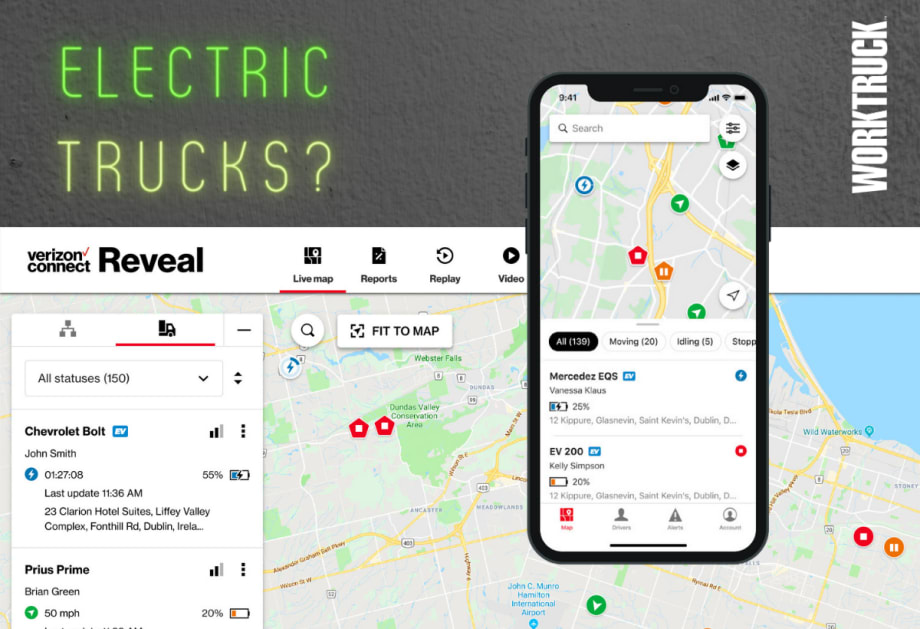
The future for vocational fleets will likely be a mix of powertrains, with electric vehicles becoming more viable for a broader range of applications as technology and infrastructure improve.
Photo: Work Truck/Verizon Connect
5 min to read
As commercial and vocational fleets explore the transition to electric vehicles, they face unique challenges that must be addressed.
One such challenge is finding electric vehicles with the range and payload capacity necessary for their operations. In addition, charging infrastructure needs may differ from what is required for passenger vehicles.
Mixed fleets with electric and traditional powertrains face additional challenges, including maintenance and repair, charging infrastructure, and route planning. However, with the right telematics solution, fleets can gain visibility and control over their mixed fleets.
Despite the challenges, the future for vocational fleets will likely be a mix of powertrains, with electric vehicles becoming more viable for a broader range of applications as technology and infrastructure improve.
Ashlee Tramutolo, product marketing manager for Verizon Connect, sat down with Work Truck to share her insight into these challenges and provide some advice to help mitigate these concerns.
Understanding Commercial Fleet Electrification Challenges
Commercial and vocational fleets face unique challenges when transitioning to electric options, including range anxiety, payloads, and infrastructure.
Depending on your fleet operation type, finding electric vehicles with sufficient range can be challenging.
“Commercial and vocational fleets often require vehicles with high payload capacities. Electric vehicles may have lower payload capacities than traditional vehicles, which can limit the additional cargo that can be added safely and efficiently,” Tramutolo said.
The additional weight can also cause a battery drain, decreasing max range and increasing range anxiety.
“These more complex fleets will also require charging infrastructure different from what is needed for passenger vehicles. For example, fleets may need high-power charging stations or charging stations that can accommodate multiple vehicles at once,” she said.
In addition, electric vehicles may not be available in the types of configurations that commercial and vocational fleets require.
Electric versions of certain types of trucks or vans may not be available yet. Also, electric vehicles can have higher up-front costs than traditional vehicles, which can be a barrier for fleets with limited budgets.
“Electric vehicles also have different maintenance and repair needs than traditional vehicles that will need to be accounted for. Pay careful attention to understanding special battery replacement costs, so you’re not caught off guard down the road,” she added.
Mixed Fleets Only Add to Complications
Vocational fleets operating a mixed fleet of vehicles, including electric and traditional powertrains, face several challenges.
Here are some of the challenges and advice Tramutolo shared to help mitigate concerns:
Maintenance and repair: Electric vehicles have different maintenance and repair needs than traditional vehicles, making managing a mixed fleet challenging. To mitigate this challenge, fleets should ensure that their maintenance staff are trained in the specific needs of electric vehicles and have access to the necessary tools and equipment.
Charging infrastructure: This is always a concern for fleets, especially if they have a mixed fleet. Fleets may need to install different charging infrastructure types to support electric and traditional vehicles. Drivers may need to be trained in the specific needs of electric vehicles, such as range limitations and charging procedures. To mitigate this challenge, fleets should provide comprehensive training to all drivers, regardless of the type of vehicle they are operating.
Route planning: Fleets may need to plan routes differently for electric and traditional vehicles to ensure that electric vehicles have access to charging stations. This is why it is pivotal that fleets use telematics software that allows them to manage all their vehicles in one spot and help plan accordingly.
An Ongoing Battle: Electric Trucks & Payload
Payload concerns are a significant challenge for vocational fleets transitioning to electric trucks.
“Electric trucks typically have a lower payload capacity than traditional diesel or gasoline-powered trucks due to the weight of the battery pack. This can limit the usefulness of electric trucks for certain types of vocational applications, such as hauling heavy loads or carrying large equipment,” Tramutolo explained.
Manufacturers are developing electric trucks with larger battery packs and higher payload capacities to address this challenge. However, these trucks may cost more upfront than traditional diesel- or gasoline-powered trucks.
“Another solution is to use electric trucks for applications where payload capacity is less of a concern, such as urban delivery or short-haul routes. This can help fleets reduce emissions and operating costs while still meeting their transportation needs,” she added.
Fleets can also work with manufacturers and charging infrastructure providers to develop customized solutions that meet their needs.
“For example, fleets may be able to install additional charging infrastructure to reduce downtime and increase vehicle availability or work with manufacturers to develop custom battery packs that can support higher payload capacities,” she said.
Software to the Electric Truck Rescue
Mixed vehicle fleets need one single source of truth for status, location, routing, and utilization. They can also gain visibility across their fleet with diagnostics for electric and internal combustion engine (ICE) vehicles.
Managing a mixed fleet of electric and internal combustion ICE vehicles can seem like a daunting task, but according to Tramutolo, with the right telematics solution, fleets can:
Identify: Easily identify electric vehicles among the mixed fleet when viewing a live map.
Visualize: Quickly understand the charging status of electric vehicles to help drivers get from one job to the next and schedule their daily routes more effectively.
Plan ahead: Monitor charging status and evaluate EV battery percent remaining.
Advantage alerts: Prevent downtime and ensure team members aren’t stranded.
Insights: Plan and schedule employee workdays based on historical behavior and what affects travel range.
What is Needed for an Electrified Future
The near-time future for vocational fleets will likely be a mixed fleet, including electric and traditional powertrains.
“While electric vehicles offer many benefits, such as reduced emissions and lower operating costs, they may not be suitable, or available, for all types of vocational applications,” Tramutolo explained.
However, as battery technology improves and charging infrastructure becomes more widespread, electric vehicles will likely become more viable for a wider range of vocational applications.
“Fleets may also be able to use a mix of powertrains to optimize their operations, using electric vehicles for applications where they are most effective and traditional vehicles for applications where they are better suited,” she added.
Ultimately, the future of vocational fleets will depend on a variety of factors, including advances in technology, changes in regulations, and the specific needs of each fleet.
“Fleets should carefully evaluate their options and develop a strategy that meets their specific needs and goals,” Tramutolo concluded.
Subscribe to Our Newsletter
More Vehicle Research
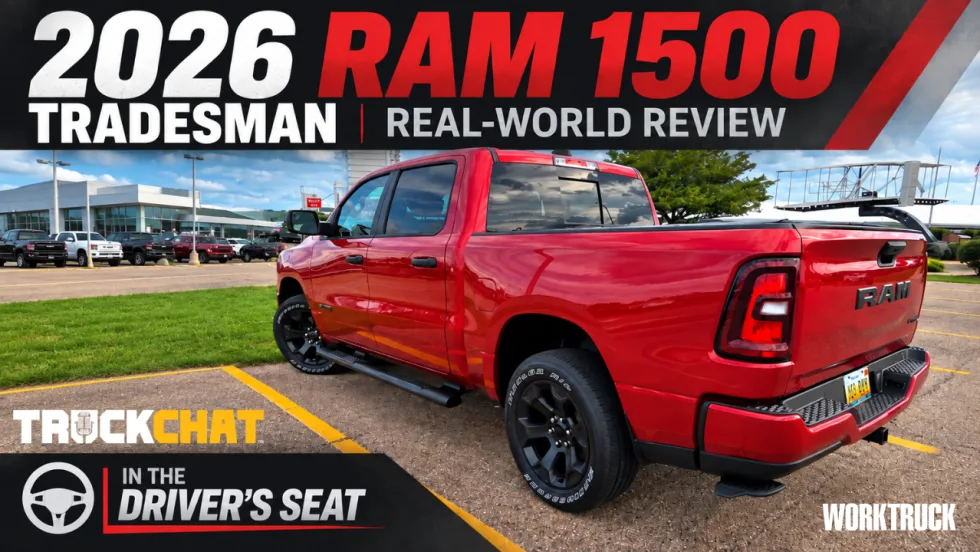
2026 Ram 1500 Tradesman Put to a Real-World Fleet Test
A few days behind the wheel of a 2026 Ram 1500 Tradesman turned into a test of visibility, parking, work-ready features, and even severe-weather driving.
Read More →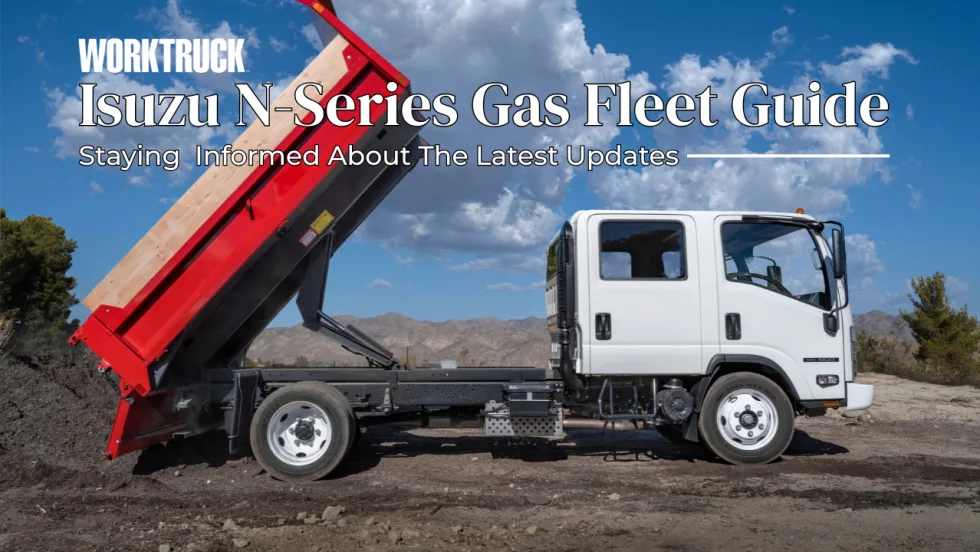
Isuzu N-Series Gas Fleet Guide: Specs, Capability and 2027 Model-Year Updates
Explore Isuzu Truck North America’s N-Series Gas fleet specs, engine performance, GVWR and payload capability, configurations, chassis dimensions, work-focused features, and 2027 model-year information.
Read More →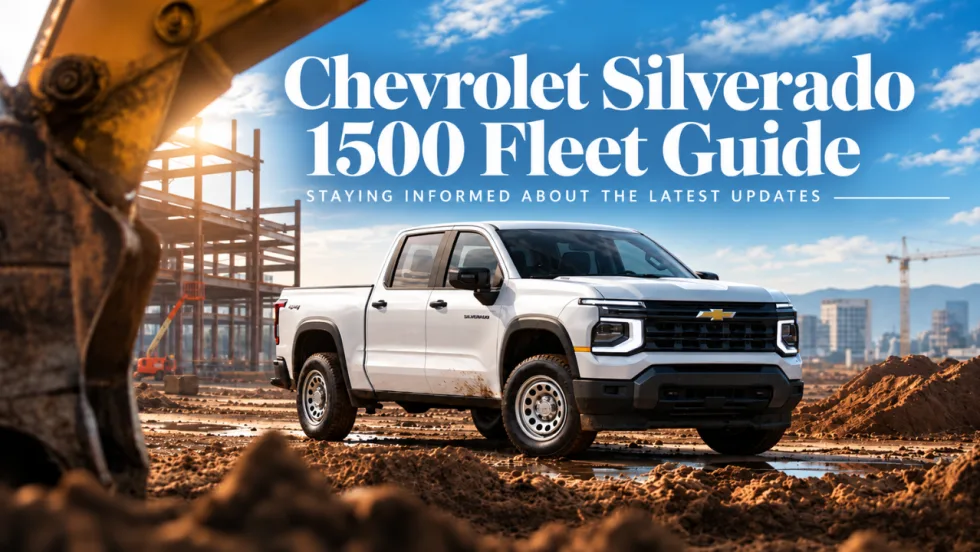
Chevrolet Silverado 1500 Fleet Guide Specs Capability and 2027 Model-Year Updates
The next-generation 2027 Chevrolet Silverado 1500 brings new V-8 engines, updated technology, expanded safety features, and a fleet-focused Work Truck. Here’s what commercial fleets need to know so far.
Read More →
Ram ProMaster City Fleet Guide Specs Cargo Capacity and 2027 Updates
Work Truck’s Ram ProMaster City Fleet Guide tracks the latest specifications, cargo capability, configurations, fleet technology, pricing, and model-year updates for Ram’s mid-size commercial van.
Read More →
Ford F-150 Fleet Guide Specs Capability and 2026 Model-Year Updates
Explore 2026 Ford F-150 fleet specs, engines, towing and payload capability, configurations, work features, technology, and model-year updates.
Read More →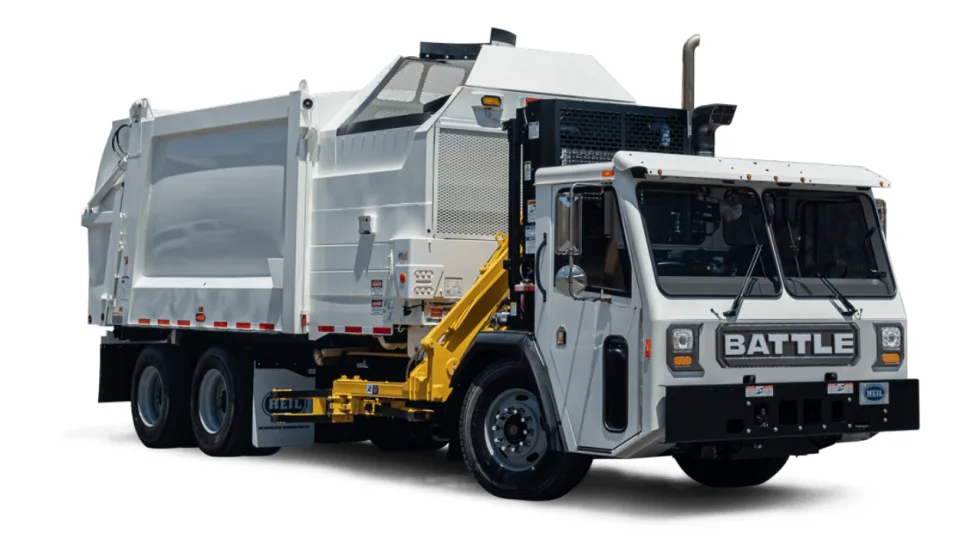
TCI Now Sells & Supports Battle Motors’ Vocational Trucks
Midwest truck dealer Truck Centers, Inc. (TCI) has expanded its transportation solutions with sales and service support for Battle Motors’ heavy-duty vocational trucks at locations in locations in Indiana, Illinois, and Missouri
Read More →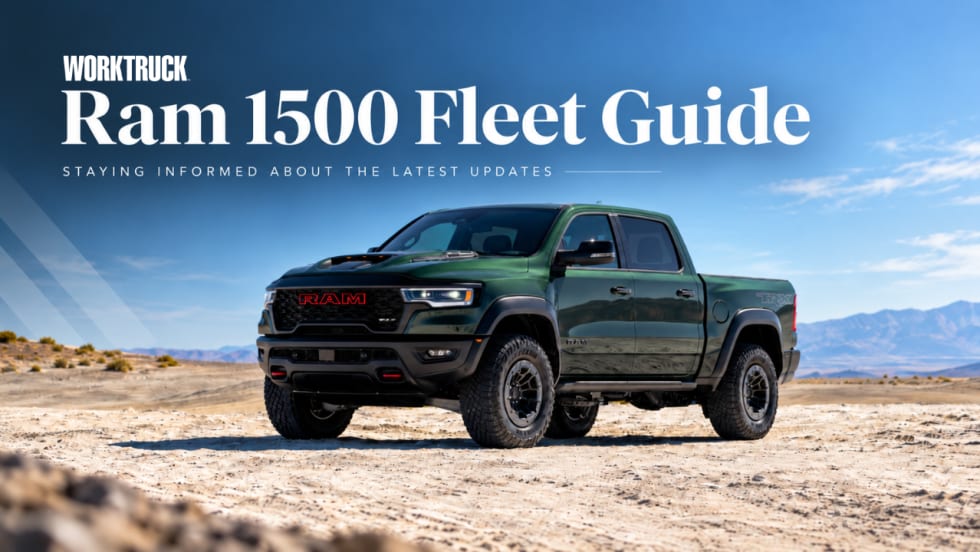
Ram 1500 Fleet Guide Specs, Capability and 2027 Model-Year Updates
Explore always up-to-date Ram 1500 fleet specs, engines, towing and payload capability, configurations, technology, pricing updates, and model-year changes.
Read More →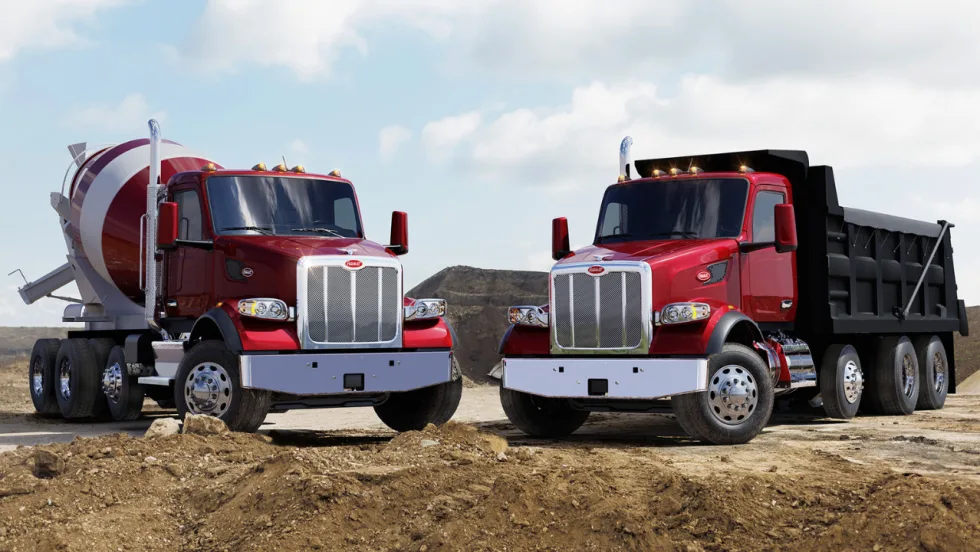
Peterbilt Trucks Equipped with Paccar TX-18 Pro Boost Efficiency for Maryland Fleet
Patuxent Companies is replacing aging trucks with the Peterbilt Model 567 and Model 589, specified with the Paccar TX-18 Pro 18-speed automated transmissions, and is reporting an 8% to 10% improvement in fuel economy.
Read More →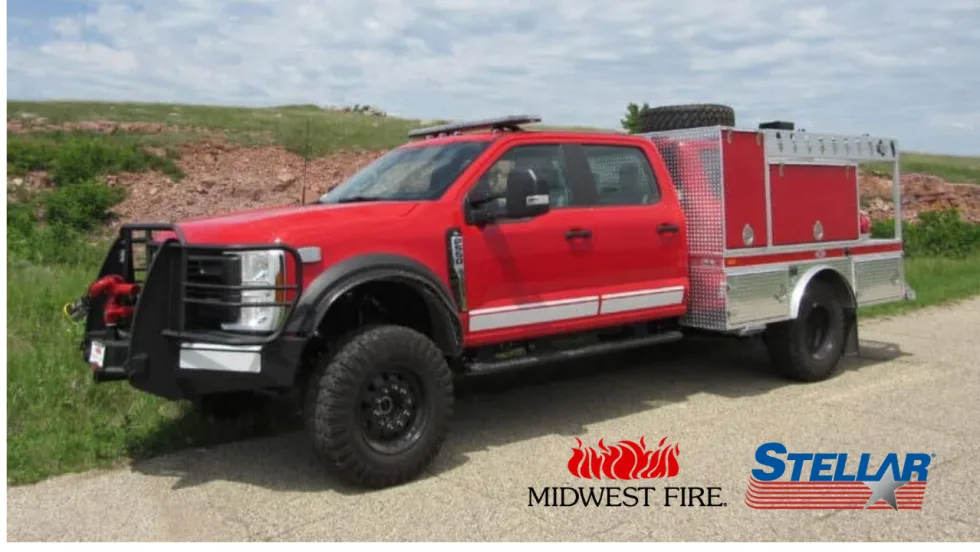
Stellar Expands into Fire Apparatus Market with Acquisition of Midwest Fire
Stellar Industries has acquired Midwest Fire, a custom fire apparatus manufacturer headquartered in Luverne, Minnesota, with nearly four decades of specialized apparatus experience.
Read More →
Recalls You Need to Know About in August 2026
If you have Altec, Chrysler, Ford, Heil, General Motors, International, Mack Trucks, Paccar, Rivian, Royal Truck, Toyota, US Truck Body, or Volvo Trucks vehicles in your fleet, you should check these important recalls issued by the National Highway Safety Administration.
Read More →