





Related: Propane Autogas Gains Momentum
Truck Fleet Prefers Bi-Fuel Propane System
After running both bi-fuel and dedicated-propane systems, this pool renovation company hopes to switch all of its fleet trucks to bi-fuel. The gasoline option comes in handy during long work trips.
July 16, 2015
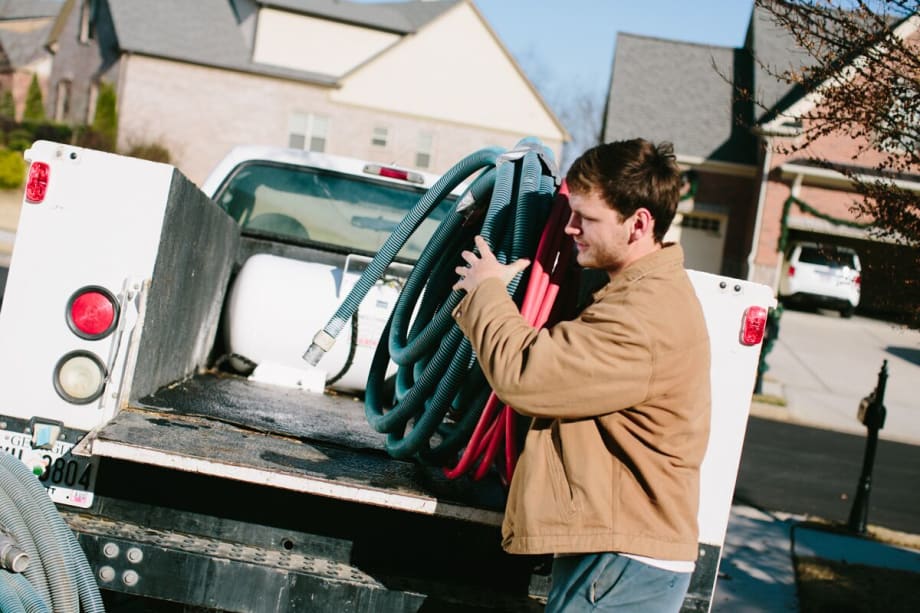
Justin Tullis, an employee of Olympic Pool Plastering, loads equipment onto one of the fleet's propane trucks.
3 min to read
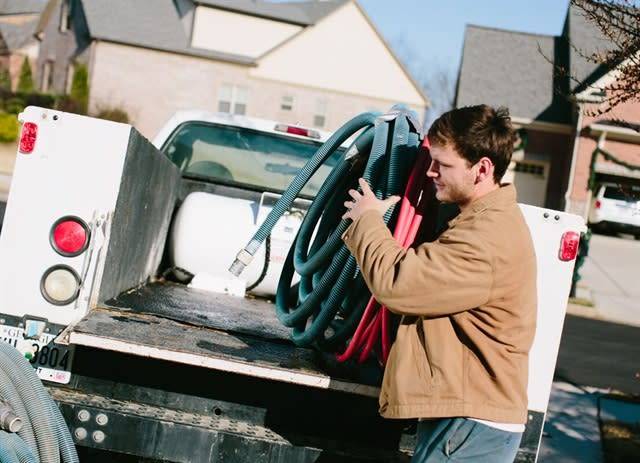
Justin Tullis, an employee of Olympic Pool Plastering, loads equipment onto one of the fleet's propane trucks.
As gas and diesel prices climbed to $4 per gallon, Shawn Still started looking at alternative fuel options for his truck fleet. “We have a lot of heavy trucks and were getting massacred on fuel costs,” said Still, CEO and president of Olympic Pool Plastering, a pool renovation and plastering company located near Atlanta.
After researching alternative fuels, Still found Force 911, a local certified installer for aftermarket bi-fuel propane autogas systems. Force 911 installs Prins bi-fuel engines from Alliance AutoGas.
“Force 911 showed us the fuel savings with a bi-fuel engine for a small truck like an F-150,” said Still. “We then started converting some of our F-150 and F-250 trucks.”
Currently, Olympic Pool Plastering’s fleet has switched 14 of its 35 trucks to propane. The other trucks were not eligible for conversion — they were too old or they had diesel engines.
“Overall, switching to propane has been a fantastic move for us,” said Still, even though conventional fuel prices have moderated. “I don’t regret doing it.”
Benefits
In terms of fuel savings, Still is paying $1.08 per gallon after applying a federal tax credit on propane fuel. And that price is locked in for a year.
Because propane is a cleaner burning fuel, the engines tend to last longer. Still says his trucks are running like new at 100,000 miles. “We are saving money on fuel, but the bigger benefit is the wear and tear on the engines,” said Still.
A consideration when fleeting up, Still selects a truck model type that Force 911 can convert to a bi-fuel system.
Pros, Cons
Up until three months ago, Force 911’s bi-fuel conversions were limited to smaller trucks. To convert the company’s larger trucks (F-450s, F-550s) to propane, Still purchased new Ford trucks and then converted them to a dedicated propane system using another supplier.
For Still, the bi-fuel option is a better choice for his fleet’s out-of-town work projects. With the crew trucks putting on 30,000 miles per year, many job sites are several hundred miles away. This can prove a problem when trying to find propane refueling stations along the route.
“Our drivers want to be able to do the job and come home the same day,” said Still. “We try to map out possible propane refueling stations on the routes, but sometimes these stations might not have enough propane to fill our trucks. At a small hardware store, we can wipe out all its available propane that it usually uses for refueling grills.”
For local trips, Olympic Pool Plastering’s trucks can refuel at its on-site propane refueling station.
Because of Olympic Pool Plastering’s close proximity to Force 911, the bi-fuel conversions have been more convenient for the fleet. According to Still, his trucks can be dropped off at a Force 911 location and the installation will be completed within a few days. Converting the dedicated-propane systems took longer because the conversions take place in Detroit.
“I wish that we had waited for bi-fuel engines for the bigger trucks, but we didn’t know when that was supposed to come,” said Still. “But now that it’s here, we are thinking of reverting some of our dedicated-propane trucks to bi-fuel engines.”
Still has even gone to his original supplier to see how much it would cost to take the dedicated-propane systems off.
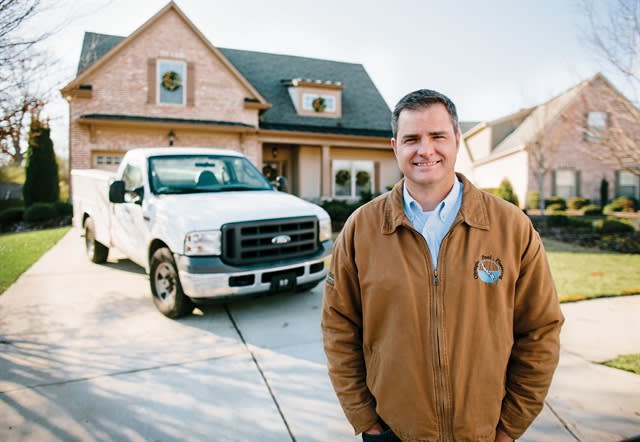
Shawn Still, CEO and president of Olympic Pool Plastering.
Subscribe to Our Newsletter
More Small Fleet


Developing Budget-Friendly Driver Safety Programs
From driver training and safety meetings to one-on-one coaching and incentive programs, several small fleets share how they have developed a safety culture with their drivers using low- to no-cost resources.
Read More →
Sponsored•March 9, 2026
Boosting Last-Mile Fleet Uptime, Safety, and Value with AI Vehicle Inspections
AI-powered inspections are transforming last-mile fleets by replacing manual checks with highly accurate automated scans that detect defects in seconds. By giving fleet operations visibility into the daily condition of their vehicles, you can identify trends over the vehicle’s lifecycle that enable improved procurement decisions, route management, driver training and accountability.
Read More →
Five Ways Seat Belts Help Prevent Injuries
There are five ways seat belts protect occupants from injuries, according to the Tennessee Department of Safety and Homeland Security.
Read More →
Sponsored•January 14, 2026
It’s here: The 2026 Fleet Technology Trends Report
What does AI mean for fleets? Get the answer — and learn other top tech trends.
Read More →
Small Fleets, Big Impact: How Independent Drivers Power Wreaths Across America
Check out how small fleets and independent drivers power Wreaths Across America each December and why their impact matters more than ever.
Read More →
VMS Survey Finds 65% of Small Fleet Managers Run Operations Alone
A new VMS survey shows small fleet managers are stretched thin, with most handling operations solo and eager to adopt digital tools for relief.
Read More →
Tips for Driving Safely on Halloween Night
This video features a reminder from the Connecticut Department of Transportation (DOT) and the Connecticut Police Chiefs Association, urging drivers to prioritize safety this Halloween.
Read More →
AI, Access, and Uptime: VMS’s Next Chapter with David Prusinski
VMS’s new Co-CEO, David Prusinski, shares how an AI-first approach will give small fleets and repair shops the tools to compete like big players.
Read More →
Fleet Managers Share Winter Prep Tips: It's Never Too Early!
Three fleets share best practices to prep vehicles for winter and prevent downtime when the cold sets in.
Read More →