




The Road Ahead for Heavy-Duty Lubricants
Looking ahead to the future, the trend toward lower viscosity engine oils is set to continue.
by Darryl Purificati, Petro-Canada Lubricants
January 4, 2021
Throughout recent decades, lubricants have evolved considerably to address the challenges of modern trucks and their engines.
Photo: Petro-Canada Lubricants
3 min to read
At the heart of heavy-duty equipment is its engine oil, the lifeblood that ensures it runs smoothly and reliably. Protecting the internal components of the engine and helping it run efficiently, heavy-duty engine oil is nothing less than essential.
But, how have heavy-duty engine oils evolved to meet the needs of today’s hard-wearing fleets, and what can we expect from lubricants in the future?
The Role of Engine Oils
Before exploring advances in modern lubricant technology, it’s important to consider the role of heavy-duty engine oils in today’s engines. Engine oils play a vital role in maintaining the efficiency and operation of work truck engines. High-quality lubricants help minimize metal-to-metal contact between moving components, reducing pumping and rotational losses, and therefore improving the engine’s efficiency.
Lubricants also provide essential protection to the engine’s inner workings, helping to prevent wear that can result in unplanned maintenance and downtime. This ultimately means that the right choice of lubricant saves fleet managers and operators time and money.
The Needs of Modern Engine Technology
Throughout recent decades, lubricants have evolved considerably to address the challenges of modern trucks and their engines. Newer engines require lubricants that are more durable to help prevent wear as today’s engines run at higher temperatures, which can stress conventional lubricants.
Relatively newer engine operations, such as stop/start technology can also mean additional burdens for an engine oil.
To address these challenges, the most recent oils standards – API CK-4 and FA-4 – offer greater resistance to oxidation as well as improved aeration control and shear stability. Lubricants that meet these standards provide modern engine technology with enhance protection, improved fuel economy as well as the potential to safely extend oil drain intervals. (Note: Extending drain intervals should always be undertaken in conjunction with an oil analysis program.) This not only ensures that equipment can be operational for longer between oil drains but also reduces scheduled maintenance costs – resulting in a direct and positive impact on the company’s bottom line.
The Future of Lubricants
Looking ahead to the future, the trend toward lower viscosity engine oils is set to continue, not only within the latest API CK-4 category but also due to the ongoing transition toward API FA-4 lubricants.
The trend can be seen quite clearly when looking to the passenger car industry, where engines are becoming more efficient due to legislation and consumer demand to drive greater fuel efficiency. In turn, engine oils have a lower viscosity to maximize the engine power output with no compromise on performance.
Although several years ahead of the heavy-duty sector, our pathway to low viscosity engine oils is currently being forged and the benefits of these latest innovative products are clear as we head toward 0W-20 and SAE 20 lubricants – following in the footsteps of the passenger car industry.
Despite the transition to PC-11 only coming into effect in 2016, PC-12 is already on the horizon. PC-12 will be developed based on Phase 3 of the Greenhouse Gas emissions from the Environmental Protection Agency (EPA) and California Air Resources Board (CARB). This will provide further justification for the development of PC-12 and allow it to be timetabled for 2027.
The EPA and CARB announcement is yet to be made; however we can assume that we can expect even lower viscosity grades such as 5W-30 and 5W-20 as we continue the trend towards lower viscosity.
The heavy-duty engine oil industry has been in a period of transition for several years – moving toward lower viscosity lubricants, and with the continuing technological advancement of engine hardware architecture. The roadmap to lower viscosity engine oils and further improvements is marked out – and although only on the horizon it will be here sooner than we all think.
About the Author: Darryl Purificati is the OEM Technical Liason for Petro-Canada Lubricants, a HollyFrontier business. This article was authored and edited according to our editorial standards and style to provide useful information to our readers.

High-quality lubricants help minimize metal-to-metal contact between moving components, reducing pumping and rotational losses, and therefore improving the engine’s efficiency.
Photo: Petro-Canada Lubricants
Subscribe to Our Newsletter
More Maintenance
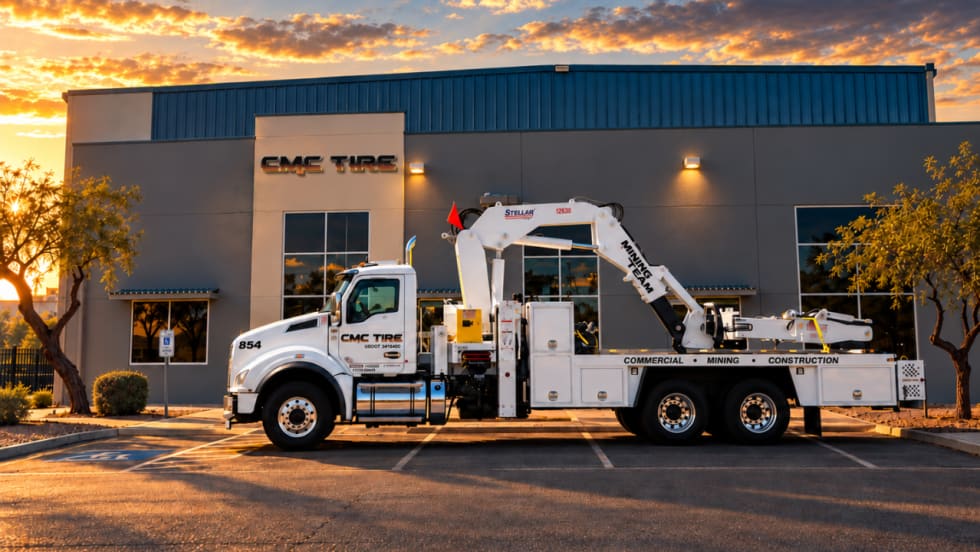
Les Schwab Expands Commercial Tire Footprint Into Arizona
Les Schwab Tires has expanded into Arizona with two commercial tire locations in Phoenix and Tucson, strengthening its fleet service footprint in the Southwest.
Read More →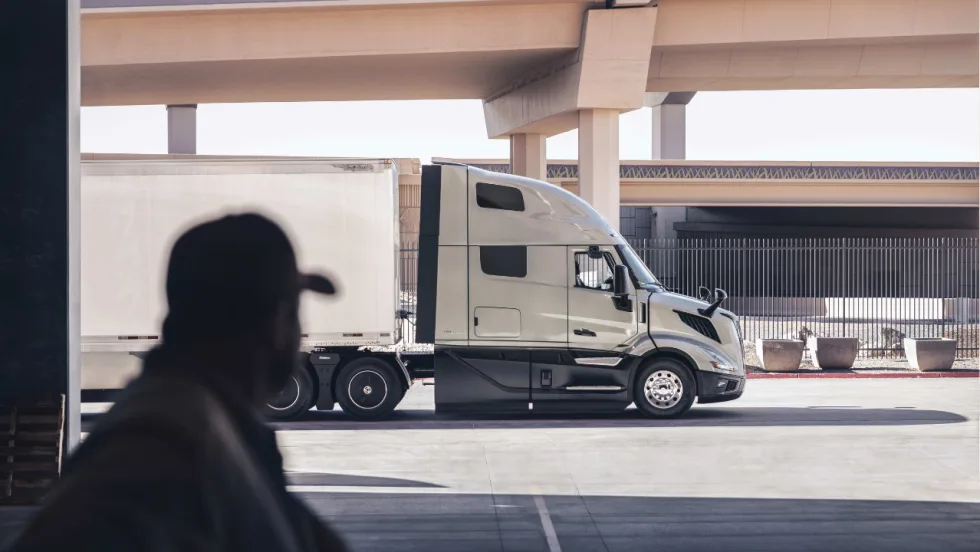
Volvo Trucks’ 'Lock and Leave' Software Updates Go Live Across North America
Unattended over-the-air software updates are now available in Volvo trucks across the U.S. and Canada. The new capability lets trucks stay current with the latest software without interrupting operations or requiring a dealership visit.
Read More →
Why Technician Appreciation Can’t Be a Once-a-Year Thought
For fleets trying to keep skilled technicians, recognition cannot begin and end with Technician Appreciation Week. Learn what year-round appreciation really looks like and why the everyday technician experience matters just as much as pay when fleets are trying to keep good people.
Read More →
How Faster Driver Reporting Can Keep Small Truck Problems Small
When minor damage, warning lights, or equipment issues are reported late, small problems can quickly become bigger maintenance headaches. Conversational AI can help shorten the path from what a driver notices in the field to the person who can act on it.
Read More →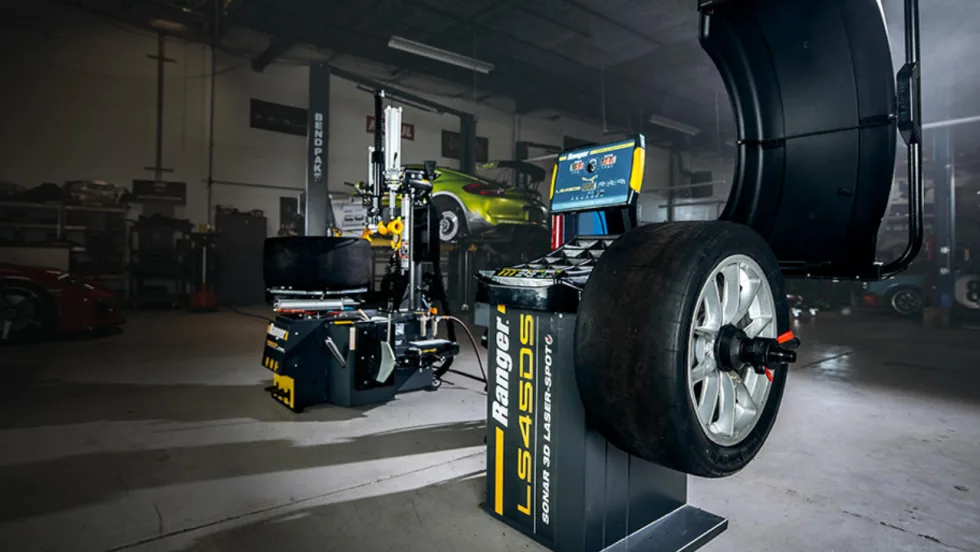
BendPak’s Ranger Wheel Service Equipment Achieves North American Safety Certification
BendPak’s full line of Ranger tire changers and wheel balancers has been ETL certified to UL and CSA standards to improve operator safety.
Read More →
Isuzu & U.S. Department of Labor Celebrate Milestone for Veterans Apprenticeship Program
The Isuzu Veterans Apprenticeship Program (IVAP) signing ceremony highlighted Isuzu’s long-term commitment to veterans, Isuzu dealers, and the skilled workforce supporting its customers and the commercial transportation industry.
Read More →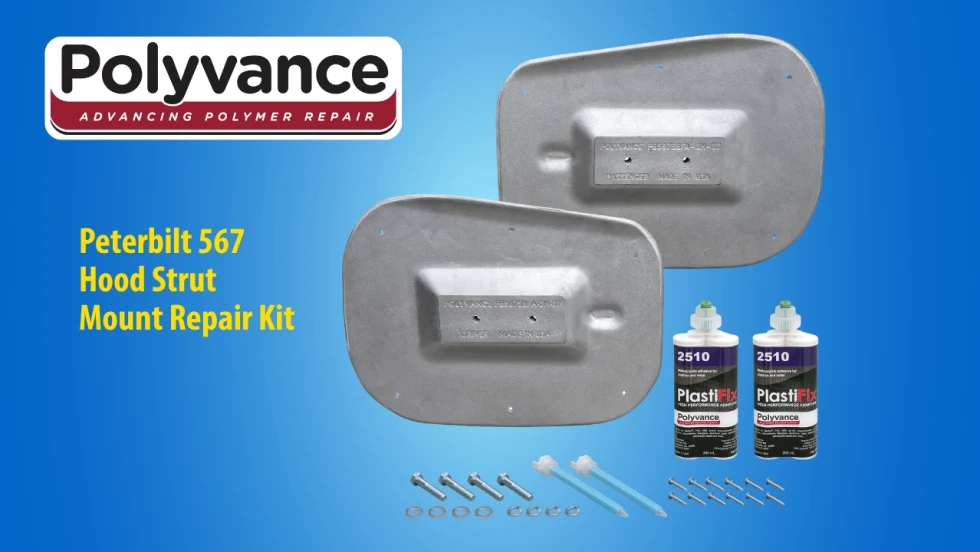
Polyvance Introduces New Peterbilt 567 Hood Strut Mount Repair Kit
Polyvance has launched a repair solution for Peterbilt 567 hood struts, helping truck owners and repair facilities avoid costly hood replacements.
Read More →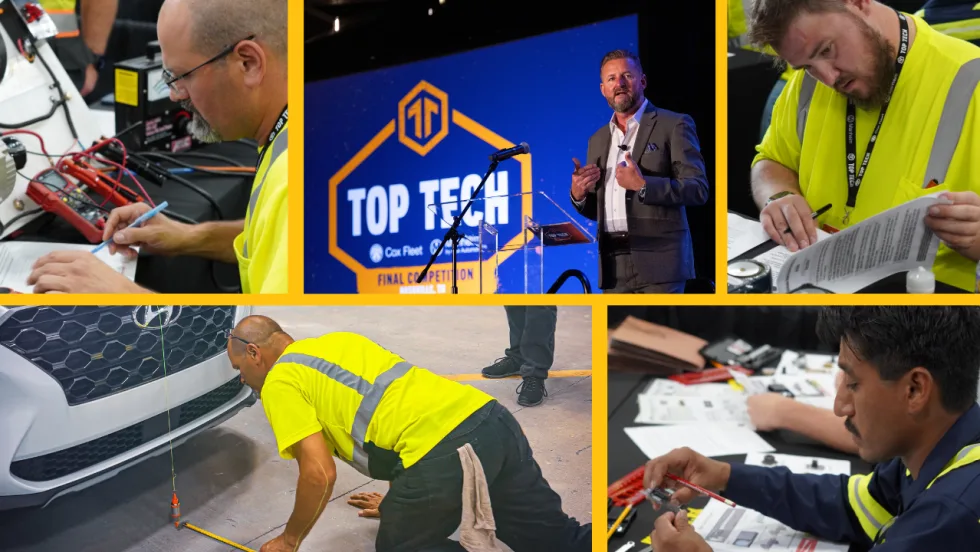
Cox Automotive Celebrates Technical Excellence at 2026 Top Tech Finals
The top technicians from Cox Fleet and Manheim tested their skills in Nashville, Tennessee, at Cox Automotive’s 2026 Top Tech Finals. The overall winners will advance to compete at the American Trucking Association’s TMC SuperTech competition.
Read More →
Grote Industries Appoints Vice President of North American Operations
Grote Industries has appointed Patrick Smith as vice president of North American operations as it celebrates 125 years of innovation and manufacturing excellence. He has more than 20 years of manufacturing leadership experience.
Read More →
Winter Fleet Prep: Expert Tips to Keep Vehicles Running Smoothly
Cold weather can expose weak batteries, tires, fuel systems, and maintenance gaps fast. Use this winter fleet checklist to prepare trucks and drivers before temperatures drop.
Read More →