




The Promise of OEM Telematics
Since the inception of commercial telematics in the 1980s, the hardware required to capture engine data has been installed aftermarket. OEM-embedded telematics solutions are growing.

As you replace your vehicles with new ones (most fleets replace at least a portion of their vehicles each year), you’ll be able to take advantage of OEM telematics as early as next year.
Photo: MiX Telematics/Adobe Stock
Since the inception of commercial telematics in the 1980s, the hardware required to capture engine data has been installed aftermarket. A bevy of vendors emerged to meet the needs of this space, all offering aftermarket hardware and software designed to help commercial fleets capture and leverage data to improve efficiency, safety, and compliance.
Telematics is now ubiquitous in large U.S. fleets, partially due to the FMCSA’s ELD Mandate, but also due to the well-known quantifiable benefits: better fuel economy, reduced fuel costs, lower maintenance costs, reduced compliance costs, and fewer crashes.
In the 2000s, OEM car manufacturers began embedding telematics into consumer vehicles – options such as GPS and vehicle tracking. We are on the cusp of many OEM truck manufacturers doing the same, and this will be a sea change for commercial telematics, ultimately enabling many fleets to enhance their coordination and integration with other ecosystem stakeholders.
Benefits for fleets include:
Lower capital costs: No need to purchase and install separate hardware for vehicles.
Implement telematics in hours, not months: Instead of installing aftermarket hardware – a process that can take weeks or even months across a large fleet – fleet managers will need only leverage a software API to connect their preferred telematics software to the OEM telematics hardware already embedded in the vehicle.
Lower support costs: Telematics hardware that’s factory installed is far less likely to break (or go missing) than an aftermarket unit affixed to the dashboard. In addition, embedded OEM telematics will typically be covered under a vehicle’s warranty, which is longer than the warranty typically offered for aftermarket telematics hardware.
A richer set of data: Currently, most OEMs limit the data that’s available to aftermarket hardware, including telematics systems. Factory-installed telematics should open up rich new data streams for fleets to capture and analyze, for enhanced insight and understanding that again will lead to better performance and lower costs.
Based on my conversations with nearly every major vehicle OEM, they all have plans to incorporate fixed telematics hardware into their vehicles, as early as 2021. In fact, Navistar has already announced its intent to so, and integrations with MiX Telematics and others. Will the OEMs develop telematics software as well? Unlikely. First, because it’s not their core competency; and second, by partnering with TSP's they will create a broader reach and collect recurring fees from their factory-installed hardware. They are actively looking to partner with telematics software providers.
What Does OEM Telematics Integration Mean for Fleets?
As you replace your vehicles with new ones (most fleets replace at least a portion of their vehicles each year), you’ll be able to take advantage of OEM telematics as early as next year. This means you’ll have a mix of telematics models in your fleet: some with aftermarket hardware, and some with OEM telematics hardware.
Assuming you already have telematics in place across your fleet, start speaking with your current vendor now about how they’ll handle OEM telematics connections. Will you be able to continue using your current telematics vendor? Best to explore this now, to give yourself time to make a switch if needed, on your timeline and your terms.
Keep in mind that OEM telematics won’t replace all your telematics hardware or all of the driver coaching solution elements. Many fleets are using in-cab video, for instance, and the OEMs we’ve talked with have no plans to get into that game. They are strictly focused on engine data.
If your fleet operates primarily in remote areas, you may need aftermarket hardware that’s satellite enabled for comms – OEMs are unlikely to provide that capability.
One thing is for certain – this change is coming. It’s not a matter of if it will affect fleets, but when. If OEM telematics are not yet on your radar screen, it’s time to educate yourself.
About the Author:
Bjorn Svinterud is OEM Telematics Director at MiX Telematics, and a longtime veteran of the telematics and transportation spaces.
More Technology
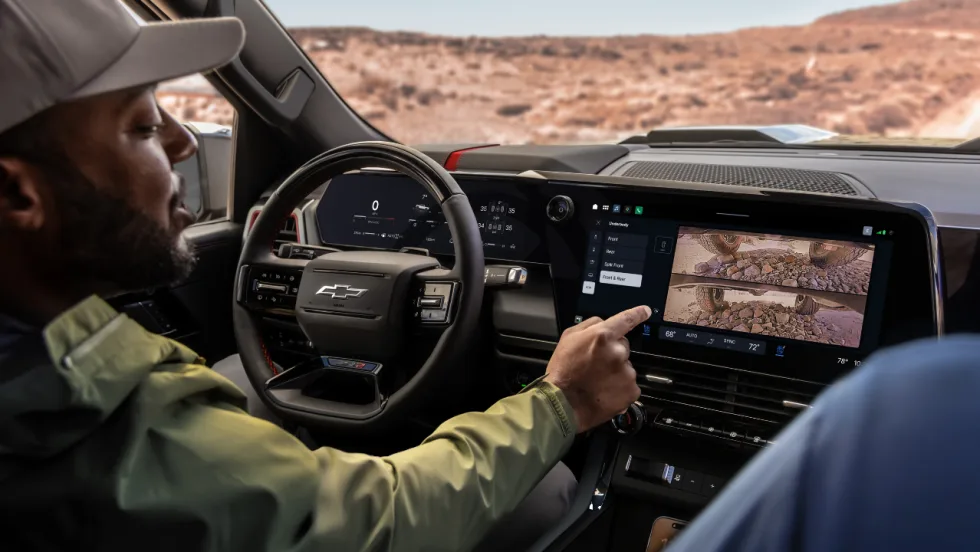
GM Brings New Truck Focused Interface to 2027 Silverado and Sierra
GM's new pickup interface puts trailering data, camera views, vehicle controls, and smartphone integration closer to the driver in the 2027 Silverado and Sierra.
Read More →
Samsara Driver Perks Expands Rewards Beyond the Long Haul Driver
Samsara’s new driver rewards program was built with a broader professional driver in mind, including employees who split their day between driving, job sites, service calls, and other work.
Read More →
AI Service Advisor Aims to Cut Fleet Repair Downtime
Fleetio said its AI Service Advisor can help fleets cut repair downtime by an average of 2.5 hours per repair while reducing manual maintenance work.
Read More →
Verra Mobility Launches AI-Driven Title & Registration Solution
Verra Mobility has launched a new AI-driven Title & Registration platform to help fleets move vehicles from acquisition to the road the same day while reducing compliance risk.
Read More →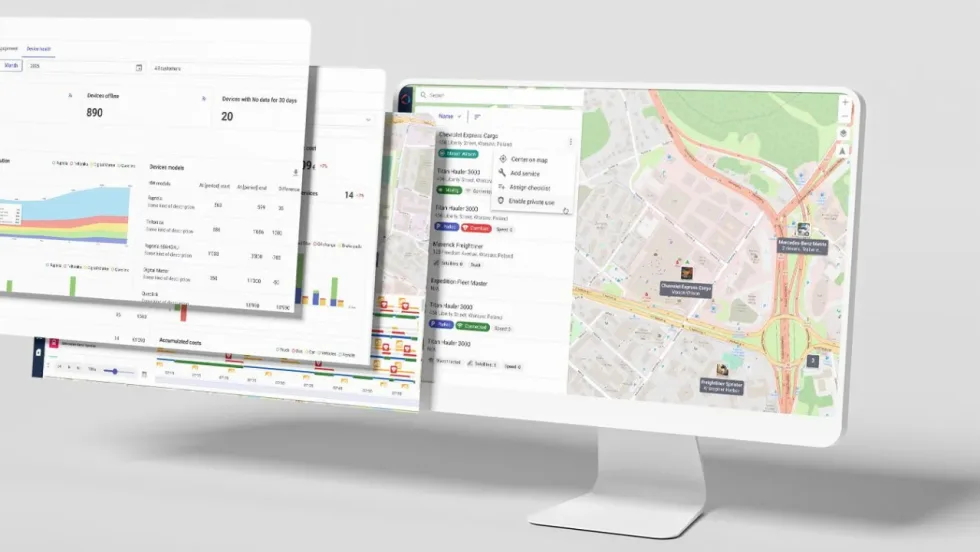
Wialon Unlocks OEM Data to Give Fleet Owners Data Ownership & Operational Clarity
Wialon has introduced hardware-free OEM integration as the EU Data Act accelerates the shift in vehicle data access across the fleet industry in many countries.
Read More →
Teletrac Navman Promotes New CEO from Within
Teletrac Navman’s next CEO, Ricardo Buranello, has served as the company’s chief financial and operating officer. He brings deep financial and operational expertise, a strong strategic orientation, and an intimate knowledge of the business to his new role.
Read More →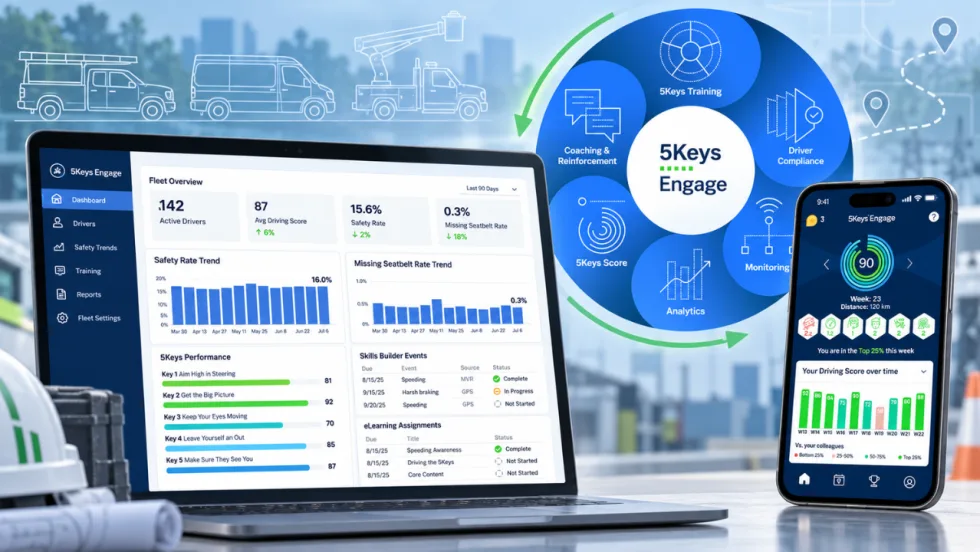
Smith System Wants Work Truck Fleets to Look Beyond the Driver Alert
Smith System’s new Driver Risk Management program is built to help mixed work truck fleets turn telematics alerts and observations into specific behaviors, coaching actions, and measurable follow-up.
Read More →
Ford Pro Software Updates: August 26
Check out the latest Ford Pro software updates, including Google Maps integration, Remote Vehicle Alarm integration, Motor Pool for easier management of shared pool vehicles, and more.
Read More →
Where AI Is Actually Saving Fleet Managers Time
AI is moving past the buzzword stage and into the daily fleet workflow. Fleetio’s Brianna Perry Lang breaks down where fleets are seeing real time savings, from maintenance and data entry to repair decisions, safety, and compliance
Read More →
Are Work Truck Drivers Warming Up to Dash Cams and GPS Tracking?
A new survey finds field-service drivers may be more comfortable with dash cams and GPS tracking than fleet managers think, especially when the technology helps protect them after a crash.
Read More →