




Telematics: Video and Add-on Advancements
With a growing variety of fleet management software and applications, requests for further integrations with video and other services, advancements, and enhancements continue to be in high demand.

Predictive analytics and the much-talked about "integration craze" is finally here.
Photo by alxpin via Getty Images.
Considering the unbridled growth of the fleet-directed software development space, safety- and cost-conscious fleet managers and business owners can finally be assured that predictive analytics and the much-talked about "integration craze" is finally here.
According to the Bureau of Labor Statistics, there were more than 1.2 million software developer jobs in 2016 with 24% growth expected by 2026. Anyone who has tried out "smart" products — be it a fully connected and automated home or a robot vacuum cleaner — knows exactly what we're referring to. The intersection of artificial intelligence and daily tasks has finally arrived.
With cloud-based services, open and secure platforms, and fleet management information systems (FMIS), connected fleets are becoming the norm rather than the unique, and fleets are using them to integrate systems, including telematics paired with fuel cards, video solutions, and much more.
Software Integration: Three Ways
Software integrations are made possible through three main avenues:
An open platform or available add-ons from third-party software providers.
An application programming interface or software development kit.
Custom options for data integration services.
Integrations can mean less time spent crunching numbers, pulling Excel reports, and working with raw data to analyze information from different systems. It also means more opportunities to identify safety and compliance needs.
Without integrations in place, fleets may often find themselves confused about where to get the data they need, whether there will be an increased cost to maintain uncommunicative systems, and whether to add time to an audit to retrieve data from each system as needed.
Onboard Video: What the Systems Provide

Safety-related systems integrations could include alert wearables for employees working in remote locations or hazardous conditions.
Photo by Halfpoint via Getty Images.
The first onboard video systems were VHS-based and initially limited, with some exceptions, to bus fleets. Today's video systems can operate through the cloud, wirelessly, and other flexible systems depending on the fleet's needs and connectivity options.
These video and event-based systems connect with the accelerometer other onboard sensors and provide valuable data before, during, and after driving events. Reconstructing incidents can exonerate or condemn any involved party. Even more important is the information that video tells a fleet about what happened before an accident, including distracted driving. Some can even alert drivers and supervisors when the driver's eyes aren't on the road, addressing drowsy driving as well.
This data can help build highly individualized training to curb risky behaviors. It can also mean more effective new-hire training and policy handbooks specific to the challenges your fleet drivers deal with on a daily basis.
According to the NTSB, fleets should look for onboard video systems that provide:
Visibility of the driver
Visibility of each occupant seating location
Visibility forward of the vehicle
An optimized framerate
A low-light "night vision" setting
What You Can Integrate
With more options come more opportunities to build a management system specific to your fleet's needs, industry type, and services. For example, driver scorecard apps that can integrate with telematics systems can provide choices of data points to customize and compare to make up a driver's safety score. Some scorecards even let you customize the weights of different KPIs to make up the driver scores.
Many fleets report that these more detailed driver scores also help in providing tailored and therefore effective driver training and rewards programs. In turn, drivers today seem to feel less reluctant about the software and are more likely to view it as something that benefits versus monitors them.
With integrations, fleets can go beyond the vehicle. Using safety as an example of this next-level intelligence, near-field communication technology can mean keeping vehicles organized by driver assigned levels, allowing a driver with only a certain security allowance to drive certain vehicles. Fingerprint technology and built-in OEM app integrations for a better view on driver behavior and fuel efficiency are also on the rise. Safety can also mean integrating with mobile workforce alert systems, including emergency alert wearables for employees in dangerous working conditions.
Integrations are not just about creating a connected system within operations. They can empower your workforce, including but not limited to drivers, in the daily decisions they make and their ability to achieve workplace goals.
Originally posted on Automotive Fleet
More Technology
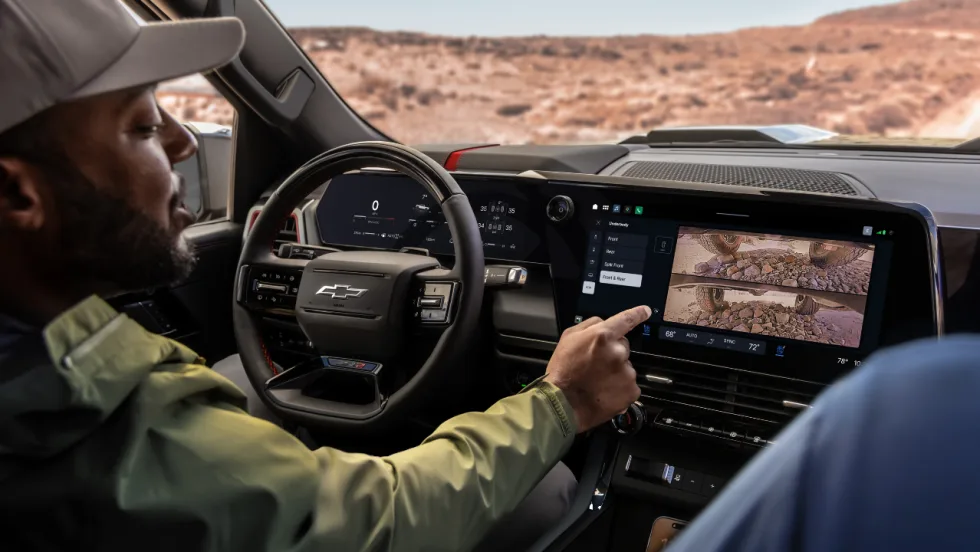
GM Brings New Truck Focused Interface to 2027 Silverado and Sierra
GM's new pickup interface puts trailering data, camera views, vehicle controls, and smartphone integration closer to the driver in the 2027 Silverado and Sierra.
Read More →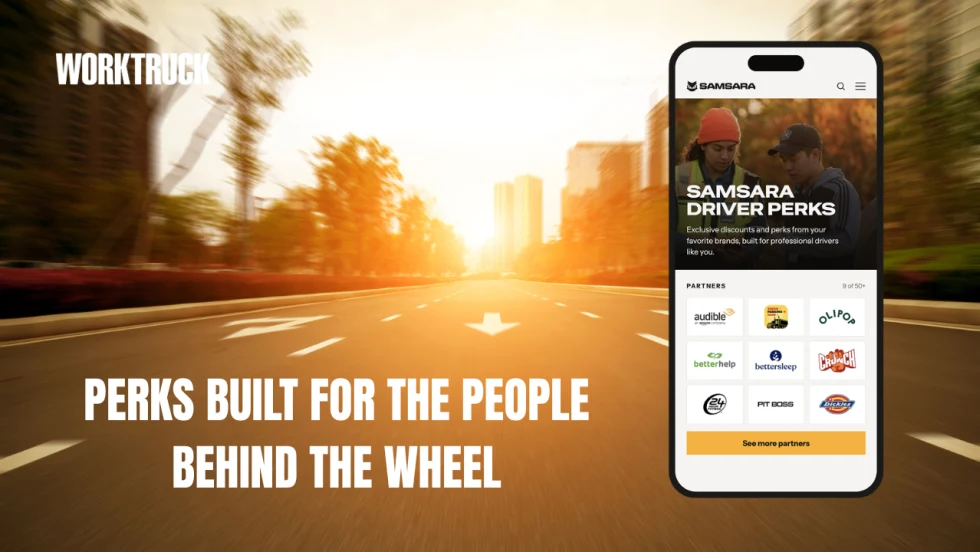
Samsara Driver Perks Expands Rewards Beyond the Long Haul Driver
Samsara’s new driver rewards program was built with a broader professional driver in mind, including employees who split their day between driving, job sites, service calls, and other work.
Read More →
AI Service Advisor Aims to Cut Fleet Repair Downtime
Fleetio said its AI Service Advisor can help fleets cut repair downtime by an average of 2.5 hours per repair while reducing manual maintenance work.
Read More →
Verra Mobility Launches AI-Driven Title & Registration Solution
Verra Mobility has launched a new AI-driven Title & Registration platform to help fleets move vehicles from acquisition to the road the same day while reducing compliance risk.
Read More →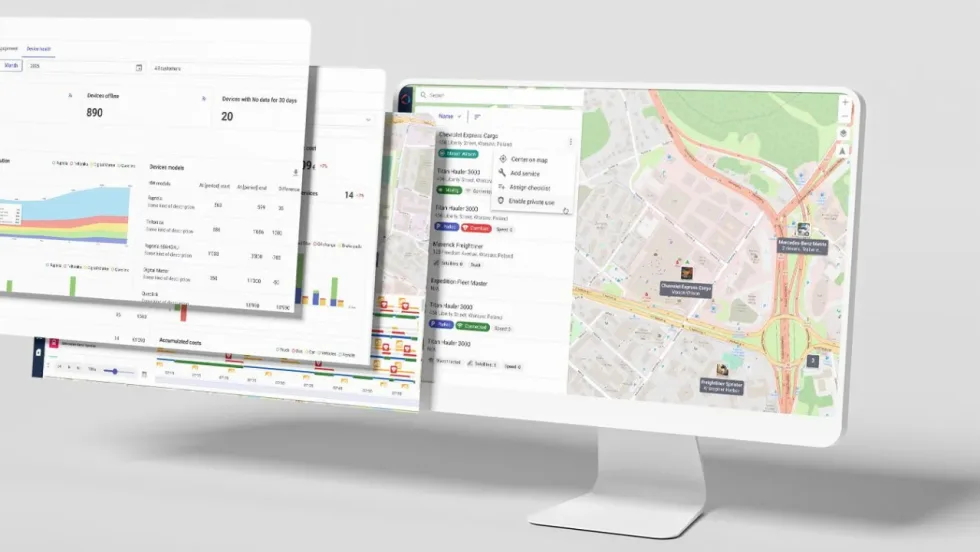
Wialon Unlocks OEM Data to Give Fleet Owners Data Ownership & Operational Clarity
Wialon has introduced hardware-free OEM integration as the EU Data Act accelerates the shift in vehicle data access across the fleet industry in many countries.
Read More →
Teletrac Navman Promotes New CEO from Within
Teletrac Navman’s next CEO, Ricardo Buranello, has served as the company’s chief financial and operating officer. He brings deep financial and operational expertise, a strong strategic orientation, and an intimate knowledge of the business to his new role.
Read More →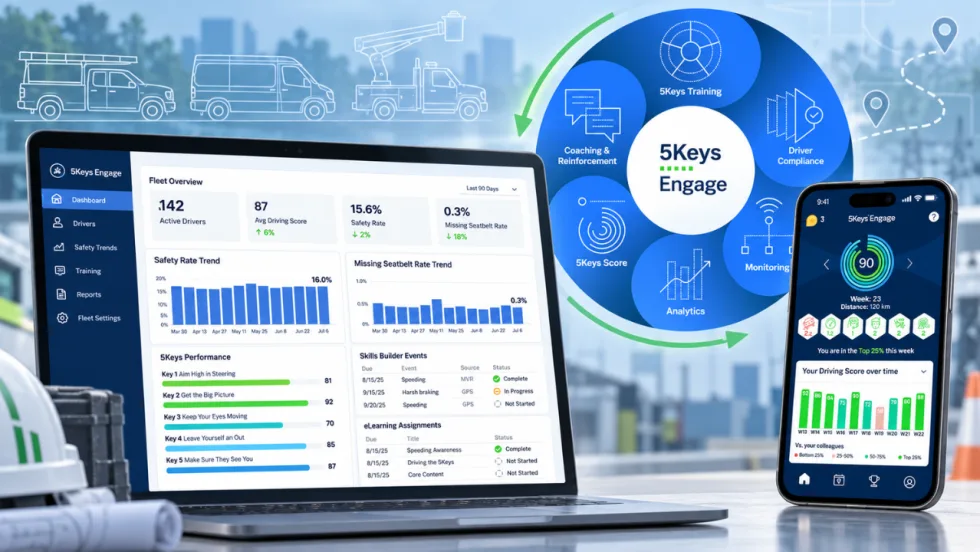
Smith System Wants Work Truck Fleets to Look Beyond the Driver Alert
Smith System’s new Driver Risk Management program is built to help mixed work truck fleets turn telematics alerts and observations into specific behaviors, coaching actions, and measurable follow-up.
Read More →
Ford Pro Software Updates: August 26
Check out the latest Ford Pro software updates, including Google Maps integration, Remote Vehicle Alarm integration, Motor Pool for easier management of shared pool vehicles, and more.
Read More →
Where AI Is Actually Saving Fleet Managers Time
AI is moving past the buzzword stage and into the daily fleet workflow. Fleetio’s Brianna Perry Lang breaks down where fleets are seeing real time savings, from maintenance and data entry to repair decisions, safety, and compliance
Read More →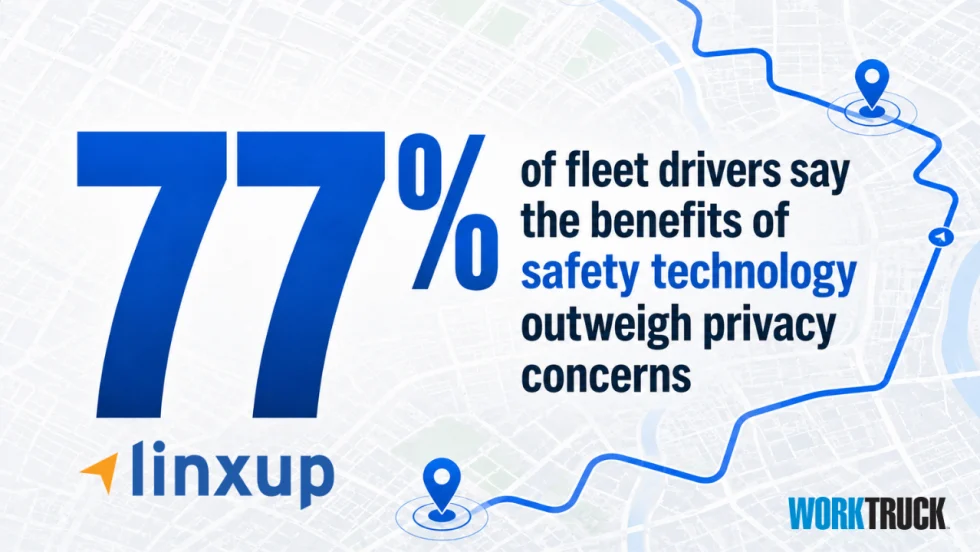
Are Work Truck Drivers Warming Up to Dash Cams and GPS Tracking?
A new survey finds field-service drivers may be more comfortable with dash cams and GPS tracking than fleet managers think, especially when the technology helps protect them after a crash.
Read More →