





Employing Essential Data for an Effective Electrification Program
Strategic & Proactive: Using Data to Drive Fleet Efficiencies
With all the advanced technology baked into new and upcoming vehicles, fleet managers need to understand how to use that tech to get the most out of every mile.
December 22, 2022

Fleet managers should understand charging data and if loads are co-metered with charging infrastructure, as well as peak demand, to schedule charging outside of that window and avoid costly charges.
Photo: Getty Images/metamorworks
5 min to read
Managing a fleet is a combination of roles, responsibilities, and rules that must be juggled along with ensuring your customers and drivers are happy. There are no shortcuts, no easy solutions to complicated challenges, and no success without hard work.
This increasingly challenging environment is getting some assistance from the advanced technologies now available on many vehicles today. From electric vehicles to connected vehicles, fleet managers are able to get the most out of every bit of data to help change the way they make purchases and run their fleets.
“As data sets continue to grow, we’ve seen an evolution in how fleet managers use the data,” said Shannon Keck, product manager at Wheels. “Decisions were more transactional and reactive in nature, but now have moved to more strategic and proactive.”
One form of this pertains to driver behavior. By monitoring driver behavior, fleet managers no longer need to wait for an accident to occur to take corrective action, according to Keck. By observing crash indicators and making the driver aware of their poor behaviors, they can then assign training to correct the poor driving skills before an incident ever occurs.
Your Partners Can Help
Before experiencing all the bells and whistles that now come along with new vehicle tech, fleet managers need to educate themselves on what is available and how it can benefit their team. Starting with their current provider network, fleets can also turn to industry education and information sources that are available online and at industry events.
“They should have access to a plethora of data, solutions, and case studies that their extended team should be sharing already, but if not, they could request any facet of the connected vehicle journey like OEM solutions, vehicle safety tech stacks, and risk and compliance strategies, as well as help with the socialization and implementation of new tech into their organizations,” said Erin Gilchrist, vice president of fleet evangelism at IntelliShift. “And then there’s the very popular and successful way to learn in the fleet community — from each other and our collective experiences.”
Fleet management companies are also a great source, notes Keck. Their teams of subject matter experts know the latest technologies and offerings and have deep knowledge of how fleets operate.
“For many fleets, vehicles will need different ways to achieve connectivity based on model year and type. We can help explain the differences and make sure the solutions deliver in the areas most important to your compliance needs and business goals,” she added.
Moving into EVs
The EV revolution certainly picked up some steam in the last few years, with companies having a greater understanding of how they might successfully fit into their fleet operations.
“When fleets begin their EV journey, understanding the vehicle’s utilization, locations, and dwell time is important to make sure the vehicle will fulfill the driver’s needs, has suitable range and charging options available,” said Keck.
Telematics can also help fleets understand the next steps in the EV journey, with options that offer driver identification and associates which trips are effective for the EV transition, along with whether pooling routes might help fleets replace their ICE vehicles with EVs in a cost-effective manner.
“Once you’ve adopted EVs, connected vehicle data can ensure vehicles are being charged — when and where they should be. Through route optimization, we can also make sure the vehicle travels a route that optimizes their battery charge and has charging options along the way,” she added. “Connected vehicle data can also be used to understand emission output and determine charging reimbursement.”
Rightsizing your fleet is also important, and by tracking vehicle miles traveled (VMT), you can measure utilization and identify possible reduction opportunities, according to Sarah Booth, chief operating officer at Sawatch Labs.
“However, as fleet managers know well, relying solely on VMT can underestimate a vehicle's usage. To get a fuller picture of vehicle usage, fleets typically use their telematics data to track VMT, hours of operation, and days of use. These metrics can identify vehicles that are used infrequently as well as low-mileage vehicles that are used most days of the week,” she said.
Sawatch Labs’ software can assist fleets by categorizing a vehicle as in-use when it is away from its parking facility, regardless of whether it is actively being driven, allowing fleets to look at each day of the year and quickly see how many vehicles are sitting idly in their lot at the same time, allowing them to right-size their fleet without impacting operations.
Charging With Data
Data goes beyond the vehicle at times as well, as fleets will learn when they begin plugging in their new EVs. Marrying the data from these and other sources can give fleet managers an even better understanding of how to get the most out of their EV evolution.
“The tricky part for this is that fleets need data from their vehicles, from their chargers, and from their facility or utility,” said Booth. “On the vehicle side, the fleet needs to know what the state of charge is when the vehicle arrives at the parking facility, its charging rate, and when the vehicle needs to be ready to depart for its next trip. For the chargers, the fleet needs to know which chargers are in-use and when chargers will become available, as well as the charging output.”
Fleet must also understand if loads are co-metered with the charging infrastructure and what the peak demand is at the facility so that they can schedule charging to occur outside of the peak demand window to avoid costly demand charges, added Booth. This data can be used to optimize charging schedules across vehicles to ensure vehicles are charged when needed for the lowest cost.
On the Precipice
The fleet industry is on the precipice of a new world in terms of vehicle technology, and by preparing for it now, fleet managers can stay ahead of the game and ensure they are not left behind.
“When it comes to connected vehicles and vehicle tech stacks, it’s not about if but when and the fleet ecosystem needs to fully adopt a mindset of sustainability — this is not a buzzword but rather a way of thinking and working,” said Gilchrist. “In that everything we do as fleet leaders should be tied back to safety and efficiency which are to two most important aspects of a sustainability plan.”
Originally posted on Automotive Fleet
Subscribe to Our Newsletter
More Operations
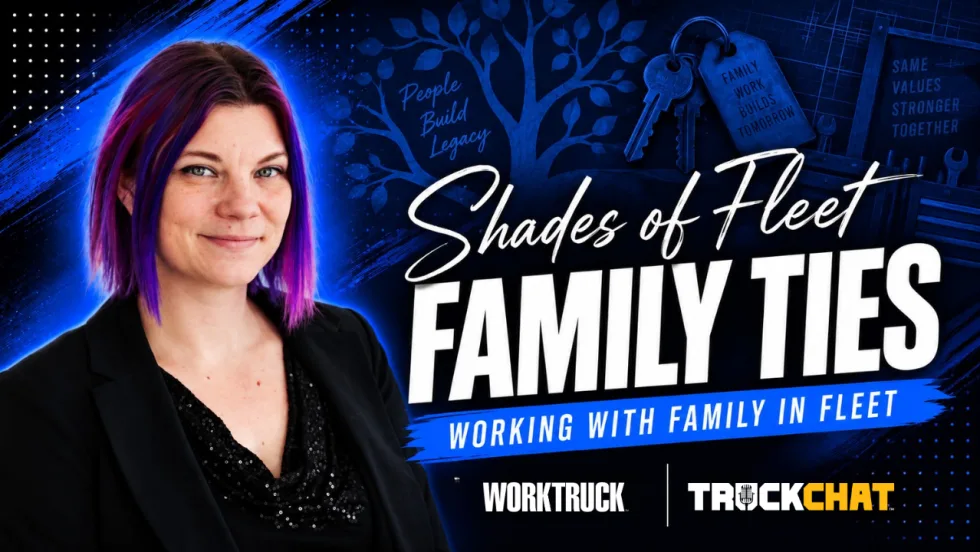
Family Ties Inside the Fleet Families Building Careers Across Generations
Three fleet families share what it really takes to work together, learn across generations, and keep business from following them home.
Read More →
Shades of Fleet Call for Voices: Fleet's Hidden Heroes
Fleet’s hidden heroes are often the ones keeping everything moving behind the scenes. September’s Shades of Fleet is looking for dispatchers, coordinators, parts specialists, and other support pros to share their stories.
Read More →
Truck Centers, Inc. Celebrates National Truck Driver Appreciation Week with $1,000 Fuel Card Giveaways
During National Truck Driver Appreciation Week, Truck Centers, Inc. is offering customers a chance to fuel up for free. Customers at all Truck Centers locations can enter to win one of four $1,000 fuel cards from Sept. 14 - 18.
Read More →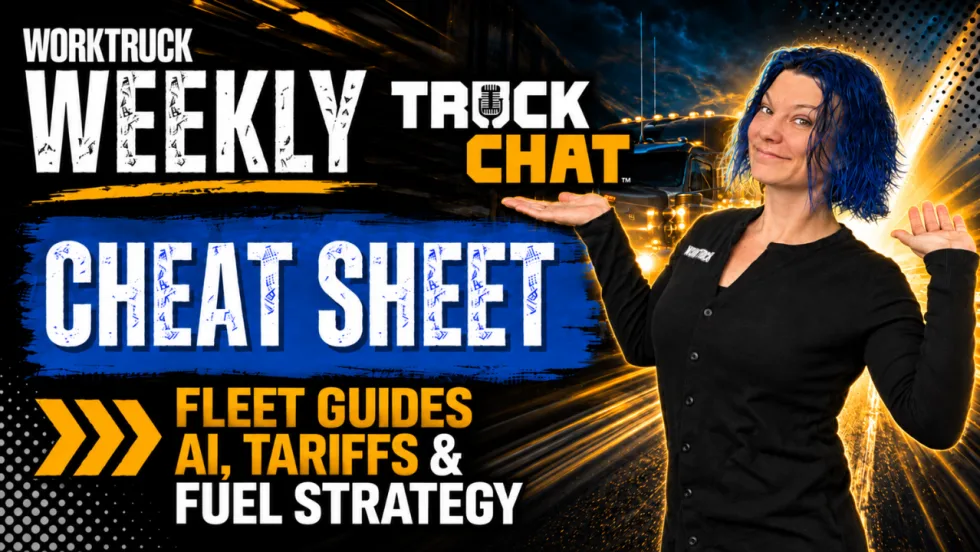
Fleet Guides, AI Time-Savers, Truck Tariffs & Fuel Strategy Lead the News
This week’s Truck Chat Cheat Sheet covers new fleet vehicle guides, practical AI use cases, U.S.-Canada truck production, mixed-energy strategy, and more.
Read More →
What Fleet Employers Are Missing When Hiring Veterans
What if some of the strongest candidates for fleet are already out there, but their experience is written in a language our industry does not always recognize?
Read More →
Automotive Fleet Opens 2026 Personal Use Survey for Commercial Fleet Managers
Less than two weeks left! Commercial and corporate fleet managers are invited to share how their organizations handle company vehicle personal-use policies, charges, and driver eligibility.
Read More →
What Resilient Fleets Do Differently When Conditions Change
Fleet resilience is about more than reacting to disruption. Lauren Fletcher talks with AP Fleet’s Alex Coveney about flexibility, planning, scaling, and what helps fleets adapt when business conditions shift.
Read More →
If We Want the Next Generation in Automotive, We Have to Give Them a Reason to Care
The automotive industry talks constantly about its workforce shortage. But before we can recruit the next generation, we may need to do a better job giving kids a reason to care about automotive in the first place.
Read More →
Ram ProMaster City Under $40K, Truck Tariffs, and AI Maintenance Lead the News
A sub-$40K commercial van, tariff questions, AI-powered maintenance, and a new EV production strategy headline this week’s Truck Chat Cheat Sheet.
Read More →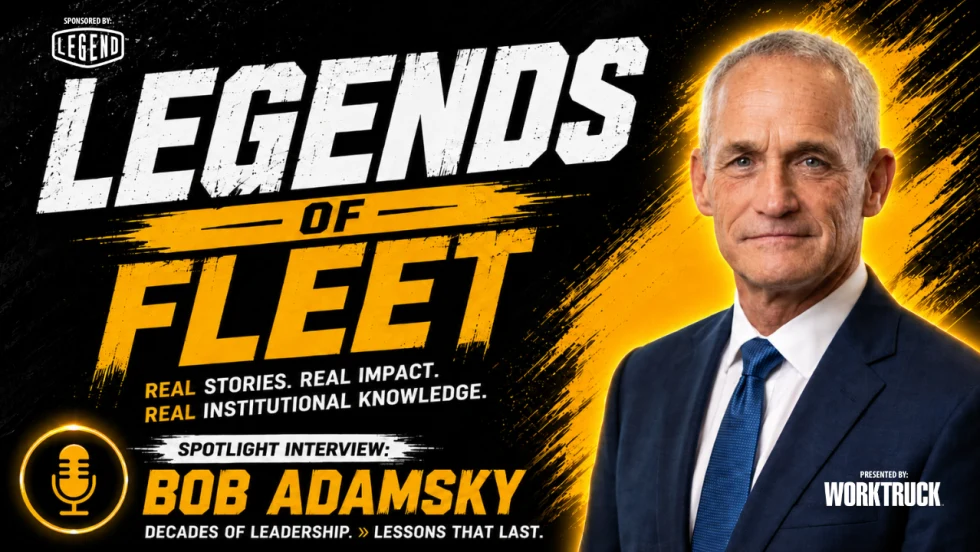
Bob Adamsky Shares the Fleet Lessons You Usually Learn the Hard Way
After more than 30 years in fleet, Arrow International’s Bob Adamsky has learned that the job is about far more than vehicles. He shares the lessons he wishes every fleet manager could learn a little earlier.
Read More →