




Selecting the Right ELD
Since the ELD mandate took effect in December 2018, fleets have had a chance to put their new solutions to use. But, did you select the best option?
A full-featured telematics system addresses a full spectrum of fleet needs – not just compliance, but also safety and efficiency – and can actually pay for itself over time from fuel savings, crash avoidance, and maintenance cost reductions. Image courtesy of Getty Images
Photo: Getty Images
There was a mad scramble among fleets to get an ELD solution in place in time for the ELD Mandate deadline of December 2017. Toward the end, the mood was almost frantic. Like a grocery store run before a snowstorm, some fleets were grabbing anything they could off the shelves.
Now, the hangover has begun. Since the ELD Mandate has gone into effect, I have spoken with several fleet managers who have buyer’s remorse, regretting their ELD decision. In most cases, they purchased a light solution that was simple to implement but provides little value other than bare bones hours-of-service (HOS) compliance.
What went wrong and why are they in this situation? These fleets didn’t identify their telematics business requirements prior to selecting an ELD solution, and the one they picked doesn’t meet their needs.
The Downside of 'Light' ELD Tools
In general, there are two types of ELD tools: light, basic HOS compliance tool and full-featured telematics solutions that address a variety of business requirements including safety, efficiency, and compliance.
A light ELD solution typically consists of an easy to install plug-and-play device that connects to the vehicle’s Engine Control Module (ECM). The device uses Bluetooth to connect to the provider’s ELD application, which runs on a smartphone or tablet.
The primary advantage of this approach is that these devices are easy to install and generally are inexpensive compared to a full-featured ELD/telematics offering. Many fleets procrastinated as the ELD deadline approached – perhaps hoping the mandate would be delayed or overturned. For them, quick install and low cost became attractive options.
Now many of these fleet managers regret their decision. They are realizing that they have many more business needs that need to be addressed. Here are some additional concerns I’m hearing about low-end ELDs:
Drivers forget or lose their phone/tablet.
Drivers drop or break their phone/tablet.
Batteries die on the phone/tablet.
Intermittent Bluetooth connections cause HOS logs to not be synced with the ECM.
These systems cannot be expanded or upgraded.
These challenges keep fleets from keeping accurate HOS records, which is a real problem in a roadside check or audit. At a minimum, ELDs need to automatically log driver HOS, and drivers need to be prepared to share those records upon request at a roadside inspection.
One fleet manager I recently spoke with has a mix of heavy- and light-duty vehicles, different types of routes, and puts a strong emphasis on safety improvements and crash prevention. His management is also interested in efficiency improvements, such as fuel economy. The light ELD tool the fleet purchased does not address any of those issues, and it cannot be upgraded – instead, the fleet has to rip it out and replace it with another system.
A full-featured telematics system addresses a full spectrum of fleet needs – not just compliance, but also safety and efficiency – and can actually pay for itself over time from fuel savings, crash avoidance, and maintenance cost reductions.
Benefits of Full-Feature ELDs
The primary driver behind the ELD Mandate is safety, and the need to better track and enforce Hours of Service rules. Since ELDs are now mandatory in trucks anyway, a lot of fleets are looking for them to do more.
A MiX Telematics survey found that fleet management solutions help fleets reduce operating costs by $50-100 per vehicle, per month, after accounting for the cost of the system. This shows that while a bare-bones ELD is likely to cost money, a full-featured one can actually reduce a fleet’s overall operating costs. Here’s how.
1. Improved Compliance
ELDs help with HOS compliance by automating data capture and eliminating the errors associated with paper logs and manual back endpaper processing. They can also help with IFTA compliance and fuel-tax reporting. This automated data capture not only saves fleets time but also reduces their exposure to fines, which in turn improves their CSA score.
2. Improved Safety
Safety is the number one benefit of ELDs and fleet management systems, which can track not only assets but driver behavior such as rapid acceleration, harsh braking, and speeding, in order to create driver scorecards and coach drivers to improve their practices. Some ELD and fleet management systems come equipped with integrated in-cab video that can provide visual evidence for accident reconstruction and insurance subrogation, and features that help eliminate distracted driving. All of this together helps reduce crashes, which in turn may help reduce a fleet’s insurance rates.
3. Improved Efficiency
ELDs obviously eliminate paper use, and that can save a fleet thousands of dollars a year alone. But they also save time on reporting through data integration, and can also help:
Increase fuel economy (though improved driver behavior, less idling).
Optimize asset utilization.
Reduce maintenance costs (less wear and tear on vehicles through improved driver behavior).
One of the frustrations we’re hearing from fleets that went the bare-bones route initially is that their basic systems cannot be upgraded. If they want more functionality, they have to rip and replace, essentially starting over and wasting their initial investment. When they realize the limitations of their basic ELD system, they tell us they wish they had gone with something more robust from the start.
Factors to Consider in Selection
Whether you are in the market for an ELD solution for the first time or looking to replace a basic ELD tool, here are characteristics to look for in a platform and vendor:
Consultative partnering approach to help fine-tune your business objectives
A scalable/modular platform that meets your objectives today, and can scale to meet future requirements
Service-oriented approach with dedicated resources aligned to your business objectives to drive desired results and ROI
Proactive and reactive customer support
Contracted penalties associated with Service Level Agreements
State-of-the-art technology with software that can be updated over the air, eliminating the need to manually update units as FMCSA requirements change
If ELD is done right, the system should pay for itself every month.
Related: Drivers Operating Without ELD May Now be Put Out of Service
More Technology
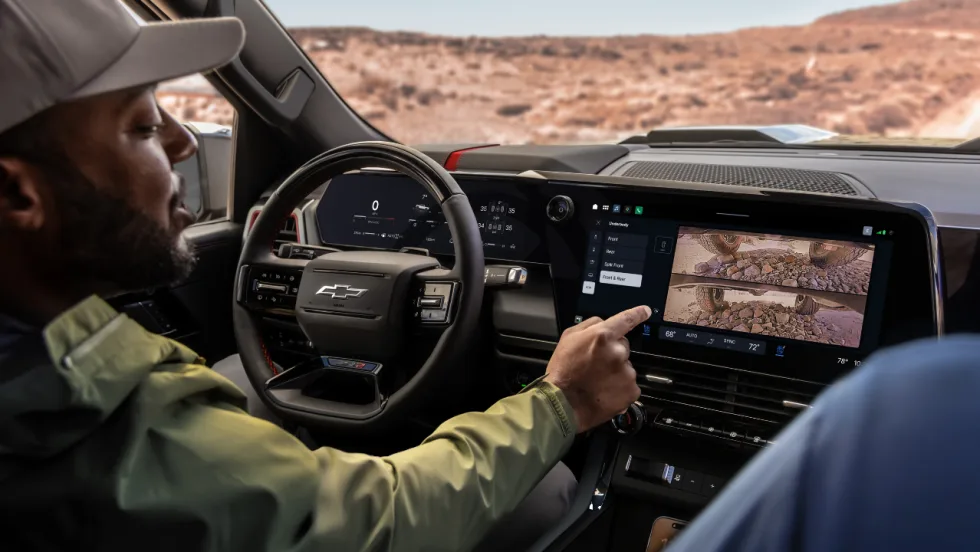
GM Brings New Truck Focused Interface to 2027 Silverado and Sierra
GM's new pickup interface puts trailering data, camera views, vehicle controls, and smartphone integration closer to the driver in the 2027 Silverado and Sierra.
Read More →
Samsara Driver Perks Expands Rewards Beyond the Long Haul Driver
Samsara’s new driver rewards program was built with a broader professional driver in mind, including employees who split their day between driving, job sites, service calls, and other work.
Read More →
AI Service Advisor Aims to Cut Fleet Repair Downtime
Fleetio said its AI Service Advisor can help fleets cut repair downtime by an average of 2.5 hours per repair while reducing manual maintenance work.
Read More →
Verra Mobility Launches AI-Driven Title & Registration Solution
Verra Mobility has launched a new AI-driven Title & Registration platform to help fleets move vehicles from acquisition to the road the same day while reducing compliance risk.
Read More →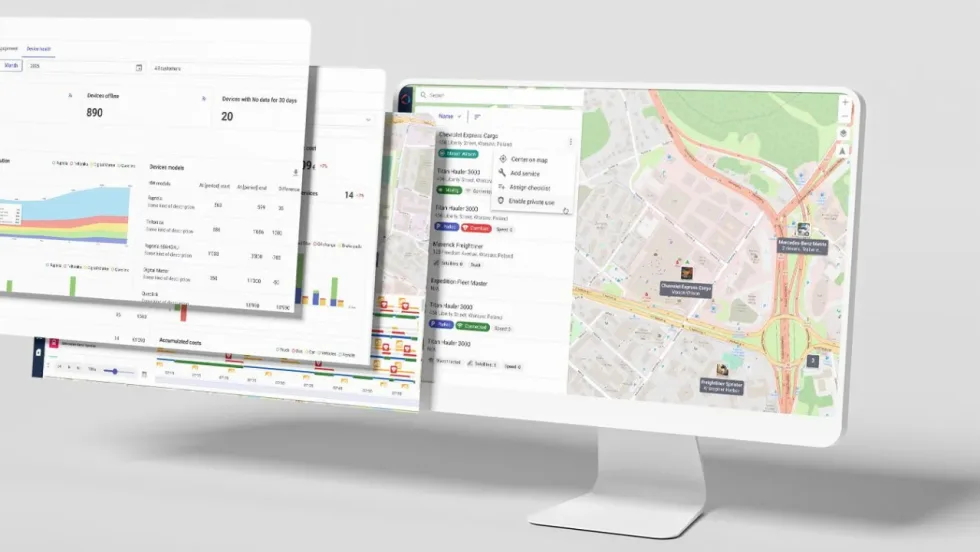
Wialon Unlocks OEM Data to Give Fleet Owners Data Ownership & Operational Clarity
Wialon has introduced hardware-free OEM integration as the EU Data Act accelerates the shift in vehicle data access across the fleet industry in many countries.
Read More →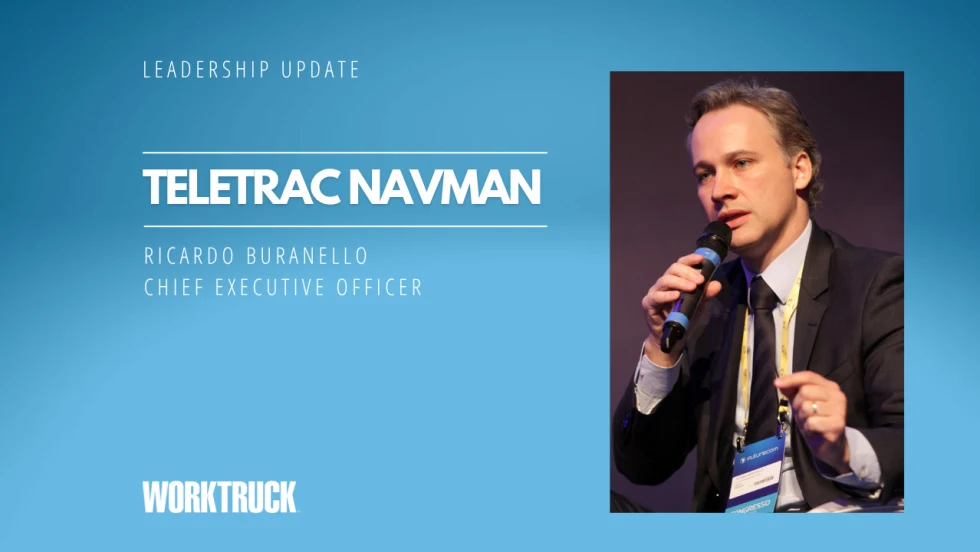
Teletrac Navman Promotes New CEO from Within
Teletrac Navman’s next CEO, Ricardo Buranello, has served as the company’s chief financial and operating officer. He brings deep financial and operational expertise, a strong strategic orientation, and an intimate knowledge of the business to his new role.
Read More →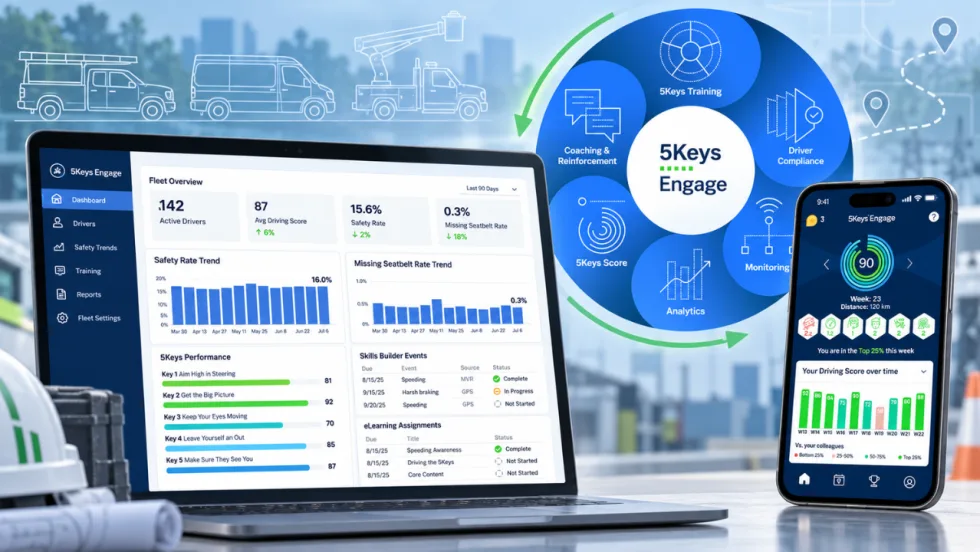
Smith System Wants Work Truck Fleets to Look Beyond the Driver Alert
Smith System’s new Driver Risk Management program is built to help mixed work truck fleets turn telematics alerts and observations into specific behaviors, coaching actions, and measurable follow-up.
Read More →
Ford Pro Software Updates: August 26
Check out the latest Ford Pro software updates, including Google Maps integration, Remote Vehicle Alarm integration, Motor Pool for easier management of shared pool vehicles, and more.
Read More →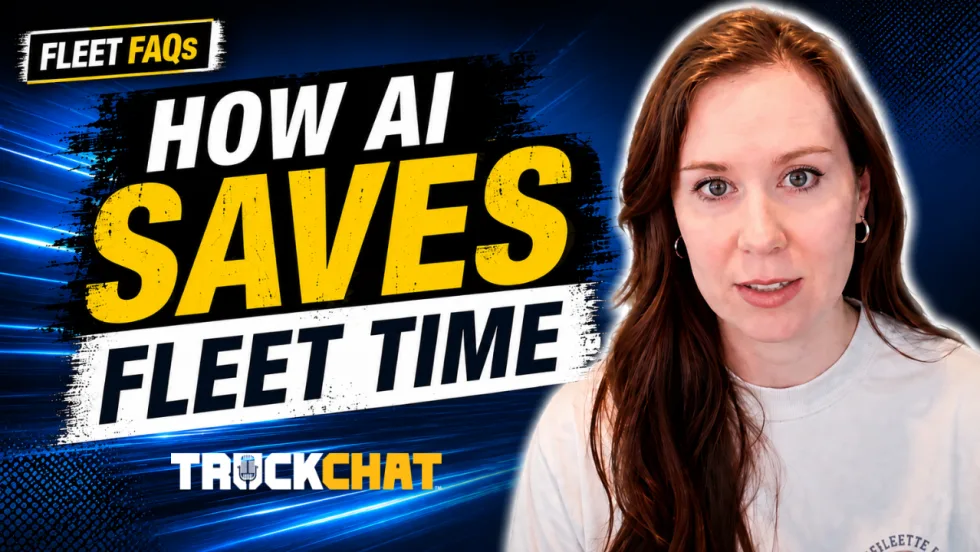
Where AI Is Actually Saving Fleet Managers Time
AI is moving past the buzzword stage and into the daily fleet workflow. Fleetio’s Brianna Perry Lang breaks down where fleets are seeing real time savings, from maintenance and data entry to repair decisions, safety, and compliance
Read More →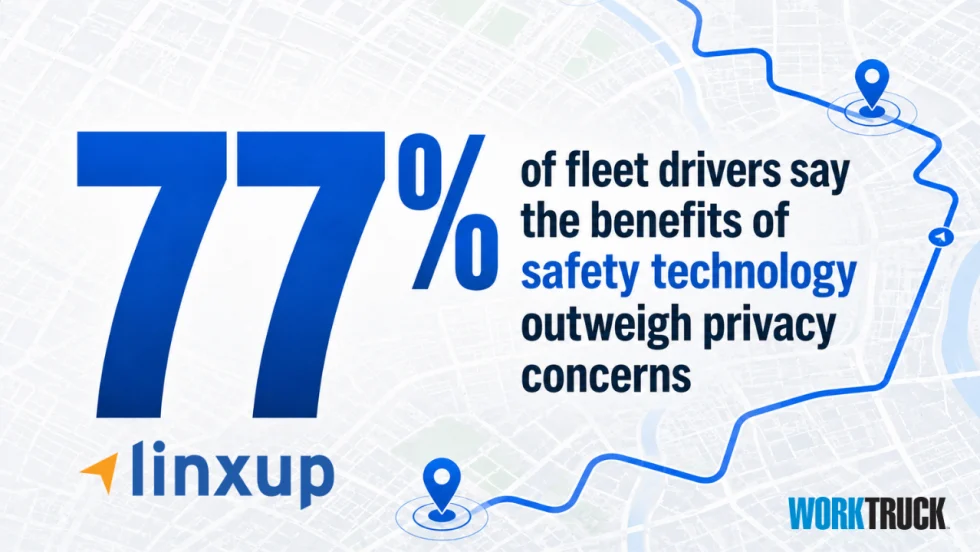
Are Work Truck Drivers Warming Up to Dash Cams and GPS Tracking?
A new survey finds field-service drivers may be more comfortable with dash cams and GPS tracking than fleet managers think, especially when the technology helps protect them after a crash.
Read More →