




Sausage Supplier Saves 50% on Fuel Switching to Propane
Propane autogas was an easy transition for this meat delivery fleet, which already had an onsite propane tank for building power and was able to secure a grant to cover 70% of the conversion cost.

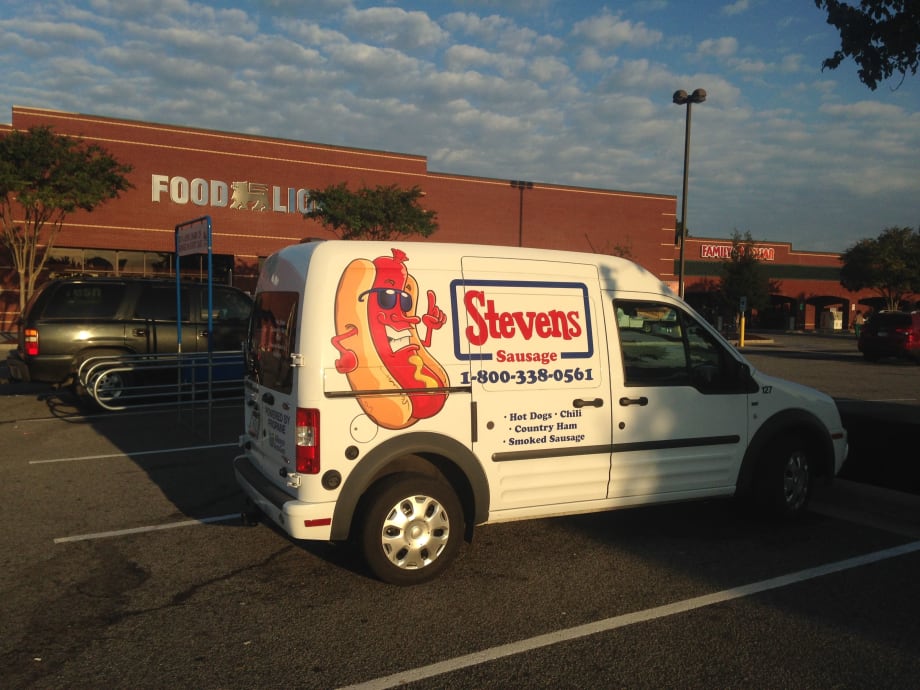
One of Stevens Sausage's propane-powered Ford Transit Connect vans.The vans can get over 21 miles per gallon on propane autogas.
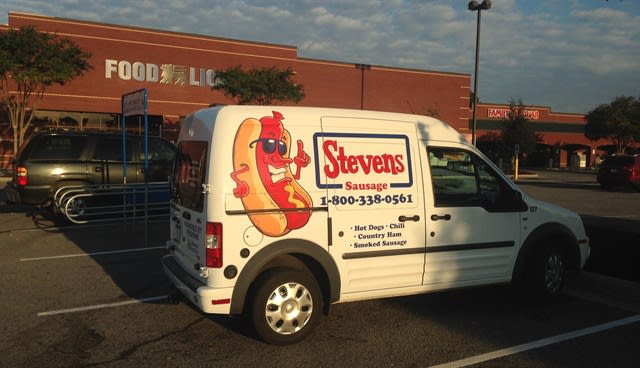
One of Stevens Sausage's propane-powered Ford Transit Connect vans.The vans can get over 21 miles per gallon on propane autogas.
Tim Stevens wanted to find an alternative fuel option for his diesel vehicles, which used around 700 gallons of diesel per week. After he did some research, propane autogas seemed like the best fit, especially because Stevens Sausage already used propane in its manufacturing process.
“We were already familiar with propane as far as powering generators and boilers,” says Stevens, president of Stevens Sausage. “After doing some research, we discovered propane autogas would not only be an easy transition, it would also fit our vehicle needs with less maintenance, reduced fuel costs and low installation costs.”
Founded in 1948, Stevens Sausage is a supplier of meat products (sausage, ham, hot dogs, etc.) in eastern North Carolina that delivers to grocery stores and restaurants in more than 10 states east of the Mississippi. Made up of 13 vans and trucks, Stevens Sausage’s fleet includes Ford F-650s, Ford Transit Connects, Silverado pickups, a GMC Sierra pickup and a Chevrolet Colorado pickup.
Currently, all of Stevens Sausage’s fleet vehicles run on bi-fuel propane autogas engines. For refueling, a single propane dispenser was installed off of its existing 12,000-gallon propane tank.
Conversion Process
While researching propane autogas, Stevens attended Triangle Clean Cities Coalition meetings and started networking with other companies who were also interested in converting to alternative fuels.
A Clean Fuel Advanced Technology grant helped offset a majority of the upfront costs including purchasing new vehicles and installing the bi-fuel engines. “The grant money helped cover 70% of the conversion cost,” says Stevens.
Switching his fleet to propane has been about a two-year process for Stevens.
After purchasing new vehicles from Capital Ford in Raleigh, ICOM North America sent out technicians to install propane bi-fuel conversion kits on each of the trucks and vans. According to Stevens, a technician could install the conversion kit in one day — the hardest part was getting the propane tanks onto the truck beds.
“A bi-fuel engine is like having two fuel systems,” says Stevens. “The vehicle starts on gasoline but usually switches to propane within seconds. We don’t have to use gasoline too often, but it’s nice to have it on a few of our routes where the propane will run out.”
Because the company’s facility already had a large propane tank onsite, Stevens’ local propane retailer was able to install a single refueling dispenser to the existing tank. With help from ICOM, the drivers were trained on how to safely refill the vehicles with the propane dispenser and how to work the propane fuel gauge.
Fuel Savings
Covering a service area of about 200 miles per day, each fleet vehicle averages around 45,000 miles per year. In the last year, the fleet has used over 60,000 gallons of propane autogas, according to Stevens.
“We use about 1,200 to 1,300 gallons of propane autogas a week and see about a 50% savings on fuel,” says Stevens. “The cost savings really add up.”
“Propane isn’t for everyone,” adds Stevens. “You need the right situation. For us, we already had a large propane tank onsite. And all of our vehicles come back to our facility each day, so we can use the tank to refill daily.”
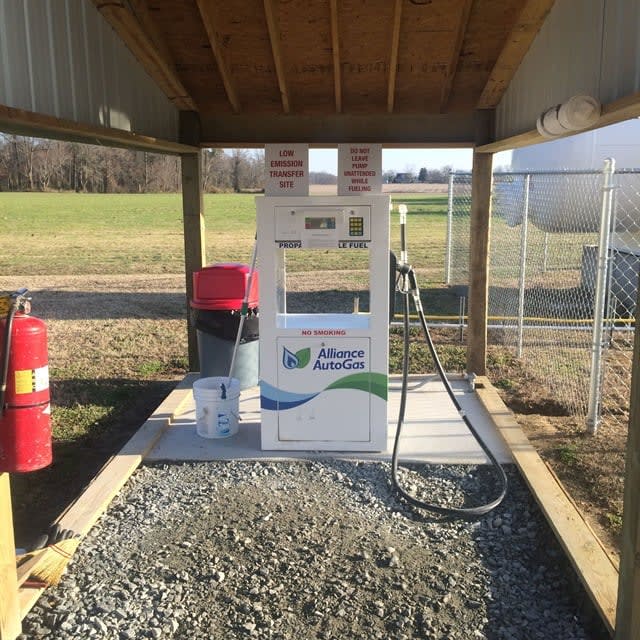
A single propane dispenser was installed off of the company's existing 12,000-gallon propane tank.
More Small Fleet


Developing Budget-Friendly Driver Safety Programs
From driver training and safety meetings to one-on-one coaching and incentive programs, several small fleets share how they have developed a safety culture with their drivers using low- to no-cost resources.
Read More →
Boosting Last-Mile Fleet Uptime, Safety, and Value with AI Vehicle Inspections
AI-powered inspections are transforming last-mile fleets by replacing manual checks with highly accurate automated scans that detect defects in seconds. By giving fleet operations visibility into the daily condition of their vehicles, you can identify trends over the vehicle’s lifecycle that enable improved procurement decisions, route management, driver training and accountability.
Read More →
Five Ways Seat Belts Help Prevent Injuries
There are five ways seat belts protect occupants from injuries, according to the Tennessee Department of Safety and Homeland Security.
Read More →
It’s here: The 2026 Fleet Technology Trends Report
What does AI mean for fleets? Get the answer — and learn other top tech trends.
Read More →
Small Fleets, Big Impact: How Independent Drivers Power Wreaths Across America
Check out how small fleets and independent drivers power Wreaths Across America each December and why their impact matters more than ever.
Read More →
VMS Survey Finds 65% of Small Fleet Managers Run Operations Alone
A new VMS survey shows small fleet managers are stretched thin, with most handling operations solo and eager to adopt digital tools for relief.
Read More →
Tips for Driving Safely on Halloween Night
This video features a reminder from the Connecticut Department of Transportation (DOT) and the Connecticut Police Chiefs Association, urging drivers to prioritize safety this Halloween.
Read More →
AI, Access, and Uptime: VMS’s Next Chapter with David Prusinski
VMS’s new Co-CEO, David Prusinski, shares how an AI-first approach will give small fleets and repair shops the tools to compete like big players.
Read More →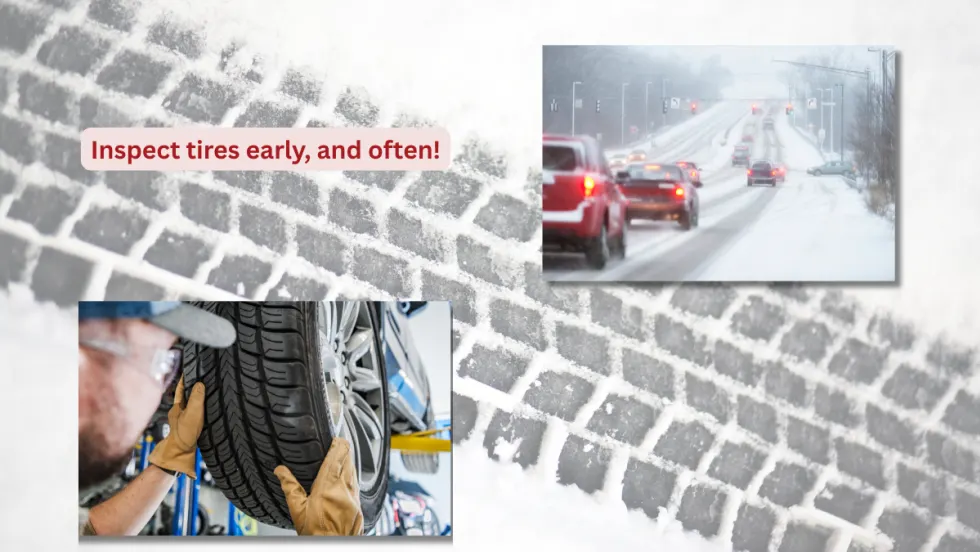
Fleet Managers Share Winter Prep Tips: It's Never Too Early!
Three fleets share best practices to prep vehicles for winter and prevent downtime when the cold sets in.
Read More →