




Q&A: FLD's Remarketing Technology
Delray Beach, Fla.-based FLD has made a name for itself as providing high-tech solutions for its clients. For the past 33 years, it has been spearheading online and other types of technology that has helped transform the industry.

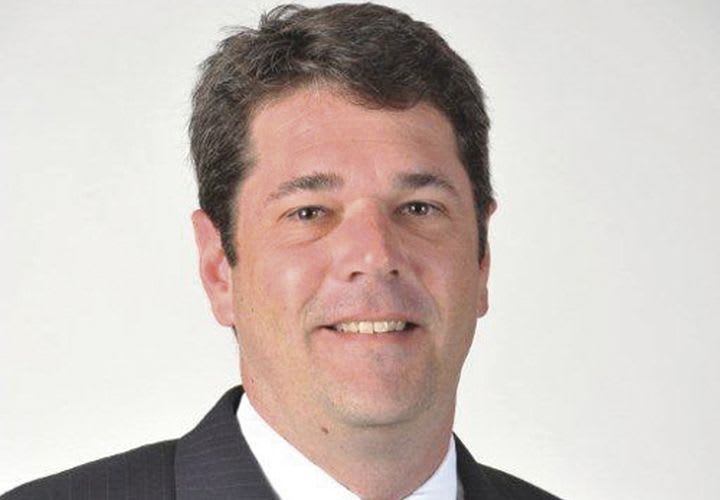
Photo courtesy of Gary Mott.
Photo courtesy of Gary Mott.
Delray Beach, Fla.-based FLD has made a name for itself as providing high-tech solutions for its clients. For the past 33 years, it has been spearheading online and other types of technology that has helped transform the industry.
For FLD Vice President Gary Mott, the company is much more than just a technology company. Following are excerpts from Mott's interview with Automotive Fleet.
AF: Online multi-platform selling is a hot topic in remarketing at the moment. What are some of the challenges of fully implementing it?
Mott: The whole industry is growing rapidly and the technology is changing so fast. To stay on top of it, and get the time to develop, implement, and work out the bugs, it comes to the point that you're almost working with old technology by the time you get to that point.
That's probably one of the biggest challenges we have. The online venues on the other side of the table have the same challenges as well. It would be nice to get the industry together and find one company to write that program so we could pass that information to and fro. It's getting there, but it's a lot of code to write.
AF: Can you explain the management aspect of your solution?
Mott: It's a multi-vendor management system. What most people don't realize is that FLD has a portfolio of vehicles. We acquire them from our clients and put them back into the marketplace. Essentially, we are running a fleet of vehicles; the only difference is that our lifecycle time is about 30 days from when we acquire a unit to when we dispose of it. But, all the same attributes are there. We have to move it, recondition the vehicle, track the vehicle, depreciate the vehicle, etc.
We decided to take the components of our proprietary VTK system, which is a vehicle tracking system, and allow the user (in this case, the fleet manager) to manage multiple vendors and have multiple outlets just on the remarketing side. We also do it on transportation, title, registration renewals, etc.
What we're doing is taking our software and putting it in the hands of the fleet administrator. One of the benefits of this system is that it allows fleet managers to manage from a day-to-day level or asset level, but it also has a second tier that allows strategic sourcing or procurement departments within the organization to establish service level agreements (SLAs) and key performance indicators (KPIs) on the fleet.
AF: Could you discuss how you've been advising fleet managers about like-kind exchanges (LKE).
Mott:Like-kind exchange also known as a 1031 exchange or LKE — it has several names in the marketplace — has been part of the tax code since the 1920s. It primarily has been used in real estate transactions where there's a taxable gain. The like-kind exchange allows someone to defer the taxable gain when an asset is sold or, in our case, remarketed and use that gain to purchase a "like type" asset. As an example, a company remarketing a 2005 cargo van and utilizing those funds to purchase a 2014 model could apply those funds for another like-kind asset, it allows the deferment of that tax, which could mean a substantial benefit.
There's some talk in Washington, D.C. about taking the bonus depreciation away for 2014, which could have a significant impact depending on how they are reflected on your books. Following these new tax laws and looking at how they apply to our business, we have partnered with PricewaterhouseCoopers. We're making the fleet industry and the fleets we're in touch with aware of the LKE, providing information and explaining how it can apply to fleets as they're replacing their assets, and making the introduction to PricewaterhouseCoopers because they are the tax experts.
Since I've started spearheading the direction of our company two years ago, my goal is to be more than just a remarketer for our clients.
Originally posted on Automotive Fleet
More Small Fleet


Developing Budget-Friendly Driver Safety Programs
From driver training and safety meetings to one-on-one coaching and incentive programs, several small fleets share how they have developed a safety culture with their drivers using low- to no-cost resources.
Read More →
Boosting Last-Mile Fleet Uptime, Safety, and Value with AI Vehicle Inspections
AI-powered inspections are transforming last-mile fleets by replacing manual checks with highly accurate automated scans that detect defects in seconds. By giving fleet operations visibility into the daily condition of their vehicles, you can identify trends over the vehicle’s lifecycle that enable improved procurement decisions, route management, driver training and accountability.
Read More →
Five Ways Seat Belts Help Prevent Injuries
There are five ways seat belts protect occupants from injuries, according to the Tennessee Department of Safety and Homeland Security.
Read More →
It’s here: The 2026 Fleet Technology Trends Report
What does AI mean for fleets? Get the answer — and learn other top tech trends.
Read More →
Small Fleets, Big Impact: How Independent Drivers Power Wreaths Across America
Check out how small fleets and independent drivers power Wreaths Across America each December and why their impact matters more than ever.
Read More →
VMS Survey Finds 65% of Small Fleet Managers Run Operations Alone
A new VMS survey shows small fleet managers are stretched thin, with most handling operations solo and eager to adopt digital tools for relief.
Read More →
Tips for Driving Safely on Halloween Night
This video features a reminder from the Connecticut Department of Transportation (DOT) and the Connecticut Police Chiefs Association, urging drivers to prioritize safety this Halloween.
Read More →
AI, Access, and Uptime: VMS’s Next Chapter with David Prusinski
VMS’s new Co-CEO, David Prusinski, shares how an AI-first approach will give small fleets and repair shops the tools to compete like big players.
Read More →
Fleet Managers Share Winter Prep Tips: It's Never Too Early!
Three fleets share best practices to prep vehicles for winter and prevent downtime when the cold sets in.
Read More →