




Learn More: 10 Rules to a Successful Upfit
Navigating the Upfit Landscape: Tips from a Fleet Expert
Increased flexibility and advanced planning are critical for fleets to manage the increasingly complicated landscape of upfitting work vehicles.
by Marc Layman, Manager of Truck Upfit
May 10, 2023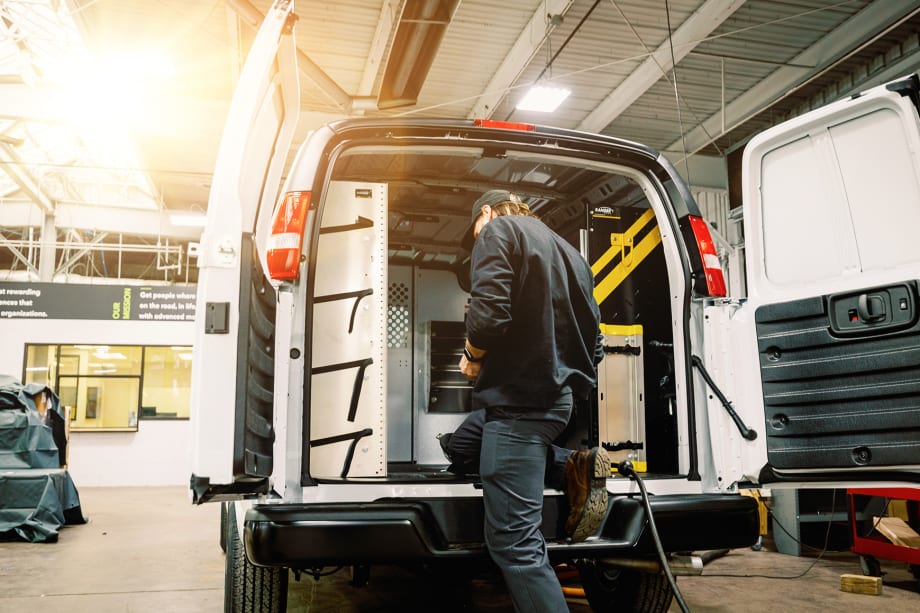
Developing three or four different vehicle spec options that will work for your fleet can increase the chances you’ll be able to get what you need when you need it.
Photo: Mike Albert Fleet Solutions
3 min to read
Fleet management is more complex than it’s ever been before. Over the last few years, fleet managers around the globe have struggled to optimize operations and balance budgets amid ongoing vehicle shortages, supply chain issues, long lead times, and the rising costs of fuel and maintenance.
The process of upfitting fleet vehicles has become similarly complicated in recent years. Supply chain delays, the increased costs of materials and components, and labor shortages have made vehicle spec’ing and upfitting a time-consuming and often frustrating experience.
But it is possible to navigate the thorny landscape of upfitting with a bit of planning and the proper mindset. Here are the top tips to keep in mind when acquiring and upfitting your fleet.
Be Honest About Wants Vs. Needs
With inflation pushing the costs of everything higher, it’s critical to determine what equipment you actually need to accomplish the job in the most efficient, cost-effective way. Consider all aspects of your business and fleet: What people or equipment will you be transporting? Where will you be operating, and how are the road conditions and terrain? Are you planning to expand your business offerings or service area?
Being honest with yourself about what you need your vehicles to accomplish can go a long way in saving money and rightsizing your fleet. For example, instead of a full-size van, maybe all you need to meet your needs (and save a few thousand dollars) is a properly upfitted SUV.
Plan, Plan, Plan
A successful fleet management strategy has always relied on proper planning — but with supply chain disruptions and vehicle shortages projected to continue into 2024, it has never been more important to think ahead.
Replacing or adding vehicles to your fleet can take six to nine months in the current climate. Sometimes, it takes more than a year, particularly when you need specially upfit trucks or vans. These delays have caused major issues for fleet managers who want to grow their business or replace older vehicles.
To offset these challenges, take stock of your current fleet composition and consider what your needs will be in six months, a year, or even two years so you can plan accordingly.
Be Flexible
Vehicle and equipment shortages also make it difficult to get the specific make, model, or spec you want right now. You may also face issues acquiring the quantity of vehicles you'd like.
One of my top recommendations to clients is to be flexible and adaptable. What sort of vehicle and specs do you need at this point, and are there opportunities to deviate from your expectations while keeping your fleet operational and profitable?
Developing three or four different vehicle spec options that will work for your fleet can increase the chances you’ll be able to get what you need when you need it.
Lean on Trusted Experts
When the going gets tough, don’t be afraid to lean on your support systems—especially ones that are OEM-agnostic. A fleet management company, for instance, can help you navigate the complicated marketplace by sourcing and spec’ing the vehicles that will get the job done, regardless of the manufacturer.
Having a seasoned industry expert in your corner, who will have open and honest conversations about your needs and expectations, can help you prioritize what your fleet needs for optimal operations and productivity.
External forces will continue to complicate the upfitting market in the coming months — but with the proper planning and flexibility, it is absolutely possible to survive and thrive in this stressful landscape.
Marc Layman is the manager of truck upfitting at Mike Albert Fleet Solutions, based in Cincinnati, Ohio with expertise in fleet operations, maintenance, and safety.
Originally posted on Automotive Fleet
Subscribe to Our Newsletter
More Small Fleet


Developing Budget-Friendly Driver Safety Programs
From driver training and safety meetings to one-on-one coaching and incentive programs, several small fleets share how they have developed a safety culture with their drivers using low- to no-cost resources.
Read More →
Sponsored•March 9, 2026
Boosting Last-Mile Fleet Uptime, Safety, and Value with AI Vehicle Inspections
AI-powered inspections are transforming last-mile fleets by replacing manual checks with highly accurate automated scans that detect defects in seconds. By giving fleet operations visibility into the daily condition of their vehicles, you can identify trends over the vehicle’s lifecycle that enable improved procurement decisions, route management, driver training and accountability.
Read More →
Five Ways Seat Belts Help Prevent Injuries
There are five ways seat belts protect occupants from injuries, according to the Tennessee Department of Safety and Homeland Security.
Read More →
Sponsored•January 14, 2026
It’s here: The 2026 Fleet Technology Trends Report
What does AI mean for fleets? Get the answer — and learn other top tech trends.
Read More →
Small Fleets, Big Impact: How Independent Drivers Power Wreaths Across America
Check out how small fleets and independent drivers power Wreaths Across America each December and why their impact matters more than ever.
Read More →
VMS Survey Finds 65% of Small Fleet Managers Run Operations Alone
A new VMS survey shows small fleet managers are stretched thin, with most handling operations solo and eager to adopt digital tools for relief.
Read More →
Tips for Driving Safely on Halloween Night
This video features a reminder from the Connecticut Department of Transportation (DOT) and the Connecticut Police Chiefs Association, urging drivers to prioritize safety this Halloween.
Read More →
AI, Access, and Uptime: VMS’s Next Chapter with David Prusinski
VMS’s new Co-CEO, David Prusinski, shares how an AI-first approach will give small fleets and repair shops the tools to compete like big players.
Read More →
Fleet Managers Share Winter Prep Tips: It's Never Too Early!
Three fleets share best practices to prep vehicles for winter and prevent downtime when the cold sets in.
Read More →