




HVAC Service Fleet Chooses Bi-Fuel Propane Autogas
The Elk Grove Village, Ill., HVAC company recently converted 90 percent of its fleet to gasoline/LPG bi-fuel systems, significantly reducing fuel and maintenance costs.

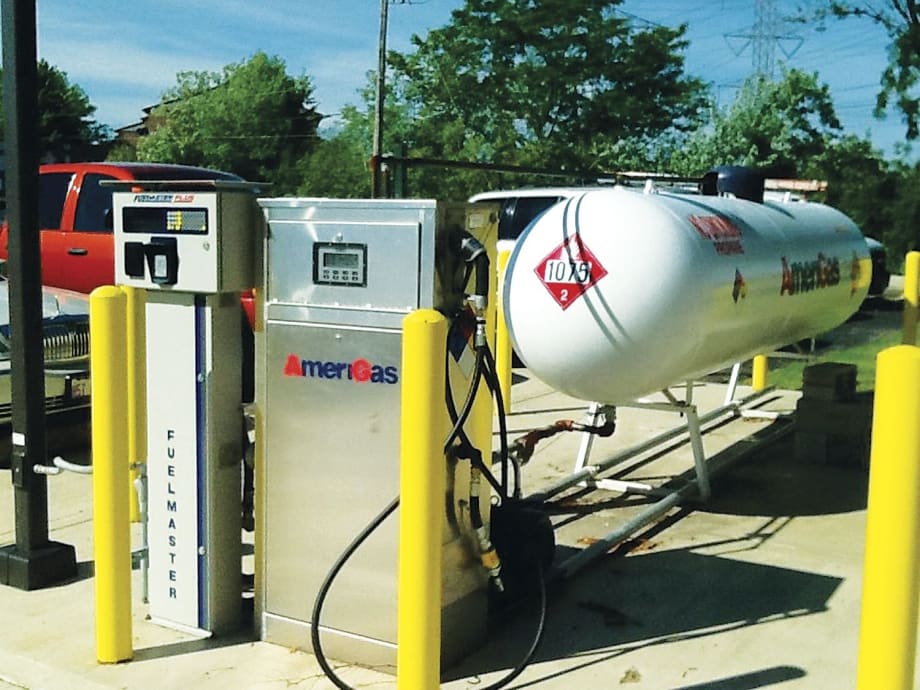
Temperature Service Company spent nearly a year researching its options before deciding to mov forward with gasoline/LPG bi-fuel systems. Photo courtesy of Temerpature Service Company
Temperature Service Company spent nearly a year researching its options before deciding to mov forward with gasoline/LPG bi-fuel systems. Photo courtesy of Temerpature Service Company
Between its approximately 50 fleet vehicles, Temperature Service Company was burning about 100,000 gallons of gasoline per year. With prices on the rise, fuel usage seemed like an obvious area for improvement.
“We wanted to keep our costs to a minimum to meet our customers’ fiscal needs as well as our own,” said Scott Templin, president of the 30-year-old commercial/industrial air conditioning, heating, and refrigeration service and installation company located in Elk Grove Village, Ill.
So, the company decided to take aim at its fuel budget. To accomplish its goal, Temperature Service Company decided to convert 90 percent of its fleet — 40 Chevrolet 2500 service vans, three Chevrolet Silverado 2500 pickup trucks, and two Ford Edge sales vehicles — to bi-fuel systems running on both gasoline and liquefied propane gas (LPG), also known as propane autogas. And, the switch has paid off.
“The State of Illinois Environmental Protection Agency (EPA) provided us with an incentive of up to $4,000 per vehicle to switch to propane autogas,” Templin said. “Propane autogas is currently about 50 percent of the cost of gasoline. So, between fuel savings and incentives, our return on investment was about nine months.”
Converting to Meet Company Needs
As is typical for fuel conversions, the change didn’t happen overnight. The HVAC company spent nearly a year researching its options before deciding to move forward with bi-fuel systems, where a single vehicle runs on both gasoline and LPG. Although these systems work independently from each other, the changeover is unnoticeable and is automatically controlled by the vehicle’s internal computer.
“If, for some reason, LPG is not available for refueling, the vehicle runs on gasoline like it always has — without having to do anything other than to fill the fuel tank,” Templin said.
Once the company committed to bi-fuel systems, it took roughly nine months to convert the fleet.
“The largest challenges have been finding a qualified company to perform the installs and being able to refuel the vehicles we put on the road,” Templin said. “Fortunately, we found a company in our area named Natural Fuel Motorworks to perform the installs.”
To minimize refueling stops to once a week or less, the company chose to redesign its vehicles to install maximum capacity fuel tanks holding approximately 50 gallons each.
“We also installed our own refueling system at our shop at a very reasonable cost so employees can refuel 24/7,” Templin said.
Bi-Fuel Paying Off
Although it took time and resources to convert to gasoline/LPG bi-fuel systems, the conversion paid off.
“Our business will run at a lower overhead cost, which we pass along to our customers by way of lower pricing,” Templin said. “Propane autogas also runs cleaner and at a higher octane than gasoline, so I see my fleet running with greatly reduced maintenance costs, and I anticipate getting a 100-percent increase in my engine life, thus increasing the years between replacing the vehicles.”
The company has also negotiated with a local propane autogas supplier to lock in a competitive cost for the alternative fuel for one year; it can renegotiate every year thereafter.
With the benefits of the conversion clear, Templin said the company won’t hesitate to leverage propane autogas in the future.
“We will always be purchasing future fleet vehicles with propane in mind,” Templin said.
Related:
Originally posted on Automotive Fleet
More Vehicle Research
GM Unveils New Sixth-Generation Small Block Engines for 2027 Light-Duty Pickups
General Motors unveiled two new small-block engines, backed by extensive real-world validation and more than 70 years of small-block V8 manufacturing experience, as part of the engine portfolio for the 2027 Chevrolet Silverado 1500 and GMC Sierra 1500.
Read More →
Chevrolet Silverado 1500 Fleet Guide Specs Capability and 2027 Model-Year Updates
The next-generation 2027 Chevrolet Silverado 1500 brings new V-8 engines, updated technology, expanded safety features, and a fleet-focused Work Truck. Here’s what commercial fleets need to know so far.
Read More →
2026 Ram 1500 Tradesman Put to a Real-World Fleet Test
A few days behind the wheel of a 2026 Ram 1500 Tradesman turned into a test of visibility, parking, work-ready features, and even severe-weather driving.
Read More →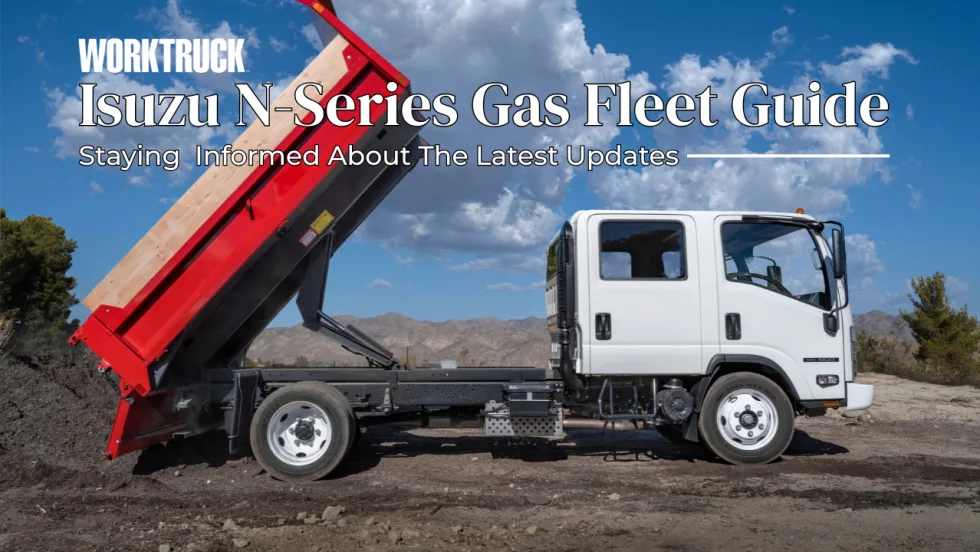
Isuzu N-Series Gas Fleet Guide: Specs, Capability and 2027 Model-Year Updates
Explore Isuzu Truck North America’s N-Series Gas fleet specs, engine performance, GVWR and payload capability, configurations, chassis dimensions, work-focused features, and 2027 model-year information.
Read More →
Ram ProMaster City Fleet Guide Specs Cargo Capacity and 2027 Updates
Work Truck’s Ram ProMaster City Fleet Guide tracks the latest specifications, cargo capability, configurations, fleet technology, pricing, and model-year updates for Ram’s mid-size commercial van.
Read More →
Ford F-150 Fleet Guide Specs Capability and 2026 Model-Year Updates
Explore 2026 Ford F-150 fleet specs, engines, towing and payload capability, configurations, work features, technology, and model-year updates.
Read More →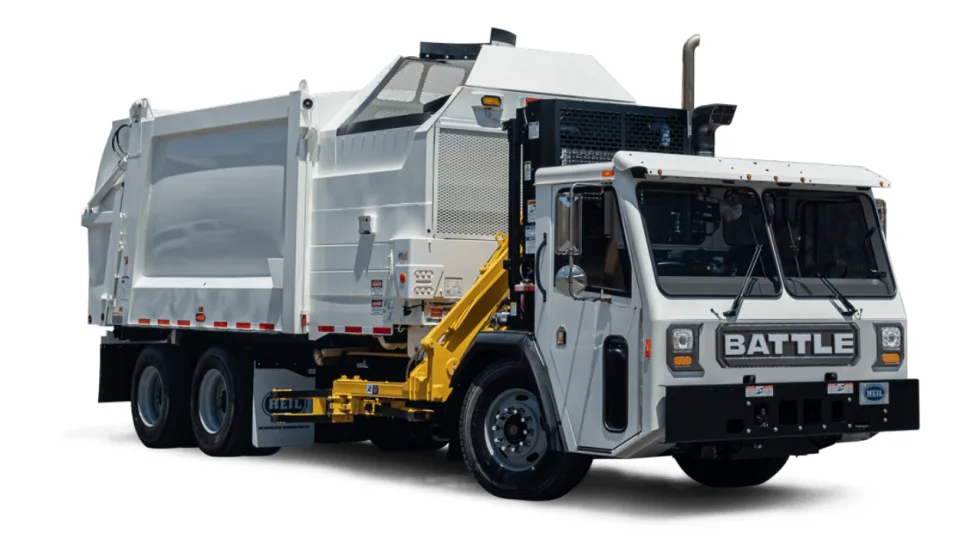
TCI Now Sells & Supports Battle Motors’ Vocational Trucks
Midwest truck dealer Truck Centers, Inc. (TCI) has expanded its transportation solutions with sales and service support for Battle Motors’ heavy-duty vocational trucks at locations in locations in Indiana, Illinois, and Missouri
Read More →
Ram 1500 Fleet Guide Specs, Capability and 2027 Model-Year Updates
Explore always up-to-date Ram 1500 fleet specs, engines, towing and payload capability, configurations, technology, pricing updates, and model-year changes.
Read More →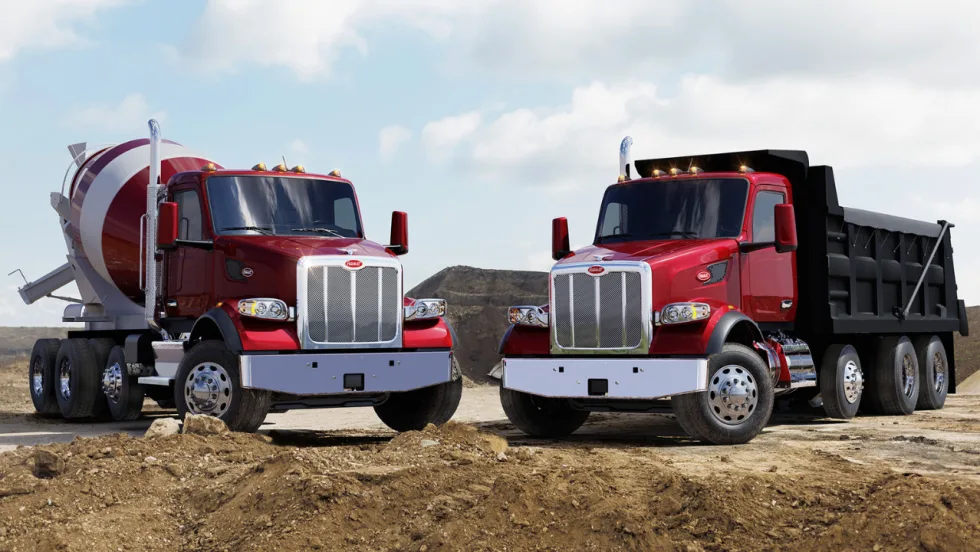
Peterbilt Trucks Equipped with Paccar TX-18 Pro Boost Efficiency for Maryland Fleet
Patuxent Companies is replacing aging trucks with the Peterbilt Model 567 and Model 589, specified with the Paccar TX-18 Pro 18-speed automated transmissions, and is reporting an 8% to 10% improvement in fuel economy.
Read More →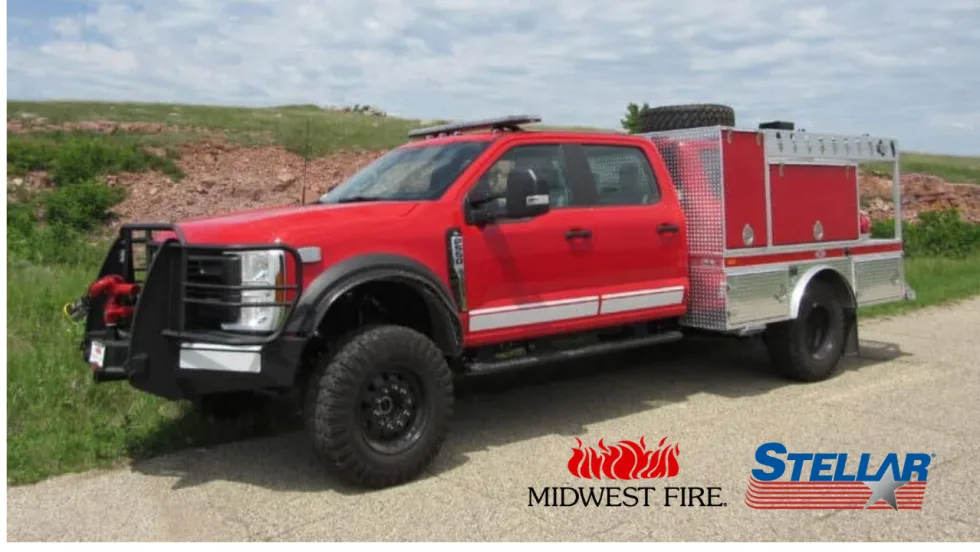
Stellar Expands into Fire Apparatus Market with Acquisition of Midwest Fire
Stellar Industries has acquired Midwest Fire, a custom fire apparatus manufacturer headquartered in Luverne, Minnesota, with nearly four decades of specialized apparatus experience.
Read More →