




How to Survive and Thrive in a Procurement Environment
Increasingly, fleet managers find themselves interacting with procurement or purchasing functions. This can lead to confusion and frustration, unless fleet managers understand how to deal with procurement pros.
For a long time, fleet managers were the beginning and end of the process when it came to suppliers. They knew the players, the marketplace, and, most of all, they knew what they needed to do the job.
It didn’t happen overnight, but some years ago, more companies began to bring purchasing (procurement) — and more recently strategic sourcing — into the process, forcing what fleet managers often saw as an entirely different set of requirements into the decision-making process, which they viewed as incompatible with fleet.
Is this correct? Does the introduction of procurement or purchasing into fleet sourcing decisions make things difficult for fleet managers? It isn’t necessarily so; and fleet managers who realize it can actually thrive in a procurement environment.
Defining Key Terms
Unless the fleet manager actually came from the procurement side of the company, he or she may not understand fully what procurement does. Too often, the simplistic view holds that procurement merely sends out bids to suppliers and chooses the cheapest source for a product or service.
Procurement professionals will respond, rightfully, that there are many other considerations involved, and that they can bring their expertise to the fleet sourcing process with beneficial results.
What, then, is “procurement”? It sounds like a simple question with a simple answer — procurement (or purchasing) is just the process of buying things. But, from a procurement professional, you might get a more detailed definition: Procurement is the purchase of goods or services of the correct quality, the appropriate quantity, at the required time, from the best supplier, with the optimum terms, generally with some kind of contractual obligation.
Procurement isn’t just the process of finding paperclip or office furniture suppliers, telling them what is needed, and getting prices.
Indeed, if you look at the above criteria carefully, there is not one part of the definition that is incompatible with fleet sourcing. Fleet managers, when looking for suppliers, go through all of these steps.
More recently, the concept of strategic sourcing came into vogue, and it, too, has been applied to the fleet management process — and often misunderstood. For the most part, procurement takes its direction from the “users” in the company. That is, they don’t simply buy office furniture unless, and until, someone in the company asks them to (or if they’re aware of an agreement or contract that will expire).
Strategic sourcing, similar to purchasing/procurement, doesn’t have a single, simple definition. It is something that takes procurement to another level, that of working to establish categories of company spend, and leveraging that spend to obtain more favorable terms and pricing; and developing strategic relationships with suppliers toward new business opportunities and technological advances.
Many fleet managers have been approached by strategic sourcing, looking for spend that can be applied to a larger category of expense and leveraged into better agreements (the most popular fleet spend in this case is fuel).
In either case, fleet managers often fear that this “intrusion” into their space will cause them to lose control of the process, that procurement or sourcing will simply get bids and award services to the lowest bidder without regard for the winner’s capabilities. If the fleet manager handles the situation properly, such fears are unfounded.
Developing Relationships
Any good manager knows relationships must be developed with those who have, or may have, a stake in what they do. Fleet managers are no exception. The purpose of these relationships isn’t merely to “get in good” with others, but to take advantage of those skills and the experience that others bring to the table.
First and foremost, fleet managers must ensure that management, from immediate supervisors to the most senior levels, knows them, understands what they do and why, and will defer to and support their expertise. Next “in line” are those direct stakeholders in the fleet:
● Sales/service.
● Risk management.
● Legal.
● Human resources.
Any function within the company that touches the fleet directly is important to the fleet manager.
So, where does procurement or sourcing fit into the relationship matrix? Even if this function is not currently involved, it’s a good idea for a fleet manager to get out in front of the possibility that at some point it will be.
The depth and form of the relationships will, of course, vary, depending on how close the other party is to the management of the company fleet. Certainly, fleet managers know the CEO isn’t likely to have time to interact with them daily, weekly, or even monthly.
At the same time, direct stakeholders expect to be involved in the decision-making process; sales, for example, wants to know what vehicles are chosen; and risk management needs to know how accidents are categorized.
You might ask, “Why bring procurement into the mix, if it isn’t involved now? Why give it, or management, ideas for getting involved if it hasn’t already?”
There are a number of reasons to do so, and following through on them can help a fleet manager not only survive, but thrive in the procurement environment.
Understanding Needed Skills
There are many definitions for “relationship.” But, in our context here, it goes well beyond just exchanging pleasantries and sitting down for the occasional lunch. Fleet management requires certain specific skills, which include understanding vehicle systems, basic finance and accounting, the ability to communicate across a wide spectrum of functions and levels, and the ability to take mounds of detailed data and summarize it for others.
But, just as fleet managers need these (and other) skills, so, too, do procurement professionals need skills and experience specific to success, which include:
● Negotiation: Negotiating skills are part and parcel of the procurement function. Once a supplier is chosen, negotiate “best and final” pricing, terms, and conditions for the ensuing relationship.
● Legal: Contracts can be simple or complex and procurement pros must have an understanding of the legal aspects of the contract they are negotiating.
● Risk Management: Procurement often occurs in a supply chain environment, and procurement pros need to know how to manage risk within the supply chain.
● Short Learning Curve: Because procurement occurs across the full spectrum of company functions, procurement must be able to absorb the basics of whatever specific function it is dealing with, quickly and thoroughly.
● Communication: Communicating effectively with suppliers, legal, company functions (in this case, fleet), and management is a critical skill.
There are many more, of course, and fleet managers must take notice — and be honest with themselves about what skills they lack. The relationship-building process involves not only personal contact, but learning what procurement can do for them, and vice versa.
Offer to conduct a brief seminar for the procurement group, where you provide the basics of what a fleet manager does, how it’s done, and what skills procurement brings to the table to be successful. Ask them to do the same for you. How do they approach an assignment? What is the step-by-step process they use? And, ultimately, how can you both work together to achieve the best results?
Most fleet managers will be surprised to learn procurement doesn’t merely tell suppliers “we need this,” asking how much will be charged. They understand that they aren’t the product experts, and will reach out to learn more about what they’ll be buying.
Taking the first steps above will help fleet managers better succeed if, and when, procurement is part of the process of choosing suppliers.
Starting the Buying Process
Once the relationship is established, at some point, the fleet manager will need to buy something. It can be a product (vehicles) or service (leasing). Assuming the company requires the buying process to be initiated by procurement, here are some steps that the fleet manager can take to ensure success:
● Initiate: If, for example, the fleet manager determines it is time to explore a new program, such as a fleet fuel card, contact procurement and explain exactly what is needed and why. Set up a team that will work on the project, even if it’s only two people.
● Develop: Working with procurement, develop a request for proposal (RFP). Use procurement’s expertise, build in contract requirements, and provide knowledge regarding the program and fleet needs.
● List: Create a list of the suppliers to invite to submit an RFP. Include all contact information.
● Set: Set a timeline. Keep in mind that, in the fleet business, word gets around quickly, and it is not unusual for suppliers other than those listed to contact fleet personnel looking to participate. Send out the RFP, and allow a week or so before beginning the formal process.
● Meet and review: When all responses have been received, schedule a preliminary meeting with procurement to review them. Bring the skills and experience from both areas (fleet and procurement) to pare down the bidders to a winner or finalists.
● Negotiations: Once the business has been awarded, a contract or other agreement will likely be needed. Remember, procurement professionals are experts in negotiations; ensure they know what fleet needs from a supplier and include them in the negotiating process.
If a fleet manager has developed the relationship, he or she will know and understand how the particular skills of the procurement pros can be applied to the fleet buying process.
The result will be a program that not only will meet the specific needs of the fleet manager, but will be governed by a contract that contains the right language, terms, and conditions to help it to be successful.
The Don’ts
Many of the keys helping fleet managers thrive in a procurement environment have been covered. There are, of course, some “don’ts” to keep in mind as well.
First of all, procurement isn’t out to take away a fleet manager’s job, nor insert itself into the management of the fleet. This kind of paranoia is unprofessional and speaks of a lack of confidence in a fleet manager’s ability.
Procurement has a job to do and, as it pertains to fleet, that job is no different than any other assignment. That job is to negotiate the best terms, best pricing, and a contract most advantageous to the company and the function using the product or service.
Second, don’t go into the process with the idea that procurement believes it “knows better.” One thing purchasing staff knows is that, to succeed, they must have product experts on their team. They will ask the fleet manager to describe the product or service being sourced, provide an overview of how it works, and describe how it impacts the management of the fleet. This will include bundling and/or unbundling, technology, service level agreements, and reporting.
Finally, procurement knows, as does the fleet manager, that the success of a purchasing process requires much, much more than just looking at pricing and choosing the lowest number. They will be every bit as anxious to work with the fleet manager as he or she is to work with them. A fleet manager’s success is their success as well.
As explored earlier, procurement is a relatively new entrant into the fleet buying process, and has caused undue angst in many fleet managers. There’s no reason for this, and there are ways to alleviate it by following the simple rules described here.
● Develop relationships.
● Understand the skills.
● Work as a team.
● Don’t be paranoid.
It’s important to “get out in front” of the procurement environment, even if it hasn’t yet been established. Fleet managers can thrive if they know how to use procurement to their best advantage. FF
Originally posted on Automotive Fleet
More Vehicle Research
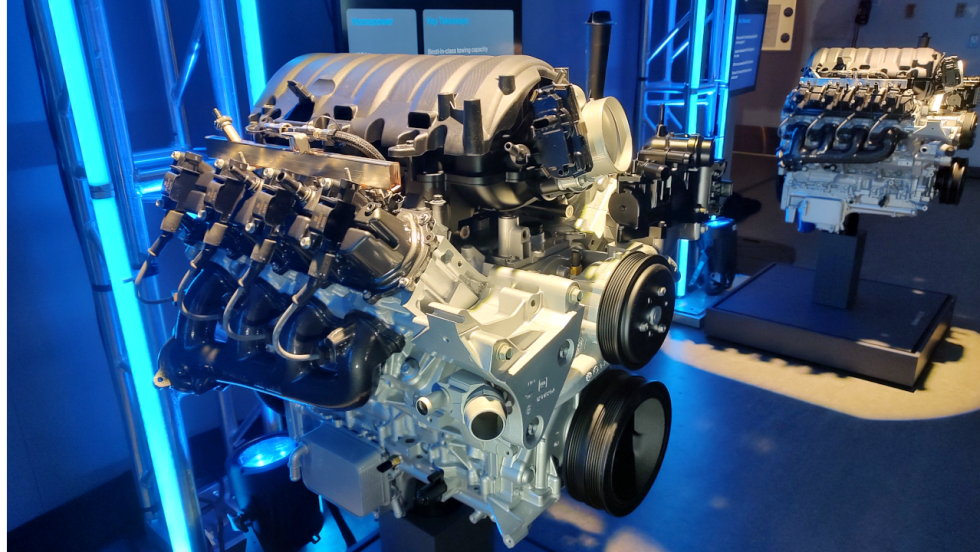
GM Unveils New Sixth-Generation Small Block Engines for 2027 Light-Duty Pickups
General Motors unveiled two new small-block engines, backed by extensive real-world validation and more than 70 years of small-block V8 manufacturing experience, as part of the engine portfolio for the 2027 Chevrolet Silverado 1500 and GMC Sierra 1500.
Read More →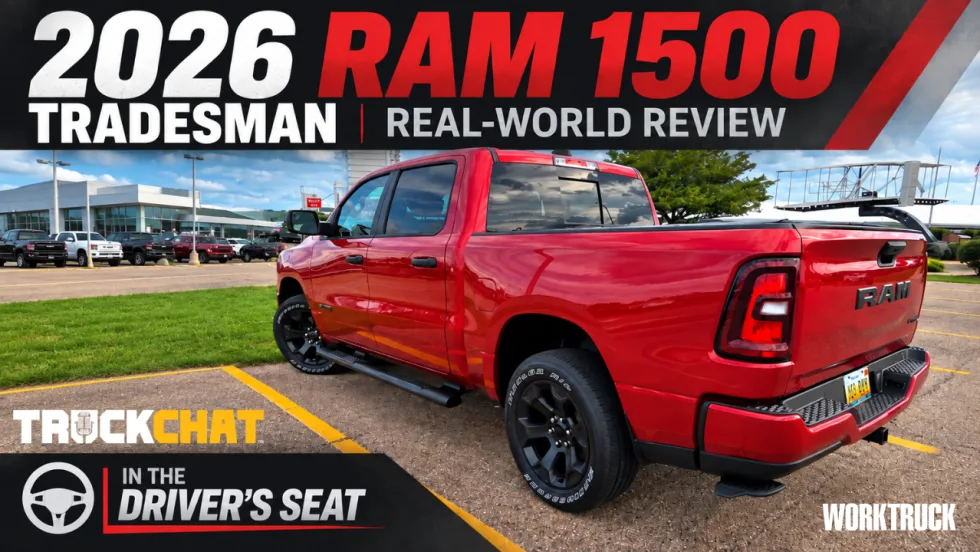
2026 Ram 1500 Tradesman Put to a Real-World Fleet Test
A few days behind the wheel of a 2026 Ram 1500 Tradesman turned into a test of visibility, parking, work-ready features, and even severe-weather driving.
Read More →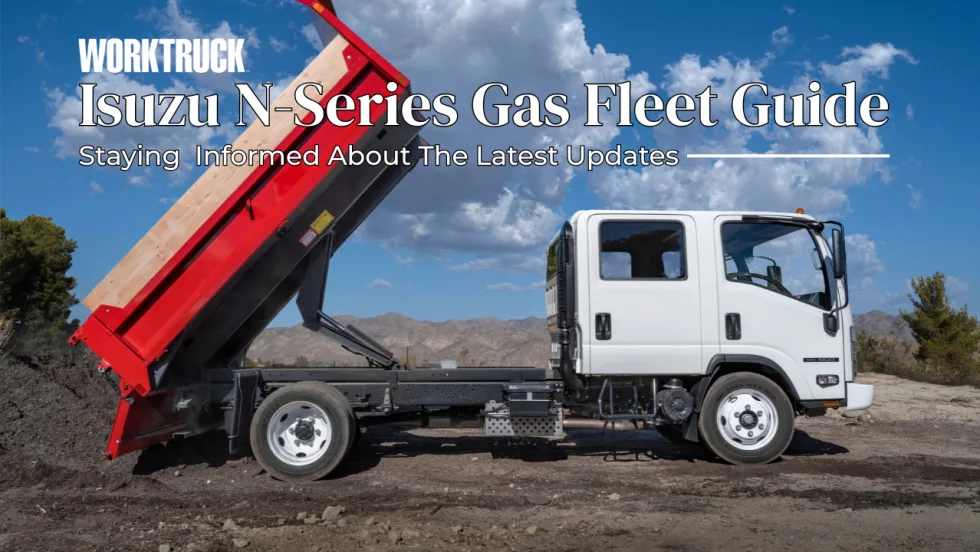
Isuzu N-Series Gas Fleet Guide: Specs, Capability and 2027 Model-Year Updates
Explore Isuzu Truck North America’s N-Series Gas fleet specs, engine performance, GVWR and payload capability, configurations, chassis dimensions, work-focused features, and 2027 model-year information.
Read More →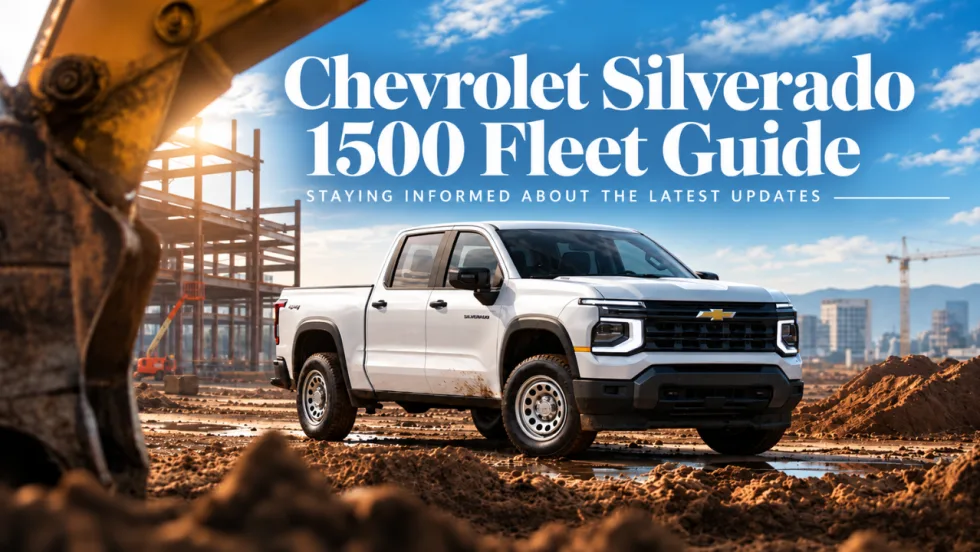
Chevrolet Silverado 1500 Fleet Guide Specs Capability and 2027 Model-Year Updates
The next-generation 2027 Chevrolet Silverado 1500 brings new V-8 engines, updated technology, expanded safety features, and a fleet-focused Work Truck. Here’s what commercial fleets need to know so far.
Read More →
Ram ProMaster City Fleet Guide Specs Cargo Capacity and 2027 Updates
Work Truck’s Ram ProMaster City Fleet Guide tracks the latest specifications, cargo capability, configurations, fleet technology, pricing, and model-year updates for Ram’s mid-size commercial van.
Read More →
Ford F-150 Fleet Guide Specs Capability and 2026 Model-Year Updates
Explore 2026 Ford F-150 fleet specs, engines, towing and payload capability, configurations, work features, technology, and model-year updates.
Read More →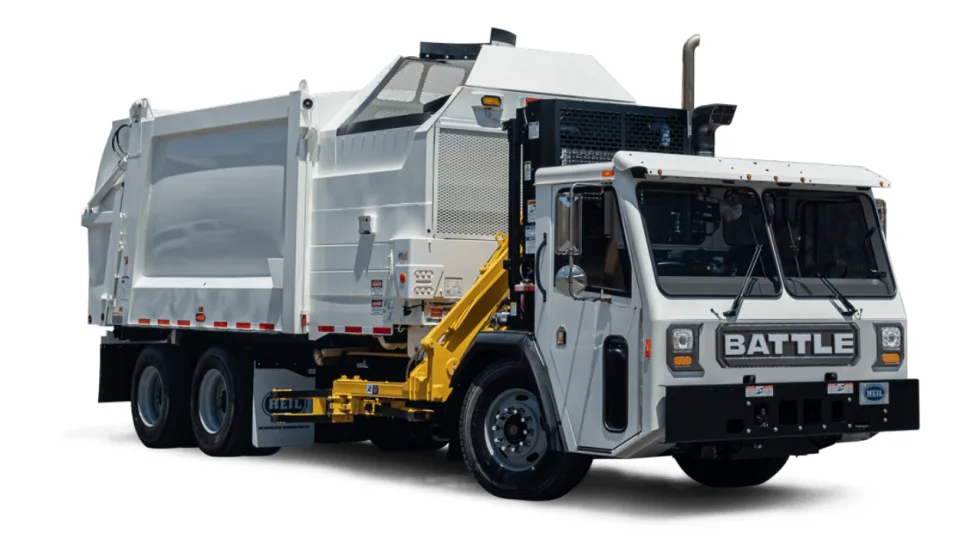
TCI Now Sells & Supports Battle Motors’ Vocational Trucks
Midwest truck dealer Truck Centers, Inc. (TCI) has expanded its transportation solutions with sales and service support for Battle Motors’ heavy-duty vocational trucks at locations in locations in Indiana, Illinois, and Missouri
Read More →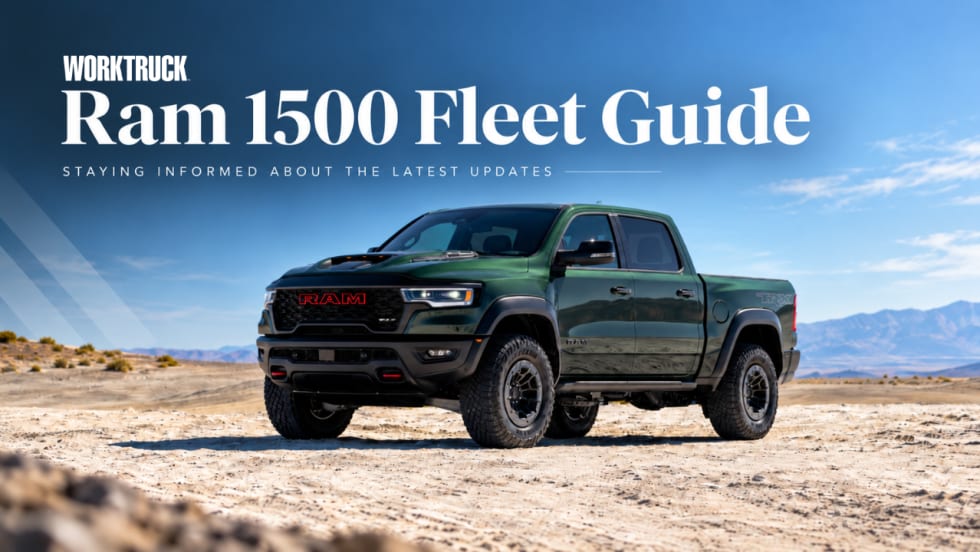
Ram 1500 Fleet Guide Specs, Capability and 2027 Model-Year Updates
Explore always up-to-date Ram 1500 fleet specs, engines, towing and payload capability, configurations, technology, pricing updates, and model-year changes.
Read More →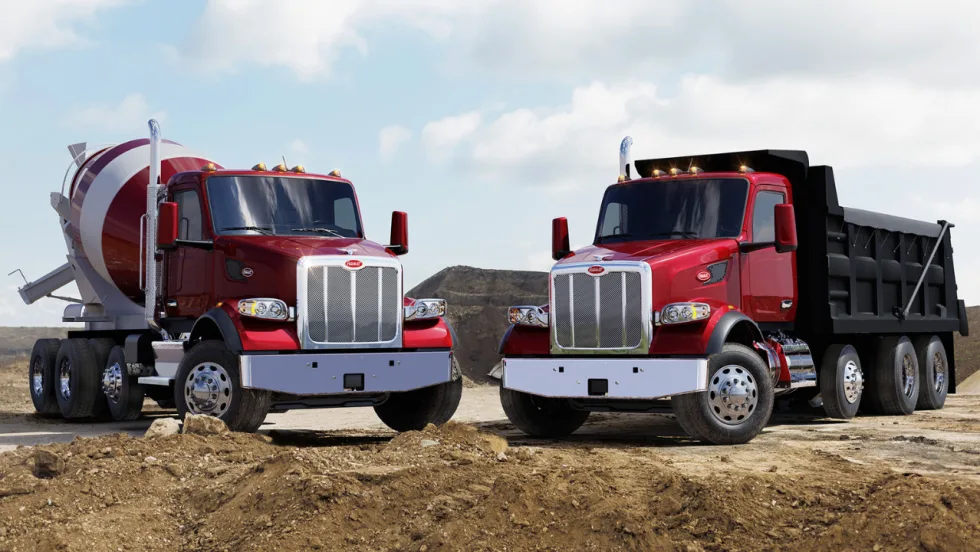
Peterbilt Trucks Equipped with Paccar TX-18 Pro Boost Efficiency for Maryland Fleet
Patuxent Companies is replacing aging trucks with the Peterbilt Model 567 and Model 589, specified with the Paccar TX-18 Pro 18-speed automated transmissions, and is reporting an 8% to 10% improvement in fuel economy.
Read More →
Stellar Expands into Fire Apparatus Market with Acquisition of Midwest Fire
Stellar Industries has acquired Midwest Fire, a custom fire apparatus manufacturer headquartered in Luverne, Minnesota, with nearly four decades of specialized apparatus experience.
Read More →