




Related: Understanding Your Obligations Regarding Repair of Driver Assistance Systems
How to Spot Faulty Brakes, Drive in Windy Weather
Factors within the control of the driver, such as faulty brakes, as well as factors beyond their control, such as wind gusts, can both make driving significantly more hazardous.
by Marianne Matthews
April 28, 2020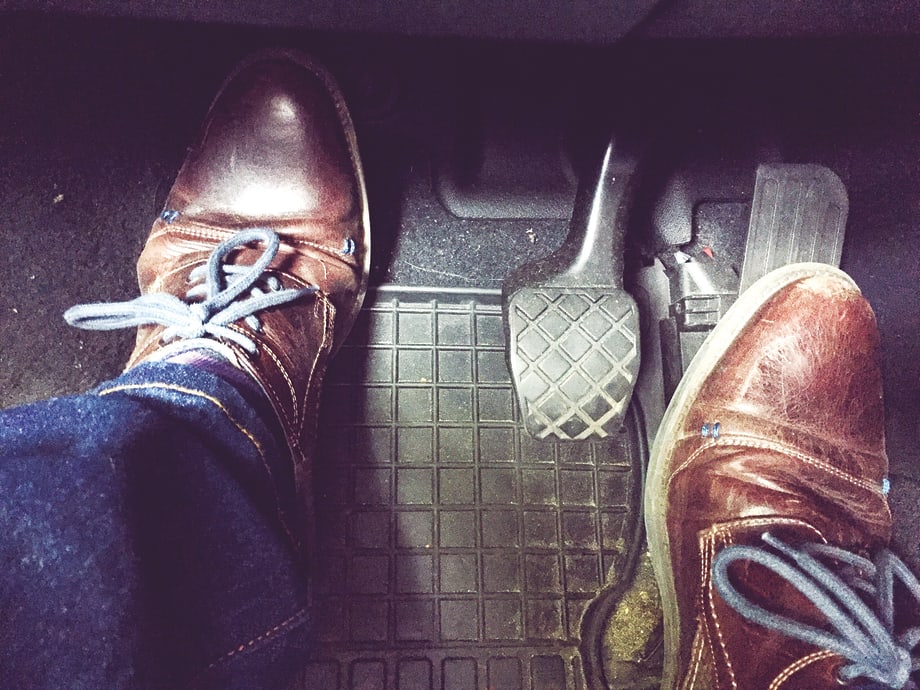
Knowing there is a potential problem with brakes can go a long way in keeping your drivers and others safe on the road.
3 min to read
Bhatt Law Group reports that according to a National Highway Traffic Safety Administration survey released in early 2015, brakes were responsible for 10,000 of the vehicle-related critical reasons for car accidents between 2005 and 2007. That translates into 22% of collisions caused by a vehicle issue.
While annual inspections are mandatory, drivers should be aware that their brakes may signal them at any time that something is amiss. Knowing there is a potential problem with brakes can go a long way in keeping your drivers and others safe on the road.
Experts say drivers should be aware of the following signs that indicate brakes may be faulty:
Noise — Screeching, grinding, or clicking noises when applying the brakes is a sign they may need to be repaired.
Pulling — If the vehicle pulls to one side when you are braking, there is a problem.
Low pedal — If the brake pedal barely touches the floor before engaging, you likely have an issue.
Diminished responsiveness — When you must apply extreme pressure to the pedal before brakes engage, or if the brakes are delayed or simply do not stop the vehicle as fast as they used to, they may be failing.
Vibration — If the brake pedal, steering wheel, or any other part of the car vibrates or shakes when a driver presses down on the brakes, this could mean a part of the brakes is broken or defective.
Warning light — If the brake light is illuminated on your vehicle’s dashboard, it is time to have it inspected by a professional.
Advice for Windy Weather Driving
Experts say winds of even 30 to 45 mph can make driving significantly more hazardous. Heavy winds strongly affect driving dynamics. Serious gusts can actually blow a vehicle off course.
To stay safe, drivers should use the following strategies when driving in windy weather:
Wear your seatbelt — Always buckle up. It’s especially important when your vehicle may be jostled around by heavy gusts.
Reduce speed — Slowing down will help you keep control of your vehicle.
Keep both hands on the wheel — Make sure you have a firm grip and are prepared to react in the event the wind shifts your vehicle or causes objects to fall into the road.
Pass wisely — In windy conditions be extra cautious when passing other vehicles as they may swerve unexpectedly.
Beware of obstacles and downed power lines — The wind can cause trees and other debris to fall into the roadway, and even worse, power lines. Never drive over downed power lines. Even if they have been knocked over by the wind, high-voltage wires may still be alive and very dangerous.
Avoid driving near big rigs and buses — Drivers of large vehicles may have difficulty staying in their lane in windy conditions. What’s more, large vehicles have a lot of wind surface, which means a really strong gust of wind can cause them to flip over and crush any adjacent vehicles. Make sure you steer clear of these and stay out in the open.
Subscribe to Our Newsletter
More Small Fleet


Developing Budget-Friendly Driver Safety Programs
From driver training and safety meetings to one-on-one coaching and incentive programs, several small fleets share how they have developed a safety culture with their drivers using low- to no-cost resources.
Read More →
Sponsored•March 9, 2026
Boosting Last-Mile Fleet Uptime, Safety, and Value with AI Vehicle Inspections
AI-powered inspections are transforming last-mile fleets by replacing manual checks with highly accurate automated scans that detect defects in seconds. By giving fleet operations visibility into the daily condition of their vehicles, you can identify trends over the vehicle’s lifecycle that enable improved procurement decisions, route management, driver training and accountability.
Read More →
Five Ways Seat Belts Help Prevent Injuries
There are five ways seat belts protect occupants from injuries, according to the Tennessee Department of Safety and Homeland Security.
Read More →
Sponsored•January 14, 2026
It’s here: The 2026 Fleet Technology Trends Report
What does AI mean for fleets? Get the answer — and learn other top tech trends.
Read More →
Small Fleets, Big Impact: How Independent Drivers Power Wreaths Across America
Check out how small fleets and independent drivers power Wreaths Across America each December and why their impact matters more than ever.
Read More →
VMS Survey Finds 65% of Small Fleet Managers Run Operations Alone
A new VMS survey shows small fleet managers are stretched thin, with most handling operations solo and eager to adopt digital tools for relief.
Read More →
Tips for Driving Safely on Halloween Night
This video features a reminder from the Connecticut Department of Transportation (DOT) and the Connecticut Police Chiefs Association, urging drivers to prioritize safety this Halloween.
Read More →
AI, Access, and Uptime: VMS’s Next Chapter with David Prusinski
VMS’s new Co-CEO, David Prusinski, shares how an AI-first approach will give small fleets and repair shops the tools to compete like big players.
Read More →
Fleet Managers Share Winter Prep Tips: It's Never Too Early!
Three fleets share best practices to prep vehicles for winter and prevent downtime when the cold sets in.
Read More →