




Read More: Motorists Hit 2.1 Million Animals in One-Year Period
How to Avoid Animal Collisions
Fatalities caused by collisions with animals spike in the fall months. An expert shares advice on how drivers can avoid these types of crashes or mitigate risk in the event one occurs.
by Judie Nuskey
September 26, 2023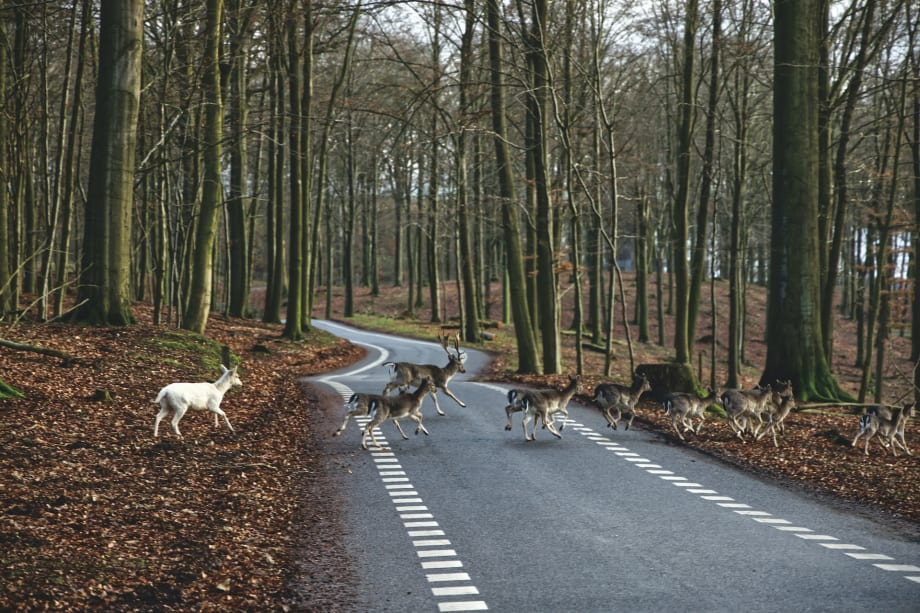
Some 1.5 million drivers hit a deer on a U.S. roadway each year.
Photo: pexels.com/gryffyn m
4 min to read
In the U.S., there are approximately two million collisions between vehicles and animals every year, according to the Federal Highway Administration. In autumn, crashes with animals spike, leading to serious injuries and fatalities. So now is the time to remind your drivers how to avoid danger as deer and other animals wander into the roadways.
Why and Where Animals Abound
In 2021, the highest number of deaths in collisions with animals occurred during October through December, according to the Highway Loss Data Institute (HLDI). The reason for the uptick in incidence is simple: Fall is deer mating and migrating season, so deer are more mobile and likely to be near or on the road.
Collisions with animals are especially common in rural areas — with West Virginia having the most animal collision claims per vehicle — but deer sightings are prevalent even in highly populated areas.
And while deer tend to be the focus for animal-vehicle collisions — with about 1.5 million per year according to the Insurance Institute for Highway Safety (IIHS) — many other creatures can cause crashes, including moose, elk, cattle, horses, foxes, dogs, and squirrels.
Over the past 10 years, Texas had the highest numbers of deaths from collisions with animals. This is due to the size of the driving population, the size of the animal population, and the percentage of rural roads in the state.
Avoiding Collisions
While animals may be more likely to cross your path in the fall, there are steps you can take to avoid a crash. First, it’s prudent to know when these crashes are most likely to occur. IIHS data show that crashes involving animals are more common in the dark, at dusk and at dawn, so stay especially vigilant and on the lookout for animals at these times. They’re also more likely to happen on rural roads and those with higher speed limits.
Second, pay attention to road signs that indicate areas of high animal traffic. Many municipalities use yellow signs to alert drivers to known deer crossing paths or other areas where animals are commonly found on or near the road.
Third, adapt your driving during the fall to compensate for the increase in animal activity. Assume you’ll see animals on your travels and take these steps to avoid them:
Scan continuously. If you spot one deer, expect more, since they tend to travel in groups. Don’t just focus your eyes straight ahead; to anticipate and avoid a run- in with an animal, you need to scan out to both sides, well beyond the shoulder of the road.
Slow down. A reduced speed gives you more time and space to react if an animal darts into the road. It’s especially prudent to drive slower at night, dusk and dawn, when deer and other animals are more active.
Cover the brake. If you see an animal along the roadside, cover the brake with your foot as a precaution. If it ventures onto the road, you’ll be able to respond faster.
Plan your escape. It’s always wise to have an escape route — someplace you can move to in the event of trouble on the road. An escape route is especially helpful if an animal runs out in front of you. Be aware of your surroundings and have an escape route in mind so you can attempt to steer safely around an animal to avoid a collision. If you steer or swerve without that knowledge, you might avoid the animal but hit another vehicle, a guardrail or other object, causing just as much damage and injuries.
Minimizing Risk if a Strike Occurs
If you’re unable to avoid colliding with an animal, there are ways to reduce the odds that you’ll suffer injuries, or your vehicle will sustain major damage.
Wear your seat belt. A study by IIHS found that 60% of people killed in collisions with animals weren’t wearing seat belts. Often, a vehicle runs off the road after striking an animal and the driver sustains serious or even fatal injuries. Wearing your seat belt will greatly reduce your risk of serious injuries or worse in the event of any type of crash.
Brake properly. Another effective way to minimize the impact of a collision with an animal is to use proper braking if a crash seems imminent, particularly with a larger animal like a deer. It’s recommended that you apply pressure to the brake only up until the point you’re about to make impact, and then stop braking. This technique raises the front end of your vehicle — so if you strike the animal, it’s likely to pass under your front end rather than hitting the windshield, which is a far more dangerous situation.
Originally posted on Automotive Fleet
Subscribe to Our Newsletter
More Small Fleet


Developing Budget-Friendly Driver Safety Programs
From driver training and safety meetings to one-on-one coaching and incentive programs, several small fleets share how they have developed a safety culture with their drivers using low- to no-cost resources.
Read More →
Sponsored•March 9, 2026
Boosting Last-Mile Fleet Uptime, Safety, and Value with AI Vehicle Inspections
AI-powered inspections are transforming last-mile fleets by replacing manual checks with highly accurate automated scans that detect defects in seconds. By giving fleet operations visibility into the daily condition of their vehicles, you can identify trends over the vehicle’s lifecycle that enable improved procurement decisions, route management, driver training and accountability.
Read More →
Five Ways Seat Belts Help Prevent Injuries
There are five ways seat belts protect occupants from injuries, according to the Tennessee Department of Safety and Homeland Security.
Read More →
Sponsored•January 14, 2026
It’s here: The 2026 Fleet Technology Trends Report
What does AI mean for fleets? Get the answer — and learn other top tech trends.
Read More →
Small Fleets, Big Impact: How Independent Drivers Power Wreaths Across America
Check out how small fleets and independent drivers power Wreaths Across America each December and why their impact matters more than ever.
Read More →
VMS Survey Finds 65% of Small Fleet Managers Run Operations Alone
A new VMS survey shows small fleet managers are stretched thin, with most handling operations solo and eager to adopt digital tools for relief.
Read More →
Tips for Driving Safely on Halloween Night
This video features a reminder from the Connecticut Department of Transportation (DOT) and the Connecticut Police Chiefs Association, urging drivers to prioritize safety this Halloween.
Read More →
AI, Access, and Uptime: VMS’s Next Chapter with David Prusinski
VMS’s new Co-CEO, David Prusinski, shares how an AI-first approach will give small fleets and repair shops the tools to compete like big players.
Read More →
Fleet Managers Share Winter Prep Tips: It's Never Too Early!
Three fleets share best practices to prep vehicles for winter and prevent downtime when the cold sets in.
Read More →