




Related: The Value of a Fleet Accident Packet
How Preventative Maintenance Can Improve Driver Safety
Regularly monitoring tire pressure, brakes, windshield wipers, and vehicle recalls can help make a vehicle a safer place to do business.

Andy Lundin・Former Senior Editor
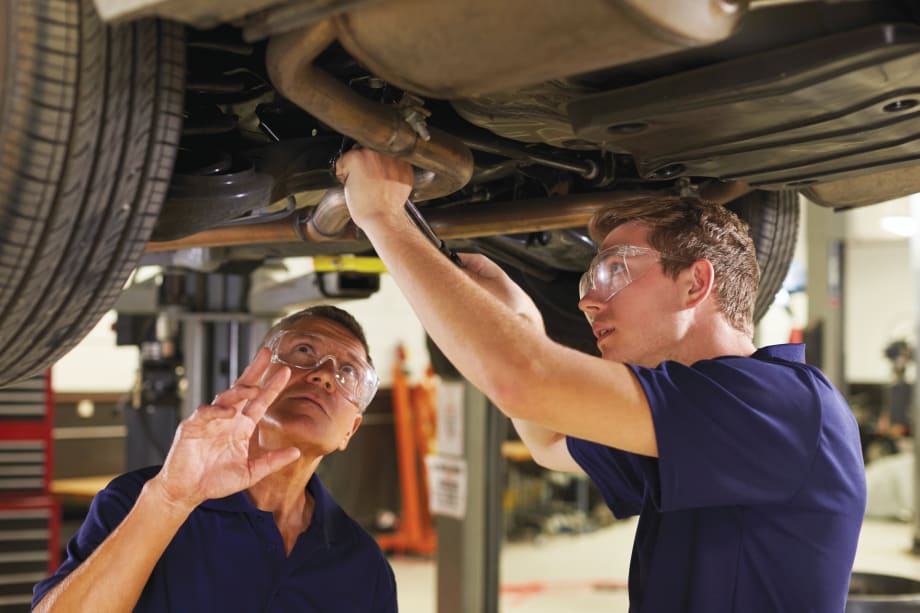
Photo courtesy of istockphoto.com
3 min to read

Photo courtesy of istockphoto.com
Human-related errors are the primary reason for vehicle crashes. With the rise of distracted driving over the past decade becoming a bigger issue, it’s not hard to understand why this is the case.
However, even though the way drivers conduct themselves on the road is crucial to safe driving, drivers should also be mindful of the maintenance aspects that could affect how safe a vehicle is to drive.
“Fleet maintenance is not any different than personal car maintenance, other than the fact that it is typically required more often, because the cars get more use and pile up more miles,” said Michael Calkins, AAA, manager of technical services.
There are five primary components that have the most direct impact on driver safety, according to Calkins.
Tire Pressure
Calkins said that tire pressure is one of the most overlooked things for vehicle maintenance, and added that tire pressure should be checked at least once a month. He said the tire sidewalls should be analyzed for bulges, cuts, and tears, and tire tread depth should be checked.
“We use the quarter test, where you put a quarter upside down into the various tread grooves and if you can see the top of Washington’s head it doesn’t mean you’re tires are worn out but it’s probably time to start shopping. Tires worn to that point have longer stopping distances, particularly on wet pavement and are more likely to hydroplane,” he said.
Brakes
When braking, anytime a driver hears any kind of noise, if the steering pulls, or there’s a vibration, the vehicle should be inspected for potential brake issues, said Calkins.
“During routine servicing, most shops will check the brake pad wear,” he said. “In other cases, if they don’t, if it gets down to a point you’ll hear a squealing.”
He said it’s better to repair the brakes before they get too worn down.
Windshield Wipers
He also said to make sure the windshield wipers are in good shape, and depending on where the vehicle resides, it’s not uncommon to replace the wiper blades twice a year, including hot climates due to how the heat affects the wipers.
“A general rule of thumb is if the wiper can’t clear the windshield in a single swipe, you can try cleaning the blades,” he said. “If that doesn’t work you may need to replace them.
He also suggested that drivers make sure vehicle windshield washer fluid is full, and using a fluid solution that is season/location appropriate. This would include solutions that can clear bugs off more easily or types that won’t freeze in the winter.
Airbags
Calkins said that if a vehicle has an airbag warning light turn on, it should be checked immediately. If the light is on, the airbags won’t work.
“Cars have anywhere from six to 14 airbags,” he said. “Large numbers of airbags can protect your torso, your face, and knee airbags.”
Recalls
Fleets should regularly check if any of their vehicles have a safety recall, Calkins said. All recalls are fixed by the dealer free of charge for whoever owns the vehicle, regardless of vehicle age or mileage.
He said that fleet managers should visit www.recalls.gov to see if there are any outstanding recalls on a vehicle in their fleet.
How Fleets Can Be Proactive
To keep track of all these elements, Calkins said that fleets can offer basic training for drivers to teach them how to identify any problematic maintenance issues.
“If you hear scraping, or if the steering wheel vibrates or pulls, or the windshield wipers smear, let the fleet manager know so they can do the appropriate service,” he said.
He said it’s just as important for the fleet to keep up with maintenance schedules based on time and mileage, especially since certain fleet vehicles may undergo more strenuous driving.
“A delivery vehicle that will stop and go in town is under much more severe service needs than a car that’s used to drive long distances on the highway,” he said.
Originally posted on Automotive Fleet
Subscribe to Our Newsletter
More Small Fleet


Developing Budget-Friendly Driver Safety Programs
From driver training and safety meetings to one-on-one coaching and incentive programs, several small fleets share how they have developed a safety culture with their drivers using low- to no-cost resources.
Read More →
Sponsored•March 9, 2026
Boosting Last-Mile Fleet Uptime, Safety, and Value with AI Vehicle Inspections
AI-powered inspections are transforming last-mile fleets by replacing manual checks with highly accurate automated scans that detect defects in seconds. By giving fleet operations visibility into the daily condition of their vehicles, you can identify trends over the vehicle’s lifecycle that enable improved procurement decisions, route management, driver training and accountability.
Read More →
Five Ways Seat Belts Help Prevent Injuries
There are five ways seat belts protect occupants from injuries, according to the Tennessee Department of Safety and Homeland Security.
Read More →
Sponsored•January 14, 2026
It’s here: The 2026 Fleet Technology Trends Report
What does AI mean for fleets? Get the answer — and learn other top tech trends.
Read More →
Small Fleets, Big Impact: How Independent Drivers Power Wreaths Across America
Check out how small fleets and independent drivers power Wreaths Across America each December and why their impact matters more than ever.
Read More →
VMS Survey Finds 65% of Small Fleet Managers Run Operations Alone
A new VMS survey shows small fleet managers are stretched thin, with most handling operations solo and eager to adopt digital tools for relief.
Read More →
Tips for Driving Safely on Halloween Night
This video features a reminder from the Connecticut Department of Transportation (DOT) and the Connecticut Police Chiefs Association, urging drivers to prioritize safety this Halloween.
Read More →
AI, Access, and Uptime: VMS’s Next Chapter with David Prusinski
VMS’s new Co-CEO, David Prusinski, shares how an AI-first approach will give small fleets and repair shops the tools to compete like big players.
Read More →
Fleet Managers Share Winter Prep Tips: It's Never Too Early!
Three fleets share best practices to prep vehicles for winter and prevent downtime when the cold sets in.
Read More →