




How High's the Gasoline, Mama? Up 20% and Rising
As I write this in April, gasoline -- lifeblood of the economy -- is 20% more expensive than just a month ago.


After almost a decade of touting fuel cell technology as the ultimate replacement for the internal combustion engine, automakers are slowly starting to actually sell a few fuel cell-powered vehicles.
Photo: Work Truck
As I write this, gasoline -- lifeblood of the economy -- is 20% more expensive than just a month ago. That's like finding out that the sport utility vehicle you want is now $30,000 instead of $25,000, or that the suit you're planning to buy is $600, not $500. The bad guys in this case aren't obvious, as USA Today has pointed out.
The big fuel-price climb is due mainly to a complicated switch to summer-blend fuel from winter blend, required by federal air pollution regulations; by the routine and seasonal rise in crude-oil prices; and by a strike in Venezuela that's keeping oil off tankers.
Unrest in the Middle East
An additional factor that may make fuel prices rise even higher is the Iraqi oil embargo announced by President Saddam Hussein. Iraq's former archenemy Iran quickly indicated its willingness to join an Arab oil embargo to protest the recent Israeli takeover of Palestinian territory. Libya, led by Col. Muammar Qaddafi, also expressed support for using oil as a weapon.
Israel has in the past weeks invaded several Palestinian strongholds on the West Bank in response to a wave of suicide bombings by Palestinian terrorists.
Even before Saddam's announcement and Iran's apparent willingness to go along with him, oil industry analysts were predicting the third-highest summer gas prices in history. But if a general Arab oil embargo takes shape, all bets are off.
Let This Be A Lesson
All of this serves to point up just how vulnerable the United States is to events beyond its control.
Wars, strikes, and tensions outside our own borders can have big effects on the American economy. We learned this in the 1973 Arab oil embargo, and we got refresher courses with the Gulf War in 1991 and with the current situation in the Middle East.
How Do We React?
The question at this point becomes, what can we do about this vulnerability? Being able to chart our economic course without taking into account what might or might not happen in a very unstable region -- which just happens to contain the planet's biggest oil fields -- would help. Taking a look at the other major oil producers -- Russia and Venezuela, for instance -- isn't very reassuring. Those countries haven't exactly been paragons of stability lately.
After almost a decade of touting fuel cell technology as the ultimate replacement for the internal combustion engine, automakers are slowly starting to actually sell a few fuel cell-powered vehicles.
The automakers are staying with their long-held estimates that mass-produced, widely available fuel cell vehicles will not be possible until 2010 at the earliest, mainly due to cost, infrastructure and safety challenges.
Given the current political climate in the Middle East and elsewhere, that sounds like a very long time. Putting fuel cell research on the fast track would be a wise course of action.
You may be asking, "But what can I do THIS month to lower my fuel costs?" Fuel management programs are the way to go for immediate and measurable savings. Many firms have reported savings of between 10 and 20 percent on their monthly fuel bills.
More Fuel

The Smart Way to Build a Mixed-Energy Fleet Isn’t About Picking a Side
Mixed-energy fleets aren’t about picking a winning fuel. Sarah Booth of WEX explains how vehicle data, duty cycles, charging strategy, and real-world costs can help fleets choose the right energy source for each job.
Read More →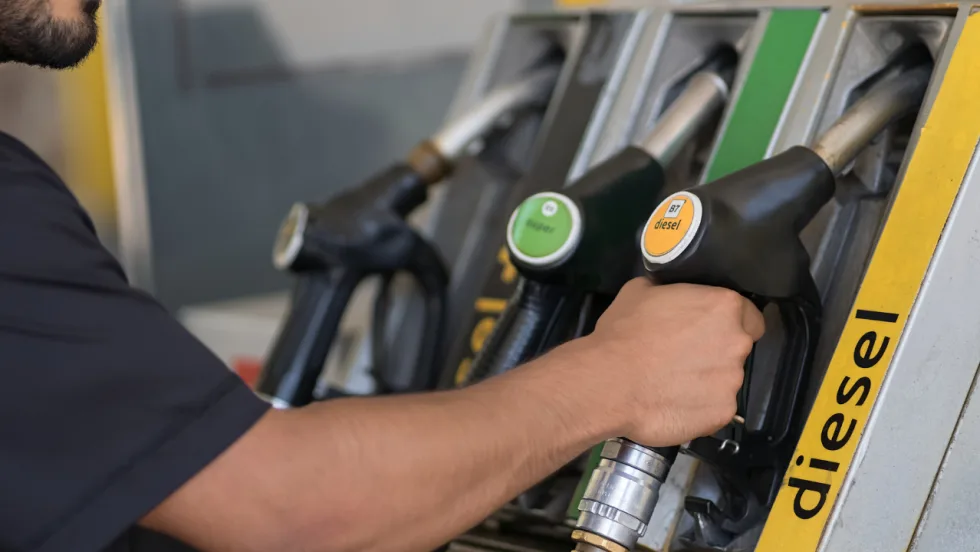
Ignoring This Dashboard Warning Could Cost Your Fleet Thousands in Fuel
New research suggests neglected diesel aftertreatment systems could waste up to $30 in fuel per vehicle each day. Here's why vocational fleets should pay attention.
Read More →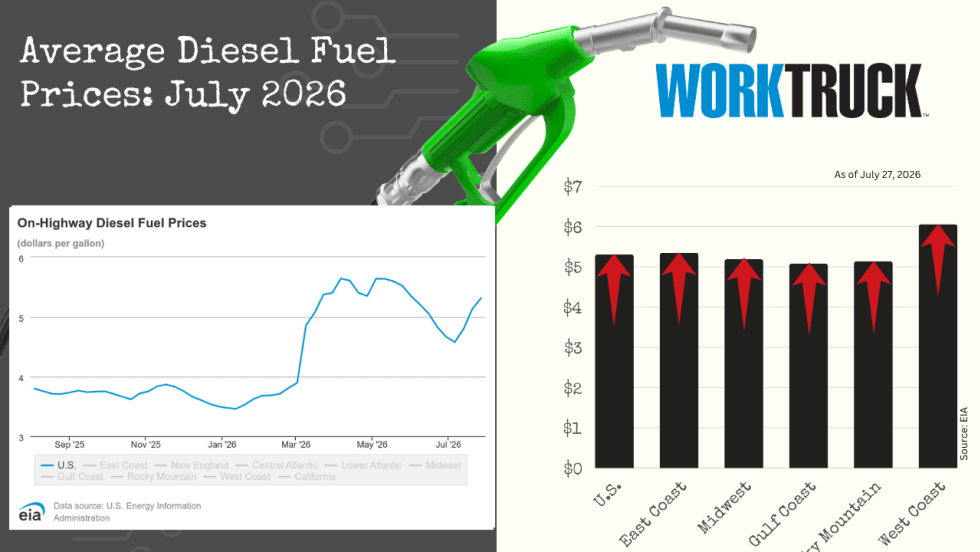
July Diesel Trends Update
The average price of a gallon of diesel increased again this week, and the EIA reported a new national average of $5.31 at the start of the week.
Read More →
WEX Brings Standard Fleet's Connected Vehicle Platform to Fleet Customers
This week’s product launch with Standard Fleet’s connected vehicle platform reflects WEX Venture Capital's strategy of turning startup innovation into customer solutions. Standard Fleet is now available to WEX fleet customers.
Read More →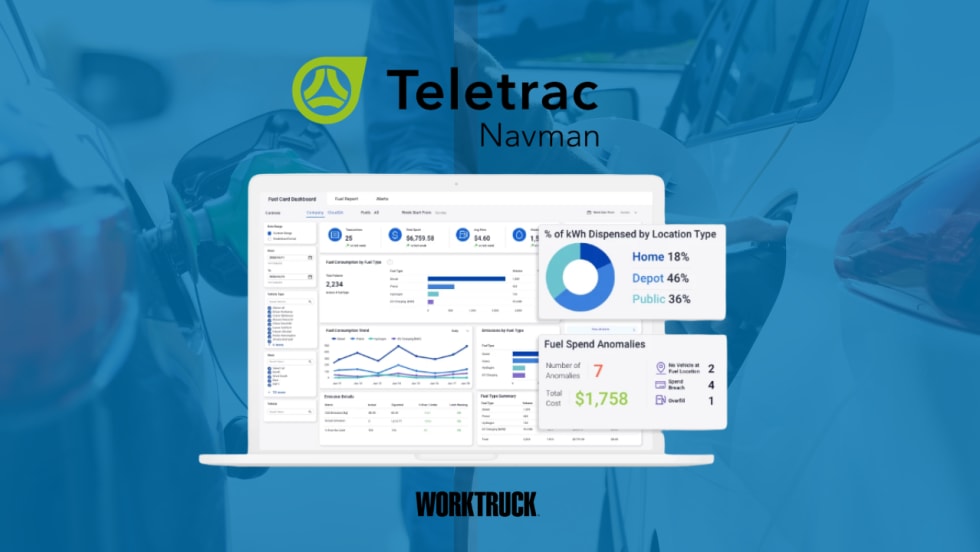
Teletrac Navman Adds Mixed-Energy Fleet Tools to TN360
The new Energy Hub combines fuel transactions, EV charging data, vehicle range, and energy costs in one dashboard for fleets operating multiple vehicle and energy types.
Read More →
WEX DriverDash adds CITGO, Expands Nationwide Access for Fleets
The DriverDash mobile payment app, by WEX, has been integrated into the CITGO merchant network, which means WEX has expanded its U.S. station footprint with the addition of approximately 4,000 CITGO locations.
Read More →
Mixed Energy Fleet Tips for Balancing EVs, Gas and Diesel Vehicles
Mixed energy fleets are becoming the new normal. Learn how fleet managers are balancing EVs, gas and diesel vehicles while controlling costs and planning for the future.
Read More →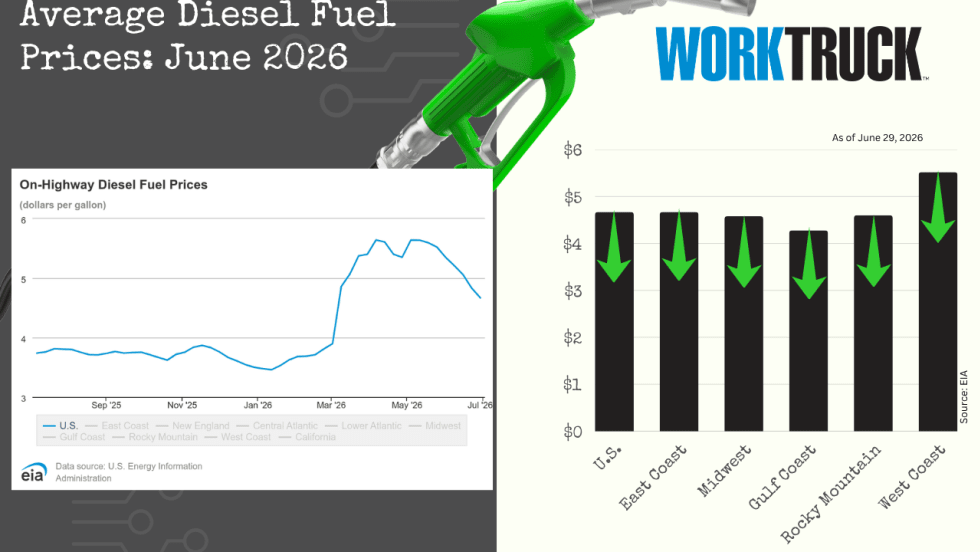
June Diesel Trends Update
The national average price of a gallon of diesel has dropped again, this week by more than 16 cents. All five regions reported lower average prices, ranging from almost 13 cents to more than 28 cents cheaper than a week ago.
Read More →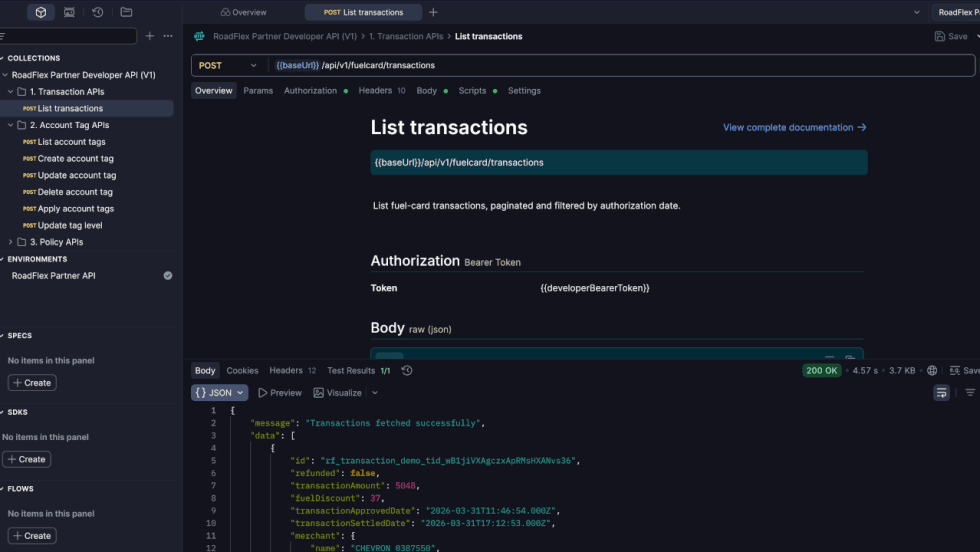
RoadFlex Launches RoadFlex Direct Open API Platform
RoadFlex Direct connects fuel cards, controls, and data to the telematics and fleet management systems fleets already run, from Geotab and Samsara to Fleetio and RTA, with no separate dashboard or double data entry.
Read More →
The Key to Fuel Efficiency Sits in the Cab
Learn how driver behavior, telematics, coaching, and fuel data can help fleets improve fuel efficiency, lower costs, and reduce emissions.
Read More →