How Fleet Managers Can Stay Ahead of Tariffs, Timelines, and Tightening Budgets
New tariffs are hitting work truck fleets hard. Get tips to stay ahead of price hikes, delays, and budget crunches with smart sourcing and strategic planning.
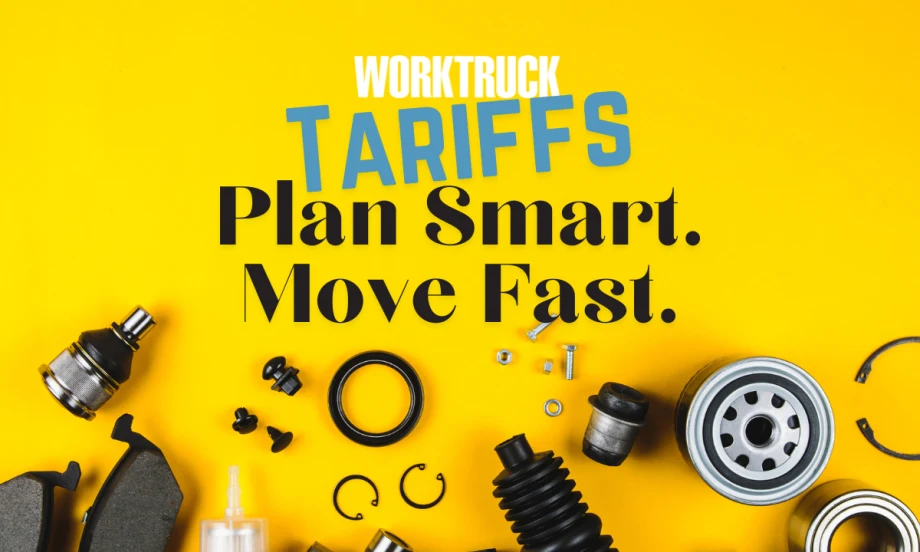
The tariff wave is here, and fleets that wait get hit hardest. Now’s the time to pivot. Lock in pricing, tighten timelines, and build that Plan B (and C). Flexibility isn’t a perk. It’s the playbook.
Photo: Work Truck
4 min to read
Trade policy might not usually top a fleet manager’s inbox, but the newest round of automotive import tariffs is making waves, and fast. Beginning in April and May 2025, a 25% tariff was imposed on certain imported automobiles and parts, with significant implications for the work truck industry.
Ad Loading...
The change stems from a national security review first initiated back in 2019, when the U.S. Secretary of Commerce found that increasing reliance on foreign-made vehicles and components could weaken America’s domestic auto manufacturing base.
Ad Loading...
After stalled negotiations and years of monitoring, the policy was formally enforced in a March 2025 proclamation, triggering ripple effects across dealerships, upfitters, and supply chains, especially in the light- and medium-duty sectors.
As Charles Mathew, assistant director of Order & Upfit at Merchants Fleet, put it: “The 25% tariffs on imported vehicles and parts are causing considerable ripple effects throughout the light- and medium-duty fleet markets.”
Dealers Are Feeling the Heat and So Are Upfitters
Even though the new tariffs don’t apply to imports from Canada and Mexico, the wider fleet market is reacting with understandable caution.
“The 25% tariffs on imported vehicles and parts are causing considerable ripple effects throughout the light- and medium-duty fleet markets,” Mathew explained. “Dealers are accelerating vehicle purchases to hedge against potential future shortages, which has resulted in some price inflation at the dealership level.”
On the upfit side, although there are no major shortages yet, both vendors and fleet teams are closely monitoring the supply chain, particularly regarding raw materials and global shipping disruptions.
Ad Loading...
Scenario Planning and Flexibility Are Now Essential
With uncertainty on the rise, successful fleets are proactively shifting their strategies. That means building out Plan B (and C and D) well before the pressure hits.
“At Merchants Fleet, we’re seeing clients use scenario planning to model out potential tariff impacts across high-, medium-, and low-risk cases,” Mathew shared. “This gives them a strategic head start in budgeting and inventory decisions.”
Another smart tactic? Don’t rely on just one OEM. Diversifying sourcing across several automakers gives fleets the flexibility to adjust when timelines or pricing shift, and avoids putting all your trucks in one basket. Charles also recommends having backup upfit specs ready to go, whether it’s a different ladder rack supplier or a simpler service body option, so production doesn't grind to a halt.
That 25% isn’t just a number, it’s a ripple effect. From service bodies to steel racks, fleet managers are already feeling the heat. Time to rethink, replan, and react fast.
Photo: Work Truck
Speed Is the Name of the Game
Fleet managers have always had to juggle lead times and budgets, but today’s environment calls for faster decision-making and more tactical execution.
“The tightening of quote validity, often under 30 days now, is forcing a shift from long-range planning to more tactical execution,” Mathew said. To stay on budget and on time, he recommends several concrete steps:
Ad Loading...
Submit POs quickly once a quote is secured to lock in pricing.
Maintain a pre-approved list of alternate components so substitutions can be made without delay.
Centralize communications with upfitters and vendors to keep everyone in sync.
Lean on fleet partners (like Merchants) to filter out noise and provide real-time updates that actually help.
Which Upfit Components Are Most Vulnerable?
If your build includes anything heavy, metallic, or internationally sourced, there’s a good chance it’s now a pricing wildcard.
“Components with international sourcing or heavy raw material input, such as metal-based racks, storage systems, and service bodies, are particularly vulnerable to tariff-driven price increases,” Mathews noted.
While supply hasn’t dried up, the cost curve is becoming steeper due to rising material prices and geopolitical pressure.
So what can fleets do? Try:
Ad Loading...
Standardizing alternate specs to make vendor switching less disruptive.
Baking in fluctuation clauses into approval workflows to plan for pricing swings.
Exploring U.S.-sourced or assembled options, which may come with tariff exemptions or rebates.
Smaller Fleets, Bigger Risks but There’s Still a Path Forward
Smaller operations might not have the leverage or buying power of enterprise-level fleets, but they’re not out of luck. It just takes a little more foresight and strategic partnering.
“Smaller fleets can stay competitive by focusing on agility and relationships,” Mathews advised. That includes:
Tapping into fleet management companies with wider OEM and upfitter access.
Starting the planning process earlier; think six months out, not three.
Using standardized upfit templates to cut back on variability and delays.
Staying flexible with components instead of customizing every truck.
That last part is key.
Ad Loading...
“Swapping to a similar, more readily available component may prevent months of delay,” Mathews added.
Fleet Market Trends Worth Watching
The market is adjusting, and so are fleet strategies. Many are extending upfit timelines and broadening their OEM mix to reduce risk. Some are even splitting orders between manufacturers or repurposing interim fleet assets when delays stretch out.
“We're also seeing an increased use of interim vehicle fleets temporarily shifting short-term assets to long-term applications when OEM orders are delayed,” Mathews explained. “Key trends to watch include further OEM diversification, greater use of American-assembled components, and tighter integration between ordering and upfitting partners to reduce handoff lag.”
In other words? Staying nimble, informed, and proactive will be the name of the game for the foreseeable future.
Fleet Policy Brief: What’s Behind the New 25% Tariff?
Timeline: First proposed in a 2019 national security investigation; the tariffs were finalized in March 2025 by presidential proclamation.
Effective Dates:
Automobiles: Tariffs took effect on April 3, 2025
Automobile parts: Tariffs applied no later than May 3, 2025
Scope: Includes sedans, SUVs, vans, and light trucks, as well as certain parts like engines, transmissions, and electrical systems.
Why Now? The move aims to reduce U.S. dependence on foreign vehicles and components, citing pandemic-era supply chain vulnerabilities and stagnant domestic manufacturing.
Exemptions: Vehicles and parts from Canada and Mexico may qualify for preferential treatment under the USMCA if U.S. content is verified.
Fleet managers should watch closely; more parts could be added as the government continues to monitor imports and respond to industry shifts.
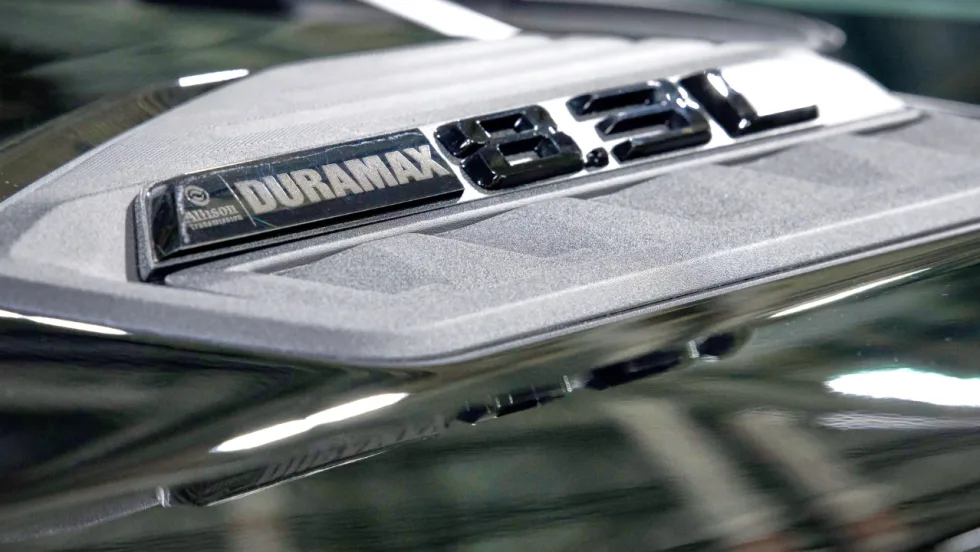
General Motors previewed key updates for its 2027 HD pickup lineup, which will now include a new Duramax 8.3L Turbo-Diesel, electric power steering, and electronic brake boost.
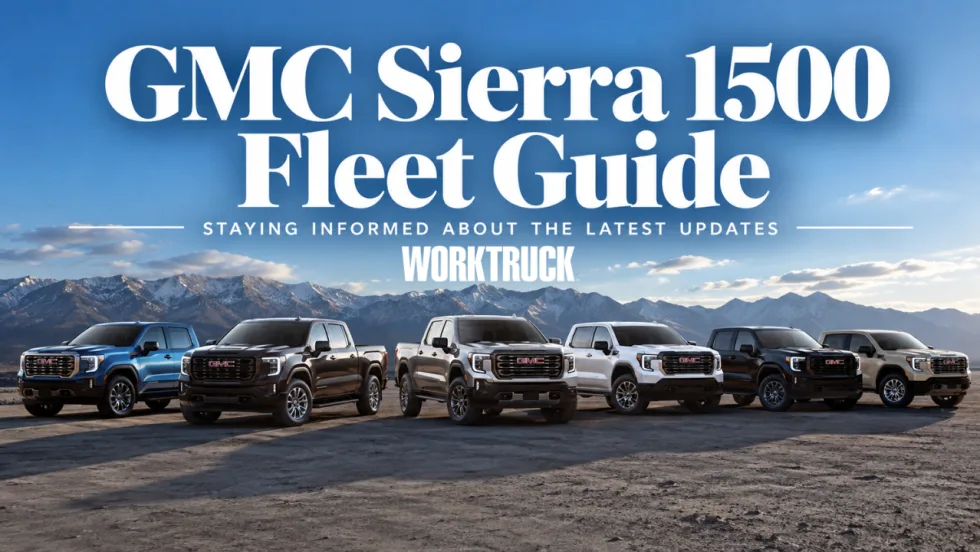
The next-generation 2027 GMC Sierra 1500 brings new V-8 engines, more standard safety technology, updated trailering tools, and a work-focused Pro trim. Here’s what fleets need to know.
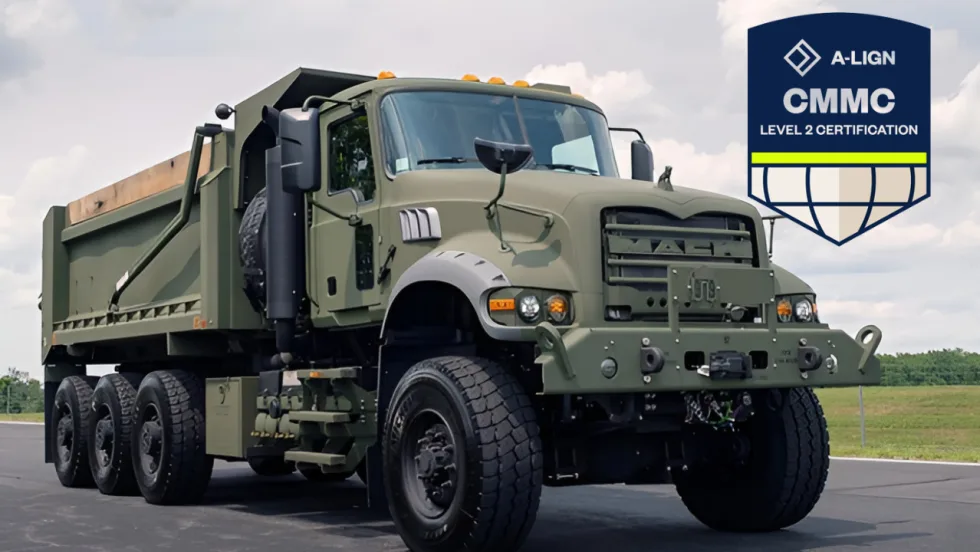
After an assessment conducted by an authorized Certified Third-Party Assessment Organization (C3PAO), Mack Defense has achieved Cybersecurity Maturity Model Certification (CMMC) Level 2.
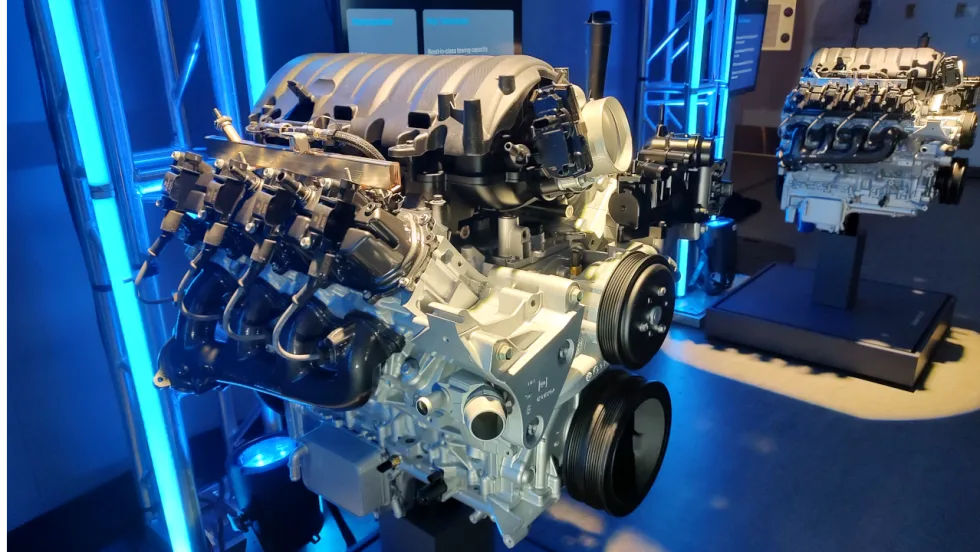
General Motors unveiled two new small-block engines, backed by extensive real-world validation and more than 70 years of small-block V8 manufacturing experience, as part of the engine portfolio for the 2027 Chevrolet Silverado 1500 and GMC Sierra 1500.
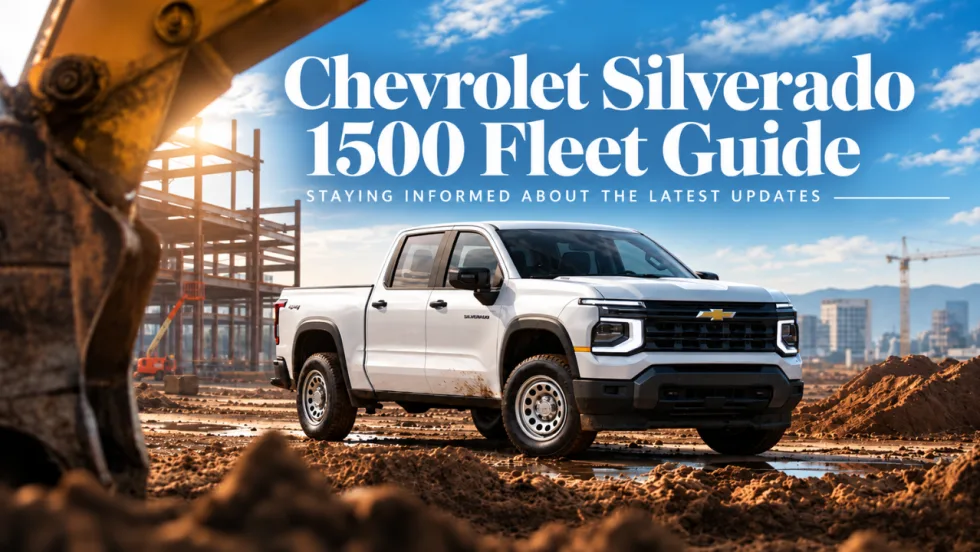
The next-generation 2027 Chevrolet Silverado 1500 brings new V-8 engines, updated technology, expanded safety features, and a fleet-focused Work Truck. Here’s what commercial fleets need to know so far.
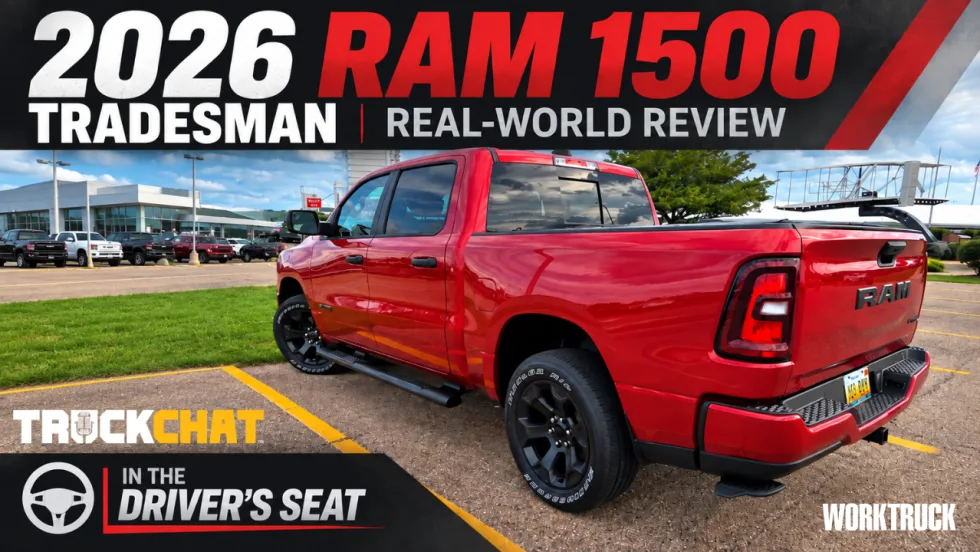
A few days behind the wheel of a 2026 Ram 1500 Tradesman turned into a test of visibility, parking, work-ready features, and even severe-weather driving.
GM's new pickup interface puts trailering data, camera views, vehicle controls, and smartphone integration closer to the driver in the 2027 Silverado and Sierra.
Work Truck’s Ram ProMaster City Fleet Guide tracks the latest specifications, cargo capability, configurations, fleet technology, pricing, and model-year updates for Ram’s mid-size commercial van.