





This article appeared in the 2021 Connected Fleet Guide, which offers resources to turn connected car data into actionable insights to foster safer and more efficient fleets.
How a Digital Key is Transforming Corporate Carsharing
Keyless technology combined with telematics is moving beyond traditional carsharing to facilitate in-vehicle deliveries, more automated pickup and return processes, and private carsharing trips with business cars.
March 29, 2021

Fleetster’s data showed that in Germany during the pandemic, allowing employees access to fleet cars for personal use was at an all-time high.
Photo via Pixabay/Peter H.
4 min to read
The subject of sustainability is rising in importance in every aspect of the corporate world. When it comes to sustainability with corporate fleets, reducing carbon emissions through electrification is top of mind.
But the concept of the connected car is also promoting sustainability. Carsharing platforms and telematics are combining to open new ways to better manage existing assets and drive higher fleet utilization.
The current market for shared vehicles in Europe is 370,000 units, according to market research by IMG, and is projected to increase to 7.5 million by 2035. That growth will be driven in part by new digital key technologies, according to Fabian Seithel, associate VP of NCEE sales & business development at Geotab.
Traditional consumer carsharing will continue apace, though telematics and digital key systems will boost penetration of other models such as residential EV carsharing and government and corporate motor pools. A new model is also taking shape — in-vehicle delivery.
Not intrinsically carsharing, in-vehicle delivery uses GPS and remote lock/unlock functionality to allow for the delivery of goods directly to a car, van, or truck without the driver needing to be at the vehicle. Parcel delivery companies now have new drop-off points. Service technicians won’t need to detour to the warehouse for parts. Salespeople don’t have to wait at home to receive supplies. Other services, such as cleaning and maintenance, can be handled similarly.
A New Carsharing Model
Not intrinsically carsharing, in-vehicle delivery uses GPS and remote lock/unlock functionality to allow for the delivery of goods directly to a car, van, or truck without the driver needing to be at the vehicle. Parcel delivery companies now have new drop-off points. Service technicians won’t need to detour to the warehouse for parts. Salespeople don’t have to wait at home to receive supplies. Other services, such as cleaning and maintenance, can be handled similarly.
Geotab’s foray into digital key technologies began when it launched its Geotab Keyless product in October 2020. With this system, the Geotab platform generates security keys and sends cellular commands to Geotab’s OBD II tracking device. The keyless hardware then locks or unlocks the vehicle after receiving security validation. While other keyless systems operate independent of fleet telematics, Geotab Keyless allows Geotab clients seamless integration with their existing Geotab telematics system.
But to create solutions for end-user fleets, the system relies on a marketplace of third-party partners that integrate with Geotab’s Keyless APIs. These mobility technology partners include Wunder Mobility, Ridecell, Eccocar, Moove Connected Mobility, and Fleetster, a cloud-based fleet management and carsharing software. Alternatively, Geotab fleet customers can opt to create their own reservation software using Geotab’s APIs.
“We consider (Fleetster) a technology company,” said Ruhoff in the seminar. “Software is what we do; hardware is what we buy. … With partners such as Geotab, it comes together as mobility software and technology that we offer to our customers.”
In addition to public carsharing, Fleetster provides software, both branded or white-labeled, for general fleet management as well as government and corporate carsharing/motor pools. Fleetster is looking to expand its footprint into North America, Ruhoff said.
The Fleetster system works with Geotab Keyless to alleviate the need for a physical key, but it works with bladed keys too. Government fleet motor pool operators will remember the old-school lockbox with car keys hanging from hooks. Fleetster has replicated this in an “electronic key cabinet” that centralizes the management of keys and the handover of shared vehicles. The electronic cabinet can be managed through time-based permissions and is designed to minimize unauthorized usage.
The system can handle complex scenarios involving user permissions, business or personal trips, damage reporting, and booking for others. Yet there are other efficiencies inherent with telematics integration. For instance, data that previously needed to be added manually — such as mileage and fuel level — can now be automatically transferred through Geotab’s device. “The user only needs to tell the system the car’s cleanliness level,” Ruhoff said.
Fleet Cars for Personal Use
Ruhoff reports that Fleetster’s public carsharing clients in Germany did not experience any dramatic business swings during the pandemic. However, since the start of the pandemic, business travel using pool cars “has been quite dead,” Ruhoff says.
The new trend in corporate carsharing is to allow employees access to fleet cars for personal use. After an initial dip, this type of booking spiked, and the higher volume was sustained throughout the pandemic. For private bookings, “We are looking at an all-time high,” he says.
Fleetster’s data shows that an employee-use option is a sought-after perk that also maximizes vehicle utilization. This should be considered when building business cases around corporate and government carsharing pools, Ruhoff concluded.
Originally posted on Automotive Fleet
Subscribe to Our Newsletter
More Small Fleet

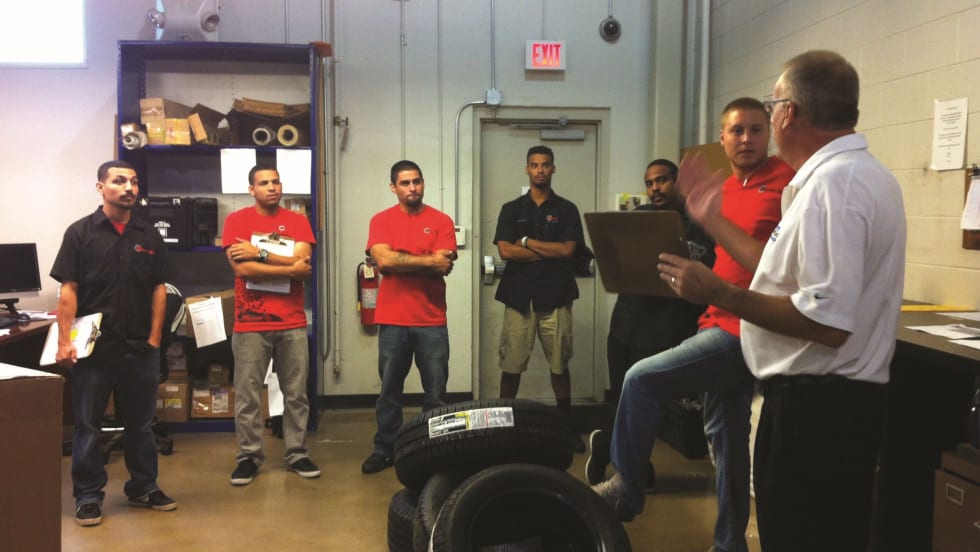
Developing Budget-Friendly Driver Safety Programs
From driver training and safety meetings to one-on-one coaching and incentive programs, several small fleets share how they have developed a safety culture with their drivers using low- to no-cost resources.
Read More →
Sponsored•March 9, 2026
Boosting Last-Mile Fleet Uptime, Safety, and Value with AI Vehicle Inspections
AI-powered inspections are transforming last-mile fleets by replacing manual checks with highly accurate automated scans that detect defects in seconds. By giving fleet operations visibility into the daily condition of their vehicles, you can identify trends over the vehicle’s lifecycle that enable improved procurement decisions, route management, driver training and accountability.
Read More →
Five Ways Seat Belts Help Prevent Injuries
There are five ways seat belts protect occupants from injuries, according to the Tennessee Department of Safety and Homeland Security.
Read More →
Sponsored•January 14, 2026
It’s here: The 2026 Fleet Technology Trends Report
What does AI mean for fleets? Get the answer — and learn other top tech trends.
Read More →
Small Fleets, Big Impact: How Independent Drivers Power Wreaths Across America
Check out how small fleets and independent drivers power Wreaths Across America each December and why their impact matters more than ever.
Read More →
VMS Survey Finds 65% of Small Fleet Managers Run Operations Alone
A new VMS survey shows small fleet managers are stretched thin, with most handling operations solo and eager to adopt digital tools for relief.
Read More →
Tips for Driving Safely on Halloween Night
This video features a reminder from the Connecticut Department of Transportation (DOT) and the Connecticut Police Chiefs Association, urging drivers to prioritize safety this Halloween.
Read More →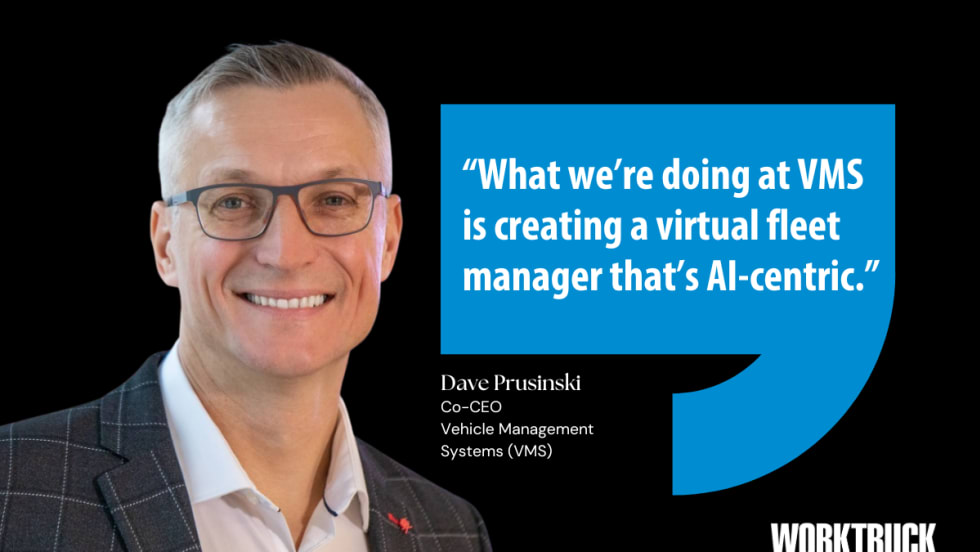
AI, Access, and Uptime: VMS’s Next Chapter with David Prusinski
VMS’s new Co-CEO, David Prusinski, shares how an AI-first approach will give small fleets and repair shops the tools to compete like big players.
Read More →
Fleet Managers Share Winter Prep Tips: It's Never Too Early!
Three fleets share best practices to prep vehicles for winter and prevent downtime when the cold sets in.
Read More →