




Related: Video Systems Help Reduce Cost, Liability, Headaches
How a Contractor Caught a $1K a Week Overtime Mistake
Frisch & Sons Inc. used its new telematics system to identify a time-stamp error and save another $300 monthly by ensuring proper gas card use among its drivers.
by Gregory Van Tighem
February 5, 2020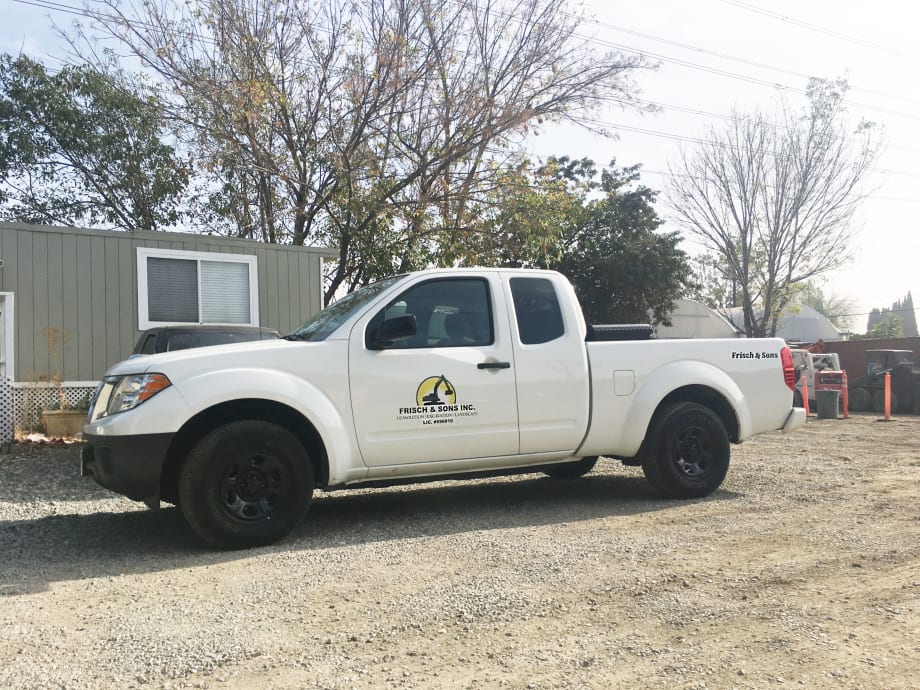
Frisch & Sons found a niche during the Great Recession to demolish aging swimming pools on residential properties and convert them into new landscaping.
Photo courtesy of Frisch & Sons Inc.
3 min to read
Bobby Frisch is always on the go — so having to head into the office to log into his telematics system to keep tabs on his excavation crews just didn’t cut it.
But for about a year and a half that’s exactly what Bobby Frisch, owner of Frisch & Sons Inc., a Los Angeles-based landscaping and excavation contracting company, had to do if he wanted to gather any useful telematics intelligence and act on it. Frustrated with the telematics system’s inability to provide him enough useful information when and where he needed it, Frisch decided to dump it.
For two weeks Frisch’s company operated without a telematics system in place, which did have one unintended consequence. No longer able to use a telematics system to note when crews returned to the yard to calculate their payroll, Frisch relied instead on the time stamps on the company’s video monitoring system to determine when those 10 employees ended their day.
“What I didn’t realize is that the time stamps on the video monitoring system were exactly an hour ahead of the actual time, and as a result those 10 employees were each being paid an extra hour of overtime every day,” Frisch says. Until the company’s new telematics system was fully operational and caught that error, Frisch didn’t know he was paying nearly $1,000 a week in unearned overtime.
While the unearned overtime might not be a common issue among contractors, Frisch believes his story underscores the consequences of something else very common among excavating and landscaping contractors — a fear of technology, particularly telematics. “A good many of us simply don’t use telematics because we don’t understand it and we don’t believe we can apply it to our operations and get any benefit from it.”
Increasing Visibility
Since the fleet management system offered by MiX Telematics can display fleet location and data on mobile devices, Frisch can monitor work crews while he’s traveling from job site to job site and coordinate where they go to minimize travel time.
The system also ensures that drivers use gas cards only for company vehicles and fuel up at the company’s preferred gas stations. By minimizing travel time from job site to job site and ensuring proper gas card use among drivers, his company saves another $300 monthly.
“We wanted visibility into where our staff and vehicles were – how long they were on job sites, and if they were where they were supposed to be,” Frisch says. Frisch also wanted the ability to track driver behavior such as speed, hard accelerations, and harsh decelerations.
MiX Telematics delivers that capability through plug-in dongles on six of the company’s fleet of eight vehicles – three Ford F350s, two Nissan Frontiers, and a Toyota Highlander. MiX Telematics is hardwired into the company’s larger trucks — two Hino Model 338 trucks with 7-yard dump beds. Frisch’s company pays a monthly subscription fee for each vehicle.
Frisch’s family-owned landscaping and excavation company was founded in 1994. During the Great Recession, as many lending institutions and investors bought up distressed residential properties, they found that swimming pools were an expensive liability. “(That’s when) our company found its niche in demolishing aging swimming pools and converting them into new landscaping on residential properties,” Frisch says.
Frisch says his excavation company filled that need with its focus on running a tight and lean operation. Residential swimming pool demos and rehabs, which can take anywhere from five to six days and up to two weeks to complete, account for about 85% of his firm’s business. Frisch says to coordinate the work of his company’s three crews, he must often be mobile, setting himself up in a corner coffeeshop or the company’s Highlander with a smartphone and tablet computer.
“We are growing in number and size, pieces of equipment and trucks,” Frisch says. “We need a telematics system that fits in with that.”
Subscribe to Our Newsletter
More Small Fleet


Developing Budget-Friendly Driver Safety Programs
From driver training and safety meetings to one-on-one coaching and incentive programs, several small fleets share how they have developed a safety culture with their drivers using low- to no-cost resources.
Read More →
Sponsored•March 9, 2026
Boosting Last-Mile Fleet Uptime, Safety, and Value with AI Vehicle Inspections
AI-powered inspections are transforming last-mile fleets by replacing manual checks with highly accurate automated scans that detect defects in seconds. By giving fleet operations visibility into the daily condition of their vehicles, you can identify trends over the vehicle’s lifecycle that enable improved procurement decisions, route management, driver training and accountability.
Read More →

Five Ways Seat Belts Help Prevent Injuries
There are five ways seat belts protect occupants from injuries, according to the Tennessee Department of Safety and Homeland Security.
Read More →
Sponsored•January 19, 2026
Basic Tracking vs Next Generation Fleet Technology
Fleet software is getting more sophisticated and effective than ever, tying big data models together to transform maintenance, safety, and the value of your existing tech stack. Fleet technology upgrades are undoubtedly an investment, but updated technology can offer a much higher return. Read how upgrading your fleet technology can increase the return on your investment.
Read More →
Sponsored•January 14, 2026
It’s here: The 2026 Fleet Technology Trends Report
What does AI mean for fleets? Get the answer — and learn other top tech trends.
Read More →
Small Fleets, Big Impact: How Independent Drivers Power Wreaths Across America
Check out how small fleets and independent drivers power Wreaths Across America each December and why their impact matters more than ever.
Read More →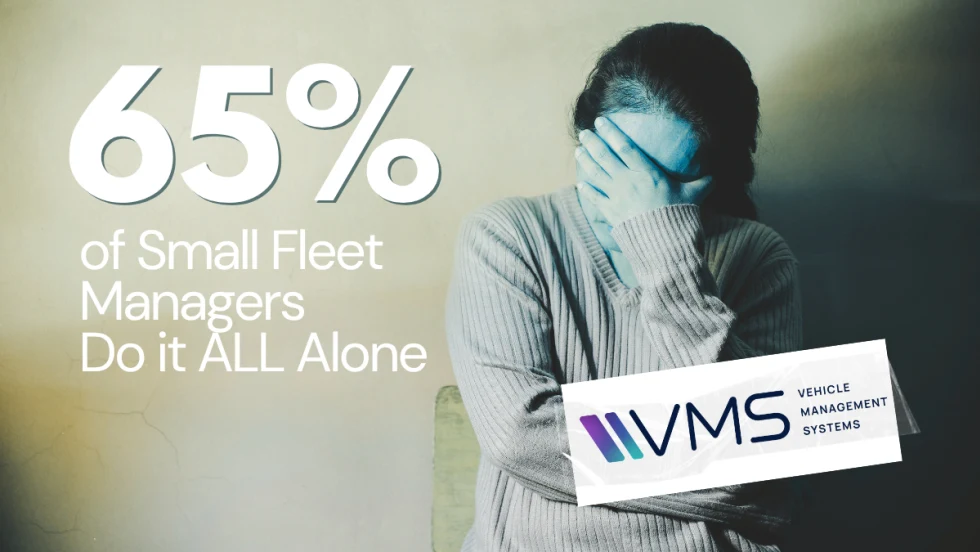
VMS Survey Finds 65% of Small Fleet Managers Run Operations Alone
A new VMS survey shows small fleet managers are stretched thin, with most handling operations solo and eager to adopt digital tools for relief.
Read More →
Tips for Driving Safely on Halloween Night
This video features a reminder from the Connecticut Department of Transportation (DOT) and the Connecticut Police Chiefs Association, urging drivers to prioritize safety this Halloween.
Read More →
AI, Access, and Uptime: VMS’s Next Chapter with David Prusinski
VMS’s new Co-CEO, David Prusinski, shares how an AI-first approach will give small fleets and repair shops the tools to compete like big players.
Read More →