




Four Ways to Minimize Upfit Lead Time
Upfitting a vehicle is a process that requires thought and consideration. It is essential that fleet managers and all suppliers collaborate on upfits. In the final analysis, there are four proven strategies that will expedite OTD for upfits.

[EMPTY CREDIT]
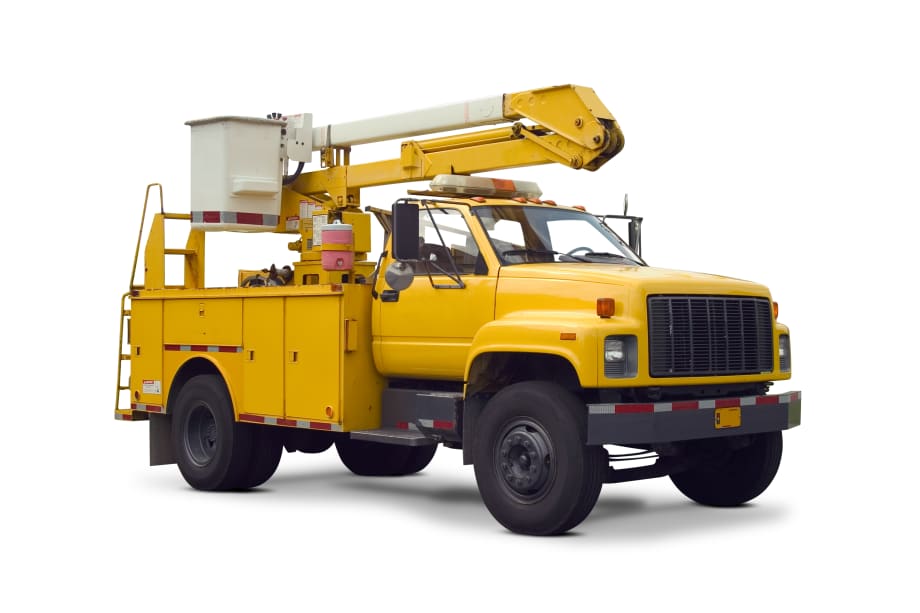
Upfitting a vehicle to perform a specific task is one of the more complicated aspects of fleet management. It is fraught with pitfalls to make mistakes and delay deliveries. Fleet managers need to be extra careful when planning upfit specifications because any after-the-fact engineering changes will be expensive and delay OTD times. Here are four strategies to minimize upfit lead time.
Advance Planning is Crucial
There are a multitude of specialized fleet applications that require the installation of auxiliary equipment on a truck or in a van. What complicates planning is that there are as many ways to upfit a truck as there are truck and body configurations. Since no two fleets are alike, auxiliary equipment needs will vary depending on the application. Planning is critical because each fleet is specialized to its own needs, and what works for one may not work for another. There are many moving parts in upfitting a vehicle, which makes early planning essential for completing an upfit in a timely manner.
Order as Early as Possible
Fleet managers should place new vehicle orders as early as possible to buffer against possible production or transportation delays. In addition, OEM production timeframes will vary especially around start-up and build-out dates. Sometimes, OEMs will move build-out dates forward, resulting in the inability to place needed orders and leading to delays as you search for out-of-stock units.
Anticipate Lead Time
Lead times for add-on equipment and bodies can be very long and they need to be coordinated with anticipated chassis deliveries to an upfitter. One good practice is to order service bodies at the time the chassis is ordered or in transit when scheduling upfits. Using a bailment pool is another alternative when deployment of the upfitted asset is time-sensitive.
Standardize When Possible
Standardization increases operational efficiencies, helps expedite order-to-delivery times, and enhances employee familiarity with equipment, which can translate into increased safety. In addition, standardization allows for volume price discounting from the manufacturer — not just to the vehicle, but in volume discounts for every upfit component — as well as reduced lead times, improved quality, and a more consistent build. Standardization also supports quality assurance and minimizes the need for individual inspections and quality control. In addition, the ability to stock equipment at the installer can shorten upfit lead time, provide flexibility if a vehicle needs to be transferred between branch locations, and facilitates quicker new-hire training.
Despite these benefits, many fleets continue to use too many specs or options, which needlessly complicates fleet ordering and operations. Without a certain degree of equipment standardization, the ability to move vehicles from location to location without impacting operations becomes more difficult. When possible, it should be a priority for vocational fleet managers to focus on standardizing upfit packages. When a fleet manager conducts a detailed examination of equipment across the fleet, it will usually yield a set of specifications that can fulfill the work application in all but a few circumstances.
Originally posted on Automotive Fleet
More Small Fleet


Developing Budget-Friendly Driver Safety Programs
From driver training and safety meetings to one-on-one coaching and incentive programs, several small fleets share how they have developed a safety culture with their drivers using low- to no-cost resources.
Read More →
Boosting Last-Mile Fleet Uptime, Safety, and Value with AI Vehicle Inspections
AI-powered inspections are transforming last-mile fleets by replacing manual checks with highly accurate automated scans that detect defects in seconds. By giving fleet operations visibility into the daily condition of their vehicles, you can identify trends over the vehicle’s lifecycle that enable improved procurement decisions, route management, driver training and accountability.
Read More →
Five Ways Seat Belts Help Prevent Injuries
There are five ways seat belts protect occupants from injuries, according to the Tennessee Department of Safety and Homeland Security.
Read More →
It’s here: The 2026 Fleet Technology Trends Report
What does AI mean for fleets? Get the answer — and learn other top tech trends.
Read More →
Small Fleets, Big Impact: How Independent Drivers Power Wreaths Across America
Check out how small fleets and independent drivers power Wreaths Across America each December and why their impact matters more than ever.
Read More →
VMS Survey Finds 65% of Small Fleet Managers Run Operations Alone
A new VMS survey shows small fleet managers are stretched thin, with most handling operations solo and eager to adopt digital tools for relief.
Read More →
Tips for Driving Safely on Halloween Night
This video features a reminder from the Connecticut Department of Transportation (DOT) and the Connecticut Police Chiefs Association, urging drivers to prioritize safety this Halloween.
Read More →
AI, Access, and Uptime: VMS’s Next Chapter with David Prusinski
VMS’s new Co-CEO, David Prusinski, shares how an AI-first approach will give small fleets and repair shops the tools to compete like big players.
Read More →
Fleet Managers Share Winter Prep Tips: It's Never Too Early!
Three fleets share best practices to prep vehicles for winter and prevent downtime when the cold sets in.
Read More →