





Take a 'Brake': Fleet 101 -- Regenerative Braking
Fleet 101: Transfer Cases in Work Trucks
Do you truly understand transfer cases? Whether you use them daily, work trucks that need to go off-road depend on these for appropriate power.
March 28, 2023

Transfer cases are common truck parts from Jeep (left) to ford (right). Understanding how they work is important for work truck fleet managers.
Photo: Jeep/Ford/Work Truck
5 min to read
Picture this: a mechanic comes up and tells you about an issue with a transfer case on a vehicle. Do you understand why that matters? A common truck part, transfer cases have a simple job that fleet managers without a mechanical background might not fully understand.
Take a look at this high-level overview.
Digging In to Transfer Cases for Work Trucks
A transfer case is essential in work trucks with four-wheel drive (4WD) -- covering just about every work truck (except the FWD Honda Ridgeline).
At the most basic, a transfer case shifts power from the transmission to the front and rear axles. It is used in four-wheel-drive vehicles to distribute torque evenly between the front and rear axles for improved traction and stability.
Don't confuse 4WD with all-wheel drive, which refers to a system where all four wheels can gain traction independently of each other. At the highest level, the main difference between 4WD and AWD is that you can switch 4WD on and off while AWD is always on.
This article will cover the basics of a transfer case, the types of transfer cases available, the benefits, and how the system works.
What is a Transfer Case?
A transfer case is a gearbox between the transmission and the drive axles in a four-wheel drive vehicle. It transfers power from the engine to both the front and rear axles.
The transfer case is responsible for providing torque to the wheels of a vehicle, making it ideal for rough terrain or slippery road conditions.
How Does a Transfer Case Work?
A transfer case receives power from the transmission and distributes it evenly to the front and rear axles. It uses a set of gears that can be engaged or disengaged, allowing power transfer to the axles as needed.
The transfer case also includes a differential, which distributes torque evenly between each axle’s left and right wheels.
Most transfer cases require regularly scheduled maintenance, just like other truck parts. Be sure to check fluid levels regularly, depending on application.
Different Types of Transfer Cases
There are two main types of transfer cases: manual and automatic.
Manual transfer cases require the driver to physically engage the transfer case by shifting a lever.
Automatic transfer cases use a hydraulic or electronic system to engage the case as needed automatically.
Top 3 Benefits of a Transfer Case
A transfer case provides several benefits to work trucks, including:
Improved Traction: By distributing torque evenly between the front and rear axles, a transfer case provides improved traction, making it easier to navigate rough terrain or slippery roads.
Increased Stability: With power being distributed evenly to all four wheels, a transfer case can improve the vehicle’s stability, especially in slippery or uneven conditions.
Versatility: Transfer cases are designed to provide power to all four wheels of a vehicle, making it a versatile component that can be used in various driving conditions.
How Do You Use a Transfer Case on a Work Truck?
Using a transfer case on a work truck is typically done through a transfer case shift lever or switch, which is in the vehicle's cab. The specific steps for using a transfer case will depend on the type of transfer case in your vehicle and the manufacturer's instructions.
But, in general, the steps below can be followed to use a transfer case:
Ensure the vehicle is stopped: Before engaging the transfer case, it is important to bring the vehicle to a complete stop and shift the transmission into park. Remember, most vehicles require you to shift to neutral to get into four-wheel drive low!
Engage the transfer case: In vehicles with a manual transfer case, you must shift the transfer case lever into the desired position. For vehicles with an automatic transfer case, you may need to activate a switch or button to engage the transfer case.
Select the drive mode: In most vehicles, several drive modes are available, such as 2WD (two-wheel drive), 4WD (four-wheel drive), and 4WD low range. The transfer case lever or switch typically has a position or indicator for each drive mode. Choose the desired drive mode based on road conditions and your needs.
Drive the vehicle: Once the transfer case is engaged and the drive mode is selected, you can safely drive the vehicle on rough terrain or slippery roads. If the road conditions improve, it is recommended to return the transfer case to 2WD mode to conserve fuel and reduce wear on the drivetrain components.
It is important to follow the manufacturer's instructions to understand the capabilities and limitations of your work truck and transfer case. If you are unsure how to use your transfer case, consult the owner's manual or seek assistance from a qualified dealership or mechanic.
In addition, trucks with a transfer case will also have an additional driveshaft and U-joints to maintain. While used sparingly, these joints do, and will, get tight from limited use. At the end of the day, the make, model, weight, and more will impact what type of maintnenace is needed and when to perform it.
The Bottom Line
In conclusion, a transfer case is a vital component of work trucks that provides improved traction, stability, and versatility. Whether driving on rough terrain or slippery roads, a transfer case helps ensure your vehicle remains stable and in control.
If you are considering purchasing a work truck, it is important to consider the type of transfer case included and how it will meet your specific needs.
What tips do you have to add? Drop us a comment below! Work Truck knows that fleet is complex with constant change and advancement. From new fleet managers to seasoned veterans, there is always more to learn. Fleet 101 topics are aimed to educate everyone on truck-specific fleet management key topics.
Subscribe to Our Newsletter
More Maintenance
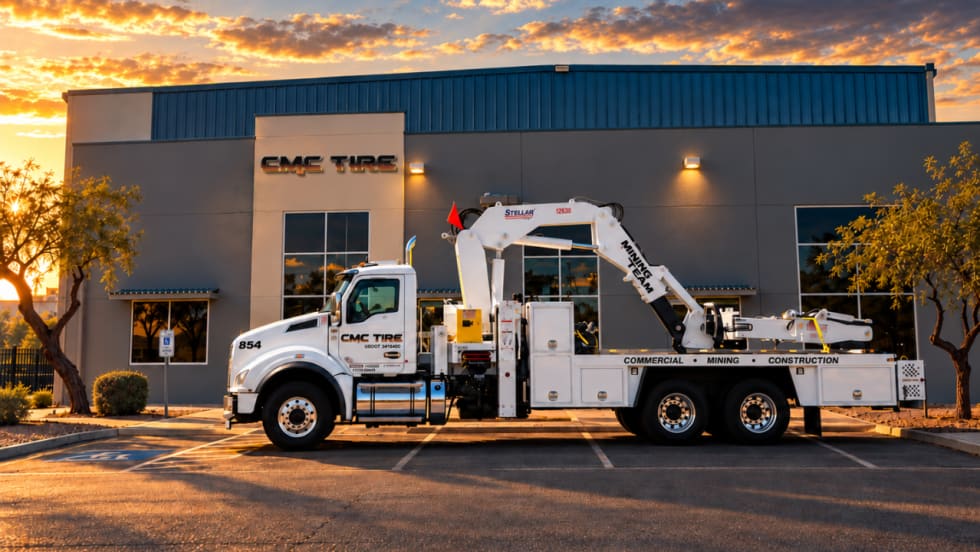
Les Schwab Expands Commercial Tire Footprint Into Arizona
Les Schwab Tires has expanded into Arizona with two commercial tire locations in Phoenix and Tucson, strengthening its fleet service footprint in the Southwest.
Read More →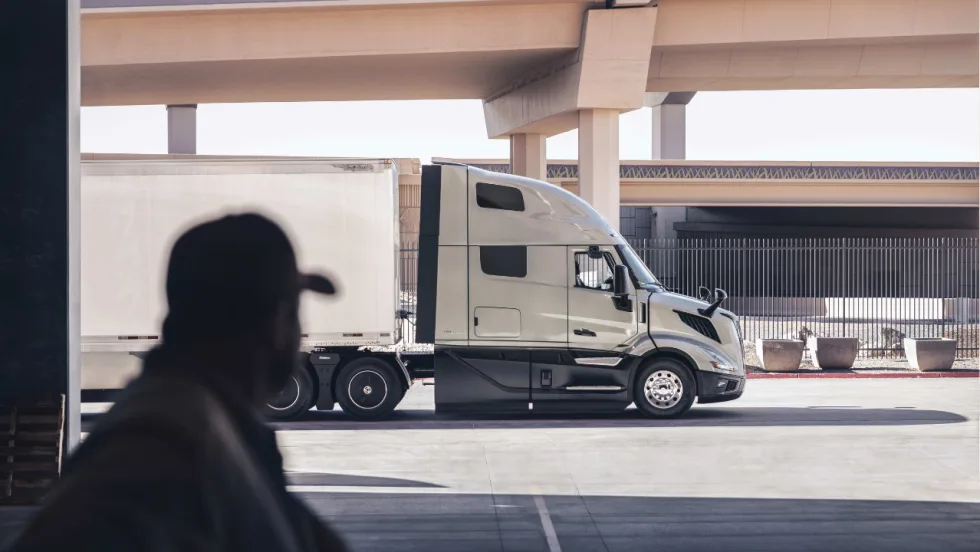
Volvo Trucks’ 'Lock and Leave' Software Updates Go Live Across North America
Unattended over-the-air software updates are now available in Volvo trucks across the U.S. and Canada. The new capability lets trucks stay current with the latest software without interrupting operations or requiring a dealership visit.
Read More →
Why Technician Appreciation Can’t Be a Once-a-Year Thought
For fleets trying to keep skilled technicians, recognition cannot begin and end with Technician Appreciation Week. Learn what year-round appreciation really looks like and why the everyday technician experience matters just as much as pay when fleets are trying to keep good people.
Read More →
How Faster Driver Reporting Can Keep Small Truck Problems Small
When minor damage, warning lights, or equipment issues are reported late, small problems can quickly become bigger maintenance headaches. Conversational AI can help shorten the path from what a driver notices in the field to the person who can act on it.
Read More →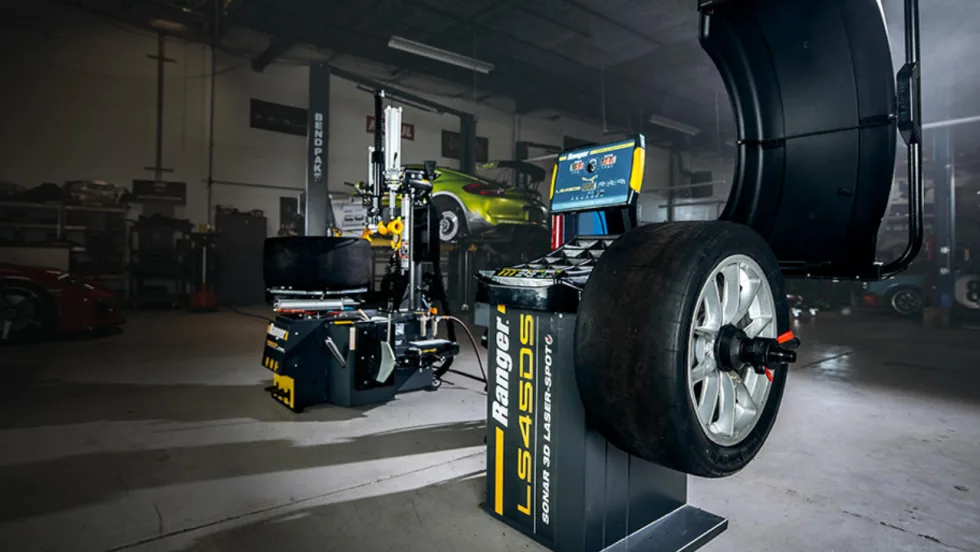
BendPak’s Ranger Wheel Service Equipment Achieves North American Safety Certification
BendPak’s full line of Ranger tire changers and wheel balancers has been ETL certified to UL and CSA standards to improve operator safety.
Read More →
Isuzu & U.S. Department of Labor Celebrate Milestone for Veterans Apprenticeship Program
The Isuzu Veterans Apprenticeship Program (IVAP) signing ceremony highlighted Isuzu’s long-term commitment to veterans, Isuzu dealers, and the skilled workforce supporting its customers and the commercial transportation industry.
Read More →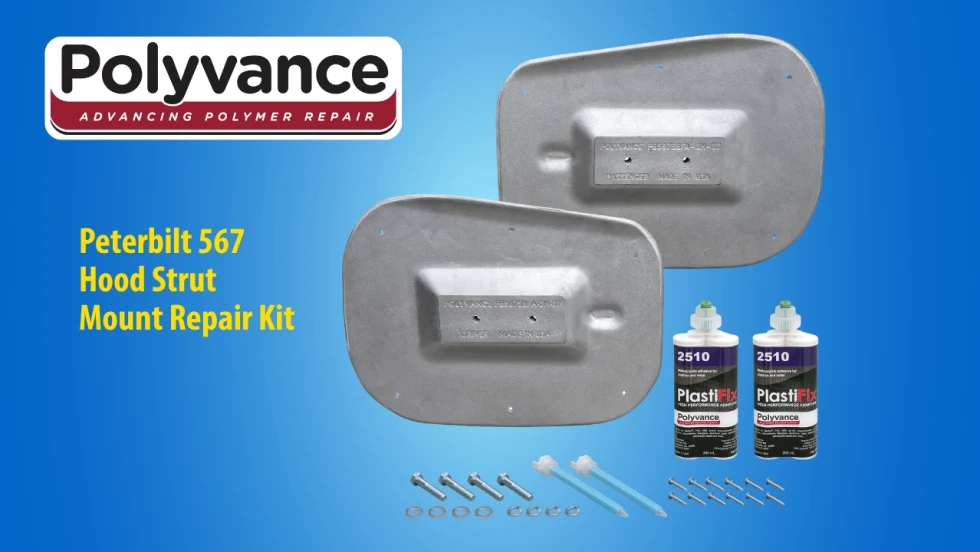
Polyvance Introduces New Peterbilt 567 Hood Strut Mount Repair Kit
Polyvance has launched a repair solution for Peterbilt 567 hood struts, helping truck owners and repair facilities avoid costly hood replacements.
Read More →
Cox Automotive Celebrates Technical Excellence at 2026 Top Tech Finals
The top technicians from Cox Fleet and Manheim tested their skills in Nashville, Tennessee, at Cox Automotive’s 2026 Top Tech Finals. The overall winners will advance to compete at the American Trucking Association’s TMC SuperTech competition.
Read More →
Grote Industries Appoints Vice President of North American Operations
Grote Industries has appointed Patrick Smith as vice president of North American operations as it celebrates 125 years of innovation and manufacturing excellence. He has more than 20 years of manufacturing leadership experience.
Read More →
Winter Fleet Prep: Expert Tips to Keep Vehicles Running Smoothly
Cold weather can expose weak batteries, tires, fuel systems, and maintenance gaps fast. Use this winter fleet checklist to prepare trucks and drivers before temperatures drop.
Read More →