




ELD Compliance Enters New Phase
After nearly a full year with the Electronic Logging Device mandate in effect, here's a look at what we know so far and where this important connected-vehicle technology seems to be heading.

Photo by Who_I_am via Getty Images.
In last year's "Connected Fleet Guide," we were a couple months away from Phase Two of the federal Electronic Logging Device mandate. Fleets with grandfathered automatic onboard recording devices (AOBRDs) are currently allowed to continue using them, while those with paper logs had to transition to an ELD back in December 2017. When Phase Three commences in December 2019, all heavy-duty trucks required to comply with the rule must be equipped with a certified ELD.
What We Know
While compliance and adoption rates of ELDs vary depending on the source, with the FMCSA reporting better than 95% compliance compared with independent surveys that claim much lower rate, we know this much is true: Fleets using them acknowledge that ELDs can have a positive impact on operations, whether it's a lower risk of compliance violations or reducing manual processes.
The FMCSA agrees and reported in a six-month analysis after the start of Phase Two that, during roadside inspections, hours of service (HOS) violations have decreased steadily. In the same report, the agency cited that less than 1% of driver inspections resulted in a violation due to a driver not having an ELD or grandfathered AOBRD.
There have of course been challenges and lessons learned, which are highlighted in this article. With the launch of any new system, and without a true beta-testing period with all stakeholders — including law enforcement — prior to implementation, it's no surprise that there have been hiccups during this first year.

Hours-of-service compliance improves with ELD rollout.
Source: FMCSA
What We've Learned
1. Provide more training. Law enforcement officers and drivers all need more training on using the devices. Drivers need to know, for example, if they have an AOBRD or an ELD, as the process with the officer will be slightly different. There's even a cab card that drivers should carry. Carriers should work with their vendors if they're unsure on what to train drivers on. They also should find out from drivers on what's being asked of them during inspections.
2. Research your vendor thoroughly. If you don't feel your vendor isn't supporting you through implementation, you may need to reconsider vendors now before you've invested any more time. The certified ELD vendor with the FMCSA is quite long, so be sure to do independent research on the history of the vendor.
3. Don't ignore unassigned drive time. This unassigned drive time should be investigated and dealt with regularly so that it doesn't stack up. This is especially important to make sure there isn't a bug happening and that drivers are using the system correctly.
4. The data could help solve long-time problems. The data could potentially help refine HOS parameters. It could also result in carriers restrategizing some of their dispatching and routing decisions.
For example, surveys and industry articles report that drivers are struggling more with parking since the ELD mandate. The ELDs, however, are not the cause of parking shortages — this has been a growing issue along main trucking corridors for a while. On the other hand, the mandate made it more difficult for drivers to shift hours in order to find a place to park, which means they may sometimes be left in spots with no parking once they've reached their maximum number of drive hours.
This complaint does shine a light on several issues: an imbalance of parking locations in high-demand areas, a need for better route scheduling so drivers aren't in these areas when pushed against their rest period — a process that can be significantly aided by telematics — and an inflexibility in the HOS regulations that may sometimes put drivers in risky situations.
Data could help provide the evidence and tools needed to make changes to any or all of these three areas.
What We Can Do Next
Make lemonade. Whether you want those ELDs in your trucks or not, they are there. Now it's about increasing the analytics behind compliance. Working with a trusted telematics vendor and avoiding a fly-by-night ELD provider means you won't be missing out on the cost savings, efficiency-driven insights, and increased productivity that fleets often find after installing a full-suite telematics system as part of their ELD solution.
Here's what drivers and fleets may find with fully connected ELD/telematics solutions:
Fewer violations that put them out of service.
An overall reduction in downtime to fill out paper logs.
Auto-generated reports that used to take hours to generate.
A tighter and more consistent driver inspection process.
More transparency in routing and dispatching by having it in a single dashboard with driver logs.
Driver behavior data that provides opportunities to coach and reward people.
Increased transparency and even collaboration with shippers and receivers thanks to a better understanding of how much time a driver spends at each dock.
For the trucking industry, the key word here is "collaboration." The data provided by telematics as part of an ELD solution means easier collaboration among the back-office staff with drivers and executives, as well as other touchpoints like customers and shipping partners.
Originally posted on Automotive Fleet
More Technology
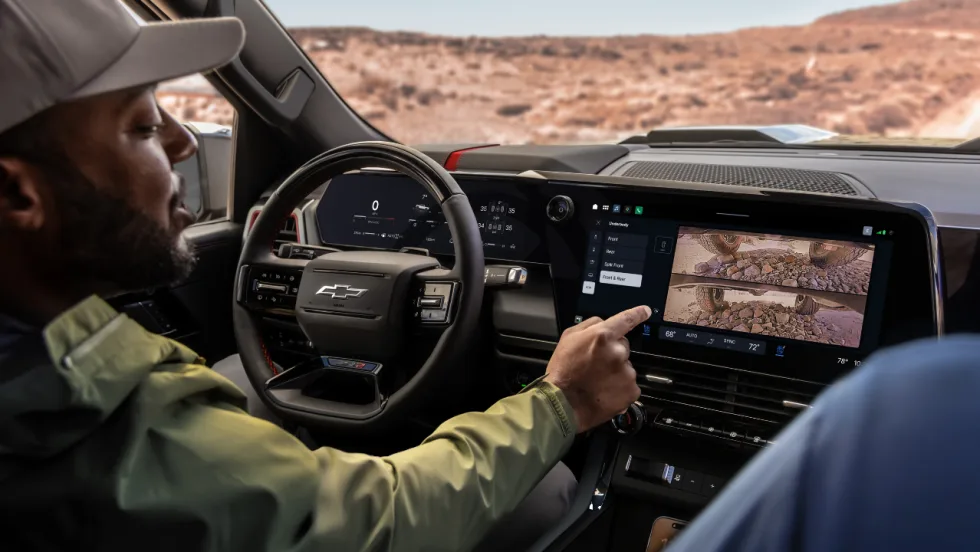
GM Brings New Truck Focused Interface to 2027 Silverado and Sierra
GM's new pickup interface puts trailering data, camera views, vehicle controls, and smartphone integration closer to the driver in the 2027 Silverado and Sierra.
Read More →
Samsara Driver Perks Expands Rewards Beyond the Long Haul Driver
Samsara’s new driver rewards program was built with a broader professional driver in mind, including employees who split their day between driving, job sites, service calls, and other work.
Read More →
AI Service Advisor Aims to Cut Fleet Repair Downtime
Fleetio said its AI Service Advisor can help fleets cut repair downtime by an average of 2.5 hours per repair while reducing manual maintenance work.
Read More →
Verra Mobility Launches AI-Driven Title & Registration Solution
Verra Mobility has launched a new AI-driven Title & Registration platform to help fleets move vehicles from acquisition to the road the same day while reducing compliance risk.
Read More →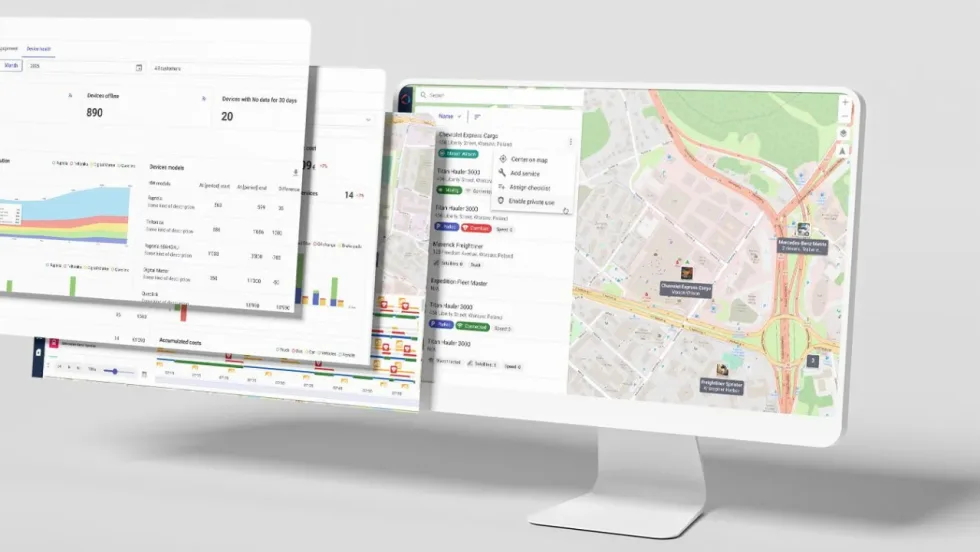
Wialon Unlocks OEM Data to Give Fleet Owners Data Ownership & Operational Clarity
Wialon has introduced hardware-free OEM integration as the EU Data Act accelerates the shift in vehicle data access across the fleet industry in many countries.
Read More →
Teletrac Navman Promotes New CEO from Within
Teletrac Navman’s next CEO, Ricardo Buranello, has served as the company’s chief financial and operating officer. He brings deep financial and operational expertise, a strong strategic orientation, and an intimate knowledge of the business to his new role.
Read More →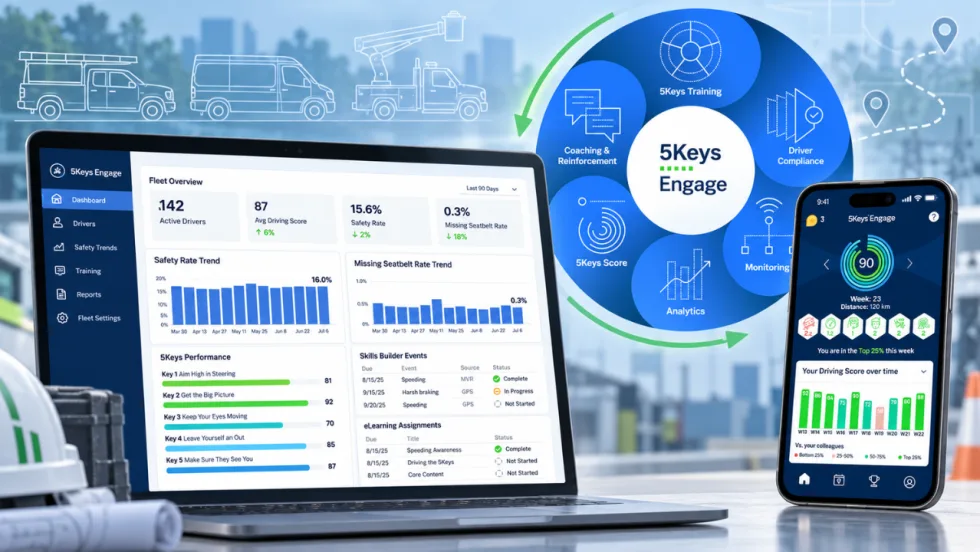
Smith System Wants Work Truck Fleets to Look Beyond the Driver Alert
Smith System’s new Driver Risk Management program is built to help mixed work truck fleets turn telematics alerts and observations into specific behaviors, coaching actions, and measurable follow-up.
Read More →
Ford Pro Software Updates: August 26
Check out the latest Ford Pro software updates, including Google Maps integration, Remote Vehicle Alarm integration, Motor Pool for easier management of shared pool vehicles, and more.
Read More →
Where AI Is Actually Saving Fleet Managers Time
AI is moving past the buzzword stage and into the daily fleet workflow. Fleetio’s Brianna Perry Lang breaks down where fleets are seeing real time savings, from maintenance and data entry to repair decisions, safety, and compliance
Read More →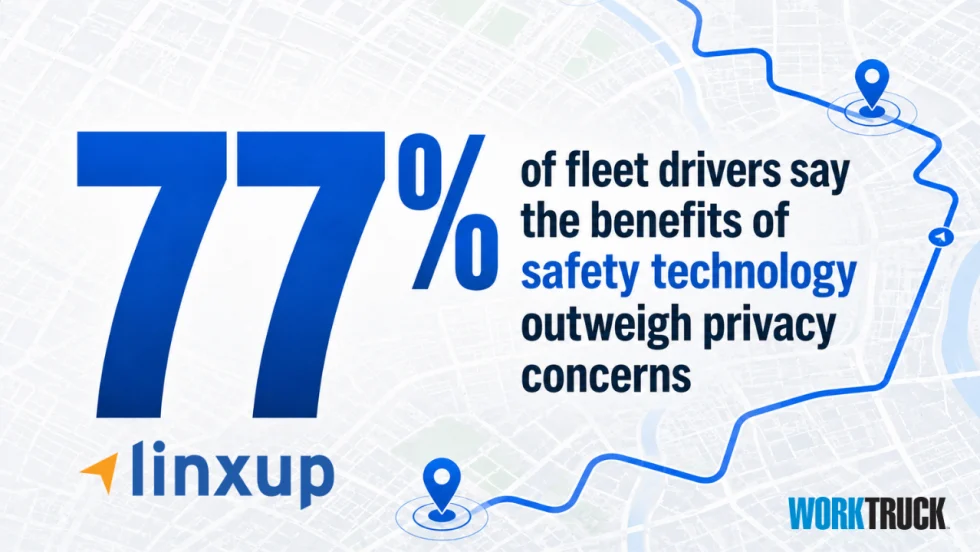
Are Work Truck Drivers Warming Up to Dash Cams and GPS Tracking?
A new survey finds field-service drivers may be more comfortable with dash cams and GPS tracking than fleet managers think, especially when the technology helps protect them after a crash.
Read More →