




Related: Preparing for the Connected Fleet
Commentary: A Crossroads for Fleet Managers
With the sunset of 3G and chip shortages affecting vehicle production as well as aftermarket telematics, fleet managers need to adapt to the connected car and embrace what OEM-sourced data can do for them, or be left behind.
by Arun Rajagopalan
May 18, 2021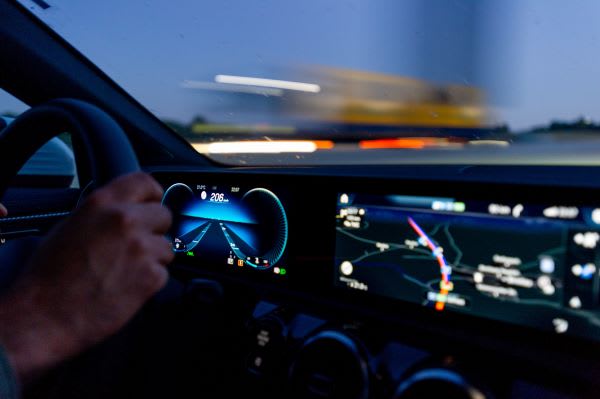
An estimated 30 million new connected cars hit the roads in 2020, with each of them ready to be generate business-critical data without requiring third-party telematics devices.
Photo via Randy Tarampi/Unsplash.
4 min to read
What does a movie about baseball statistics have to do with fleet management? Nothing, and everything.
Brad Pitt uttered the phrase “Adapt or Die” in his role as Oakland A’s general manager Billy Beane in the movie MoneyBall (based on the book of the same name). He was talking about how baseball managers needed to move away from making decisions based on “gut feelings” and leverage empirical data in order to compete. Today’s fleet managers are at a similar crossroads, resulting from several trends that are forcing them to adapt:
3G Equipment is Being Retired. Any fleets still using 3G could soon start seeing decreased reliability and performance in the coming months. The retirement of 3G equipment will make room for 4G LTE and 5G enabled equipment. 3G devices will have to find either aftermarket or on-board telematics solutions if they want to continue to benefit from fleet intelligence.
Aftermarket Telematics Facing Major Disruption. Aftermarket telematics providers are facing shortages and delays, with no end in the foreseeable future. Because of this, fleet managers may be unable to outfit some, most, or all of their fleets, and they will have to find new ways to get mission-critical data from their vehicles.
Reduced Automobile Production. As a result of the chip shortage, OEM’s could produce fewer vehicles for at least the next two years. This means fleets may have to make do with reduced vehicle counts, which will drive the need for better operational efficiency but also ensure vehicles are well-maintained. With 30 million new connected vehicles on the road in 2020, all signs are telling you...
It’s Time to Adapt
Depending on the age, make, and models of vehicles in your fleet, the answer may be right under your nose. Or, more accurately, under the hood. An estimated 30 million new connected cars hit the roads in 2020, with each of them capable of so much more than playing your Spotify playlist. That means you likely have vehicles in your fleet that are ready to be generating business-critical data without requiring third-party telematics devices.
Connecting your fleet to cloud-based platforms allows companies to not only survive, but thrive in the headwinds of the coming years. New cloud-based connected car services are working with fleet management companies to connect OEM-modems on new makes and models and aftermarket devices into one platform giving fleet managers the ability to make clear, data-driven decisions.
Customers can track, measure, and improve (when needed) across several key metrics that help reduce costs, improve efficiency and safety, and unlock previously hidden insights from operations. Here are just a few of the ways connected car data can help fleet managers:
Driver Safety. In a world of constrained fleet vehicle availability, managers can’t afford to have losses from accidents. Using the onboard computer, fleet managers can see which drivers exhibit risky behaviors, like hard braking and/or accelerating and speeding. Studies show driver behavior management can reduce speeding instances by 43%.
Unauthorized Use & Fuel Spend. By examining GPS-enhanced route tracking and geofencing, as well as engine idling data and fuel card use, it’s now possible to reduce overall fuel spend. Motorq reports savings as much as 12 percent for one customer.
Preventive Maintenance. 18% of fleet vehicles are overdue for preventive maintenance. When fleet vehicles are connected to the cloud, staying compliant with (and even getting ahead of) preventive maintenance can help reduce large expenses down the road.
Lessen the Administrative Burden. In an era when many are being asked to do more with less, fleet managers have less time to spend tracking down drivers that have tampered with their third-party devices. By leveraging the technology that has been built into the vehicle, the driver is not able to turn off this functionality.
Forward thinking fleet managers aren’t going to wait for these global trends to abate or disappear. They are adapting and embracing new technologies that increases fleet efficiency and safety while reducing costs and improving overall business intelligence.
Arun Rajagopalan is co-founder and CEO of Motorq, a connected vehicle data analytics company. Motorq has partnered with Merchants Fleet to offer TotalConnect, a solution for fleet managers that directly connects more than 20 makes and models and aftermarket devices into one platform.
Originally posted on Automotive Fleet
Subscribe to Our Newsletter
More Small Fleet


Developing Budget-Friendly Driver Safety Programs
From driver training and safety meetings to one-on-one coaching and incentive programs, several small fleets share how they have developed a safety culture with their drivers using low- to no-cost resources.
Read More →
Sponsored•March 9, 2026
Boosting Last-Mile Fleet Uptime, Safety, and Value with AI Vehicle Inspections
AI-powered inspections are transforming last-mile fleets by replacing manual checks with highly accurate automated scans that detect defects in seconds. By giving fleet operations visibility into the daily condition of their vehicles, you can identify trends over the vehicle’s lifecycle that enable improved procurement decisions, route management, driver training and accountability.
Read More →
Five Ways Seat Belts Help Prevent Injuries
There are five ways seat belts protect occupants from injuries, according to the Tennessee Department of Safety and Homeland Security.
Read More →
Sponsored•January 14, 2026
It’s here: The 2026 Fleet Technology Trends Report
What does AI mean for fleets? Get the answer — and learn other top tech trends.
Read More →
Small Fleets, Big Impact: How Independent Drivers Power Wreaths Across America
Check out how small fleets and independent drivers power Wreaths Across America each December and why their impact matters more than ever.
Read More →
VMS Survey Finds 65% of Small Fleet Managers Run Operations Alone
A new VMS survey shows small fleet managers are stretched thin, with most handling operations solo and eager to adopt digital tools for relief.
Read More →
Tips for Driving Safely on Halloween Night
This video features a reminder from the Connecticut Department of Transportation (DOT) and the Connecticut Police Chiefs Association, urging drivers to prioritize safety this Halloween.
Read More →
AI, Access, and Uptime: VMS’s Next Chapter with David Prusinski
VMS’s new Co-CEO, David Prusinski, shares how an AI-first approach will give small fleets and repair shops the tools to compete like big players.
Read More →
Fleet Managers Share Winter Prep Tips: It's Never Too Early!
Three fleets share best practices to prep vehicles for winter and prevent downtime when the cold sets in.
Read More →