




Related: Diesel vs. Gasoline? Today, the Answer’s Less Clear
Buying a Commercial Vehicle in the Age of COVID-19
These six tips can help fleet operators research, communicate, inspect, and even test drive commercial trucks and vans in a way that protects the health and safety of all involved.
by Paige Bouma
August 13, 2020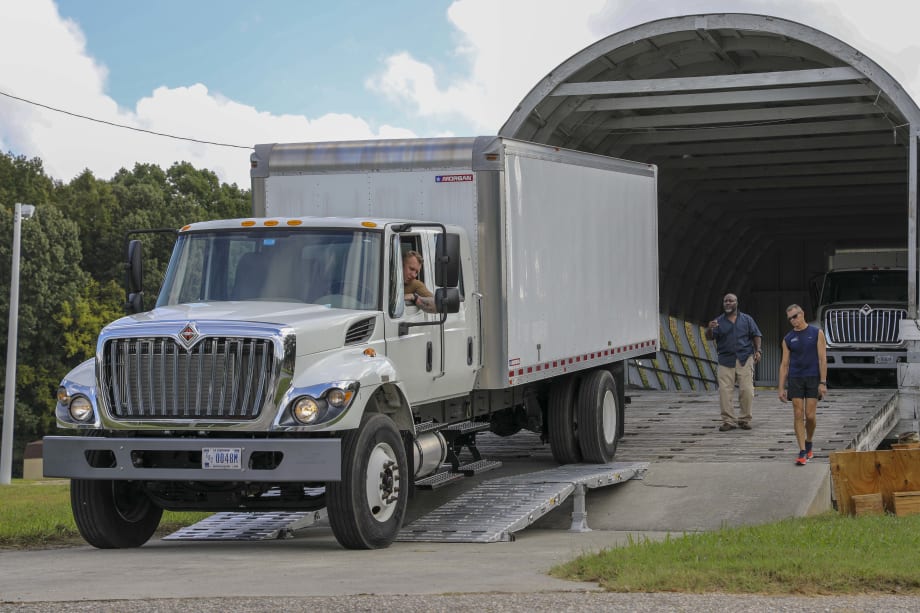
Depending on state laws, the dealer may even be able to finalize the sale and sign over the vehicle to you through their website.
4 min to read
Even as the nation has reopened following the spread of the COVID-19 pandemic, public health and government officials are urgently asking Americans to maintain precautions to slow the spread of the virus. Wearing a mask and keeping six feet of distance from others is simple enough, but how has coronavirus impacted the process of shopping for and buying trucks?
Here are six tips for buying commercial vehicles in the age of COVID-19:
1. Know Your Shopping Options
As you look to purchase a commercial vehicle, it’s important to know how you can safely obtain information about available units. One option is to go to the physical dealership lot and hope that they provide a safe, socially distant shopping experience. However, the coronavirus pandemic has contributed to a huge spike in online research, and dealers have responded accordingly.
More than ever, it’s easy to quickly browse trucks and vans on dealership websites and on third-party marketplace websites like CommercialTruckTrader.com. Online marketplaces give you the widest selection of vehicles from which to choose, while providing the safest method of purchase research.
2. Do Your Research
The most important step in buying any commercial vehicle is to find out as much as you can. This helps you determine if the truck is the right purchase for you. The main aspects of inquiry can all be safely completed online:
Learn about the truck or van’s details, from its structural components to the mileage, via the unit’s online listing photos and description.
Learn the vehicle history, including use, maintenance, repair, and accident history by simply asking the dealer and by searching through public records using the vehicle’s VIN.
Research the owner/dealer through online background checks and by asking around with your industry contacts.
Compare listings. Just because you’ve found one unit that could be a good fit doesn’t mean there’s not a better deal or more relevant vehicle out there. Be sure to fully research local dealership websites and leading online marketplaces.
3. Communicate with the Seller
Once you’re interested in a unit, you don’t have to immediately visit a dealership. Instead, you can safely reach out to the seller by phone call, email, text, or live chat (depending on what contact options they offer). Don’t hesitate to request more photos, seek out additional details, ask questions, talk financing, negotiate price, or communicate about anything else you think is important.
4. Inspect the Unit
You may think that inspecting a vehicle must be done in person, but live video inspections have become increasingly popular during coronavirus. A live digital appointment with a dealer satisfies many of the goals of a traditional appointment, including viewing the unit and its parts in real time, observing unit functionality, asking any relevant questions, and hearing the dealer’s sales pitch.
When setting up a live video chat, confirm certain details with the dealer, such as the exact date and time for the live video chat and which video app or feature you’ll use to communicate. Popular video chat options include Zoom, FaceTime, Google Hangouts, and Facebook Messenger Video Chat.
When conducting a live video inspection, we recommend that you: Ask to hear the running engine; have the dealer show the mileage; request to see unique specs or any damage; have the dealer point the camera to any specific part you want to see, and inspect anything else you would usually observe face-to-face.
5. Conduct a Test Drive
Okay, if you want to do a test-drive, this particular step does have to be done in-person. However, there are still steps you and the dealer can take to make test drives safer in light of the pandemic.
First, instead of just showing up at a dealership, schedule an appointment. This helps dealers manage how many people are in the dealership at once. Second, request that the dealer have the vehicle sanitized and ready to go, with the keys already in the ignition, so that you and the dealer can maintain social distancing. Third, consider bringing along a cleaning wipe to sanitize the steering wheel and gearshift yourself before touching them.
Wear your mask and have some hand sanitizer with you so you can immediately wash your hands after the test-drive.
6. Make the Purchase
During the "Age of COVID-19," it’s likely a dealership will allow you to begin the purchase process digitally. Many dealers have offered solutions like providing online financing resources on their website or accepting purchase deposits online or over the phone. Depending on state laws, the dealer may even be able to finalize the sale and sign over the vehicle to you through their website as well.
Some dealers are also offering expanded delivery services where they will bring a purchased truck or van directly to your home, business, or jobsite. If you do need to sign documents or pick up the vehicle at the physical dealership, we again recommend that you help the dealer manage how many people are in the dealership by calling ahead to schedule an appointment. And as always, don’t forget to wear your mask!
Subscribe to Our Newsletter
More Small Fleet

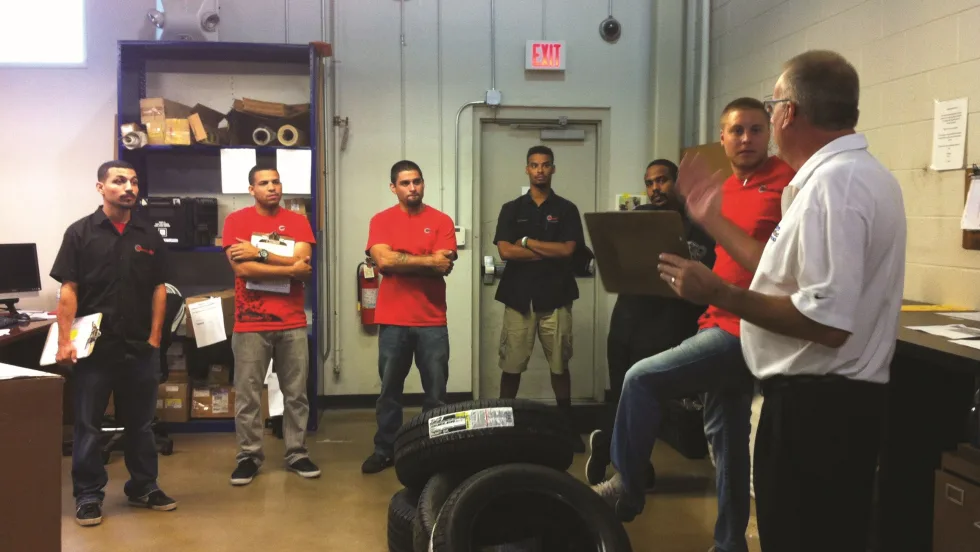
Developing Budget-Friendly Driver Safety Programs
From driver training and safety meetings to one-on-one coaching and incentive programs, several small fleets share how they have developed a safety culture with their drivers using low- to no-cost resources.
Read More →
Sponsored•March 9, 2026
Boosting Last-Mile Fleet Uptime, Safety, and Value with AI Vehicle Inspections
AI-powered inspections are transforming last-mile fleets by replacing manual checks with highly accurate automated scans that detect defects in seconds. By giving fleet operations visibility into the daily condition of their vehicles, you can identify trends over the vehicle’s lifecycle that enable improved procurement decisions, route management, driver training and accountability.
Read More →
Five Ways Seat Belts Help Prevent Injuries
There are five ways seat belts protect occupants from injuries, according to the Tennessee Department of Safety and Homeland Security.
Read More →
Sponsored•January 14, 2026
It’s here: The 2026 Fleet Technology Trends Report
What does AI mean for fleets? Get the answer — and learn other top tech trends.
Read More →
Small Fleets, Big Impact: How Independent Drivers Power Wreaths Across America
Check out how small fleets and independent drivers power Wreaths Across America each December and why their impact matters more than ever.
Read More →
VMS Survey Finds 65% of Small Fleet Managers Run Operations Alone
A new VMS survey shows small fleet managers are stretched thin, with most handling operations solo and eager to adopt digital tools for relief.
Read More →
Tips for Driving Safely on Halloween Night
This video features a reminder from the Connecticut Department of Transportation (DOT) and the Connecticut Police Chiefs Association, urging drivers to prioritize safety this Halloween.
Read More →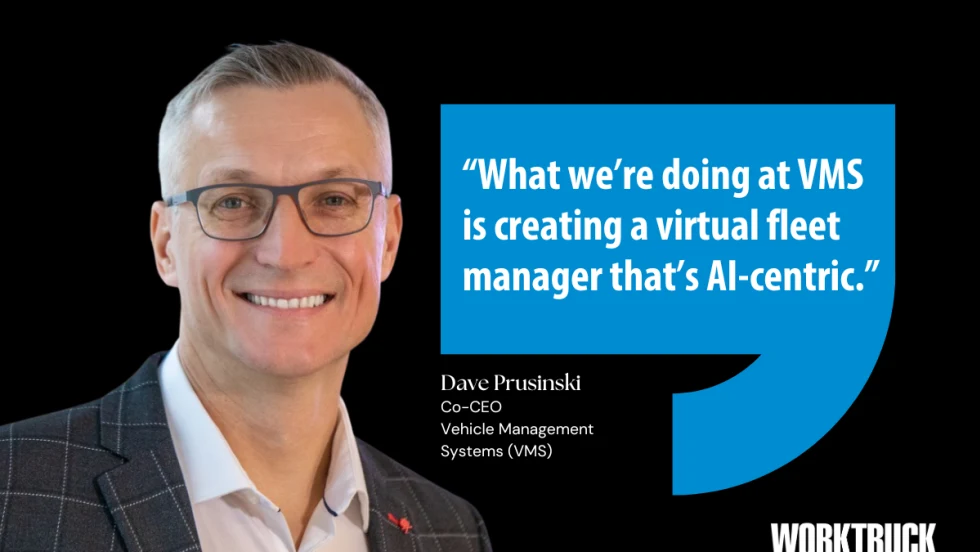
AI, Access, and Uptime: VMS’s Next Chapter with David Prusinski
VMS’s new Co-CEO, David Prusinski, shares how an AI-first approach will give small fleets and repair shops the tools to compete like big players.
Read More →
Fleet Managers Share Winter Prep Tips: It's Never Too Early!
Three fleets share best practices to prep vehicles for winter and prevent downtime when the cold sets in.
Read More →