




Related: 2019 Parts & Service Statistics: Aftermarket & Demand
Buy Cheap, Buy Twice: Value of Quality Aftermarket Parts
The American Transportation Research Institute calculated (ATRI) that the average cost of operating each road freight vehicle in the United States was $1.69 per mile. Learn why choosing original equipment parts for heavy good vehicles (HGVs) could reduce this figure significantly.
by Roger Brereton, Pailton Engineering
August 17, 2020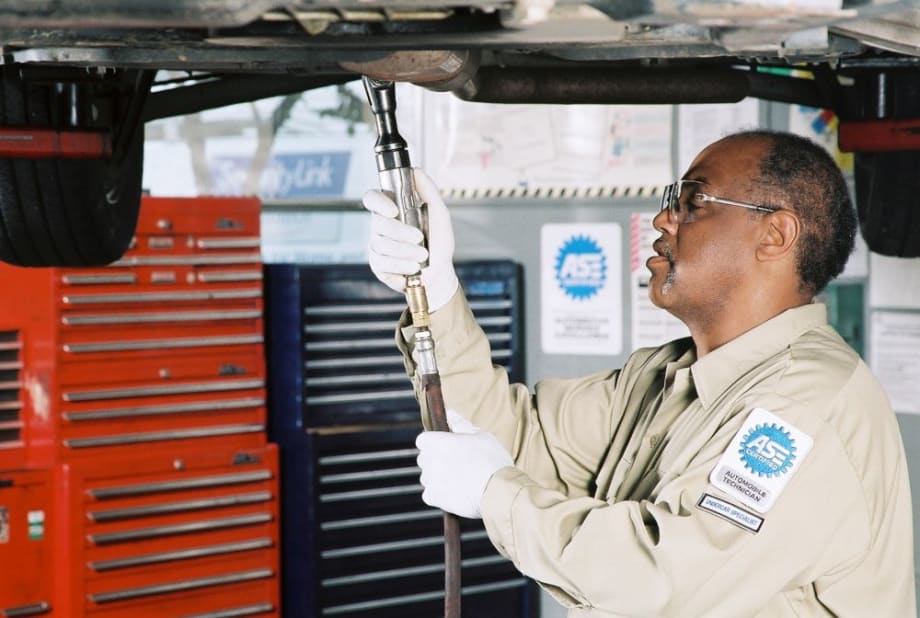
It's important to note, when selecting aftermarket parts, that "matched quality" doesn’t mean the part is the same as an OE part, or that it is OE approved.
Photo: ASE
3 min to read
The American Transportation Research Institute calculated (ATRI) that the average cost of operating each road freight vehicle in the United States was $1.69 per mile. Choosing original equipment parts for heavy good vehicles (HGVs) could reduce this figure significantly.
The ATRI figure cited above factored in fuel, insurance, wages, and maintenance to provide a calculation for the total cost of ownership. The same report explains that repair and maintenance costs for road freight vehicles increased by more than 60% in the decade since 2008. This is widely attributed to growing technological sophistication in trucks and the increase of luxury add-ons.
The report also highlights the correlation between how intensively vehicles are driven and the effect this has on hardware. Intensively driven vehicles often have higher repair and maintenance costs due to greater wear and tear; no surprises there, right? However, this does reinforce the importance of choosing parts that can endure a high number of miles.
Buy Cheap, Buy Twice
Ultimately, if you buy cheap, you buy twice. When steering system parts in trucks, buses, or other large vehicles need replacing, engineers must decide whether to source the original equipment (OE) part from the vehicle manufacturer, or a similar aftermarket alternative. While the latter may have a tempting lower price tag, poorer quality versions do run the risk of breaking down sooner than expected.
Because third-party parts are not an exact match, it is difficult to ensure the same levels of functionality. For instance, the part may not have endured the same rigorous testing as an OE part and therefore cannot guarantee the same level of performance.
Similarly, the raw material used to produce the aftermarket version might be of varying quality or may not be the same grade as OE parts. Steel is a good example of this issue. Steel mills are upping their game with stronger and lighter kinds of steel, and it’s down to the Tier 2 parts manufacturers to source and test the best quality steel from reputable and trusted materials suppliers.
Misleading straplines are part of the problem. Aftermarket parts are often labelled with "matched quality." However, there aren’t any defined regulations on what this claim actually means. "Matched quality" doesn’t mean the part is the same as an OE part, or that it is OE approved.
The part may also look very different to the original, as some aftermarket suppliers create one part for multiple applications. This method results in a very broad spectrum of applications, with no real engineering expertise for the application at hand. An OE part on the other hand, is made for a specific vehicle.
To keep cost per mile low for any HGV, it’s important to keep part replacement intervals as long as possible. Should an aftermarket part break down, this failure could take a vehicle off the road for weeks at a time — adding to overall costs and necessitating the purchase of yet another replacement. Engineers that choose OE parts won’t be faced with the headache of recurrent replacements or adjustments.
About the Author: Roger Brereton is the head of sales at Pailton Engineering. Pailton supplies steering systems for trucks and other commercial vehicles.
Subscribe to Our Newsletter
More Maintenance & Uptime
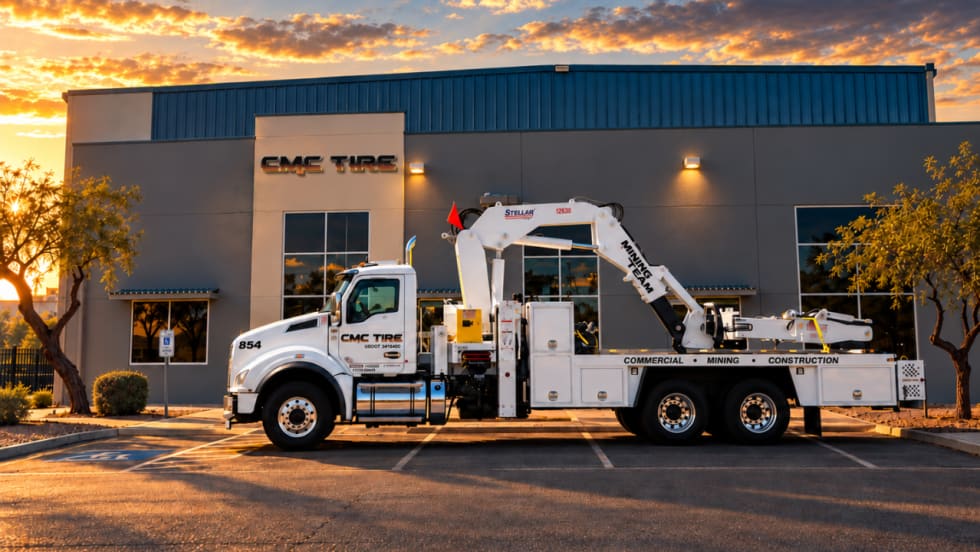
Les Schwab Expands Commercial Tire Footprint Into Arizona
Les Schwab Tires has expanded into Arizona with two commercial tire locations in Phoenix and Tucson, strengthening its fleet service footprint in the Southwest.
Read More →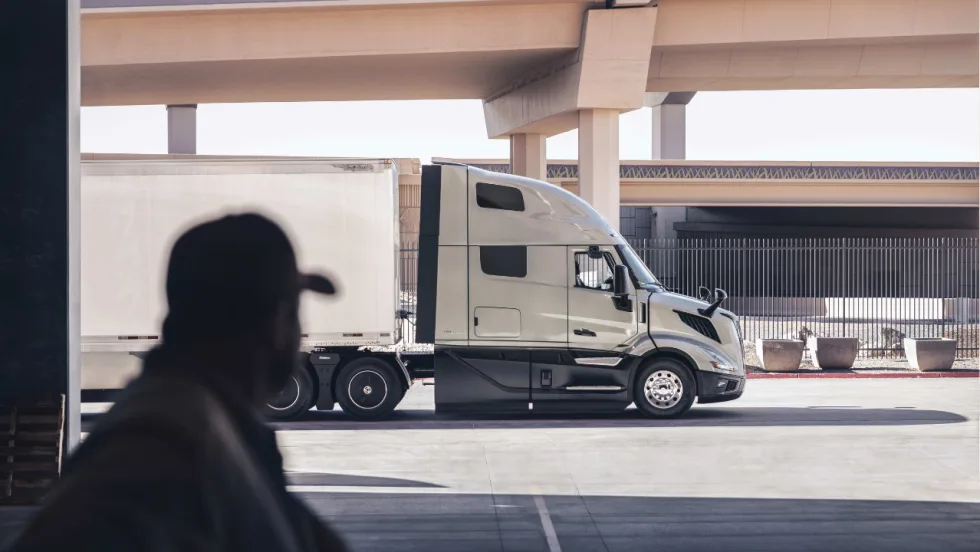
Volvo Trucks’ 'Lock and Leave' Software Updates Go Live Across North America
Unattended over-the-air software updates are now available in Volvo trucks across the U.S. and Canada. The new capability lets trucks stay current with the latest software without interrupting operations or requiring a dealership visit.
Read More →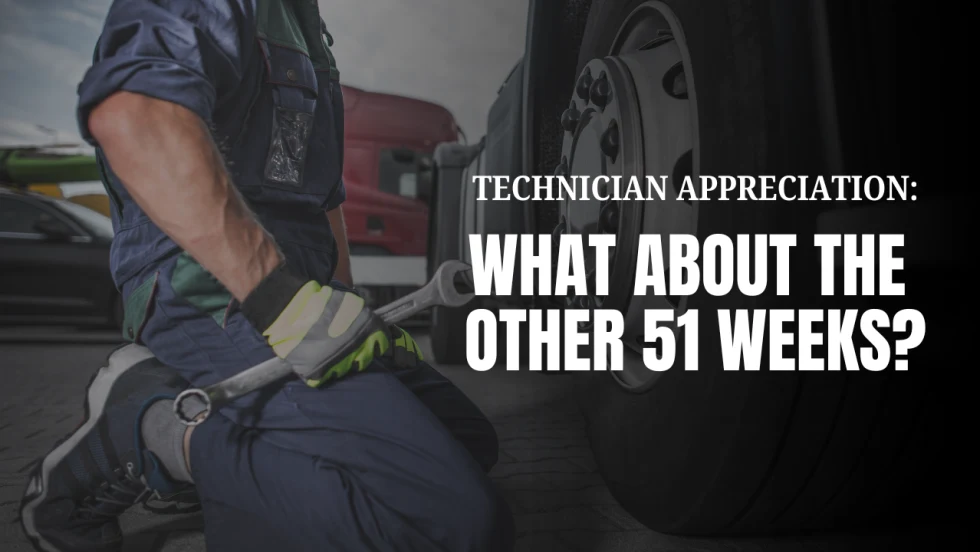
Why Technician Appreciation Can’t Be a Once-a-Year Thought
For fleets trying to keep skilled technicians, recognition cannot begin and end with Technician Appreciation Week. Learn what year-round appreciation really looks like and why the everyday technician experience matters just as much as pay when fleets are trying to keep good people.
Read More →From Our Partners




How Faster Driver Reporting Can Keep Small Truck Problems Small
When minor damage, warning lights, or equipment issues are reported late, small problems can quickly become bigger maintenance headaches. Conversational AI can help shorten the path from what a driver notices in the field to the person who can act on it.
Read More →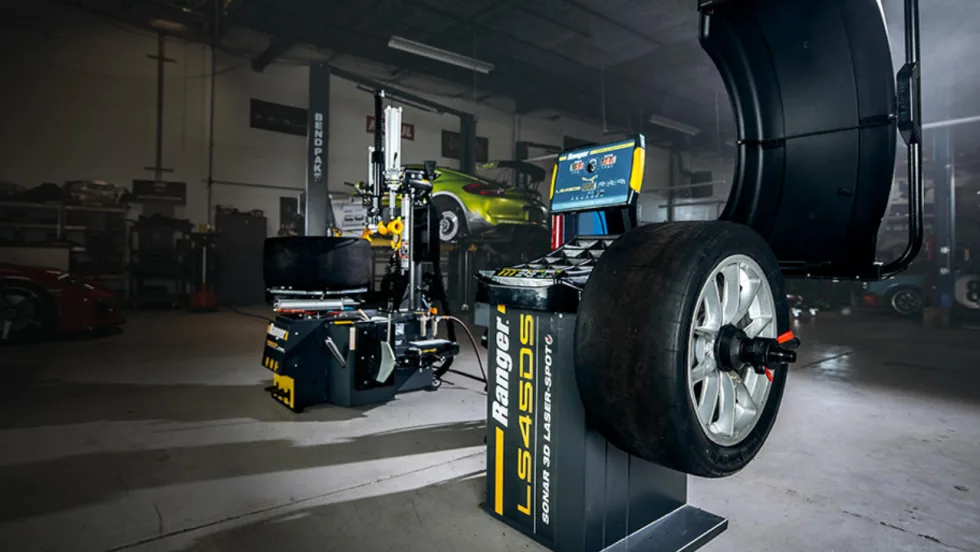
BendPak’s Ranger Wheel Service Equipment Achieves North American Safety Certification
BendPak’s full line of Ranger tire changers and wheel balancers has been ETL certified to UL and CSA standards to improve operator safety.
Read More →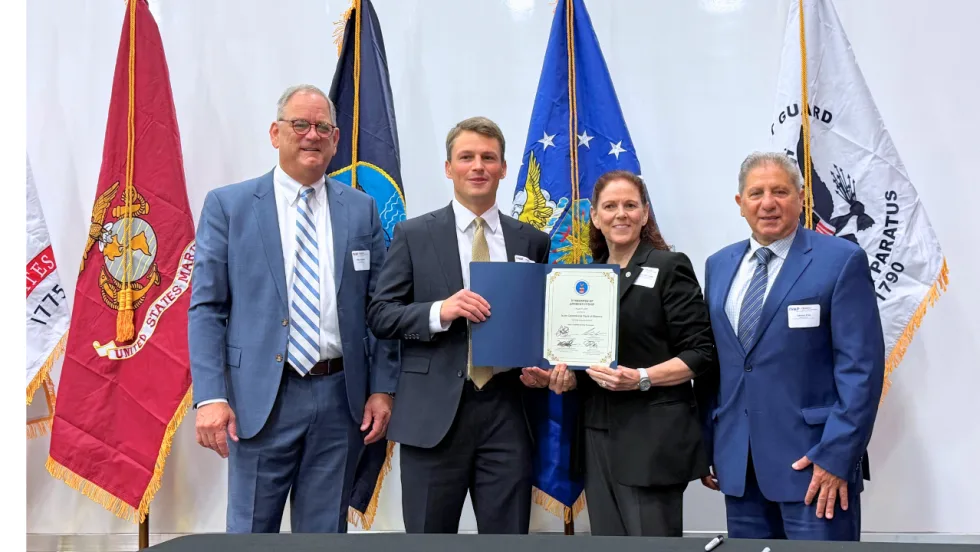
Isuzu & U.S. Department of Labor Celebrate Milestone for Veterans Apprenticeship Program
The Isuzu Veterans Apprenticeship Program (IVAP) signing ceremony highlighted Isuzu’s long-term commitment to veterans, Isuzu dealers, and the skilled workforce supporting its customers and the commercial transportation industry.
Read More →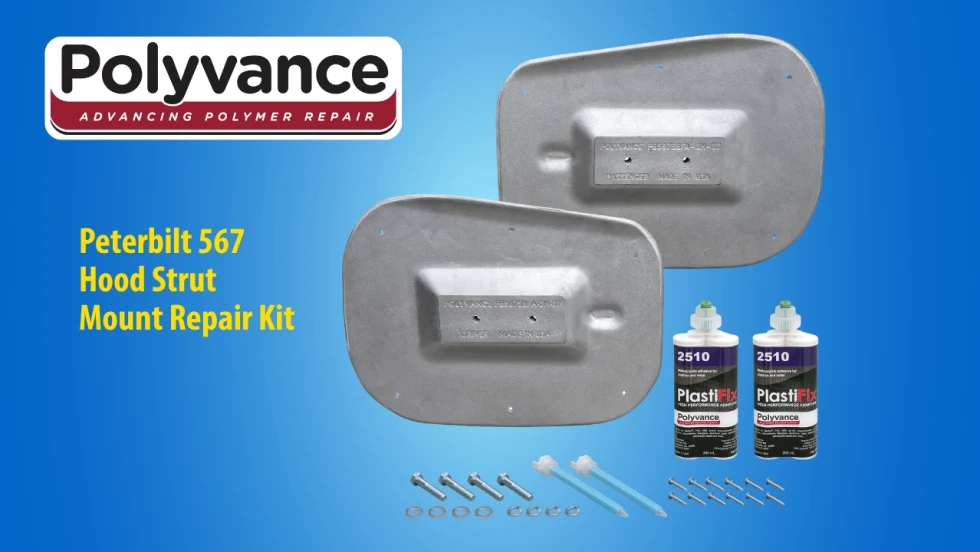
Polyvance Introduces New Peterbilt 567 Hood Strut Mount Repair Kit
Polyvance has launched a repair solution for Peterbilt 567 hood struts, helping truck owners and repair facilities avoid costly hood replacements.
Read More →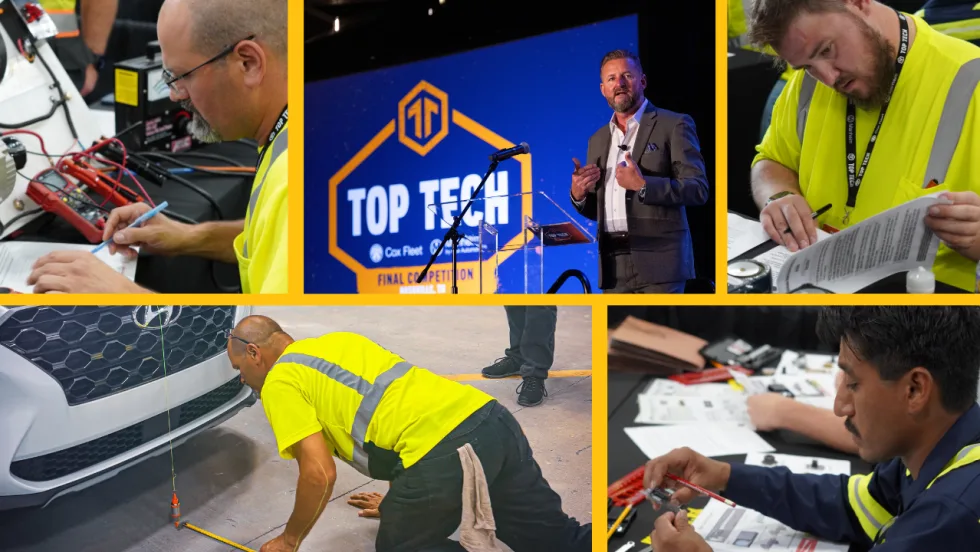
Cox Automotive Celebrates Technical Excellence at 2026 Top Tech Finals
The top technicians from Cox Fleet and Manheim tested their skills in Nashville, Tennessee, at Cox Automotive’s 2026 Top Tech Finals. The overall winners will advance to compete at the American Trucking Association’s TMC SuperTech competition.
Read More →
Grote Industries Appoints Vice President of North American Operations
Grote Industries has appointed Patrick Smith as vice president of North American operations as it celebrates 125 years of innovation and manufacturing excellence. He has more than 20 years of manufacturing leadership experience.
Read More →
Winter Fleet Prep: Expert Tips to Keep Vehicles Running Smoothly
Cold weather can expose weak batteries, tires, fuel systems, and maintenance gaps fast. Use this winter fleet checklist to prepare trucks and drivers before temperatures drop.
Read More →