




Audit Helps Small Fleet Reduce Costs
Budget cuts forced the Wilmington Housing Authority to reduce its fleet. After implementing a plan, the agency decreased operating expenses by more than $25,000 per year.

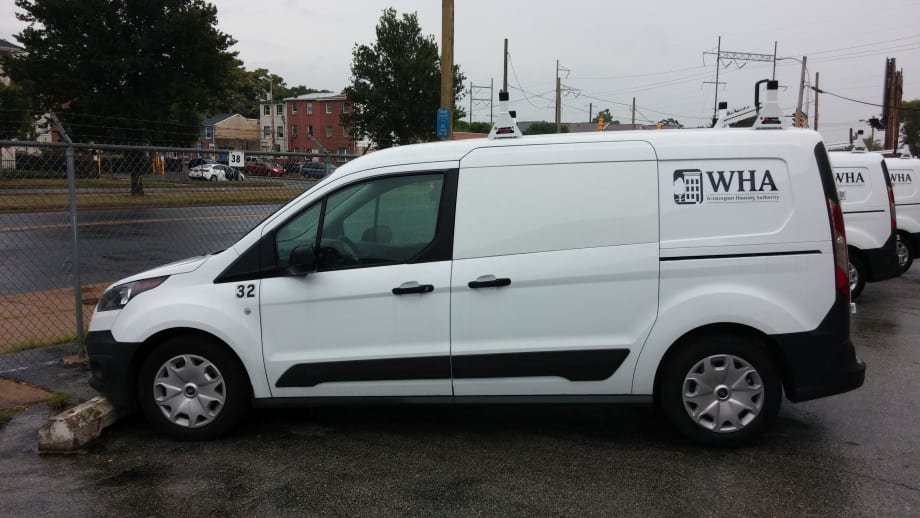
The Wilmington Housing Authority has received new Ford Transit Connect vans. Photo of Enterprise Holdings.
The Wilmington Housing Authority has received new Ford Transit Connect vans. Photo of Enterprise Holdings.
For Frederick Purnell, it’s a top priority to reduce fleet operating costs at Delaware’s Wilmington Housing Authority (WHA). Over the last 10 to 15 years, the U.S. Department of Housing and Urban Development’s (HUD) funding for housing authorities has dropped 30% to 50%.
“When we had a bigger capital budget, we used that funding to purchase fleet vehicles,” says Purnell, executive director at WHA. “That funding has been cut, and the HUD has limited the authorization of purchasing vehicles in housing authorities across the country.”
With a fleet of 44 vans, pickup trucks and sedans that averaged 15 to 18 years old, the maintenance and repair costs continued to climb each year, as the older vehicles required more frequent maintenance, says Purnell.
To help cut operating costs, Purnell sent a proposal to several leasing companies. In the end, Enterprise Fleet Management offered the agency the best package, including fuel management, maintenance repair and roadside assistance.
Established in 1938, WHA provides affordable housing for low-income families in the city of Wilmington, Del. “We personally manage almost 2,000 units and take care of all the maintenance and repair,” says Purnell. “The maintenance team uses the fleet vehicles to respond to service calls.”
Fleet Assistance
By partnering with Enterprise Fleet Management, WHA plans to reduce its fleet costs over the next five years, saving an average of more than $25,000 per year in operating expenses.
“Enterprise did an audit of our existing fleet and suggested where we could use a smaller, more fuel-efficient vehicle to replace the older, gas guzzler we had in our inventory,” says Purnell. “The old vehicles used a lot of gas and required more expensive parts like new engines and transmissions.”
As part of the new fleet strategy, WHA first got rid of its old vehicles that were sitting on the lot and not being used. This reduced its fleet from 44 down to 38, says Purnell.
In addition to providing WHA with new vehicles, Enterprise also offers regular maintenance, use reporting and a fuel card program. It will help dispose of the vehicles once the lease is over.
“We know that the cost to maintain our fleet vehicles will drop,” says Purnell. “The savings was significant when Enterprise compared the fuel consumption with our older vehicles to the anticipated gas mileage of the newer fleet.”
So far, Enterprise has delivered nine Ford Transit Connect cargo vans to WHA, replacing its older Ford cargo vans. The remaining vehicles are scheduling to be phased into the fleet — replacing the oldest and highest mileage vehicles first.
“With this fleet refresh, Enterprise will help us more reliably service the buildings we manage, while at the same time significantly reduce our fleet costs and carbon footprint — it’s a win-win for everyone,” says Purnell.
More Small Fleet

Developing Budget-Friendly Driver Safety Programs
From driver training and safety meetings to one-on-one coaching and incentive programs, several small fleets share how they have developed a safety culture with their drivers using low- to no-cost resources.
Read More →
Boosting Last-Mile Fleet Uptime, Safety, and Value with AI Vehicle Inspections
AI-powered inspections are transforming last-mile fleets by replacing manual checks with highly accurate automated scans that detect defects in seconds. By giving fleet operations visibility into the daily condition of their vehicles, you can identify trends over the vehicle’s lifecycle that enable improved procurement decisions, route management, driver training and accountability.
Read More →
Five Ways Seat Belts Help Prevent Injuries
There are five ways seat belts protect occupants from injuries, according to the Tennessee Department of Safety and Homeland Security.
Read More →
It’s here: The 2026 Fleet Technology Trends Report
What does AI mean for fleets? Get the answer — and learn other top tech trends.
Read More →
Small Fleets, Big Impact: How Independent Drivers Power Wreaths Across America
Check out how small fleets and independent drivers power Wreaths Across America each December and why their impact matters more than ever.
Read More →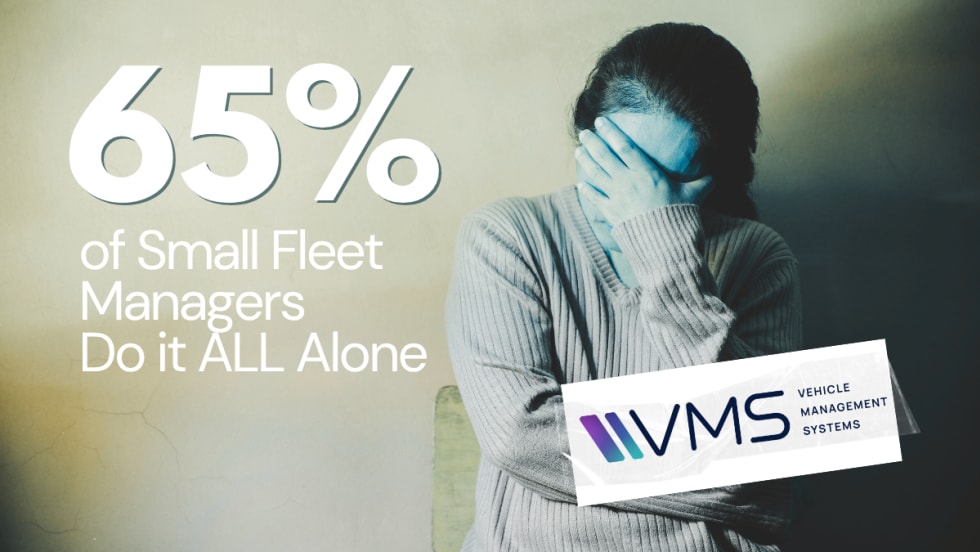
VMS Survey Finds 65% of Small Fleet Managers Run Operations Alone
A new VMS survey shows small fleet managers are stretched thin, with most handling operations solo and eager to adopt digital tools for relief.
Read More →
Tips for Driving Safely on Halloween Night
This video features a reminder from the Connecticut Department of Transportation (DOT) and the Connecticut Police Chiefs Association, urging drivers to prioritize safety this Halloween.
Read More →
AI, Access, and Uptime: VMS’s Next Chapter with David Prusinski
VMS’s new Co-CEO, David Prusinski, shares how an AI-first approach will give small fleets and repair shops the tools to compete like big players.
Read More →
Fleet Managers Share Winter Prep Tips: It's Never Too Early!
Three fleets share best practices to prep vehicles for winter and prevent downtime when the cold sets in.
Read More →