




Learn More: 6 Tips to Reduce Work Truck Driver Stress
Addressing Suicide Prevention in the Construction Industry
The suicide rate among construction workers is more than three times the national average, at 49.4 deaths per 100,000 workers.
by CONEXPO‐CON/AGG
October 19, 2021
The suicide rate among construction workers is more than three times the national average, at 49.4 deaths per 100,000 workers.
Photo: Unsplash/Silvia Brazzoduro
4 min to read
Every 11 minutes someone in the U.S. dies by suicide. Too many of those who do, work in the construction industry. In 2016, the Centers for Disease Control (CDC) studied the correlation between suicide and occupation for the first time and found that workers in construction and extraction had the highest suicide rates of any occupation. The suicide rate among construction workers is more than three times the national average, at 49.4 deaths per 100,000 workers.
That works out to an estimate 5,242 construction industry suicides annually, which is more than five times the number of construction industry work fatalities. Also consider that for every person that dies by suicide, there are another 25 suicide attempts.
The topic first came to the attention of a task force within the Construction Financial Management Association (CFMA) in 2016. The group has since grown to become the Construction Industry Alliance for Suicide Prevention (CIASP), garnering support from contractors, unions, associations, and mental health organizations across the country.
The demographics of the industry (96.6% men and more than 660,000 veterans) play a role. Men are twice as likely to die by suicide as women. Male veterans are 1.5 times more likely to die by suicide than Americans who never served in the military.
“A stoic, independent, tough‐guy mentality may keep workers from seeking help,” said Michelle Walker, a CIASP board member who also serves as VP of finance and administration at SSC Underground in Phoenix. “Others may not offer help because they don’t feel comfortable intervening.”
Other risk factors include chronic pain that can result from physically demanding jobs, along with alcohol and substance abuse. Shift work that can result in sleep disruption as well as time away from home may also contribute. Stress from seasonal layoffs and COVID‐19 may also play a role.
Implement A Suicide Prevention Program In Your Workplace
CIASP is working to gain awareness for a topic that has long been stigmatized in society.
Here are some resources to help you implement a suicide prevention program in the workplace:
First, review the Needs Analysis and integration checklist. The checklist takes you through a series of questions to help evaluate your company’s suicide prevention preparedness.
Next, reference the Integrating Suicide Prevention in Your Company guide to get started. It provides recommendations for implementing a program, based on what level your company is at with suicide prevention preparedness. Resources include education materials, awareness posters, Toolbox Talks discussion guide, and links to support programs. These resources will help send a strong message about your company’s commitment to mental health wellness and suicide prevention, provide your team with knowledge to recognize warning signs, cultivate internal champions, create support networks, and clear up misconceptions.
Build a Network of Safety
“Our concept is based around building a network of safety,” said Randy Thompson, vice president, business development for LivingWorks. “If you are trained in suicide prevention, if family members are trained and the workplace has people trained, suicide is more likely to be prevented.”
Other LivingWorks programs such as SafeTalk, provide additional face‐to‐face training. SafeTalk is a four‐hour face‐to‐face workshop. The ASIST workshop, is a two‐day program that includes instruction on skilled intervention and developing a safety plan.
Some of the largest organizations in the industry are supporting CIASP's efforts, including the Associated Builders and Contractors, the National Association of Home Builders, and the Associated General Contractors of America.
Stand Up for Suicide Prevention in the Construction Industry
CIASP encourages everyone to take the pledge to STAND up for Suicide Prevention:
Safe: Create a culture in which team members feel safe to ask for help or speak up if they are concerned about their fellow co‐workers.
Training: Make suicide prevention training available to all team members so they can recognize the warning signs and be equipped to help those at risk.
Awareness: Raise awareness by sharing the message of suicide prevention through such organizational activities as trainings, safety meetings, toolbox talks, team meetings, newsletters, and social media posts.
Normalizing: Normalize the topic of suicide prevention as a health and safety priority by talking about suicide, suicide prevention, and mental health.
Decreasing: Help decrease the risk of suicide in construction by ensuring all team members have access to an awareness of CIASP's EAP/MAP, behavioral health benefits, screening tools, community crisis support, the Suicide Prevention Lifeline, and Crisis Text Line.
While suicides generally don’t happen at work, it doesn’t mean the industry isn’t suffering a huge related financial cost as a result. According to Thompson, it’s estimated that companies suffer more than $1 million per worker lost to suicide. A third of workers compensation claims in men and nearly two‐thirds in women had an existing mental health condition.
Suicides in working age adults across all industries are up 40% over the past two decades. But armed with new awareness and training tools, the construction industry has a tremendous opportunity to build a network that can save the lives of thousands of friends, family, and co‐workers.
Subscribe to Our Newsletter
More Operations
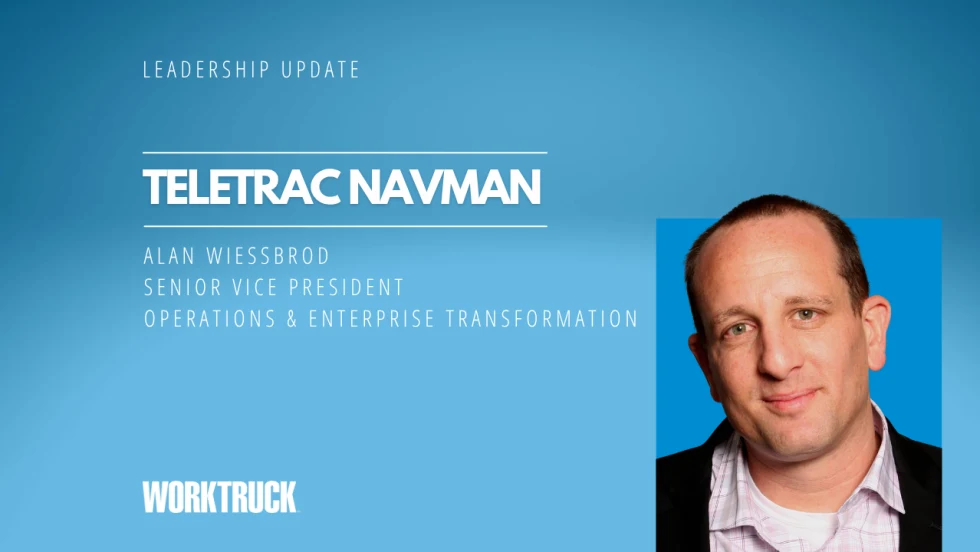
Teletrac Navman Hires SVP of Operations & Enterprise Transformation
Teletrac Navman has appointed Alan Wiessbrod to its senior leadership team as senior vice president, operations and enterprise transformation. The company said he has a strong track record of delivering profitable growth and operational excellence.
Read More →
2027 GM Trucks, Technician Retention, and Fleet Lessons Lead This Week’s News
New GM pickups, technician retention, fleet leadership lessons, winter equipment, and more headline this week’s Truck Chat Weekly Cheat Sheet.
Read More →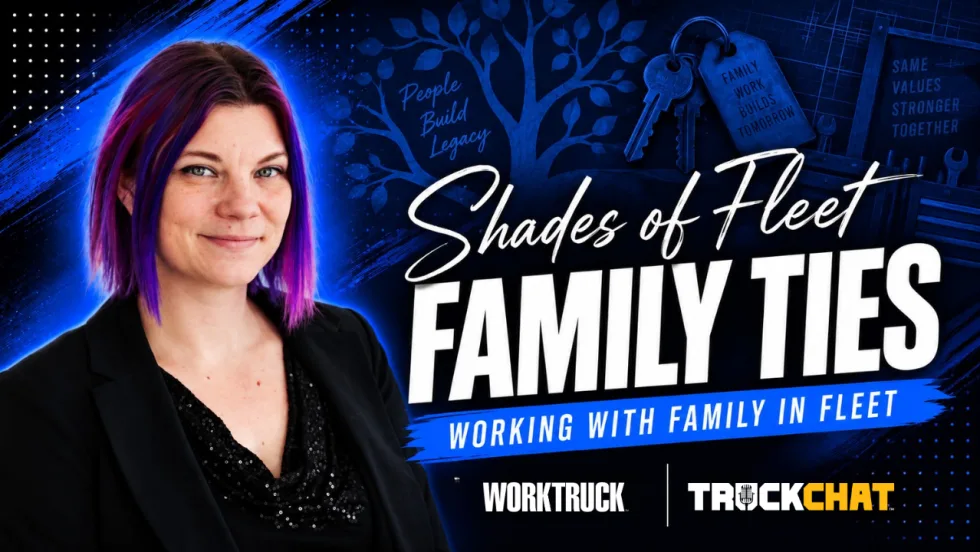
Family Ties Inside the Fleet Families Building Careers Across Generations
Three fleet families share what it really takes to work together, learn across generations, and keep business from following them home.
Read More →From Our Partners




Shades of Fleet Call for Voices: Fleet's Hidden Heroes
Fleet’s hidden heroes are often the ones keeping everything moving behind the scenes. September’s Shades of Fleet is looking for dispatchers, coordinators, parts specialists, and other support pros to share their stories.
Read More →
Truck Centers, Inc. Celebrates National Truck Driver Appreciation Week with $1,000 Fuel Card Giveaways
During National Truck Driver Appreciation Week, Truck Centers, Inc. is offering customers a chance to fuel up for free. Customers at all Truck Centers locations can enter to win one of four $1,000 fuel cards from Sept. 14 - 18.
Read More →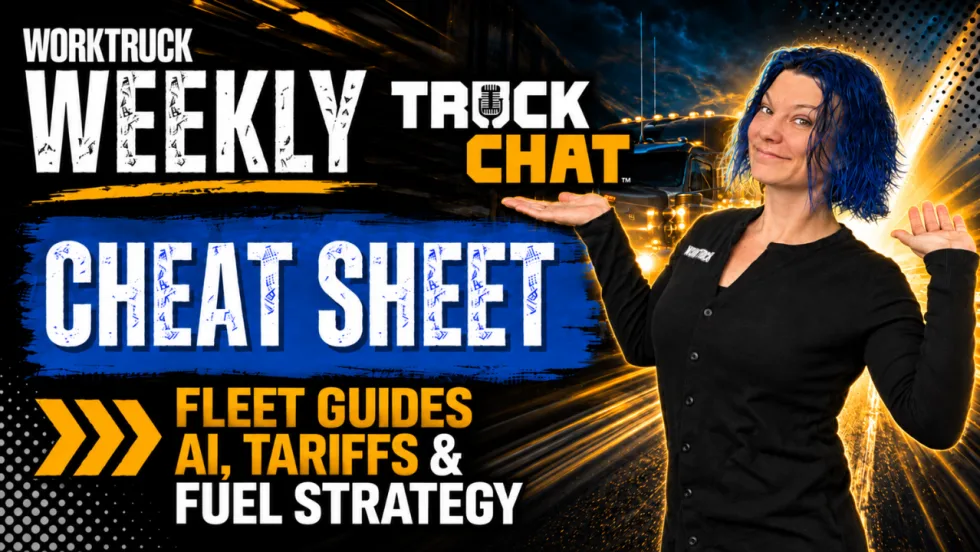
Fleet Guides, AI Time-Savers, Truck Tariffs & Fuel Strategy Lead the News
This week’s Truck Chat Cheat Sheet covers new fleet vehicle guides, practical AI use cases, U.S.-Canada truck production, mixed-energy strategy, and more.
Read More →
What Fleet Employers Are Missing When Hiring Veterans
What if some of the strongest candidates for fleet are already out there, but their experience is written in a language our industry does not always recognize?
Read More →
Teletrac Navman Promotes New CEO from Within
Teletrac Navman’s next CEO, Ricardo Buranello, has served as the company’s chief financial and operating officer. He brings deep financial and operational expertise, a strong strategic orientation, and an intimate knowledge of the business to his new role.
Read More →
Automotive Fleet Opens 2026 Personal Use Survey for Commercial Fleet Managers
Less than two weeks left! Commercial and corporate fleet managers are invited to share how their organizations handle company vehicle personal-use policies, charges, and driver eligibility.
Read More →
What Resilient Fleets Do Differently When Conditions Change
Fleet resilience is about more than reacting to disruption. Lauren Fletcher talks with AP Fleet’s Alex Coveney about flexibility, planning, scaling, and what helps fleets adapt when business conditions shift.
Read More →