




A Fleet Manager's Guide: Negotiating Manufacturer Programs
It’s become a regular part of the fleet process: Manufacturers offer “rifle shot” pricing programs to willing fleet customers. Here’s how the process begins, what to look for, and how it can help reduce fleet costs.

The first step in entering into a manufacturer’s CAP program is to get to know factory representatives.
Photo: Bobit
Buying or leasing company vehicles involves a more complex pricing process than just about any other purchased item. There are a number of components to fleet pricing, and each is subject to negotiation (save for one).
Part of that process involves so-called competitive allowance program (CAP) pricing that fleet managers negotiate with individual manufacturers in return for a commitment for a set number of orders or for an agreement to single source vehicles.
Although such programs and negotiations have been around for years, they have become more common not only with large, national fleets, but with mid-market and even smaller truck fleets, as well.
Pricing Considerations
Unlike many other large-ticket assets, fleet vehicle pricing isn’t just a single number. Fleet managers know that there are prices — and then there is pricing:
Manufacturer’s suggested retail price (MSRP) or “sticker” price is what retail customers may pay for popular models, but fleets don’t. “Car” people refer to this as the “Monroney label,” or just “label.”
Factory invoice is the price the factory bills the dealer for the car. It is different for each manufacturer; however, it is roughly around 5-percent below sticker price.
Holdback is an amount of money, usually equal to 2-3 percent of sticker price, and is paid back to the dealer by the manufacturer. Holdback was originally set up by manufacturers to ensure dealers made some profit when a vehicle was sold.
Fleet incentives are direct deductions from the price of a fleet vehicle. Originally set up to be sent to the customer after the sale, they are usually deducted from the invoice, although some accounts still get the incentives paid directly, especially in the case of “stair-step” CAP incentives. Each incentive can range from a few hundred to thousands of dollars.
CAP cost is the agreed, contractual price at which a fleet lessor will purchase and lease a vehicle to its customers. This is the amount that will be amortized in the lease, and ultimately will determine any TRAC adjustment when the vehicle is sold.
CAP or manufacturer’s pricing programs are informal, negotiated discounts that fleets receive from manufacturers in return for the commercial fleet committing to all, or some number, of orders for a model-year.
TIps for Commercial Fleet Vehicle Selection
The starting point in the CAP program process begins at the onset of a model-year, with vehicle selection. Fleets can vary greatly in what types of vehicles they need. There are “homogenous” fleets, where the mission and function is the same across the entire company. This would be, for example, a sales fleet of four-door sedans or a service fleet of minivans.
Then, there are fleets that have several functions, perhaps a combination of a sales and a service fleet.
Finally, there are work truck fleets with a range of missions, including sales, service, delivery — companies that need many different types of vehicles.
When fleet managers research and analyze fleet selections, much of the initial focus is on compatibility with the mission, followed by lifecycle cost. And, depreciation is the single largest fixed component of that cost.
Once selections have been made, specs and equipment are applied. Powertrain requirements, electronics, and other important components also impact the CAP program process.
Fleets that consist of primarily one vehicle type have a simpler negotiating process. The more vehicle types, however, the more complex the negotiation. Then there is the question of “best practices.” Some manufacturers are better known for one type of vehicle than others, and a fleet with multiple missions requiring multiple types of vehicles might choose to go with different makes for each type.
What Are the First Steps?
The first step in entering into a manufacturer’s CAP program is to get to know factory representatives. Larger manufacturers may have representatives at the local, district, regional, or national level get to know them. When they call, set aside some time to discuss what your fleet requirements are, and let them present the products they have that fit the specific fleet needs.
Sometimes, you may be contacted by local dealers. However, as important as dealers are to the overall fleet process, dealers don’t have the ability to offer CAP programs, and, in some cases, they can’t offer national fleet incentives and factory courtesy delivery assistance.
This does not mean that you should ignore local dealers, but, for a national pricing deal, it’s best to work with the factory rep.
What’s Needed: Money or Equipment?
Once vehicle selections are made, the fleet manager should think about what form they’d like the program to take. A good negotiator will first review what equipment the vehicles need, including options, and if there are any options that may be unique or unusual, such as an upgraded sound system, satellite radio, or a factory GPS system. Knowing this, sometimes it might be better to have the factory provide such options at no charge, rather than offer a cash discount.
Some options will not only meet a specific need, but provide enhanced value retention at resale time. This can be particularly true when considering powertrains. Perhaps the fleet has been downsized, but the job requires a larger engine with more power. It is not likely that you’ll be able to get it at no charge, but you may well be able to get a discount, which will reduce the cost of the upgrade, and also may add to residual value.
Choosing Among Different Vehicles
Fleet managers who require different types of vehicles for different jobs — such as sedans for sales reps, minivans for product installation and service, and executive vehicles — have a little more work to do in negotiating a CAP program with one or more manufacturers.
Some manufacturers simply don’t make every type of vehicle needed. Others are better known for one vehicle type, but not others.
Keep in mind that volume equals dollars. Factory reps, just like any salesperson, will give more money for more volume. This is where the “best practices” concept can be a challenge.
Let’s assume a fleet has a total of 500 vehicles. Of these, 150 are sedans for field sales, 250 are field service vans, 75 units for field managers, and 25 are executive cars.
Although this fleet might replace a total of 150 units in a model-year, a longer replacement cycle for the work vans might result in fewer proportionate orders for them than for sales cars, and the small number of managers and executive vehicles would depress volume for those units.
In such a case, negotiating on a “best practices” basis would likely limit the financial benefit for all of the vehicles. One manufacturer might only see a handful of orders (executive vehicles), while another (sales sedans) gets dozens of them.
The former could even preclude CAP assistance altogether, while the latter might be limited, particularly if that manufacturer has vehicles for all of the fleet missions.
Working with a ‘Homogenous’ Fleet
Negotiations are much easier for the fleet manager whose fleet is primarily one mission. That same 500-unit fleet might consist of 450 sales sedans and 50 manager and executive vehicles. In this case, a single source might be considered a good idea and a CAP program lucrative.
Even if the fleet offers drivers a vehicle selection with two or three choices from different manufacturers, a CAP program should be available — even though it would be difficult for a fleet manager to commit to a specific number of orders, which is what the factory will be looking for.
Another issue — no matter what the composition of the fleet might be — is if the company has an inordinate number of emergency or stock purchases. Most manufacturers have two fleet programs, a national program and the more localized dealer program.
A factory rep won’t benefit from stock purchases, since they’re not ordered from the factory, and thus, they likely won’t be included in the order commitment.
Making the Commitment
When all is said and done, no matter what the fleet manager’s choice (cash or equipment), the bottom line in any CAP agreement is the order commitment, or how many new vehicles will be ordered in the coming model-year. Here is where, particularly in the current economy, a fleet manager may have challenges.
The rule of thumb in the fleet industry has always been that a fleet will replace roughly one-third of its vehicles in a model-year. The example 500-unit fleet, then, would place roughly 167 new orders in a normal cycle.
Sometimes, though, when times are challenging, one of the first things company management will do is limit, or even postpone fleet vehicle replacement.
The former will limit the order commitment the fleet manager can make to a manufacturer; the latter will eliminate it altogether. Fleet managers should first determine what their normal replacement volume would be, then what the new, limited one is.
Ask the manufacturer’s rep what the CAP payment would be for both. The difference will add both depreciation expense as well as additional lease expense for those vehicles that are replaced.
It’s Single Sourcing
One challenge for negotiating a CAP program is that, in essence, it is single-sourcing vehicles. Many arguments against single sourcing can be made:
If there is a problem, a recall, or a repetitive major component failure, it will affect the entire fleet.
For the “homogenous” fleet, if resale value is disappointing, it can result in a significant increase in depreciation costs, over and above the CAP-cost reduction.
Driver morale could suffer. Single sourcing via a CAP deal puts all drivers in the same car or a vehicle from the same manufacturer.
The difficulty in these challenges is that they are tough to communicate to management, who may be seduced only by the cost benefit and ignore the potential pitfalls.
CAP programs aren’t new; they’re just far more common today than they were in the past. Fleet managers with mid-sized fleets can now take advantage of them in a market that is far more competitive than it was only a few decades ago. When everything is considered, they can be a boon to fleet managers pressured to show cost reductions.
Negotiating a CAP program isn’t all that complex, however fleet managers do need to consider the options available to them before starting. It is a very competitive market out there for all vehicle manufacturers, and brand loyalty can pay off.
Originally posted on Automotive Fleet
More Vehicle Research
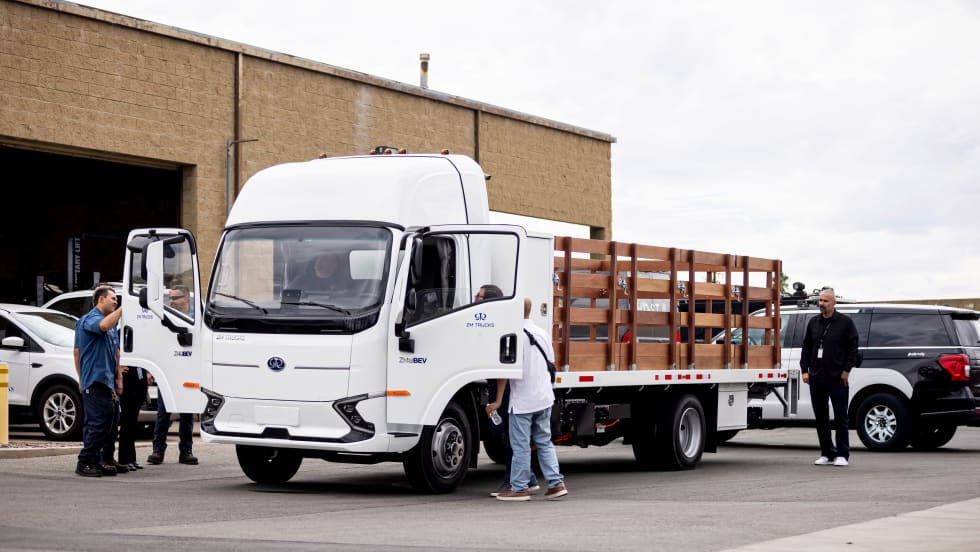
Electrification Incentives: The Acquisition Windfall Fleets Can't Miss
Discover how fleets can use tax credits, grants, rebates, and vouchers to dramatically reduce electric truck and charging infrastructure costs—before today’s funding disappears.
Read More →
Top 50 Executive Fleets
It is that time of year again! Time for the 2026 list of the Top 50 Executive Fleets, presented by Automotive Fleet and Volvo as part of its annual Fleet 500. Download now to see this year's list of companies!
Read More →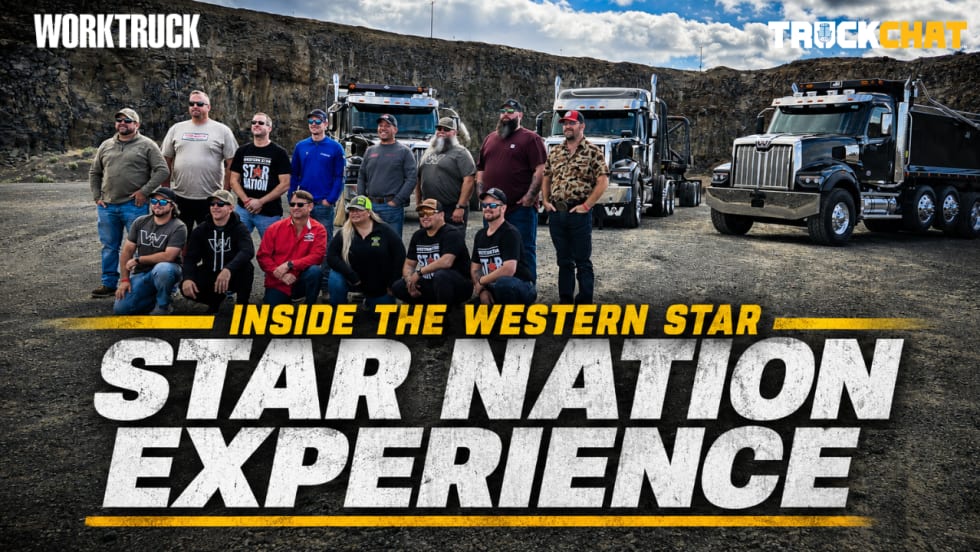
Back at Star Nation for a Closer Look at Western Star Trucks and the People Behind Them
Work Truck returned to Western Star’s Star Nation Experience for another hands-on look at the trucks, technology, and operator community behind the brand.
Read More →
The Top 300 Commercial Fleets
The Top 300 Commercial Fleets: See the List
Read More →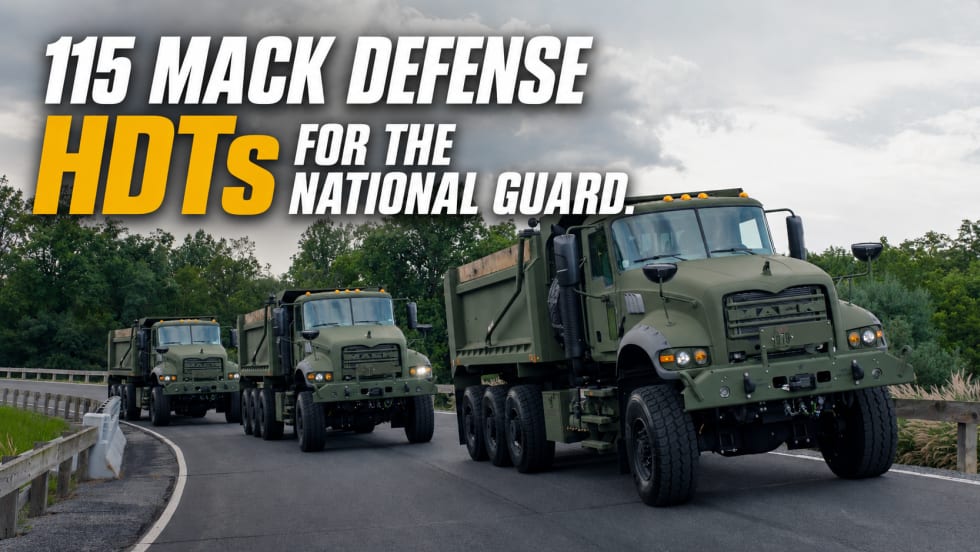
Mack Defense Receives Additional Order for 115 Heavy Dump Trucks Under U.S. Army’s M917A3 Program
The latest order of 115 Heavy Dump Trucks (HDTs) from Mack Defense for the National Guard is part of the $47-million order from the U.S. Army approved in the 2026 National Defense Appropriations Act.
Read More →
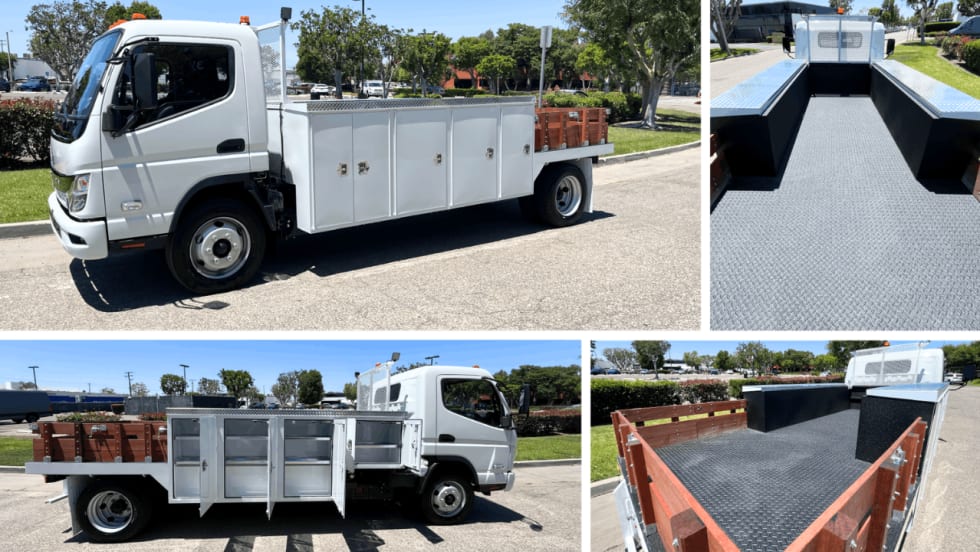
Rizon Introduces Service Combo Body, Increases Electric Truck Applications
Rizon now offers a combo service body that combines lockable storage and a spacious cargo bed in a single zero-emission vehicle. The body supports unique options including cranes, ladder racks, generators, lift gates, and work lighting for a wide range of vocational applications.
Read More →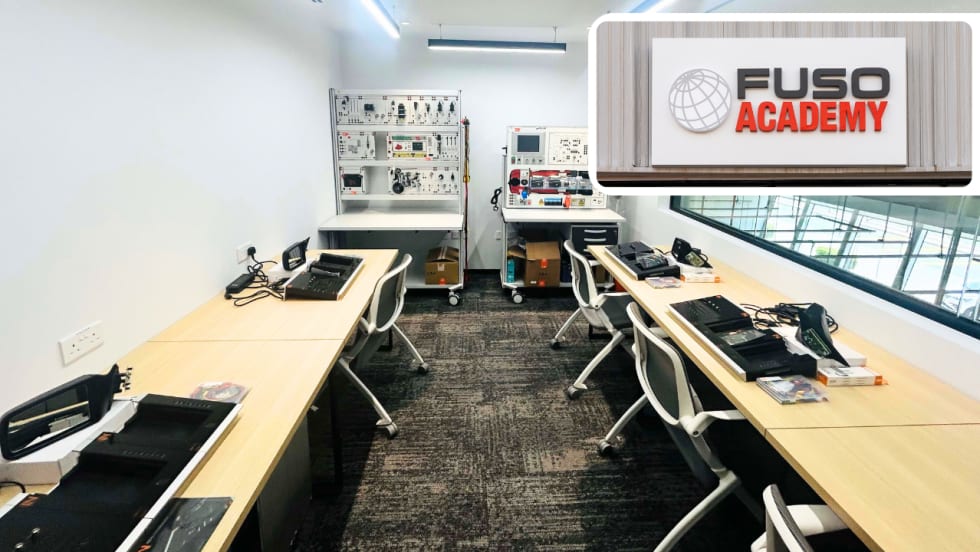
MFTBC Establishes FUSO Academy Dubai Training Center to Strengthen Network Capabilities in Middle East & Africa
Mitsubishi Fuso Truck and Bus Corporation’s new FUSO Academy Dubai Training Center will support technical and non-technical capability development. It features enhanced training infrastructure to improve service quality, uptime, and readiness for advanced vehicle technologies.
Read More →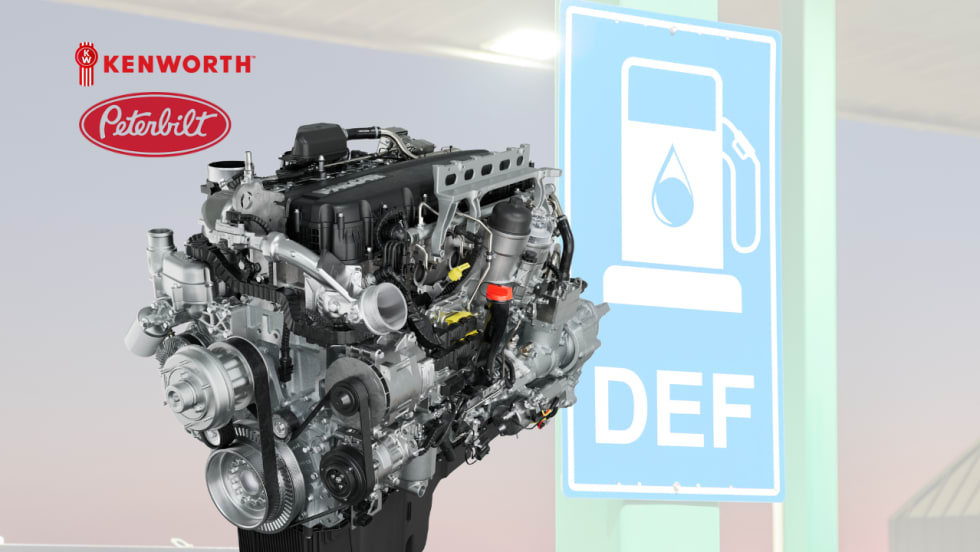
Paccar Updates MX-11 and MX-13 Engine Software to Enhance Customer Operations
Kenworth Truck Company and Peterbilt Motors Company will update software for vehicles equipped with Paccar MX-11 and Paccar MX-13 engines to ensure they comply with EPA guidance on diesel exhaust fluid inducements.
Read More →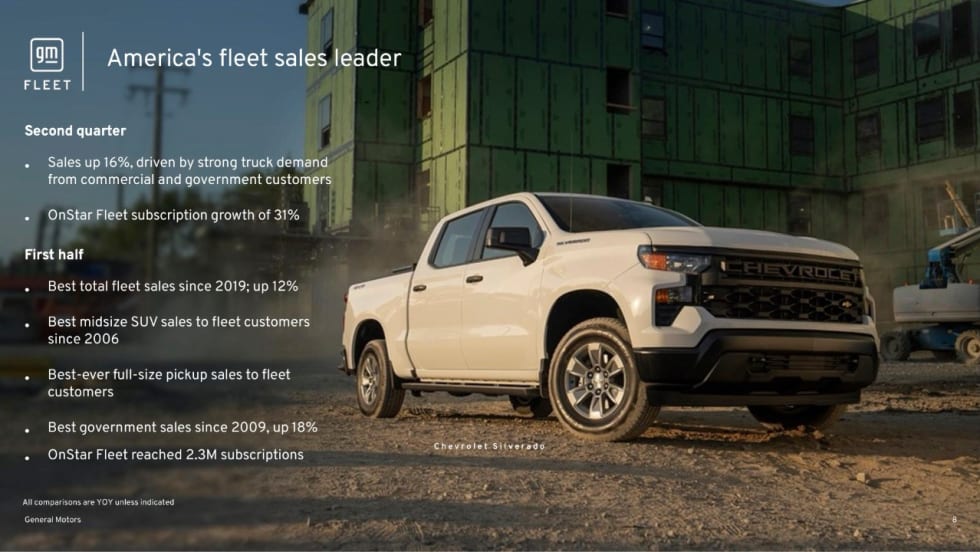
GM #1 in U.S. Sales for the Second Quarter of 2026
General Motors said it was America’s #1 automaker in U.S. sales for the second quarter of 2026 with total sales of 714,896 vehicles, down 4.2%. GM led in full-size pickup and large SUV sales and reported growth in fleet sales.
Read More →