




2009 Subaru Forester: A Balanced Crossover
The all-new 2009 Subaru Forester is a blend of car-like fuel efficiency and handling with SUV visibility and versatility.

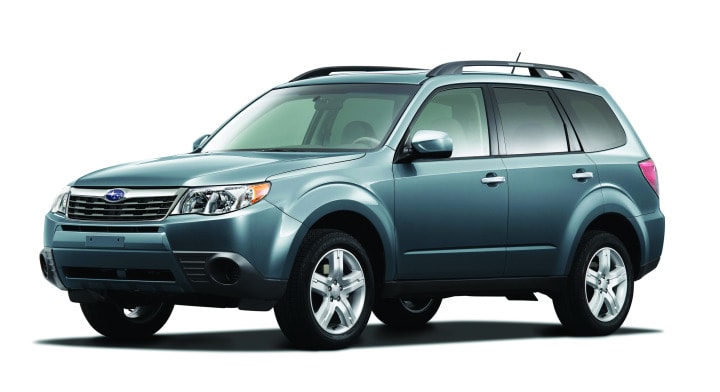
2009 Subaru Forester
All-new for 2009, the Subaru Forester is a compact crossover SUV, featuring an all-new platform for better ride and handling and enhanced safety technology. The crossover design combines SUV attributes such as a higher seating point and interior versatility with passenger car comfort, handling, and fuel efficiency, according to Subaru.
Optional features include a touch-screen navigation system and an extended wheelbase that provides increased interior room for a more comfortable drive. The Dynamic Chassis Control Concept (DC3) optimizes the Forester's chassis to deliver a better balance of ride, handling response, quietness, and overall traction performance.
Fleets currently using the all-new 2009 Subaru Forester include (but are not limited to): ADP, Astellas, AstraZeneca, Biogen Idec, Cephalon, CIGNA, Daiichi-Sankyo, Endo, General Mills, Johnson & Johnson, Liberty Mutual, Merck, Novo Nordisk, Panasonic, Siemen's, and Tyco Healthcare/Covidien.
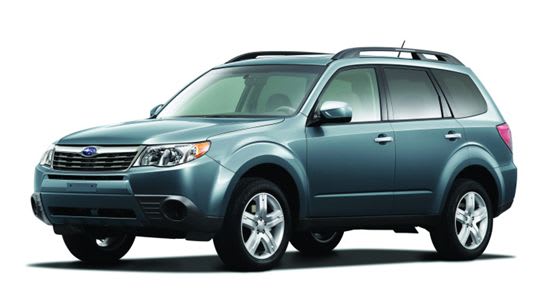
More Standard Features in 2009
The 2009 Forester's standard features include a tire pressure monitoring system, side-curtain airbags, rollover sensor, 12-volt cargo area power outlet, 60/40 split fold down rear seat, tie-down hooks, engine immobilizer, and height-adjustable driver seat.
Symmetrical all-wheel drive is also standard, as well as vehicle dynamic control (VDC) - traction control that senses vehicle direction and uses brake, throttle, and engine management to help maintain stability.
The standard 2.5L, four-cylinder box engine, modified to achieve 170 hp at 170 lb.-ft. of torque, is also PZEV (partial zero-emission vehicle)-certified. Subaru PZEV vehicles are also available in Legacy and Outback models. They meet California's most stringent tailpipe emission standard for super ultra low emissions vehicles (SULEV).
On 5-speed models, Incline Start Assist can momentarily prevent vehicle rollback when starting from a stop on an incline, an improvement on Subaru's previous Hill Holder feature, according to the manufacturer.
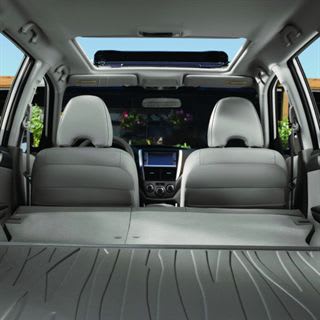
Rates High in Safety
The 2009 Subaru Forester received National Highway Traffic Safety Administration (NHTSA) 5-star ratings in all crash tests and four-stars for rollover. The Insurance Institute of Highway Safety (IIHS) recognized the Forester with its "Top Safety Pick" award. Standard safety features include:
Three-point seatbelts in all seating positions.
Front seatbelt pretensioners and force limiters.
Subaru Advanced Airbag System. (Side-curtain airbags and front seat side-impact airbags.)
Active front head restraints.
For more information on the all-new 2009 Subaru Forester, visit www.subaru.com.
Originally posted on Automotive Fleet
More Small Fleet

Developing Budget-Friendly Driver Safety Programs
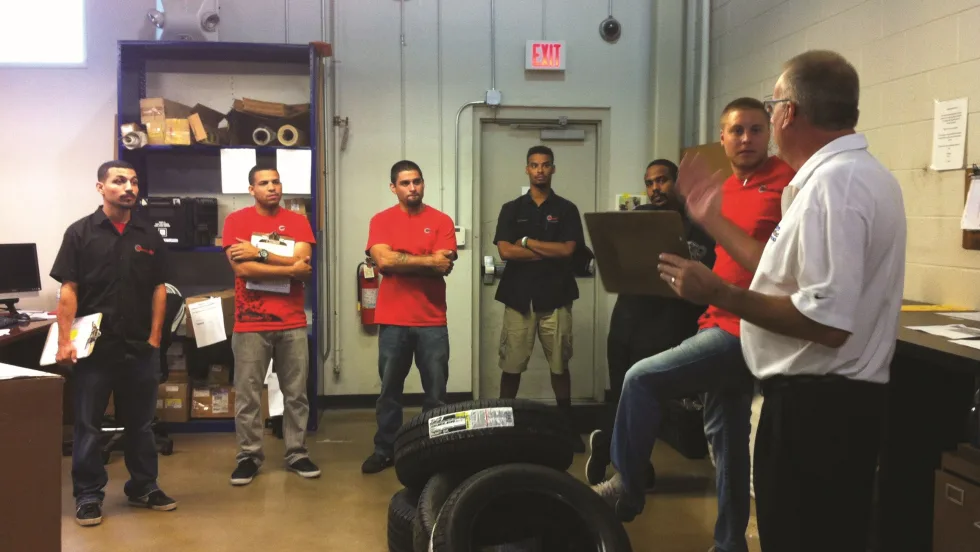
From driver training and safety meetings to one-on-one coaching and incentive programs, several small fleets share how they have developed a safety culture with their drivers using low- to no-cost resources.
Read More →
Boosting Last-Mile Fleet Uptime, Safety, and Value with AI Vehicle Inspections
AI-powered inspections are transforming last-mile fleets by replacing manual checks with highly accurate automated scans that detect defects in seconds. By giving fleet operations visibility into the daily condition of their vehicles, you can identify trends over the vehicle’s lifecycle that enable improved procurement decisions, route management, driver training and accountability.
Read More →

Five Ways Seat Belts Help Prevent Injuries
There are five ways seat belts protect occupants from injuries, according to the Tennessee Department of Safety and Homeland Security.
Read More →
Basic Tracking vs Next Generation Fleet Technology
Fleet software is getting more sophisticated and effective than ever, tying big data models together to transform maintenance, safety, and the value of your existing tech stack. Fleet technology upgrades are undoubtedly an investment, but updated technology can offer a much higher return. Read how upgrading your fleet technology can increase the return on your investment.
Read More →
It’s here: The 2026 Fleet Technology Trends Report
What does AI mean for fleets? Get the answer — and learn other top tech trends.
Read More →
Small Fleets, Big Impact: How Independent Drivers Power Wreaths Across America
Check out how small fleets and independent drivers power Wreaths Across America each December and why their impact matters more than ever.
Read More →
VMS Survey Finds 65% of Small Fleet Managers Run Operations Alone
A new VMS survey shows small fleet managers are stretched thin, with most handling operations solo and eager to adopt digital tools for relief.
Read More →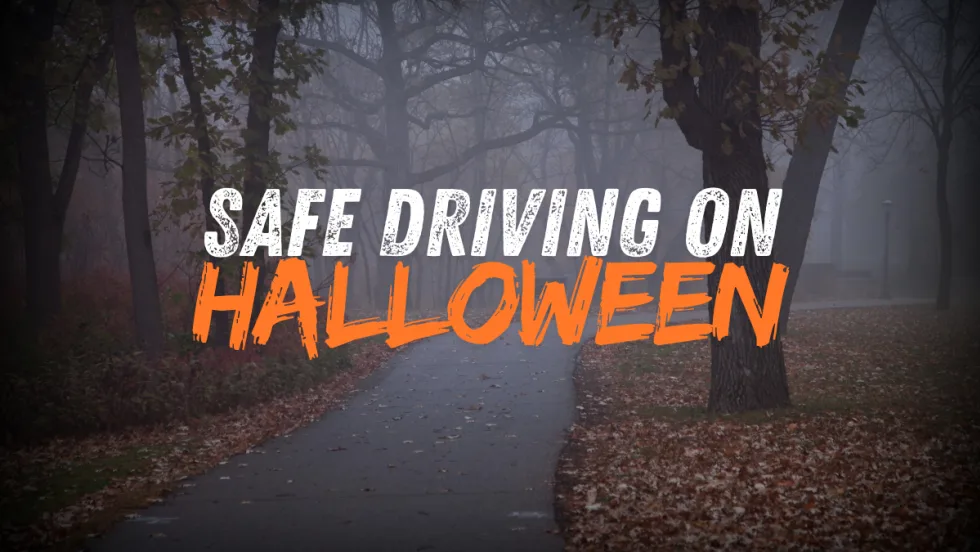
Tips for Driving Safely on Halloween Night
This video features a reminder from the Connecticut Department of Transportation (DOT) and the Connecticut Police Chiefs Association, urging drivers to prioritize safety this Halloween.
Read More →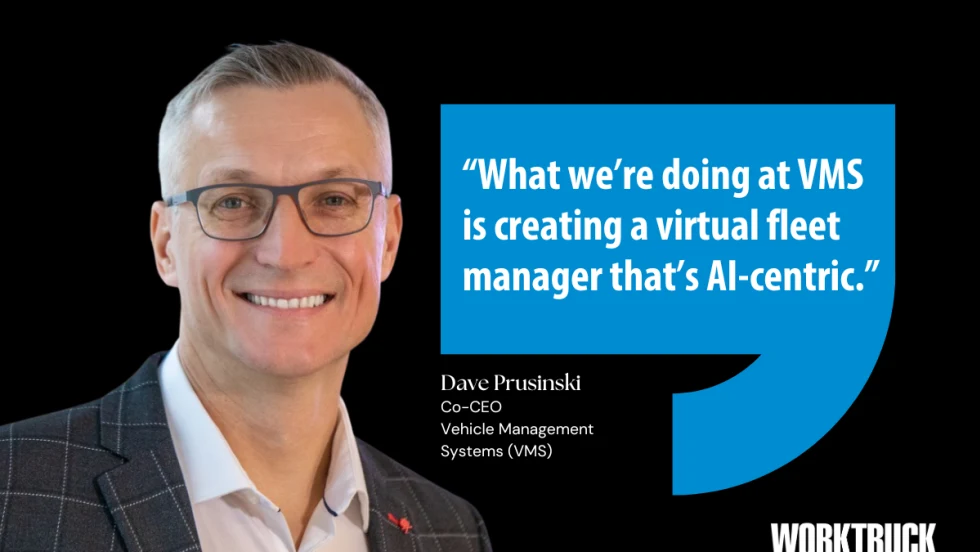
AI, Access, and Uptime: VMS’s Next Chapter with David Prusinski
VMS’s new Co-CEO, David Prusinski, shares how an AI-first approach will give small fleets and repair shops the tools to compete like big players.
Read More →