




13 Tips to Select the Right Engine & Transmission Combo
A truck’s engine and transmission are key components to ensuring the important — and expensive — “tool” can accomplish the job it needs to do.

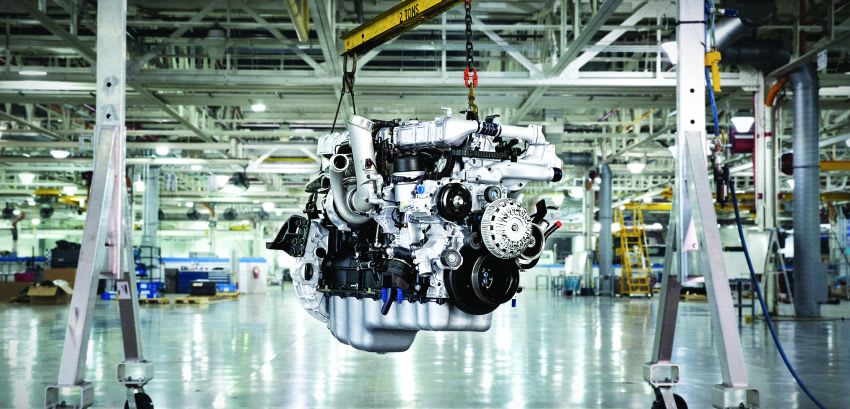
There is no one-size-fits-all solution to determining the best engine choice for different vocations and duty cycles.
Photo courtesy of International
Without the right engine and transmission combo, a truck can be overworked causing premature maintenance needs, or underworked, resulting in funds wasted on “too much truck.”
The perfect powertrain is a key component to ensuring a truck can do its job. Selecting the right combo is important.
1. Understanding Truck Application
Understanding the truck’s application is the first step in getting to the right engine and transmission combination.
“Factors such as vehicle operating weight, maximum starting grade, and intended road surface help determine what transmissions and engines will be suitable to get the job done. Certain transmissions have GCVW limitations. Additionally, the maximum grade, road condition, and the GCVW help determine what torque and gearing are necessary to get the vehicle moving,” said Kurt Swihart, marketing director for Kenworth.
Ask yourself, what will the truck haul? How heavy will the payload be? Where will the trucks operate and on what kind of terrain? How fast will you be driving?
“These variables determine how much power is required and the axle ratio needed to operate most efficiently at your desired cruise speed. If you’re hauling bulk, you may consider a smaller displacement engine to save weight,” said Scott Barraclough, technology product manager for Mack.
2. Importance of Drivability
One of the terms used in characterizing the experience as the truck operator is “drivability.”
“We discuss this as the smoothness of operation, vibration in the seat, and the ease of maneuvering. These can all be areas where duty cycle and application set direction in how to choose an engine and transmission. Characteristics such as smooth shifting and the ability to ‘creep’ may be required or may just be safeguards to the operation,” noted RaNae Isaak, powertrain and TCO consultancy leader for Cummins. Inc.
An example of this type of application is curb work for concrete applications, another is the quick/smooth acceleration needed for an ambulance/fire and emergency vehicle.
“In high stop-start applications items such as clutch wear and driver fatigue are items to consider. Automated manual transmissions (AMTs) have a clutch, but they don’t face the wear-and-tear that a traditional manual transmission could cause to a clutch,” Isaak added.
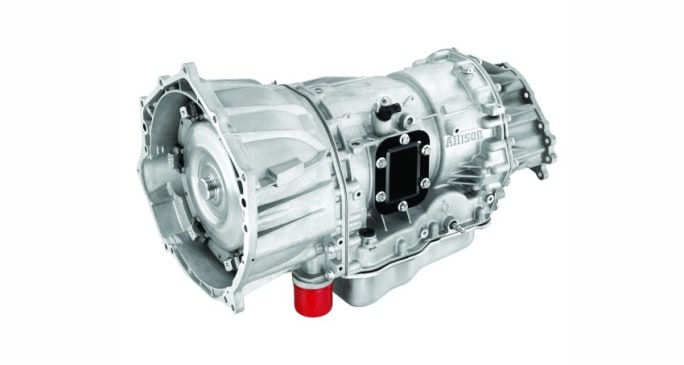
Lately, the choice fleet managers have for manual transmissions is limited.
Photo courtesy of Allison Transmission
3. Engine Displacement
There is no one-size-fits-all solution to determining the best engine choice for different vocations and duty cycles.
“We recommend working closely with your dealer network to determine not only what size truck engine should be ordered but what the overall powertrain spec should be,” said Brian Daniels, manager for Detroit Powertrain and Component Product Marketing.
4. Manual vs. Automatic Transmissions
When spec’ing for a specific type of fleet operation, some choices must be made regarding the truck transmission type.
“When fleets are spec’ing transmissions, important things to consider include applications that match its design, driver experience levels, and the power and torque of the truck engine it will be matched to. Drivers of all experience levels may benefit from the convenience of automation by keeping their eyes on the road and job, and reducing the distractions and fatigue typically associated with clutching and shifting a manual transmission,” said Daniels of Detroit.
Lately, the choice fleet managers have for manual transmissions is limited.
“The clear majority of Mack’s highway business — more than 90% — has gone to our mDRIVE AMT,” said Barraclough of Mack.
5. Direct-Drive or Overdrive?
Once the decision has been made on the truck transmission type, fleet managers need to decide on a direct drive or overdrive transmission.
“Until recently, overdrive transmissions have been the overwhelming favorite. There were few direct drive manual transmissions on the market, and there was limited axle ratio coverage to work with the direct drive,” said Barraclough of Mack.
But, according to Barraclough, most of today’s available AMTs come in both direct- and over-drive configurations.
“A direct drive transmission is inherently about 1% more fuel efficient than an overdrive transmission. Axle manufacturers have also been introducing new ratios in the low to mid 2’s that can keep today’s engines in their sweet spot with direct drive transmissions,” he added.
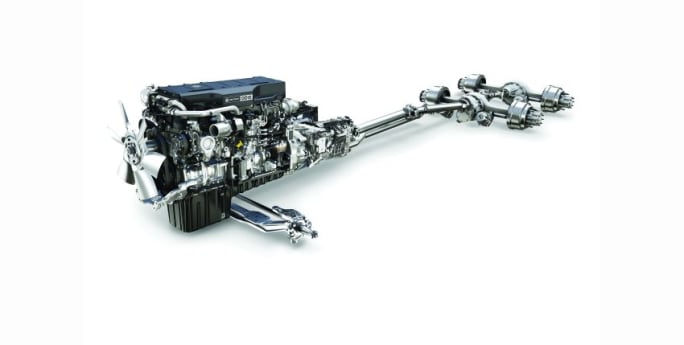
The rear-axle ratio also needs to be considered when selecting the right powertrain.
Photo courtesy of DTNA
6. The Rear-Axle Ratio
The rear-axle ratio also needs to be considered when selecting the right powertrain.
“Lower numerical axle ratios are typically chosen with direct drive transmissions, while overdrive transmissions typically run higher numerical ratios. It is important to review how the overall powertrain affects such factors as cruise speed and top gear time to make sure you spec a tailored solution that meets the needs of the fleet,” said Daniels of Detroit.
7. Engine and Transmission Total Cost of Ownership
An important consideration for budget-minded fleet managers is the total cost of ownership (TCO) of the engine and transmission powertrain combo.
“Purchase price is just part of the equation. Fuel economy, maintenance, and repair expense, as well as resale value can easily tip the balance from one powertrain and one vehicle to another,” said Dan Tigges, commercial product & sales support manager at GM Fleet.
Understanding application helps with the cost of ownership.
“Knowing the application well allows the customer to only pay for what is needed while ensuring that the engine and transmission combination still gets the job done. Understanding TCO helps determine which transmission should be purchased and the trade-off between performance and efficiency,” said Swihart of Kenworth.
An evergreen problem most fleet managers face is consistently decreasing costs while increasing efficiency.
“We are all challenged on being more efficient as well as effective in everything we do. What many tend to forget is that machinery purchases can be much like housing purchases. What might be a good buy right now may not be a good buy for the future,” said Isaak of Cummins. “It may require substantial maintenance, may not handle the duty cycle well, and could be so specific that resale may be difficult — or it could be quite the opposite and worth much more in a secondary market.”
Knowing how long equipment is needed is an important factor.
“If a vehicle will be rotated out of the fleet, will a premium option provide payback either in reduced TCO, increased warranty coverage, or improved residual/resale values, etc.?” Isaak added.
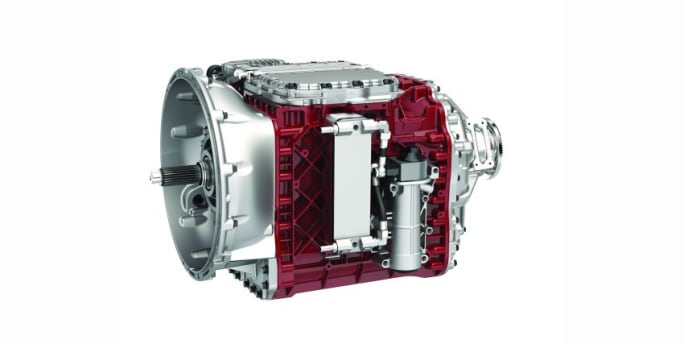
An important consideration for budget-minded fleet managers is the total cost of ownership (TCO) of the engine and powertrain combo.
Photo courtesy of Mack
8. Overall Engine and Transmission Performance
An additional factor is determining what the priority is between performance or economy.
“Drivers like performance and a fleet’s balance sheet likes fuel economy. Do you want to keep the drivers happy, and possibly have better retention? Or do you want to keep your operating costs as low as possible? If fuel economy is the priority, a ‘down-sped’ or low-rpm cruise powertrain would be the best choice. If performance is the priority, you would probably consider a “traditional” power curve,” said Barraclough of Mack.
How the vehicle needs to perform is critical in selecting the correct engine-transmission combination.
“For example, if you’re spec’ing a snowplow truck, you want a high-numerical gear ratio that is better equipped for low-speed performance and startability. Whereas if you’re spec’ing a truck or a tractor for fuel economy a lower numerical gear ratio is better,” explained Melissa Gauger, product manager, North America Truck Platform for Navistar. “And there’s a balance between the two options, but you must understand the compromises from one to the other.”
9. Driver Engine and Transmission Preference
Regarding driver satisfaction, the choice of the right engine and transmission can be a critical factor.
“Providing combinations that are easy to drive and allow the best control of the vehicle can prevent a lot of stress on the driver. Depending on the application, this could be either a manual transmission or AMT and should be weighed against the total cost and efficiency of the powertrain,” said Swihart of Kenworth.
In addition, operator skills can be varied across businesses and fleets.
“In many cases, once trained, people move on to other roles and the business has lost the training provided. In some applications, operator skills are less sophisticated and require an AMT. For example, in lease/rental markets there could be a lesser number of drivers that know how to drive a manual,” said Isaak of Cummins. “Training is easier when certification doesn’t require learning how to shift a manual transmission and allows more focus on observing the surroundings and performing the requirements of the job.”
When spec’ing an engine/transmission combination, Gauger of Navistar pointed out that understanding the drivers of today and the drivers of tomorrow is important, as well.
“If you think a vocational truck is going to last 10-plus years of operation, understanding where the industry is going is also important to that, as well,” she suggested. “If you think about it, how many people know how to drive a manual transmission today? Car OEMs are more frequently eliminating manual transmissions from their entire offering. This eliminates a lot of people from even learning how to drive a manual transmission. We’ve seen a large trend in people selecting automatics or AMTs, which would take manual transmissions out of the equation.”
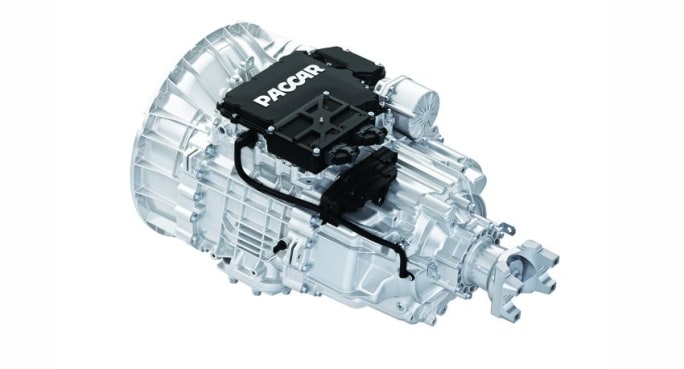
How the vehicle needs to perform is critical in selecting the correct engine-transmission combination.
Photo courtesy of PACCAR
10. Don't Forget About PTO Needs
What are the PTO requirements that you’re going to need on the vehicle?
“The PTO is what drives the auxiliary equipment on the vehicle. Knowing how you need to operate that PTO is one of the important factors of understanding how to spec, as well. Will drivers need continuous PTO operation? This choice impacts front or rear-engine PTO placement,” said Gauger of Navistar.
11. Ensuring Engine and Transmission Reliability & Downtime
Trucks are huge investments and downtime is costly to fleet operations.
“Vehicles are some of the largest purchases many companies will make, and they need a tool they can count on. Downtime for powertrain, body, or other repairs can negatively impact company profits,” said Tigges of GM Fleet.
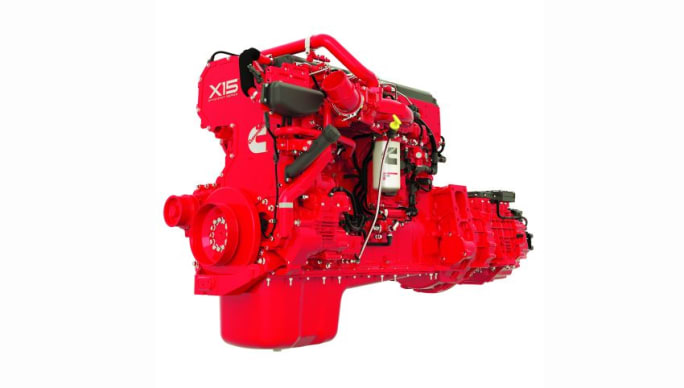
Choosing the right power and torque and applying it to an engine operating range can dictate the life of your powertrain as well as the cost for the application.
Photo courtesy of Cummins
12. Impact on Truck Resale Values
The growth of AMTs in the new truck market over the past five years has begun to impact resale values in the used truck market.
“AMTs are now sought after in the secondary market and in the current environment are often sold before they reach the dealership. It is still important to consider what a fleet’s resale strategy is and how spec selection can impact it,” said Daniels of Detroit.
The fuel a truck uses also impacts acquisition cost, lifecycle cost, and resale.
“Fleets that keep their vehicles longer may want to look into diesel engines, which provide better fuel economy and tend to have longer-term durability and resale value. But, fleets that replace their vehicles more quickly may be interested in gasoline engines with lower up-front costs,” said Tigges of GM Fleet.
13. Looking at the Whole Engine and Transmission Picture
Overall, the engine and transmission are just a part of the truck’s powertrain.
“Fleet buyers need to focus on the powertrain they need rather than thinking of engine and transmission separately. Vehicle manufacturers designed engines and transmissions to work together to maximize performance, fuel economy, reliability, and durability,” said Tigges of GM Fleet.
Choosing the right power and torque and applying it to an engine operating range can dictate the life of your powertrain as well as the cost for the application.
“One application may need a truck to run 24 hours a day and seven days a week vs. another truck that may only operate for two to three hours per day. These are different use cases and require specific engine and transmission matching for the most optimal operation,” explained Isaak of Cummins.
More Maintenance
Les Schwab Expands Commercial Tire Footprint Into Arizona
Les Schwab Tires has expanded into Arizona with two commercial tire locations in Phoenix and Tucson, strengthening its fleet service footprint in the Southwest.
Read More →
Volvo Trucks’ 'Lock and Leave' Software Updates Go Live Across North America
Unattended over-the-air software updates are now available in Volvo trucks across the U.S. and Canada. The new capability lets trucks stay current with the latest software without interrupting operations or requiring a dealership visit.
Read More →
Why Technician Appreciation Can’t Be a Once-a-Year Thought
For fleets trying to keep skilled technicians, recognition cannot begin and end with Technician Appreciation Week. Learn what year-round appreciation really looks like and why the everyday technician experience matters just as much as pay when fleets are trying to keep good people.
Read More →
How Faster Driver Reporting Can Keep Small Truck Problems Small
When minor damage, warning lights, or equipment issues are reported late, small problems can quickly become bigger maintenance headaches. Conversational AI can help shorten the path from what a driver notices in the field to the person who can act on it.
Read More →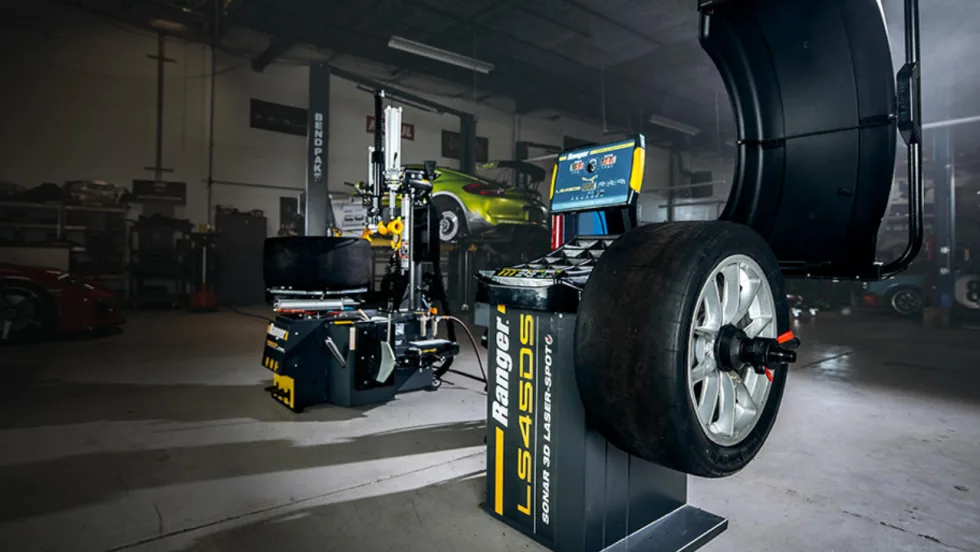
BendPak’s Ranger Wheel Service Equipment Achieves North American Safety Certification
BendPak’s full line of Ranger tire changers and wheel balancers has been ETL certified to UL and CSA standards to improve operator safety.
Read More →
Isuzu & U.S. Department of Labor Celebrate Milestone for Veterans Apprenticeship Program
The Isuzu Veterans Apprenticeship Program (IVAP) signing ceremony highlighted Isuzu’s long-term commitment to veterans, Isuzu dealers, and the skilled workforce supporting its customers and the commercial transportation industry.
Read More →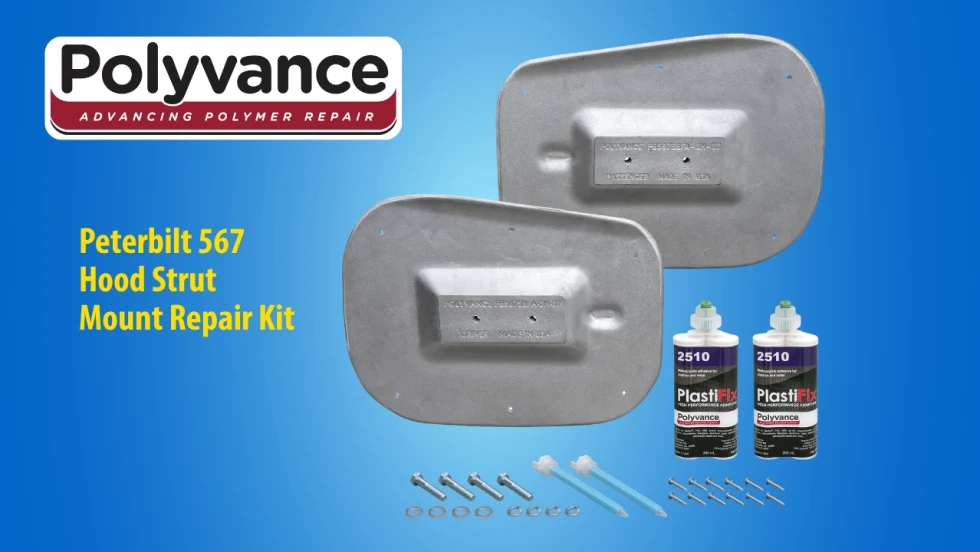
Polyvance Introduces New Peterbilt 567 Hood Strut Mount Repair Kit
Polyvance has launched a repair solution for Peterbilt 567 hood struts, helping truck owners and repair facilities avoid costly hood replacements.
Read More →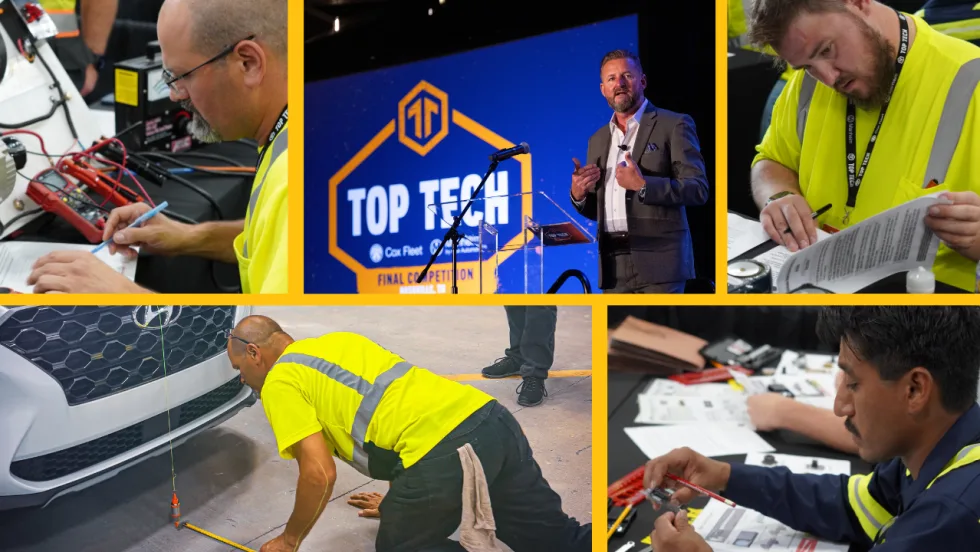
Cox Automotive Celebrates Technical Excellence at 2026 Top Tech Finals
The top technicians from Cox Fleet and Manheim tested their skills in Nashville, Tennessee, at Cox Automotive’s 2026 Top Tech Finals. The overall winners will advance to compete at the American Trucking Association’s TMC SuperTech competition.
Read More →
Grote Industries Appoints Vice President of North American Operations
Grote Industries has appointed Patrick Smith as vice president of North American operations as it celebrates 125 years of innovation and manufacturing excellence. He has more than 20 years of manufacturing leadership experience.
Read More →
Winter Fleet Prep: Expert Tips to Keep Vehicles Running Smoothly
Cold weather can expose weak batteries, tires, fuel systems, and maintenance gaps fast. Use this winter fleet checklist to prepare trucks and drivers before temperatures drop.
Read More →