




Navman Wireless Solution Allows Anywhere, Anytime Tracking
GLENVIEW, IL, and SHELTON, CT – Navman Wireless and OEM Data Delivery have jointly released the first fuel management solution.
GLENVIEW, IL, and SHELTON, CT – Navman Wireless and OEM Data Delivery have jointly released the first fuel management solution that includes the ability to measure actual fuel burn for any make, model or year of equipment. The release follows a successful large-scale pilot test by a California contractor that operates throughout the U.S. and Canada.
Fleet managers who deploy the new solution can track the entire chain of fuel events for each asset and jobsite as well as the entire fleet, making it possible to detect fuel theft and fuel-related equipment problems, eliminate unnecessary refueling trips, document fuel use for job costing, and provide visibility into a fleet's complete fuel inventory, according to the companies.
"Despite the fact that fuel accounts for 40 percent to 50 percent of an asset's operating costs, fuel burn measurement has traditionally been limited to algorithm calculations and even then only for newer machines equipped with OEM telematics," said Renaat Ver Eecke, vice president and general manager, Navman Wireless North America. "Combining our asset-agnostic telematics platform with OEMDD's fuel delivery system makes it possible to accurately and automatically determine the real fuel burn for any asset for improved insight and control."
The joint solution utilizes Navman Wireless' construction-grade Qtanium GPS tracking device and OnlineAVL2 construction telematics software to automate the collection of equipment hours and location data; plus OEMDD's Pump Tracker fuel dispensing monitor, GoPOD mobile data capture unit and RFID Cube asset identification device to automate the collection of equipment fueling data. The Navman Wireless platform integrates the data collected in the field and generates fuel reports by asset, jobsite, fueling event, fueling vehicle and more — all without the need for manual documentation by fuelers or machine operators.
The Asset Fuel Report, for example, itemizes the location of each fueling event, hours since the last fueling, number of gallons dispensed, fuel burn rate in gallons per hour, current tank level and tank capacity for a given asset as well as that machine's total lifetime hours. According to the companies, with this and other reports, fleet operators can:
• Track fuel consumption for all assets in the fleet regardless of brand, type or age.
• Benchmark fuel burn by both jobsite and asset to enable comparisons.
• Identify excess fuel burn indicating fuel theft, machine, maintenance and/or operator problems.
• Optimize refueling schedules based on actual fuel consumption.
• Apply accurate fuel costs to each job for cost accounting.
• Manage the entire fuel inventory – including fuel in storage, on board fuel trucks and in asset fuel tanks – for improved budgeting.
The solution includes real-time equipment location reporting that makes it possible to dispatch fuel trucks to the precise latitude and longitude where a machine is sitting – even in the middle of a dirt field with no address. Additional efficiencies can be achieved by equipping fuel trucks with integrated Navman Wireless M-Nav navigation devices that can send directions directly to the driver's dashboard.
More Technology & AI
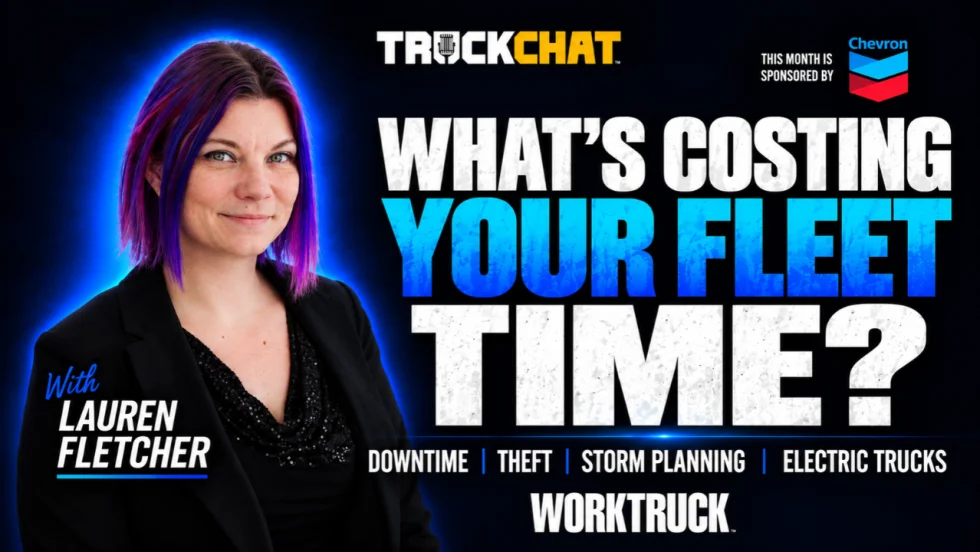
Fleet Downtime, Truck Theft, and Electric Growth Lead This Month
Where is your fleet losing time? This Truck Chat recap connects repair delays, theft risks, storm planning, and lessons from scaling electric trucks.
Read More →
HCSS Partners with Verizon Connect to Deliver Fleet Intelligence for Construction Fleets
HCSS has integrated with Verizon Connect to provide near real-time fleet insights so contractors can spend less time tracking assets and more time keeping projects on schedule.
Read More →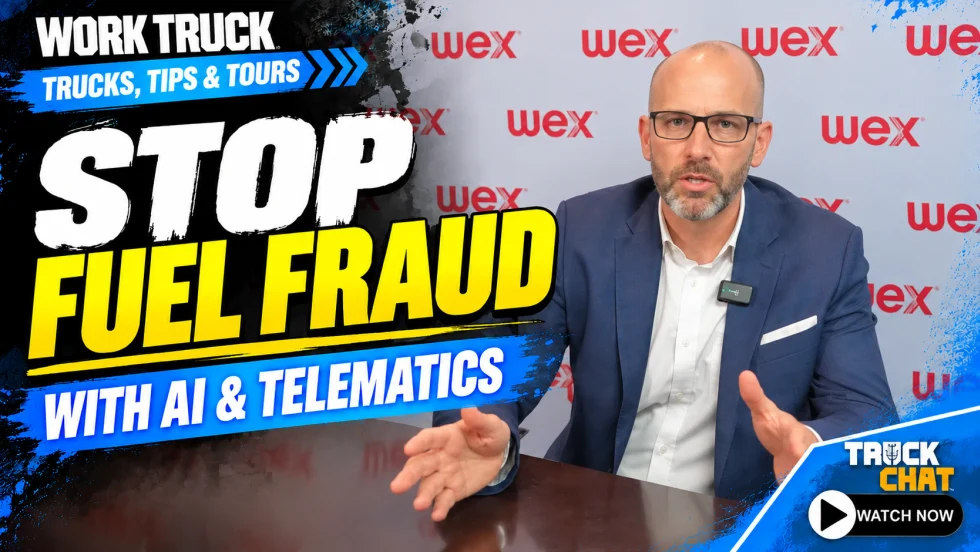
How Fleets Can Use Technology to Fight Fuel Fraud
Fuel fraud and theft remain significant challenges for commercial fleets, whether the problem involves third-party fraud or driver misuse. In this video, David Abraham of WEX explains how SecureFuel uses vehicle geolocation, telematics, transaction information, and AI to help fleet managers identify suspicious fuel purchases and make more informed decisions.
Read More →From Our Partners
Basic Tracking vs Next Generation Fleet Technology
Sponsored by AT&T Business

5 Facts Every Fleet Manager Should Know About Embedded Telematics
Sponsored by Stellantis/Mobilisights

How AI Video Telematics Boosts Driver Safety and Helps to Avoid Unnecessary Costs
Sponsored by Verizon Connect

Charting the 8 Bottom-Line Benefits of Workforce Optimization
Sponsored by Verizon Connect

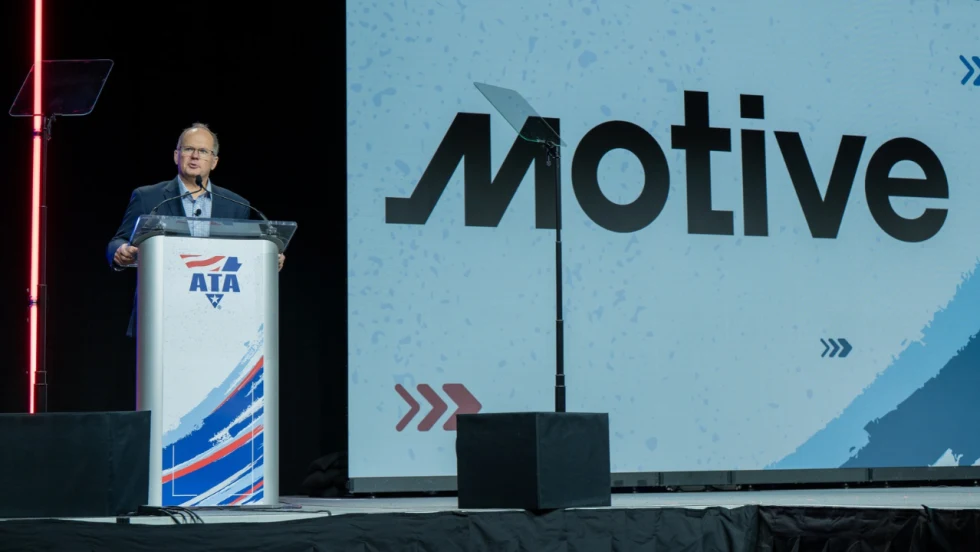
Can AI Agents Help Small Work Truck Fleets Do More With Less?
Motive's new AI Agents automate fleet safety, maintenance, compliance, and dispatch tasks. Here's how they work for smaller fleets, what managers control, and what early users are seeing.
Read More →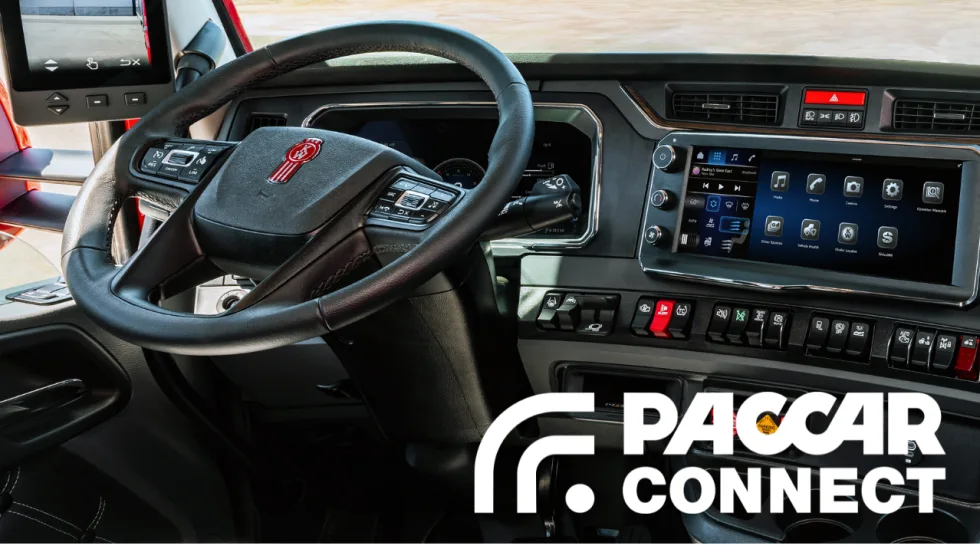
Paccar Launches Paccar Connect for Peterbilt and Kenworth Trucks
The new Paccar Connect offers touchscreen displays, telematics capabilities, and an expanding app ecosystem to boost productivity and streamline driver workflows.
Read More →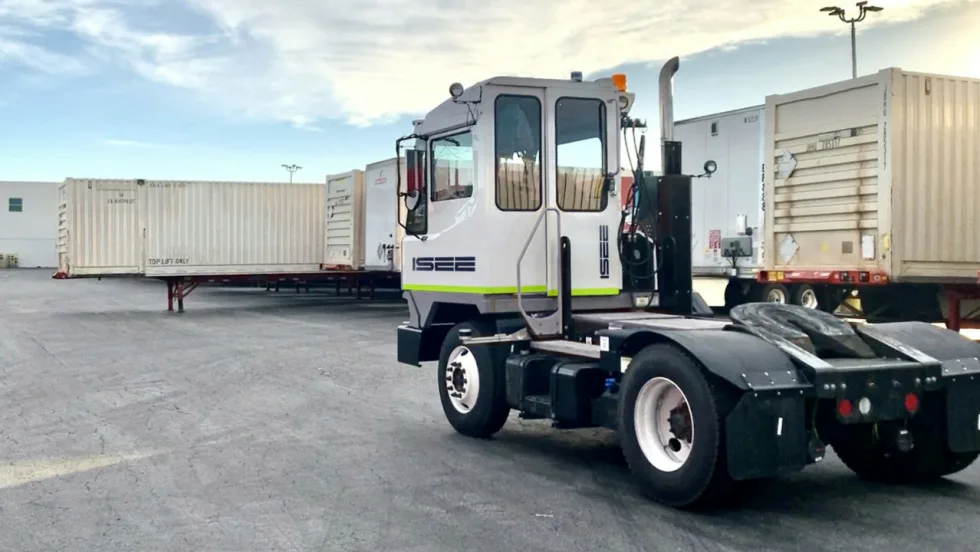
Holman and ISEE Partner to Expand Autonomous Yard Truck Operations
The partnership combines Holman's fleet management and upfitting capabilities with ISEE's autonomous driving technology to help businesses deploy and manage driverless yard trucks.
Read More →
Who You Gonna Call? Rivian Turns Electric Vehicles Into Ghostbusters Rides
Rivian teams up with Sony Pictures for a Ghostbusters-inspired Halloween software update, complete with custom sounds, lighting effects, and a special Ecto-R1.
Read More →
The Second Trip and What Missing Tools Really Cost a Service Business
For service fleets, missing tools and equipment can lead to second trips, lost technician time, higher operating costs, and delayed jobs. Equipment tracking can help HVAC, plumbing, electrical, landscaping, and other service businesses improve visibility and reduce downtime.
Read More →
GeoFencing Adds to Your Truck Security Arsenal
Geofencing is a familiar fleet tool today, but its early adoption marked a major shift in vehicle tracking, route monitoring, and the debate over employee privacy.
Read More →
Geotab Data Shows Regional Trucking Growing Faster as Last Mile Routes Get Denser
Geotab's first U.S. supply chain report finds stable long-haul activity, stronger regional freight movement, tighter hub-and-spoke utilization, and more last-mile trips on shorter routes.
Read More →