




Related: How to Make a Big Impact with ELDs
How One Fleet Develops & Tracks Telematics KPIs
In 2017, partially driven by the impending electronic logging device (ELD) mandate deadline but also by its ambitious safety program, Archrock decided to implement a telematics solution. Archrock just completed the first year of the program, and the results exceeded the fleet's expectations
by Grady Kelly, Archrock
September 19, 2018
Archrock's team worked with its ELD partner, MiX Telematics, to make sure it had identified the right KPIs to help measure and manage driving behaviors across the fleet of approximately 1,250 vehicles and around 950 drivers spanning 20 states.
Photo courtesy of Archrock
5 min to read
In 2017, partially driven by the impending electronic logging device (ELD) mandate deadline but also by its ambitious safety program, Archrock decided to implement a telematics solution. The fleet knew that monitoring and further inspiring safe driver behavior would help the fleet achieve its safety goals.
Archrock has the largest natural gas contract compression service fleet in the U.S. The company is known for its strong commitment to safety, epitomized by its safety and environment-focused company culture: a health, safety, and environmental goal of zero incidents, zero accidents, zero injuries, and zero environmental incidents.
Making the case for a telematics budget was not difficult, since safety is a core value for Archrock and the ELD mandate compliance deadline was looming.
For Archrock, the decision to go with a full-featured solution was a no brainer. Light ELD tools cover ELD compliance only. Archrock's analysis showed that a full-featured ELD solution could pay for itself each month, from improved safety, efficiency, and compliance.
Determine KPIs as You Build Your Business Case
While Archrock was building its business case, the company outlined key performance indicators (KPIs) for the telematics program. The fleets senior manager of asset management wanted to have metrics in place so the fleet could measure its progress against safety goals and monitor any money-saving aspects of the project.
To that end, Archrock's team worked with its ELD partner, MiX Telematics, to make sure it had identified the right KPIs to help measure and manage driving behaviors across the fleet of approximately 1,250 vehicles and around 950 drivers spanning 20 states.
MiX helped the fleet refine its list of KPIs and helped build report templates right into MiX Fleet Manager, including regular reports for drivers and managers tracking progress.
The Archrock team followed these simple tenets to develop its KPIs:
Keep it simple and specific – if KPIs and their purpose aren't understood, the team cannot fully participate in the process.
Communicate through all phases - from planning to implementation to results and beyond.
Take time to celebrate – successes need to be talked about as much as the process itself.
Archrock decided to track KPIs across three categories: Safety, Financial, and Compliance. They were developed with input from all key stakeholders. Examples are:
Safety: Harsh acceleration, Harsh braking, Speeding.
Financial: Idle time, Fuel economy.
Compliance: HOS, Unassigned mileage.
Per MiX Telematics’ advice, Archrock took baseline measurements for a 30 to 60-day period before the MiX Fleet Manager implementation. This enabled the fleet to fully measure the impact of the telematics program.
Stakeholder Communication Sets Expectations
Because the new telematics solution would be a change for drivers and managers, Archrock knew that communication would be key to the success of the project. Each group has slightly different goals.
With drivers, fleet communicated primarily the "what and why." Management explained the executive support behind the program, and developed a list of talking points that addressed possible questions about the project, which included:
What the project is and what it isn’t.
What is being measured and how it impacts driver performance.
Why it’s important.
We had more in-depth communication with management, covering:
Overall process and expectations.
The need for local support.
Value proposition (safety, financial and compliance).
Impact to operations.
Training plan.
List of potential initiatives.
How we will evaluate using KPIs.
Driver training was relatively straightforward, as most of the data capture is automated. Archrock worked primarily on ELD features, such as how to use the MiX installed system to record hours of service. The fleet also reviewed telematics reports and how to interpret the data.
Manager training focused primarily on how to interpret the reports and how to leverage them for driver training, as well as how to utilize the MiX Fleet Manager system.
Reports Fuel Spirit of Driver Competition
Archrock implemented its new telematics system in stages, focusing first on safety, then on idle reduction, and finally on compliance.
Once each stage was launched, the focus turned to measuring, managing, and communicating results. It was crucial to help drivers understand how they could impact KPIs and their own driving scorecards. To that end, Archrock leveraged a spirit of competition, posting safety reports in break rooms and reviewing them with drivers when education or coaching was needed. Fleet made sure drivers knew their safety scores. Very quickly, we saw KPIs improving and drivers self-corrected toward even safer driving behavior. They all wanted to have the best score.
Fleet management reviews safety KPIs with drivers and managers on a weekly and monthly basis, and the data was discussed locally during regular safety meetings. They coached drivers with below-average scores to help them improve.
In addition, fleet management sends reports detailing factors such as idle time and fuel efficiency, to managers on a monthly basis, showing potential areas for improvement and progress to date.
KPIs Help Demonstrate Program Impact
Archrock just completed the first year of the program, and the results exceeded the fleet's expectations. By tracking, coaching, and educating drivers about their driving behavior, Archrock achieved double digit percentage reductions in speeding, harsh acceleration, and harsh braking events.
Idle time was reduced by 20%, and fleet fuel economy was up by 8-12% Overall, Archrock estimates that it is saving hundreds of thousands of dollars annually due to its new telematics solution.
Most importantly, Archrock believes the program has helped improve its safety on the roads. Even incremental improvements result in tangible benefits when extrapolated over the millions of miles Archrock’s drivers travel to service customers every year.
KPIs helped set clear expectations, and became the basis for celebrations not only in the drivers’ break rooms, but also the boardroom.
About the Author: Grady Kelly is the senior manager, asset management for Archrock.
Subscribe to Our Newsletter
More Technology & AI
Fleet Downtime, Truck Theft, and Electric Growth Lead This Month
Where is your fleet losing time? This Truck Chat recap connects repair delays, theft risks, storm planning, and lessons from scaling electric trucks.
Read More →
HCSS Partners with Verizon Connect to Deliver Fleet Intelligence for Construction Fleets
HCSS has integrated with Verizon Connect to provide near real-time fleet insights so contractors can spend less time tracking assets and more time keeping projects on schedule.
Read More →
How Fleets Can Use Technology to Fight Fuel Fraud
Fuel fraud and theft remain significant challenges for commercial fleets, whether the problem involves third-party fraud or driver misuse. In this video, David Abraham of WEX explains how SecureFuel uses vehicle geolocation, telematics, transaction information, and AI to help fleet managers identify suspicious fuel purchases and make more informed decisions.
Read More →From Our Partners
Basic Tracking vs Next Generation Fleet Technology
Sponsored by AT&T Business

5 Facts Every Fleet Manager Should Know About Embedded Telematics
Sponsored by Stellantis/Mobilisights

How AI Video Telematics Boosts Driver Safety and Helps to Avoid Unnecessary Costs
Sponsored by Verizon Connect

Charting the 8 Bottom-Line Benefits of Workforce Optimization
Sponsored by Verizon Connect

Can AI Agents Help Small Work Truck Fleets Do More With Less?
Motive's new AI Agents automate fleet safety, maintenance, compliance, and dispatch tasks. Here's how they work for smaller fleets, what managers control, and what early users are seeing.
Read More →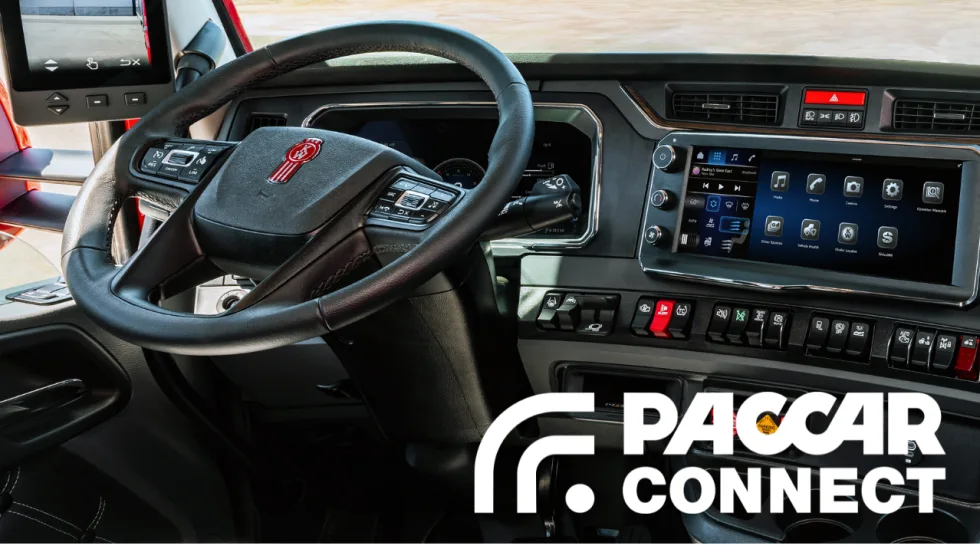
Paccar Launches Paccar Connect for Peterbilt and Kenworth Trucks
The new Paccar Connect offers touchscreen displays, telematics capabilities, and an expanding app ecosystem to boost productivity and streamline driver workflows.
Read More →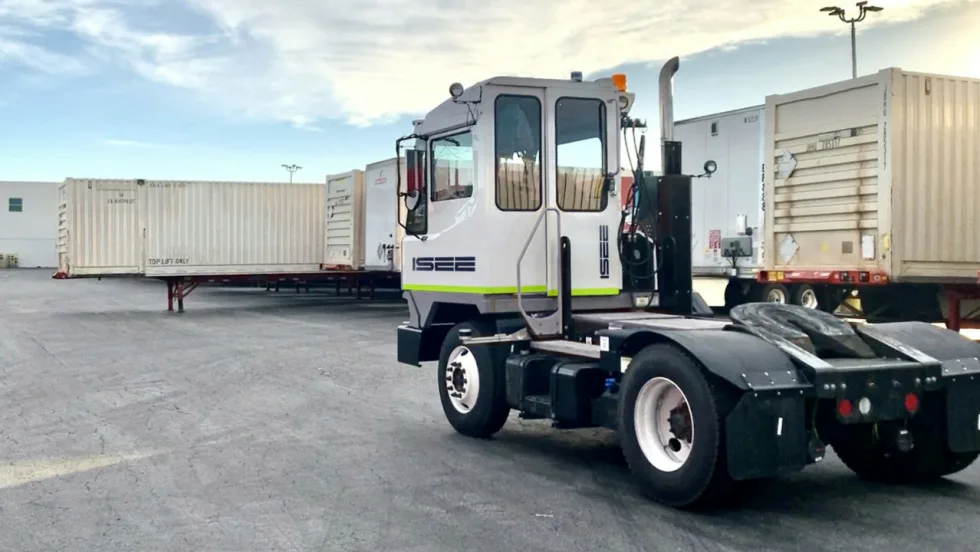
Holman and ISEE Partner to Expand Autonomous Yard Truck Operations
The partnership combines Holman's fleet management and upfitting capabilities with ISEE's autonomous driving technology to help businesses deploy and manage driverless yard trucks.
Read More →
Who You Gonna Call? Rivian Turns Electric Vehicles Into Ghostbusters Rides
Rivian teams up with Sony Pictures for a Ghostbusters-inspired Halloween software update, complete with custom sounds, lighting effects, and a special Ecto-R1.
Read More →
The Second Trip and What Missing Tools Really Cost a Service Business
For service fleets, missing tools and equipment can lead to second trips, lost technician time, higher operating costs, and delayed jobs. Equipment tracking can help HVAC, plumbing, electrical, landscaping, and other service businesses improve visibility and reduce downtime.
Read More →
GeoFencing Adds to Your Truck Security Arsenal
Geofencing is a familiar fleet tool today, but its early adoption marked a major shift in vehicle tracking, route monitoring, and the debate over employee privacy.
Read More →
Geotab Data Shows Regional Trucking Growing Faster as Last Mile Routes Get Denser
Geotab's first U.S. supply chain report finds stable long-haul activity, stronger regional freight movement, tighter hub-and-spoke utilization, and more last-mile trips on shorter routes.
Read More →