




How to Optimize Truck Routing
Vehicle routing is a challenging, yet key component in many vocational truck fleets. Optimizing routes is especially important for delivery and service fleets.


Route optimization solutions can be used to streamline deliveries and service requests, which ultimately can reduce fuel use, vehicle wear-and-tear, and exposure risk.
“One of the biggest challenges with route optimization can be cost. If a fleet can’t afford the most expensive options on the market, then it needs to choose wisely as there are many vertical-specific challenges in route optimization that cannot be handled by a horizontal approach to solving the problem,” said Ananth Rani, CEO and co-founder of Azuga.
Challenges in Route Optimization
Specifically, one of the bigger truck routing challenges is the requirement of a specific driver or vehicle at a job.
“The toughest challenge for truck routing is the complication of attributes. This is when certain jobs require a tech with the right skills, or a truck with a certain boom height or equipment on board. That makes routing very difficult and is near impossible to do effectively and efficiently manually,” said Ryan Driscoll, marketing director for GPS Insight.
And, while some fleets can have set daily routes, many experience daily changes and same-day re-routes.
“Many applications can handle static routes and daily route planning. But, what happens when a customer’s water heater cracks at 2 p.m.? A truck must be dispatched quickly. What is required to effectively handle these issues is a platform that is aware of the location of vehicles, the inventory on those trucks, and which plumbers are on board. Being able to find the closest available vehicle that has the attributes required can keep your customer’s basement from turning into a swimming pool,” said Frank Schneider, director of product management for CalAmp.
Another challenge with route optimization is actual route compliance.
“Fleets spend money, time, and effort to define the best route to meet the criteria of the fleet; some fleets optimize routes based on the fewest miles driven or meeting customer service times, for example. Additionally, fleets can sometimes struggle to ensure drivers are following the routes they have pre-defined,” said Stephanie Voelker, vice president of enterprise sales solutions for Geotab.
Fleets also struggle with reduced staff, impacting efficiency.
“Today, fleet managers must do more with the resources available to them, for example, vehicles and mobile workers. Traditionally, companies have focused on reducing fuel costs, which is still important, but it is no longer the primary focus,” said Faiza Tajammul, product manager for Verizon Connect.
One example of this metric is how many stops a mobile worker was able to do in a day and how much he or she was able to deliver during that time.
“Companies are now focusing on the total number of stops and quantities delivered or picked up while ensuring they meet short service-level agreements (SLAs). By adding more stops without adding additional routes, fleets also achieve fuel savings. This becomes more challenging with evolving customer needs that require dynamic adjustments to already planned routes. It could take hours to get a new job dispatched, whereas route optimization can automatically dispatch based on job constraints,” said Tajammul.
Today’s consumers also expect to know exactly where their product or service providers are in real-time.
“Increasing expectations from consumers and businesses to provide real-time visibility and instantaneous fulfillment puts a squeeze on the entire supply chain. Couple this with a healthy economy and chronic driver shortage and optimization is more important than ever,” said Tyler Forcum, product manager at Omnitracs.
In the end, overall fleet and program agility is a challenge with truck routing.
“To make truck routing more efficient and dynamic, executives and fleet managers must be able to locate a driver, monitor road conditions, and communicate with the customer and driver at a moment’s notice. Anything less means they’re likely to fall short in the customer service department since customers expect on-time deliveries no matter what traffic, weather, or staffing issues may be affecting your fleet,” said Ozzie Flores, marketing and product manager for Teletrac Navman.
6 Benefits of Route Optimization
1. Recouped Productivity
Home medical equipment company MedCare must ensure its essential healthcare equipment is delivered on time. The company guarantees delivery within four hours but was only achieving this goal with an 80% success rate. One issue was that drivers were required to create their own routes, mapping them out on paper each day, which took over an hour to accomplish.
Working with GPS Insight, the delivery fleet now utilizes an automated truck routing software system that increased their four-hour delivery success rate to 99%. In addition to the increased delivery success rate, drivers only take about 15 minutes to finalize their routes, recouping MedCare more than 11,000 working hours in lost productivity within the first year.
2. Increased Customer Satisfaction
A last-mile home delivery company recently adopted RNA Routing and Dispatching from Omnitracs. In the first three months of operation, the fleet saw a six-times improvement in router productivity, one-and-a-half-times improvement in route efficiency, and increased driver and customer satisfaction due to improved real-time tracking.
3. Higher Revenue & Routing Trucks Around Danger
Poolsure, a pool water management company that services the entire Gulf Coast from Texas to Florida, has embraced Verizon Connect’s platform, helping enable top-line revenue growth of 20% to 25% as well as a 50% increase in EBITA with the use of Verizon Connect’s platform and route optimization solution. The fleet has also seen a decrease in accidents, speeding violations, and out of service events. During last year’s Hurricane Irma, Poolsure was able to route trucks and avoid dangerous roads. The platform also gave drivers maps and alerts on their mobile devices, updated in near-real-time with information about hazards and alternate routes.
4. Enhanced Driver & Vehicle Monitoring
A large provider of TV & Internet services currently utilizes CalAmp to track their service truck fleet to ensure the right truck arrives during the scheduled appointment window to keep their customer satisfaction high.
5. Reduced Fuel Use & Idling
Route optimization is important for truck fleets around the world of all sizes. The Food Bank of Madrid foundation receives and distributes food donations within Madrid’s community. One of their top goals is to ensure funds go directly to supporting programming. Running an efficient fleet and minimizing waste helps them achieve this objective. Using telematics from Geotab, the fleet estimated a 12% reduction in fuel usage through route optimization and idle-reduction. Being able to see where the vehicles are in real time allowed the company to manage transportation in a more effective and efficient manner with improved routes.
6. Increase in Driver Safety
Vocational fleets traveling through metropolitan areas may face bottlenecking, another key route optimization challenge. One benefit of using a GPS tracking system for route optimization is insight into vehicle idling, which can help fleets save in fuel costs. One fleet had approximately $15,000 — or 10% — in fuel savings by using Teletrac Navman’s fleet management software. By collecting data on what every vehicle in the fleet is doing from moment to moment, including idling or fuel-burning practices such as speeding, the safety and fleet manager had full insight into fuel usage from route and vehicle inefficiencies.
More Operations
Think You Know Trucks? Take Our 19-Question Fleet Trivia Challenge
From chicken lights to diesel engines and trucking history, test your knowledge with 19 questions from the 2026 Work Truck Exchange and Heavy Duty Trucking Exchange.
Read More →
Where’s My Truck: Inside the Fleet Logistics Work Nobody Sees
Shades of Fleet video thumbnail featuring Lauren Fletcher beside the text “The People Behind the Process, Keeping Fleets Moving,” with fleet vehicles and logistics imagery in the background.
Read More →
Work Truck Seeks Fleet and Industry Insights on 2026 Trends and 2027 Forecasts
Work Truck is seeking insights from fleet leaders and industry partners on the trends that shaped 2026 and what commercial fleets should prepare for in 2027. Participate today!
Read More →From Our Partners
Basic Tracking vs Next Generation Fleet Technology
Sponsored by AT&T Business
5 Facts Every Fleet Manager Should Know About Embedded Telematics
Sponsored by Stellantis/Mobilisights
How AI Video Telematics Boosts Driver Safety and Helps to Avoid Unnecessary Costs
Sponsored by Verizon Connect
Charting the 8 Bottom-Line Benefits of Workforce Optimization
Sponsored by Verizon Connect


It's 10 p.m... Do You Know Who Has Access to Your Fleet?
Preventing cargo theft requires investment in technology, operational processes, and employee training. In an industry with tight margins, it can be difficult to justify investments whose value is measured by incidents that might never occur.
Read More →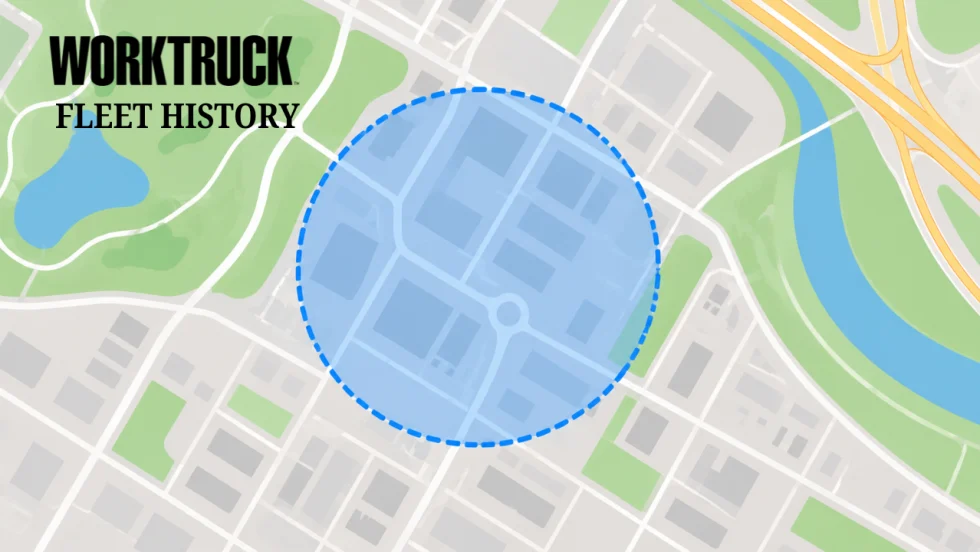
GeoFencing Adds to Your Truck Security Arsenal
Geofencing is a familiar fleet tool today, but its early adoption marked a major shift in vehicle tracking, route monitoring, and the debate over employee privacy.
Read More →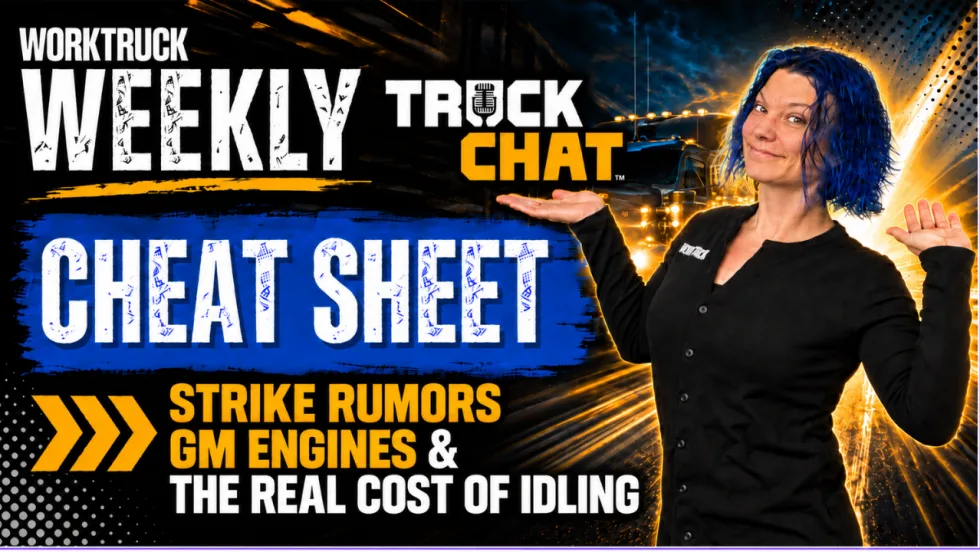
Truckers’ Strike Rumors, New GM Engines, and Hidden Idling Costs Lead This Week’s News
Truckers’ strike rumors, GM’s new 2027 engines, hidden idling costs, racing lessons, IRP rules, and more headline this week’s Truck Chat Weekly Cheat Sheet.
Read More →
Shades of Fleet Wants to Hear From You About Building a Culture of Care
Fleet leaders, we want to hear from you. Share how empathy, trust, and creating space for people can strengthen your team, improve performance, and support retention.
Read More →
What Racing Can Teach Work Truck Fleets About the Work Nobody Sees
Race car driver and mechanical engineer Isaac Johnson shares practical lessons on preparation, relationships, setbacks, and building teams that perform when it counts.
Read More →
New Fleet Guides, Hidden Truck Wear, and Driver Fit Lead This Month
Our latest Truck Chat recap covers new Fleet Guides, hidden idling costs, driver fit, lighter-truck registration rules, and year-round technician appreciation.
Read More →
Work Truck Takes Fleet Rivalry Downhill to Support Skilled Trades
Team Fletcher claimed a head-to-head win and second overall as Work Truck and Automotive Fleet helped raise $22,000 for the Hourglass Foundation.
Read More →