Utilimaster takes a personal approach to upfitting. Through its Work-Driven Design process, the company identifies specific challenges and solutions for every single customer.
This service vehicle from Indianapolis Power and Light is one example of a vocational truck with industry-specific needs.
Photo courtesy of Utilimaster
3 min to read
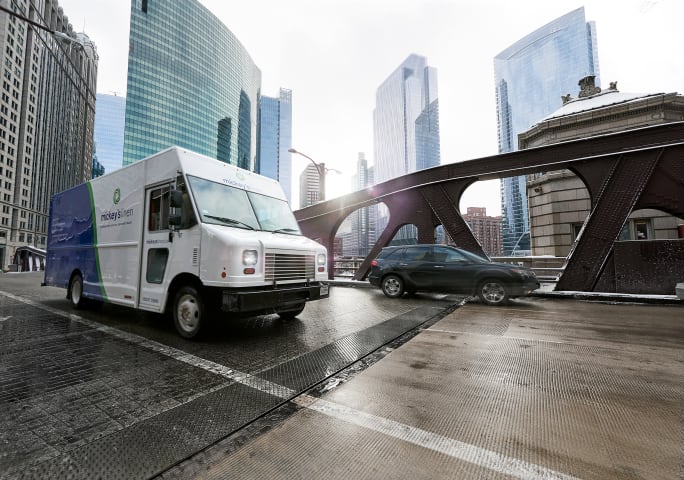
Mickey's Linen in Chicago is a Utilimaster customer.
Photo courtesy of Utilimaster
Buying the right truck is a tricky process. You have to choose the right model, build the right specs, and choose the right equipment to add on top (or inside). And, although it may seem like a challenge handled in the office, the best way to build the right truck is by go outside and talk to users.
Ad Loading...
Utilimaster takes a similar approach when it builds vehicles. The company offers vehicles and upfit solutions for Class 1-7 vehicles, and it offers them with a truly personalized design. We spoke to Chad Heminover, president of fleet vehicles & services, Spartan Motors, to learn more about the company’s Work-Driven Design process.
Ad Loading...
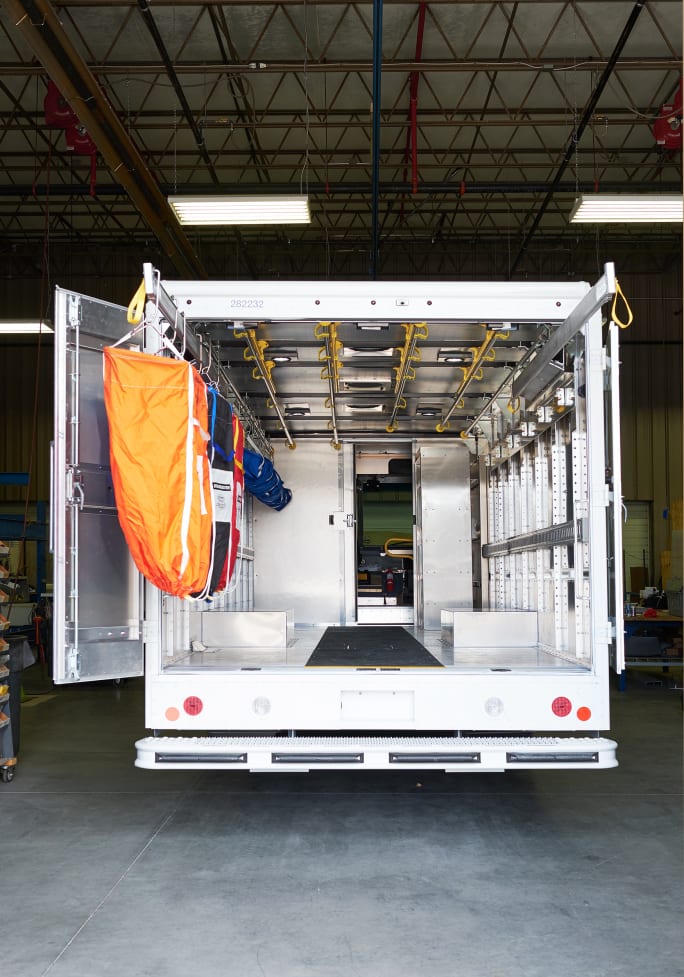
Instead of an off-the-shelf solution, Utilimaster designs vehicles to meet specific needs.
Photo courtesy of Utilimaster
Relationship-First Design
For more than four decades, Utilimaster has relied on Work-Driven Design, a unique process where the company engages with the customer to identify specific needs. This can mean ride-alongs with drivers, telematics studies, and conversations with customers. Using this information, Utilimaster’s engineers build a vehicle or upfit solution that allows its customers to work smarter, faster, and more efficiently.
“Relationships are extremely important in this process with the essential factor being how our engineers and our customers work hand-in-hand from design to delivery,” said Heminover.
By getting to know each customer on a personal level, Utilimaster can consult with vocation-specific experts on its team who understand the unique challenges of drivers working in parcel delivery, utility, linen and laundry, and other segments of the industry.
“The traditional approach from our competitors takes existing vehicle designs and pairs them to industry needs. They’re still selling by catalogs and forcing their buyers to ‘take what they make,’” Heminover said. “While it may provide upgrades to basic needs (as you would expect with a new vehicle), it’s not solving for efficiencies and other gains that, when realized fleetwide, can have a substantial positive impact to the bottom line.
Accommodating a Customer’s Need (and Schedule)
Getting to know each customer is a time-intensive process. But Utilimaster’s process is not uniform – not even the discovery process is constant across every customer because not every customer wants (or needs) that much face time.
Ad Loading...
“Naturally, we’re not going to do 100 hours of ride along discovery to design an upfit for one cargo van, but even in that case we are going to apply our industry knowledge and we’re going to listen to that customer’s specific needs, making sure we understand their business, their challenges, and what they need to best serve their customer,” Heminover said. “From the $214 million, 2,000 unit USPS truck body contract to a 20-unit contract to build electric walk-in vans for a leading linen and laundry service provider, AmeriPride Services, the Work-Driven Design process is used to understand the ins and outs of what that specific fleet requires.”
In some cases, a fleet needs a vehicle now and may not think it has time to develop that relationship. Utilimaster can cater to off-the-shelf scenarios when there is an immediate need. But the company still ensures that customer is taken care of.
“Fleet managers are under tremendous pressure to maintain the logistical heartbeat of the company, so it’s understandable that they may not have time for a massive discovery,” Heminover said. “However, if it’s possible to take the time to dig in and uncover the unexpected bottlenecks your fleet is facing, the end result can be a game-changer for clients.”
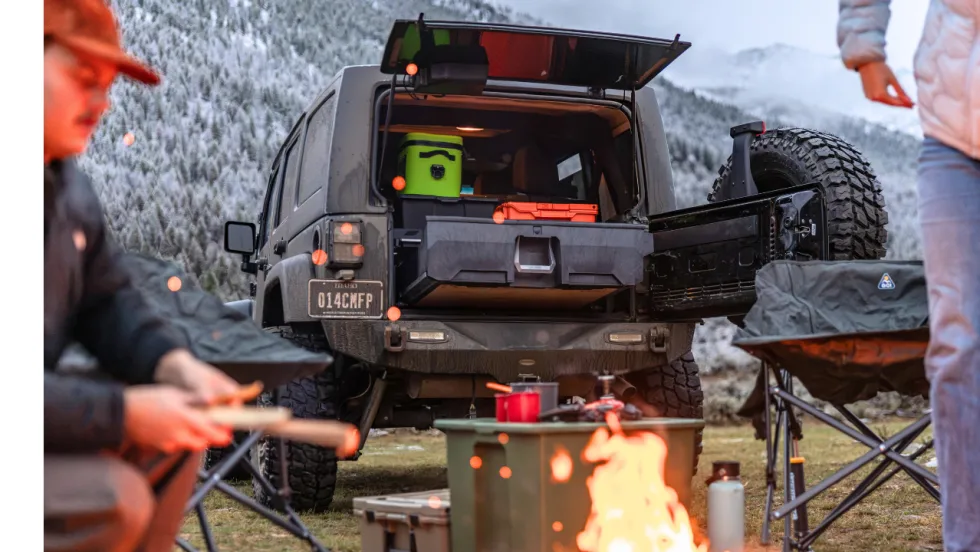
DECKED's signature Drawer System, a fixture in truck beds since 2014, now fits a full lineup of SUVs, including the Jeep Wrangler, Toyota 4Runner, Ford Bronco, Toyota Land Cruiser, and more.
Sometimes, it is not in a fleet’s best interests to have a vehicle at a given GVWR. Changing the GVWR to a special value can be done, but the process is complicated.
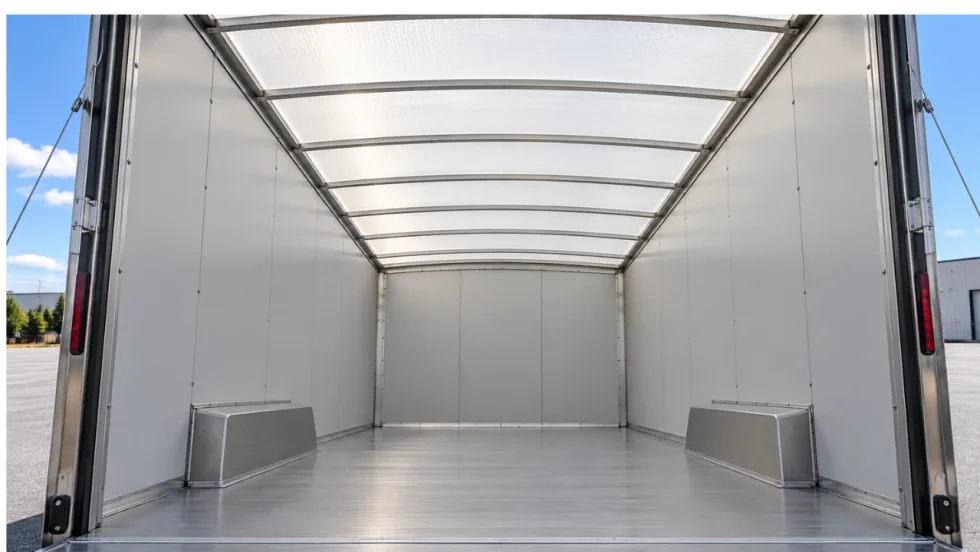
CargoBright is designed to diffuse daylight across the cargo area while performing as a working vehicle roof. Its reinforced composite construction is designed for impact, abrasion, moisture exposure, and UV exposure.
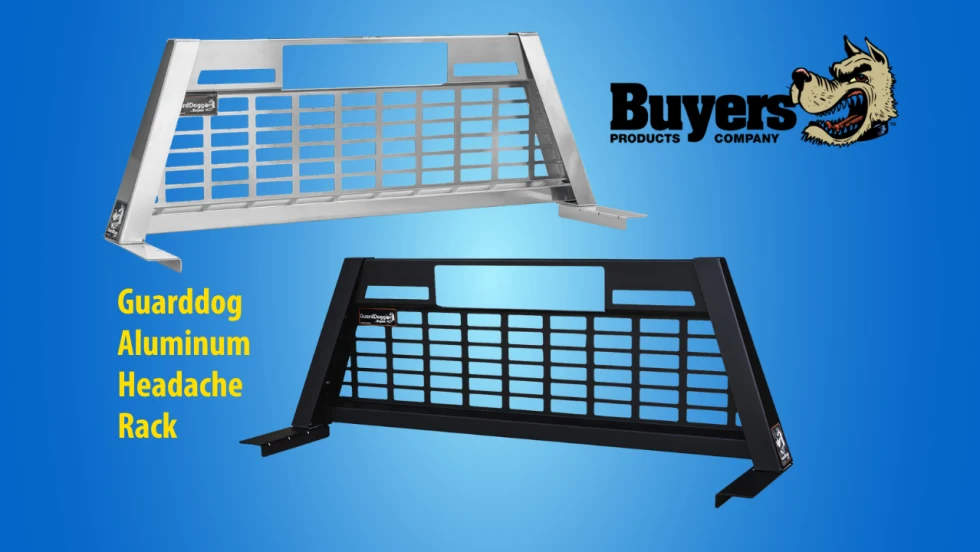
Buyers Products’ aluminum GuardDogg headache rack is now available to contractors, construction crews, and utility fleets that want to reduce vehicle weight without sacrificing functionality.
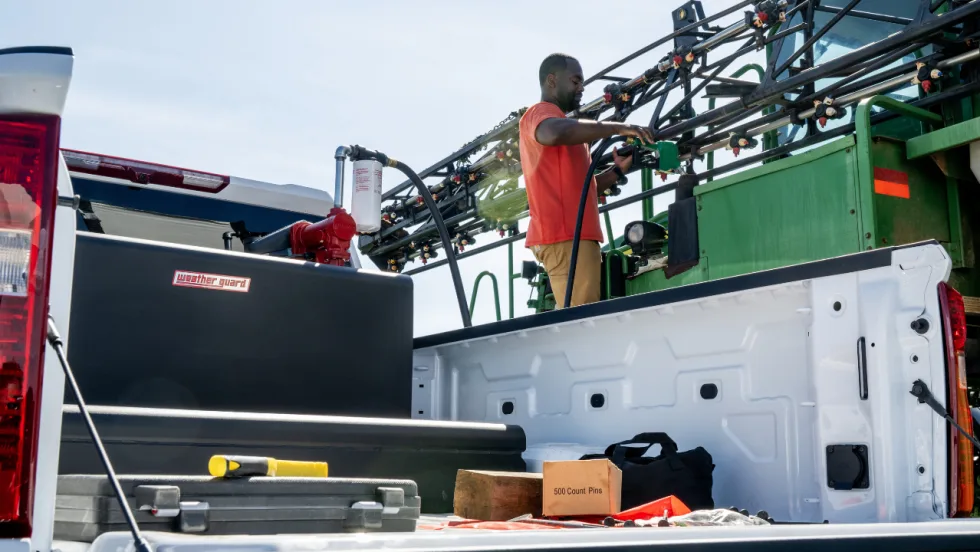
Weather Guard completely redesigned its line of transfer tanks to improve durability, simplify installation, and keep equipment running in demanding field conditions.
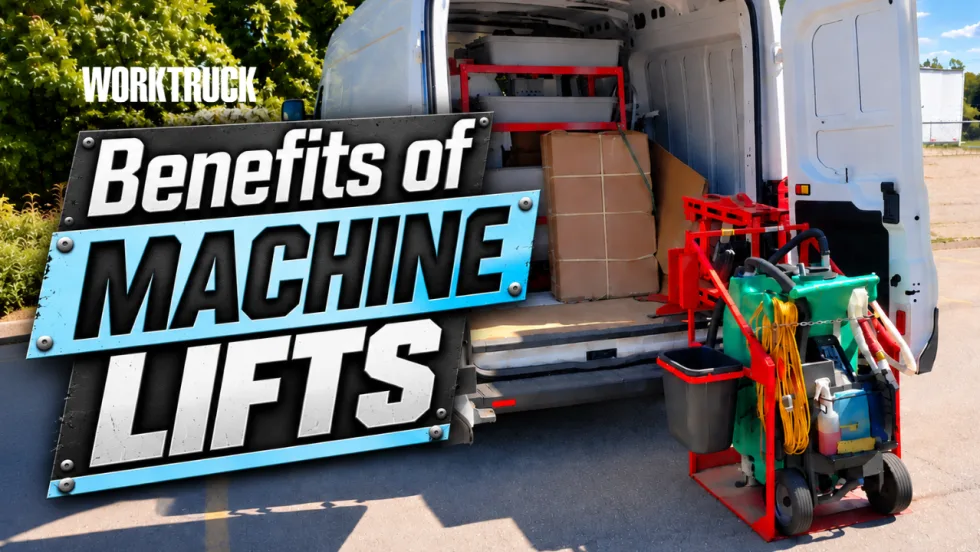
What is a machine lift, what fleets need them, and how do they improve safety and drive efficiency? What advantages do they have over ramps and liftgates?
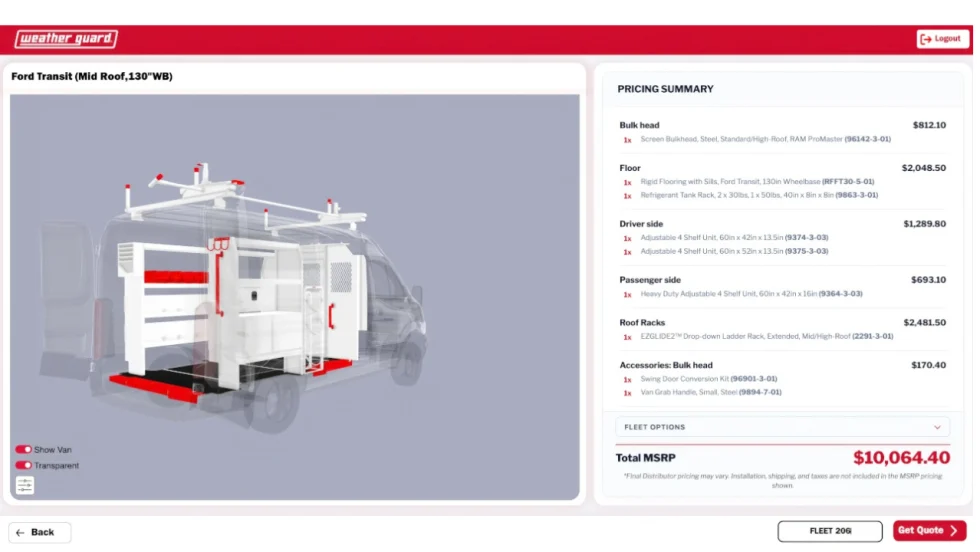
The Weather Guard Configurator combines vehicle-specific product compatibility with real-time 3D visualization to streamline design, quoting, and ordering for fleet managers, upfitters, and professional users. The latest version is now available for vans, with truck upfitting being added in early 2027.
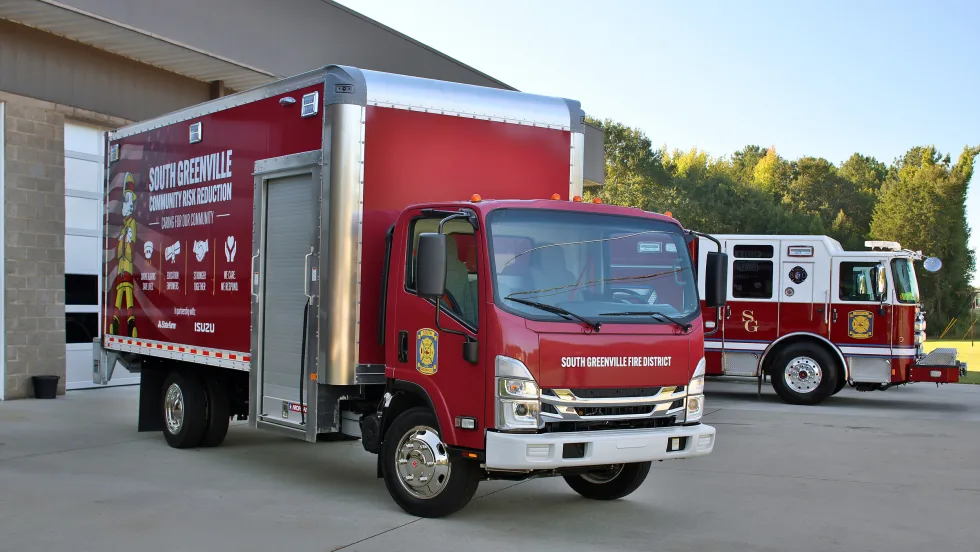
Isuzu North America Corporation donated a new Isuzu N-Series NRR, equipped with a Morgan truck body and a Palfinger liftgate, to support fire safety education, community engagement, and outreach programs throughout Southern Greenville County, South Carolina.
Bostick Truck Center in Pontiac, Michigan, is now the official distributor for Eby Truck Bodies in Michigan. It will have access to Eby’s Ford, GM, and Ram chassis pool programs.