




6 Questions for Mercedes-Benz Vans USA
Robert Veit, vice president and managing director of Mercedes-Benz Vans USA, is leading a growth initiative in North America that includes the launch of the third-generation Sprinter.


Photo of the third-generation European Sprinter by Paul Clinton.

Photo of the third-generation European Sprinter by Paul Clinton.
Robert Veit arrived to head Mercedes-Benz Vans USA at an opportune moment just ahead of the launch of the third-generation Sprinter full-size van. As vice president and managing director of the van unit, he's leading a growth initiative in North America.
Veit began leading the division in December of 2016 after Bernhard Glaser departed for a role as director of product management for AMG, Maybach, and smart.
Veit arrives with a global resume and a long history with Daimler's Mercedes-Benz division that began in 1985, when he took an engineering internship in Europe and later coordinated with Mercedes-Benz do Brasil to earn an advanced degree in aeronautical engineering.
Veit served in various sales and marketing roles for commercial vehicles with DaimlerChrysler Middle East, in Russia, and with Daimler Trucks Korea. He lived in China where he became president and CEO of Daimler's truck and bus business in that country before heading Region Overseas Mercedes-Benz Trucks for Daimler AG in 2015.
He joined journalists, including Automotive Fleet, in Dusseldorf earlier this month and fielded questions about the new Sprinter and the Charleston, South Carolina-area factory being built where the company will assemble the vans for North American customers. Automotive Fleet attended the company's unveiling of the new van.

Veit
Question: What's the biggest difference between the international market and the U.S.?
Veit: Let's start with common ground. Of everyone who is buying a van in the U.S., 80% are earning money with it. Meaning they are transporting parcels, goods or people from A to B. They are in a very competitive environment and, of course, it's about earning money. If you look at a classical total-cost-of-ownership cake, fuel is the first delta in the comparison to other countries. Fuel is cheaper in America. In other markets, more customers are using leasing, because it's very predictable. It's like insurance; they only want to pay a certain amount. They don’t want to have the risk. We have many companies where they own the vehicles or they finance them. [Another] fascinating [comparison] is the mileage. In America, it’s a very high mileage, so they're driving a lot, long distances.
Question: How long do commercial users keep the vehicles?
Veit: American customers keep their vans for eight to 10 years. It's running, it's a good product. They see no reason to replace it. That's the difference in other oversees countries. Normally, the first buyer is getting rid of his vehicles after four years. Then normally the first small breakdowns are happening. If the vehicle is not running, if it's standing in the workshop waiting for parts, it's not running and it's eating up profits.
Question: You're coming into a position with a fairly diverse van lineup. You have the Sprinter, Sprinter 4x4, and the Metris. When talking to U.S. fleets and commercial users, are there other things that they're asking for?
Veit: At the moment, most of the customers are happy with our current product line. The only thing I'm hearing regularly is the need for [a] gas [engine]. We have some customers that only have a gasoline fleet. They do not want to have diesel vehicles.
Question: You're building a plant near Charleston, where you'll build vans for the North American market rather than shipping over so-called knock-down kits after building them in Dusseldorf. Will that result a cost benefit to Sprinter buyers?
Veit: I was there just recently with dealers, and I was surprised how quickly it was developing. To your question, at the beginning you cannot expect too many advantages. Because when the factory is starting, a majority of the parts will still be imported. But over time, it’s a vehicle that is assembled in America, and we will have more and more of the content locally. We hope over the long term, we will have more customer price advantages, but now it's too early to say.
Question: You have 289 Mercedes-Benz Sprinter dealers and 42 Freightliner Sprinter dealers. Do you see than changing moving forward?
Veit: Currently, we are selling more Mercedes-Benz than Freightliner. I believe we could do much stronger on the Freightliner side. It's good also to have an American brand especially when customers look for 'made in America.' It's an asset. And I don’t want to lose it. So I am really motivating our Freightliner dealers to really invest and to grow. My dream would be to have both brands in parallel.
Question: You mentioned earlier that Sprinter leasing is much more prominate in Europe. Could you expand on this and let us know whether you partner with the fleet management companies.
Veit: Leasing in America is rather small. In our case, it’s less than 10%. We are not doing [FMC partnerships] at the moment. If you see the overall, it’s a picture of the purchase price, the interest rates, and the residual values. Our residuals are very strong. Most of the commercial buyers are financing.
Originally posted on Automotive Fleet
More Vehicle Insights
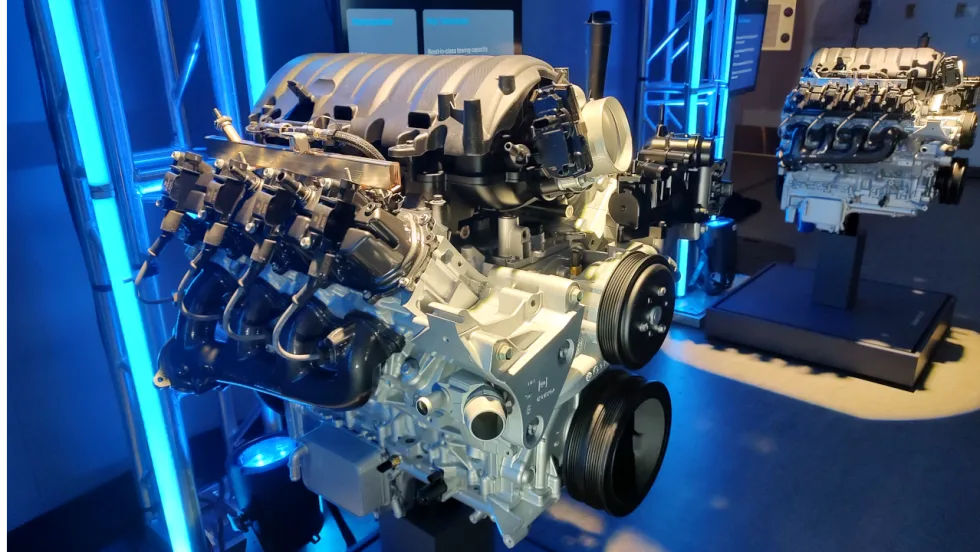
GM Unveils New Sixth-Generation Small Block Engines for 2027 Light-Duty Pickups
General Motors unveiled two new small-block engines, backed by extensive real-world validation and more than 70 years of small-block V8 manufacturing experience, as part of the engine portfolio for the 2027 Chevrolet Silverado 1500 and GMC Sierra 1500.
Read More →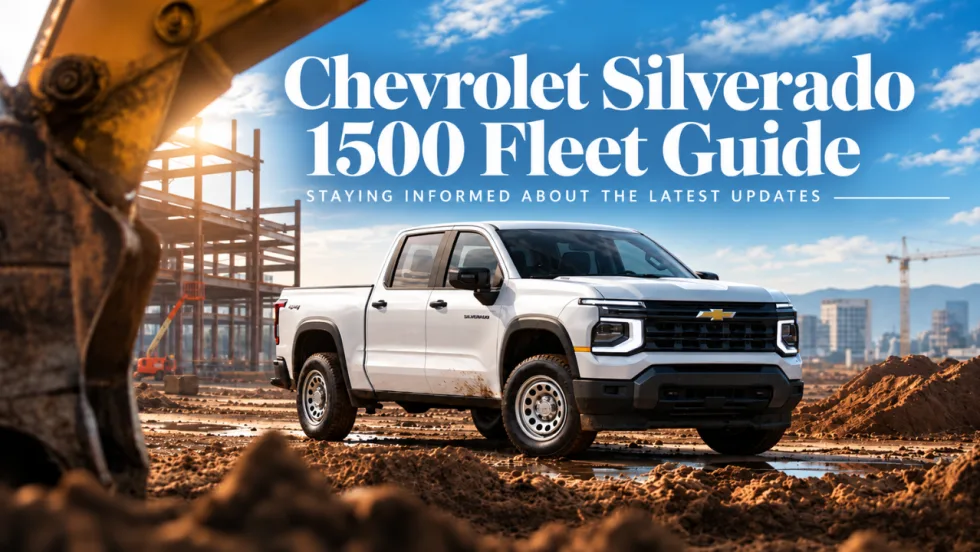
Chevrolet Silverado 1500 Fleet Guide Specs Capability and 2027 Model-Year Updates
The next-generation 2027 Chevrolet Silverado 1500 brings new V-8 engines, updated technology, expanded safety features, and a fleet-focused Work Truck. Here’s what commercial fleets need to know so far.
Read More →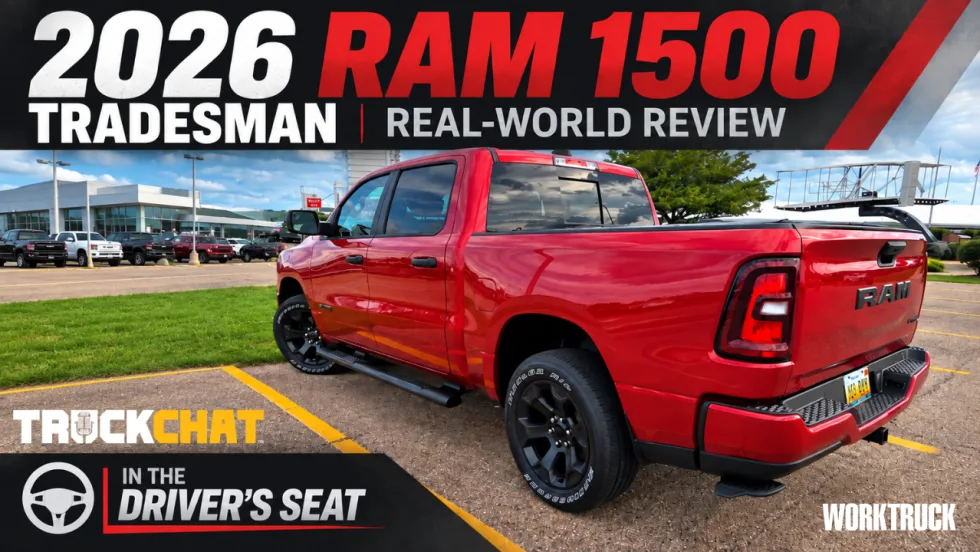
2026 Ram 1500 Tradesman Put to a Real-World Fleet Test
A few days behind the wheel of a 2026 Ram 1500 Tradesman turned into a test of visibility, parking, work-ready features, and even severe-weather driving.
Read More →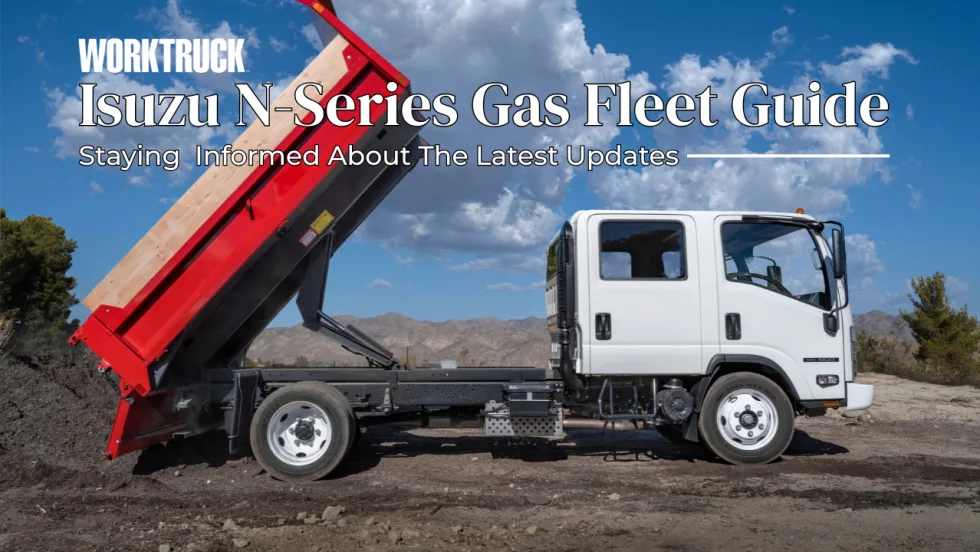
Isuzu N-Series Gas Fleet Guide: Specs, Capability and 2027 Model-Year Updates
Explore Isuzu Truck North America’s N-Series Gas fleet specs, engine performance, GVWR and payload capability, configurations, chassis dimensions, work-focused features, and 2027 model-year information.
Read More →
Ram ProMaster City Fleet Guide Specs Cargo Capacity and 2027 Updates
Work Truck’s Ram ProMaster City Fleet Guide tracks the latest specifications, cargo capability, configurations, fleet technology, pricing, and model-year updates for Ram’s mid-size commercial van.
Read More →
Ford F-150 Fleet Guide Specs Capability and 2026 Model-Year Updates
Explore 2026 Ford F-150 fleet specs, engines, towing and payload capability, configurations, work features, technology, and model-year updates.
Read More →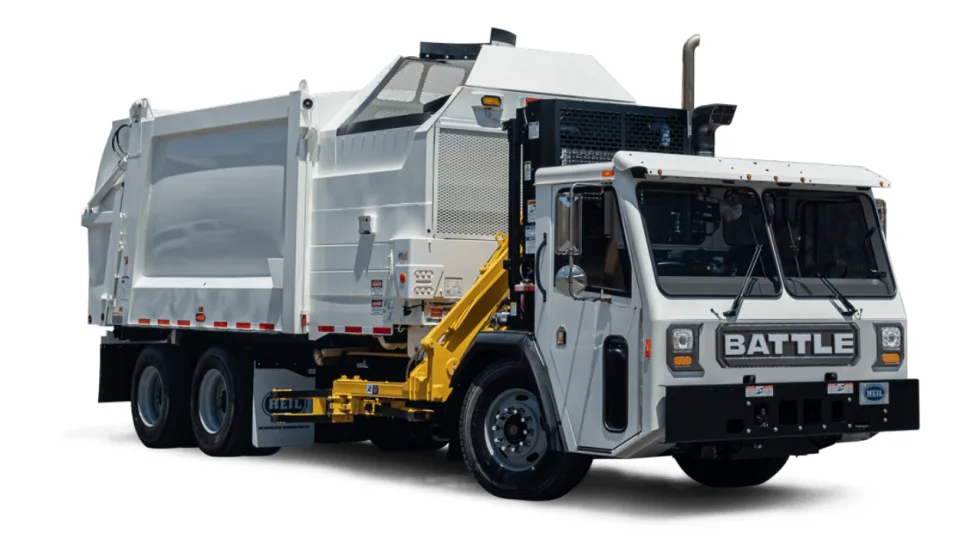
TCI Now Sells & Supports Battle Motors’ Vocational Trucks
Midwest truck dealer Truck Centers, Inc. (TCI) has expanded its transportation solutions with sales and service support for Battle Motors’ heavy-duty vocational trucks at locations in locations in Indiana, Illinois, and Missouri
Read More →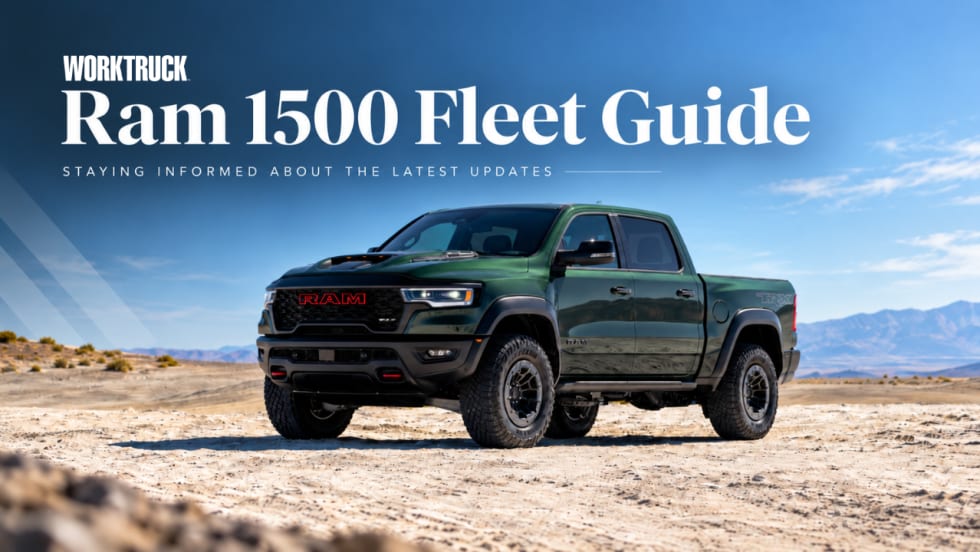
Ram 1500 Fleet Guide Specs, Capability and 2027 Model-Year Updates
Explore always up-to-date Ram 1500 fleet specs, engines, towing and payload capability, configurations, technology, pricing updates, and model-year changes.
Read More →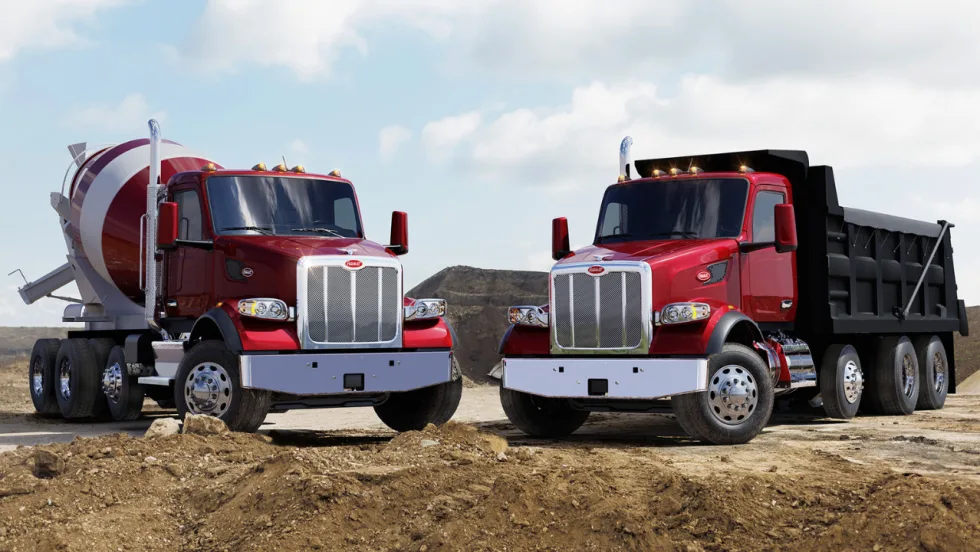
Peterbilt Trucks Equipped with Paccar TX-18 Pro Boost Efficiency for Maryland Fleet
Patuxent Companies is replacing aging trucks with the Peterbilt Model 567 and Model 589, specified with the Paccar TX-18 Pro 18-speed automated transmissions, and is reporting an 8% to 10% improvement in fuel economy.
Read More →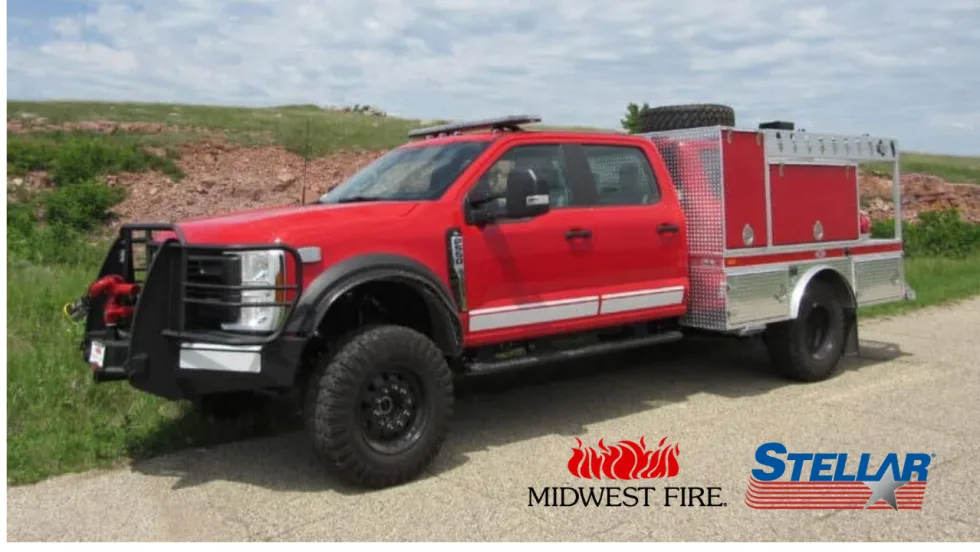
Stellar Expands into Fire Apparatus Market with Acquisition of Midwest Fire
Stellar Industries has acquired Midwest Fire, a custom fire apparatus manufacturer headquartered in Luverne, Minnesota, with nearly four decades of specialized apparatus experience.
Read More →